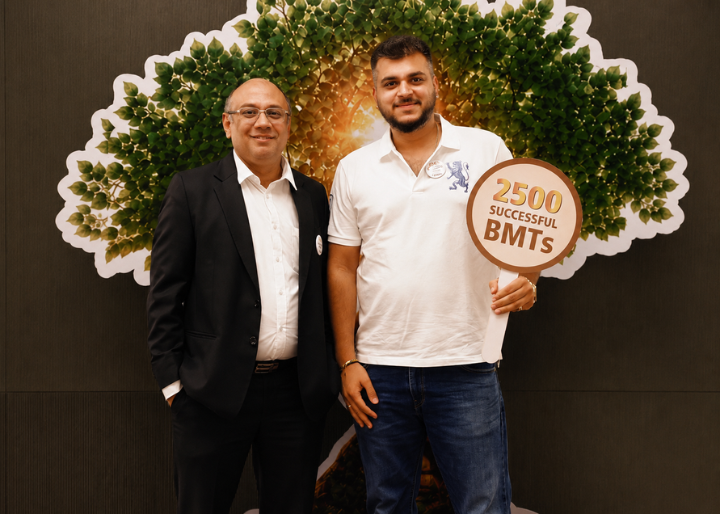
Historic Milestone: FMRI Celebrates 2500 Successful Bone Marrow Transplants
Celebrate a historic milestone of 2500 successful Bone Marrow Transplant at Fortis Gurgaon procedures, backed by our complete international patient visa care.
Read More
World Oral Health Day is for families. We provide complete dental checkups for kids and seniors. Keep your loved ones' smiles bright and healthy.
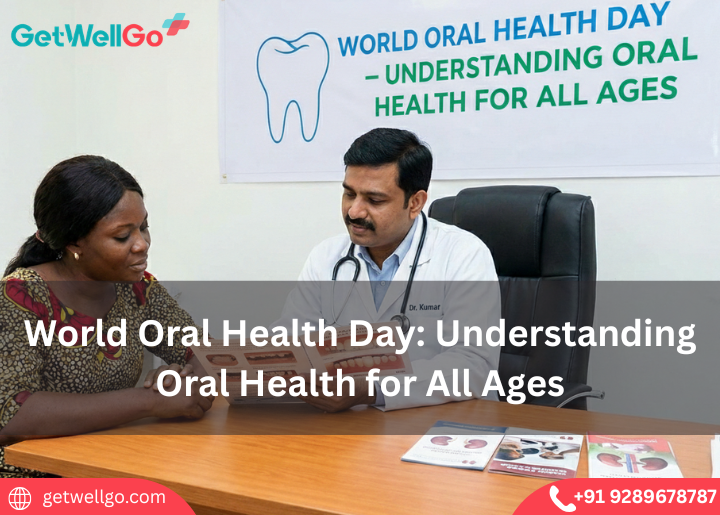
The World Oral Health Day (WOHD) is an annual event on 20 March. It is one of the many global awareness campaigns led by the FDI World Dental Federation, to raise awareness of the importance of good oral health and to prevent oral diseases.
The day aims to:
Oral diseases are rather widespread health conditions, as almost 3.5 billion individuals are affected by it in the world.
Good oral health requires:
Bad oral hygiene may cause:
Affordability of dental services has been a problem in most nations. Prevention of oral health will decrease the rate of dental treatment at an advanced level and enhance well-being.
World Oral Health Day is celebrated on March 20 in order to draw people’s attention to the importance of taking care of their teeth to prevent oral diseases and contribute to their overall health. Good dental health is more than just a bright smile – it is really important for your health.
Prevention of the following with good oral hygiene:
Additional health problems that were linked to bad oral hygiene are heart disease, diabetes, lung infections, and pregnancy issues.
Brush Twice Daily
Floss Daily
Use Mouthwash
Eat a tooth-friendly diet
Routine Dental Examination
World Oral Health Day is focused on the prevention of dental diseases to reduce the need for complex procedures like root canals, gum surgeries, or dental implants. Earlier diagnosis would guarantee improved results and reduced treatment charges.
Dental care is important at any age, from infancy to adulthood. Good dental hygiene not only prevents the formation of tooth problems but also contributes to general health, nutrition, speech and self-esteem.
Why it's important: Baby teeth help your infant chew, form words and hold spaces for permanent teeth.
Key Tips:
Common Hazards: teeth decay due to sugary food and drink and not brushing the teeth properly.
Tips for hygiene:
Common Concerns: Braces, wisdom teeth, sweetened drinks, tobacco use.
Prevention Tips:
General issues: Gum disease, sensitive teeth, clenching in stress.
Prevention Tips:
Concerns: Dry mouth, tooth loss, risk for oral cancer.
Prevention Tips:
Good oral health should be a usual starting point in childhood as a reminder of the World Oral Health Day (March 20). Good dental habits at an early age can be used to prevent dental cavities, gingivitis, and dental complications in the long term. Dental issues are particularly susceptible to children, although most of the issues affecting the mouth can be avoided through care and knowledge.
Infants (0–2 Years)
Children (3–10 Years)
Pre-Teens & Teens
Encourage:
Limit:
Regular checkups of the teeth (after every 6 months) are beneficial in:
Primary preventive medical care is cheaper and less stressful as compared to the complex therapies like root canals or extractions.
The Oral Cancer Screening Awareness Day is a day dedicated to help people understand the significance of early discovering oral cancer. Early diagnosis is one of the most effective ways of increasing the chances of survival and also minimizing the amount of treatment that is required.
Get medical or dental consultation in case of notice:
A screening contributes to the identification of suspicious alterations at a very early level prior to them developing into late stages.
An oral cancer screening is:
The provider checks the mouth, tongue, throat, and the neck to identify abnormalities. Additional tests such as biopsy or imaging can be suggested in case necessary.
The World Oral Health Day is an annual event held on March 20 to sensitize the world on the significance of good oral health and dental disease prevention. It is this significant day that GetWellGo focuses on the importance of dental prevention and the availability of affordable dental care that is of high quality to all patients across the globe.
“Be Proud of Your Mouth” - since having a healthy mouth is a sign of a healthy body and an increased confidence, speech and nutrition. GetWellGo advance this message by encouraging early diagnosis, preventive care and accessibility to high-level dental care.
To the international patients who want to get quality and affordable dental services in another country, GetWellGo helps them get the services serviced in accredited hospitals and dental clinics that provide:
GetWellGo invites all people to:
The World Oral Health Day is a good reason to remind ourselves that oral care matters whatever your age. GetWellGo is dedicated to giving patients a healthier smile and better quality of life through education, preventive services and access to advanced dental care.
Celebrate a historic milestone of 2500 successful Bone Marrow Transplant at Fortis Gurgaon procedures, backed by our complete international patient visa care.
Read More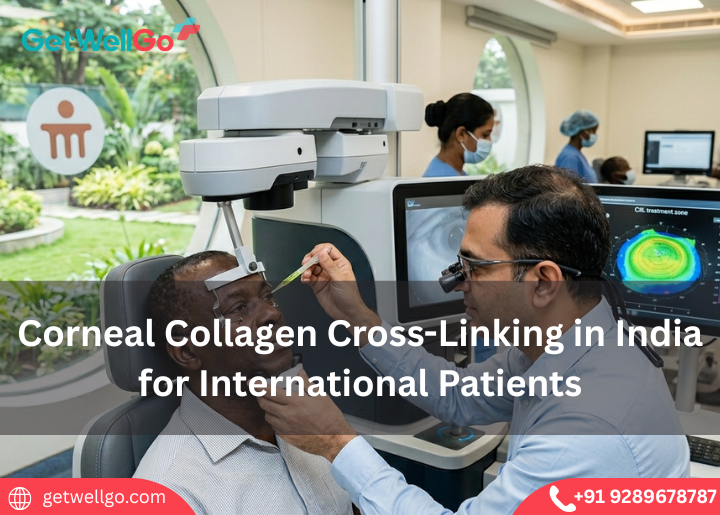
Experience advanced Corneal Collagen Cross-Linking in India to stabilize keratoconus and protect your sight, with full medical visa help from our travel team.
Read More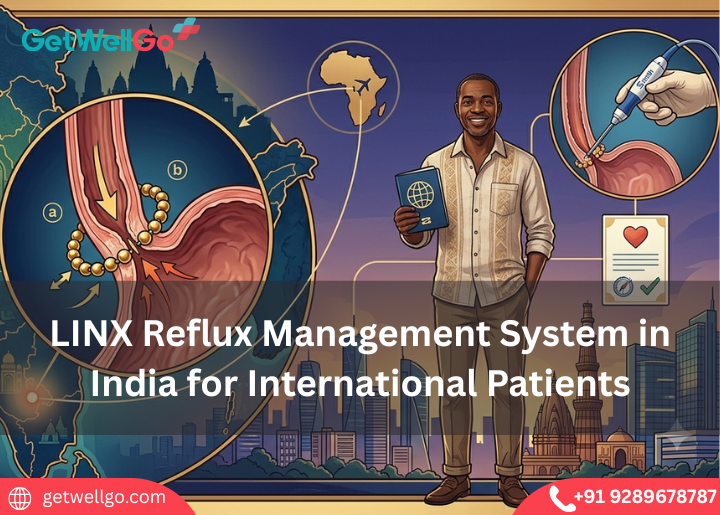
Experience the LINX Reflux Management System in India to stop severe heartburn using a tiny magnetic ring, fully organized by our fast-track medical visa team.
Read More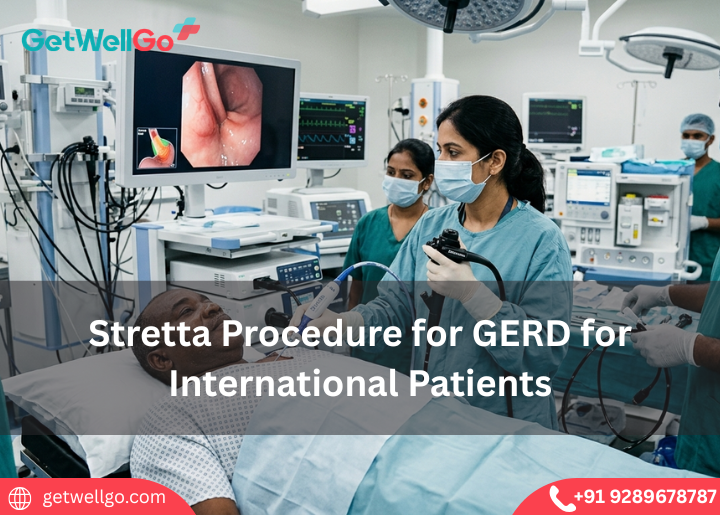
Experience advanced Stretta Procedure for GERD in India to eliminate chronic acid reflux without surgery, completely managed by our fast-track medical visa team
Read More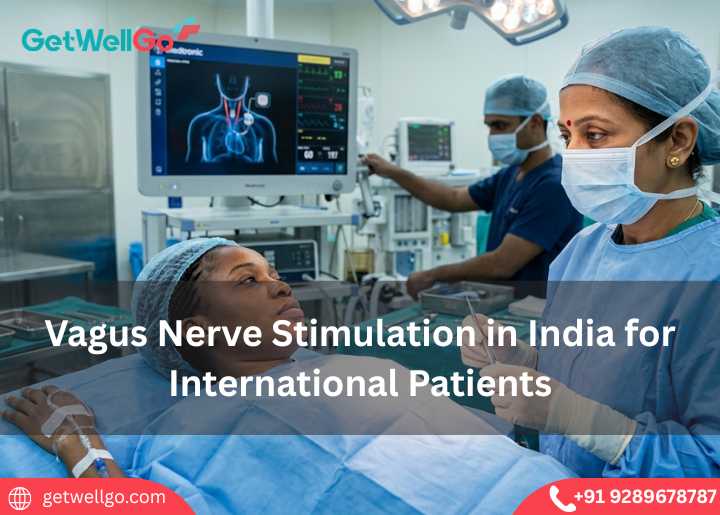
Get advanced vagus nerve stimulation treatment in India with expert care, modern hospitals, and affordable options for international patients.
Read More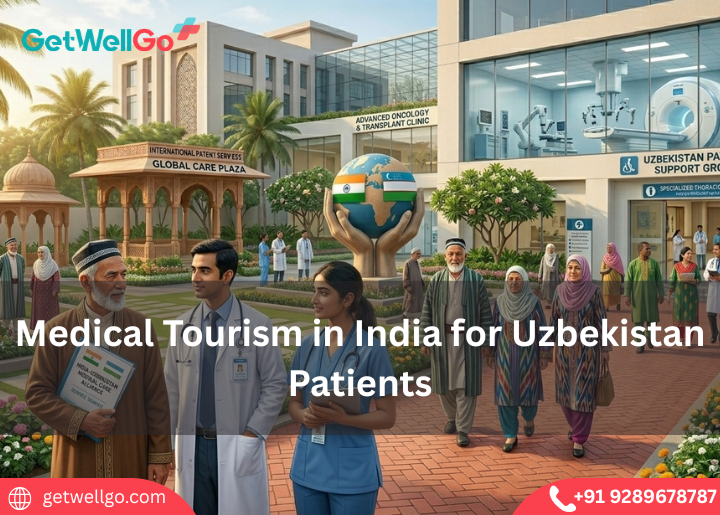
Medical tourism in India for Uzbekistan Patients made easy. GetWellGo handles your top-tier surgery, Uzbek translator, and a safe, warm home for your family.
Read More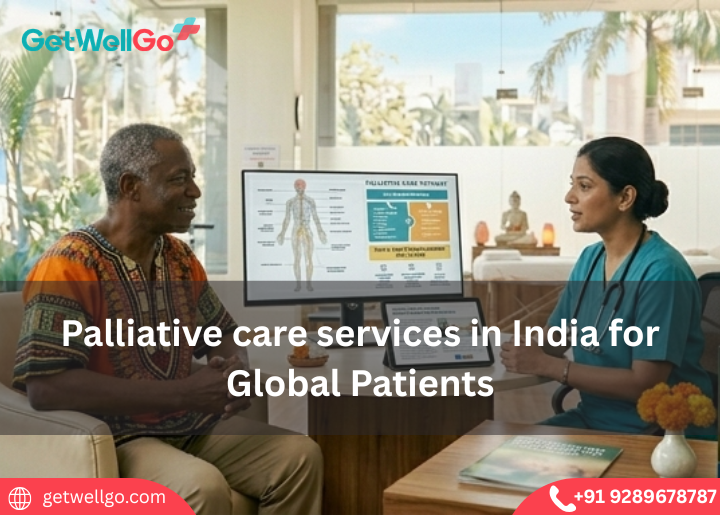
Palliative care services in India focus on your comfort and peace of mind. GetWellGo handles the expert pain relief, visa, and a serene, private home to heal.
Read More
Get reliable visa assistance for medical travel to India. Support with documentation, approvals, and a smooth entry process for global patients.
Read More
Transjugular Intrahepatic Portosystemic Shunt in India stops dangerous liver bleeding. GetWellGo handles your top specialist, visa, and a safe, cozy stay.
Read More
Keratoconus Treatment in India stops your vision from getting worse. GetWellGo handles your advanced eye care, visas, and a safe trip to save your sight.
Read More
Implantable Collamer Lens in India lets you ditch thick glasses forever. GetWellGo handles your expert eye doctor, flights, and a clear-vision holiday.
Read More
Cochlear Implants for Children in India opens a world of sound. We at GetWellGo plan your affordable ear surgery, airport pickup, and safe family trip.
Read More