Historic Milestone: FMRI Celebrates 2500 Successful Bone Marrow Transplants
Celebrate a historic milestone of 2500 successful Bone Marrow Transplant at Fortis Gurgaon procedures, backed by our complete international patient visa care.
Read More
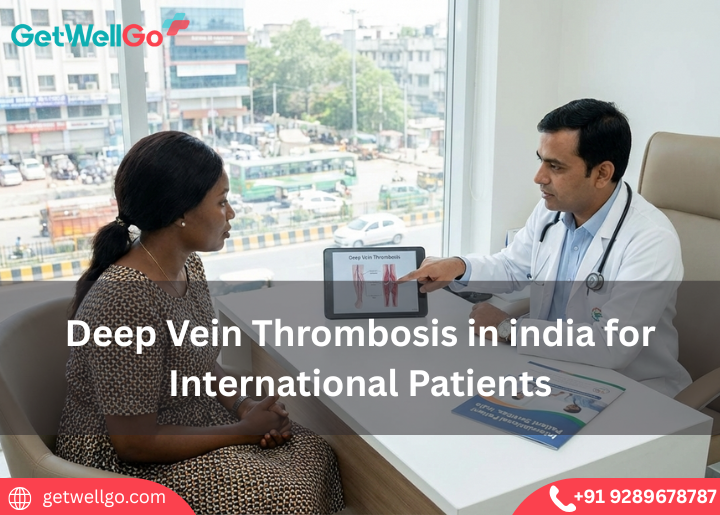
Deep Vein Thrombosis (DVT) treatment in India offers advanced thrombolysis, IVC filters, and anticoagulants by expert vascular specialists. Affordable care with quick recovery attracts international patients seeking clot prevention and symptom relief.
Factors Influencing Price of DVT Treatment in India is:
Options for treatment vary widely in their costs:
Testing you might need before and during treatment includes:
Every test is an addition to the total cost.
Cost of treatment varies with the place where the treatment is taken in India; it can be high in the metro cities as compared to tier-2 and tier-3 cities.
In case you are traveling abroad the costs include:
These may serve as an additional heavy load on top of the hospital bill, although they do not form part of the clinical treatment.
Life time cost of managing DVT can go up because of the necessity of continued surveillance and lifelong anticoagulation therapy especially when the complications re-occur or when the imaging/tests have to be repeated.
India has turned out to be a huge medical tourism destination in terms of vascular and DVT treatment due to the integration of high clinical knowledge, advanced technology and lower cost than most western nations can offer.
The most important benefits to foreign patients include:
International patients are provided with a complete box of DVT care services, such as:
Anticoagulant (blood thinners) and compression medical management.
These interventional procedures are among them:
This includes lifestyle, medical and hospital measures and extra hints to travellers, patients after surgery and persons at high risk which is the prevention for deep vein thrombosis (DVT) in India originally written by an experienced physician.
Active prevention may be required when you:
Physicians can provide pre-emptive treatment with:
Used especially after:
Compression Therapy
Mechanical Machines (At Hospitals)
Stay Active
Stay Hydrated
Good Weight & Fitness
Avoid Smoking
Smoking makes people more prone to clots and blood vessels unhealthy.
When travelling on board flights, trains and buses or when taking a long road trip:
India Major hospitals in most cases adhere to DVT risk assessment protocols which include:
Indian-friendly food tips:
If you're high-risk:
In case you are traveling to India to get surgery or get long-term treatment:
The treatment of DVT in India provides a full and reasonably priced healthcare package trusted by worldwide communities that includes early-stage detection, modern treatment methods and powerful preventive measures. From affordable medical treatment, minimally invasive procedures to internationally acclaimed hospital infrastructure and round the clock assistance to international patients, India remains a top choice amongst global destinations. Patients are treated by experienced vascular surgeons, modern diagnostics, and standardised prevention, meaning the results are high success rates and better recovery. With appropriate lifestyle change, aftercare, and hospital supervised prevention, the chance of recurrence and complications can be lessened greatly.
GetWellGo is regarded as a leading supplier of healthcare services. We help our foreign clients choose the best treatment locations that suit their needs both financially and medically.
We offer:
Celebrate a historic milestone of 2500 successful Bone Marrow Transplant at Fortis Gurgaon procedures, backed by our complete international patient visa care.
Read More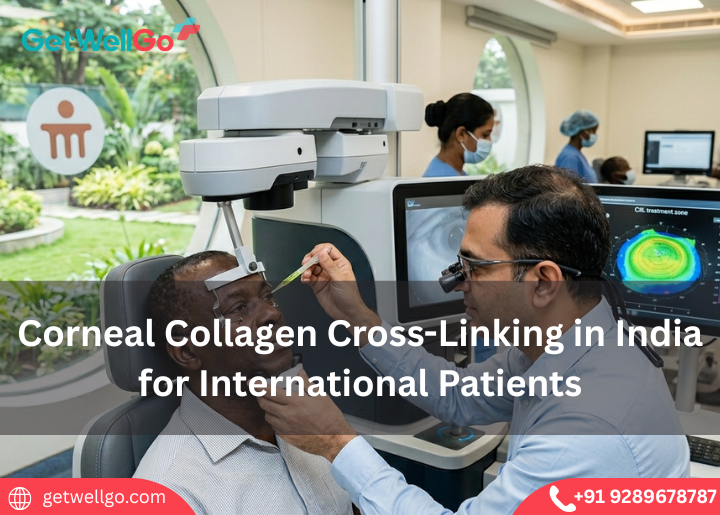
Experience advanced Corneal Collagen Cross-Linking in India to stabilize keratoconus and protect your sight, with full medical visa help from our travel team.
Read More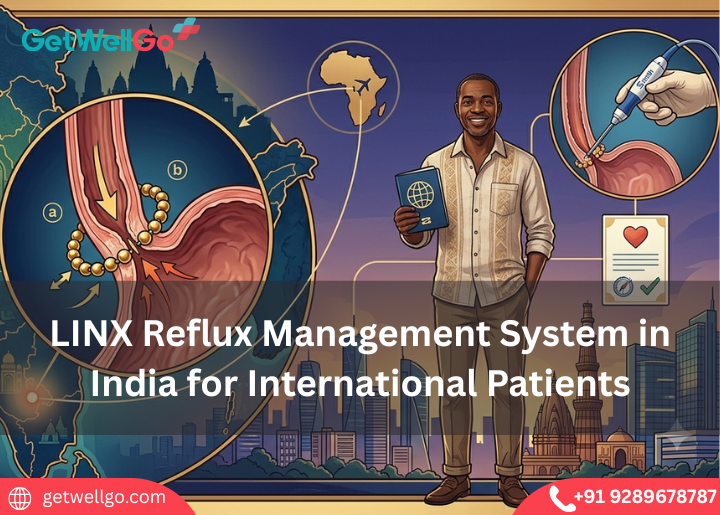
Experience the LINX Reflux Management System in India to stop severe heartburn using a tiny magnetic ring, fully organized by our fast-track medical visa team.
Read More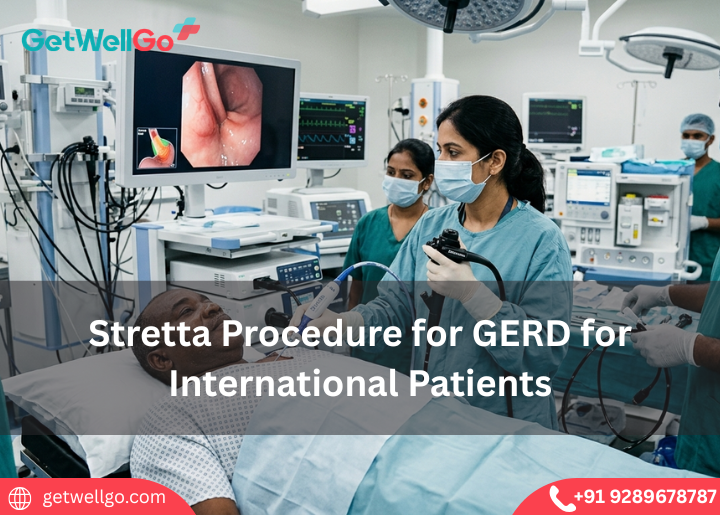
Experience advanced Stretta Procedure for GERD in India to eliminate chronic acid reflux without surgery, completely managed by our fast-track medical visa team
Read More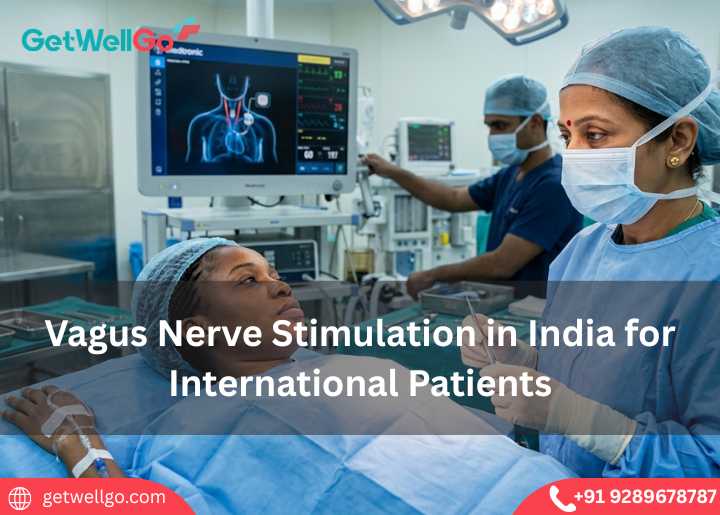
Get advanced vagus nerve stimulation treatment in India with expert care, modern hospitals, and affordable options for international patients.
Read More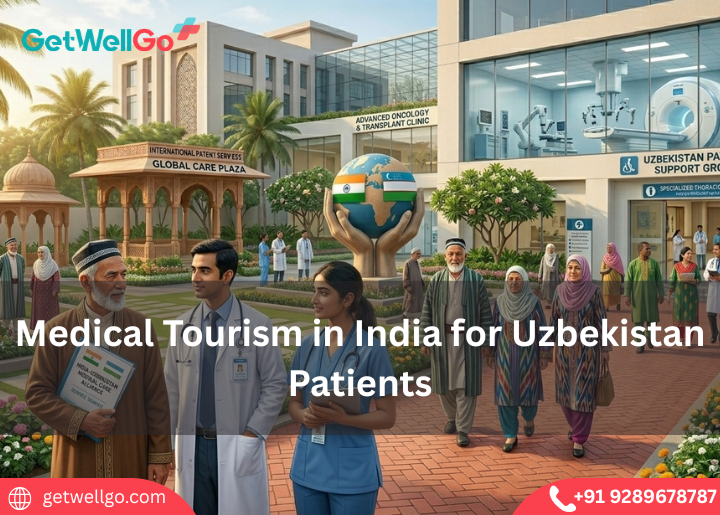
Medical tourism in India for Uzbekistan Patients made easy. GetWellGo handles your top-tier surgery, Uzbek translator, and a safe, warm home for your family.
Read More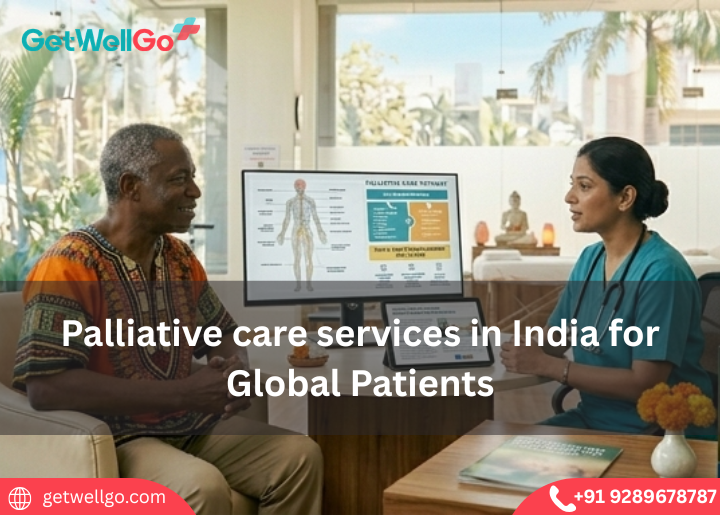
Palliative care services in India focus on your comfort and peace of mind. GetWellGo handles the expert pain relief, visa, and a serene, private home to heal.
Read More
Get reliable visa assistance for medical travel to India. Support with documentation, approvals, and a smooth entry process for global patients.
Read More
Transjugular Intrahepatic Portosystemic Shunt in India stops dangerous liver bleeding. GetWellGo handles your top specialist, visa, and a safe, cozy stay.
Read More
Keratoconus Treatment in India stops your vision from getting worse. GetWellGo handles your advanced eye care, visas, and a safe trip to save your sight.
Read More
Implantable Collamer Lens in India lets you ditch thick glasses forever. GetWellGo handles your expert eye doctor, flights, and a clear-vision holiday.
Read More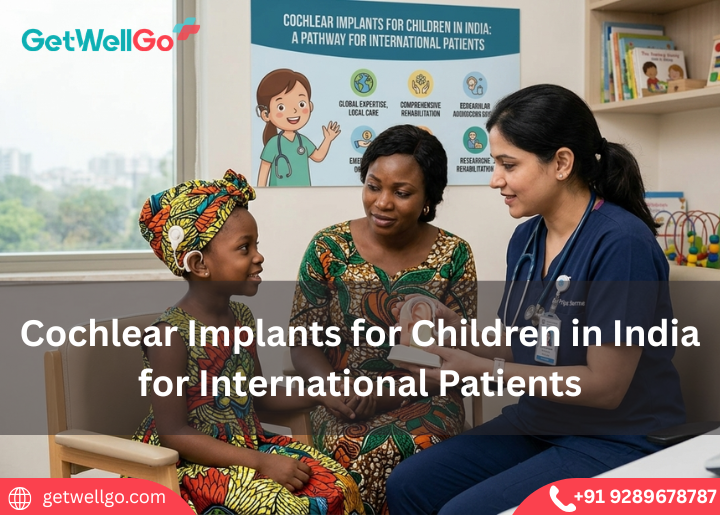
Cochlear Implants for Children in India opens a world of sound. We at GetWellGo plan your affordable ear surgery, airport pickup, and safe family trip.
Read More