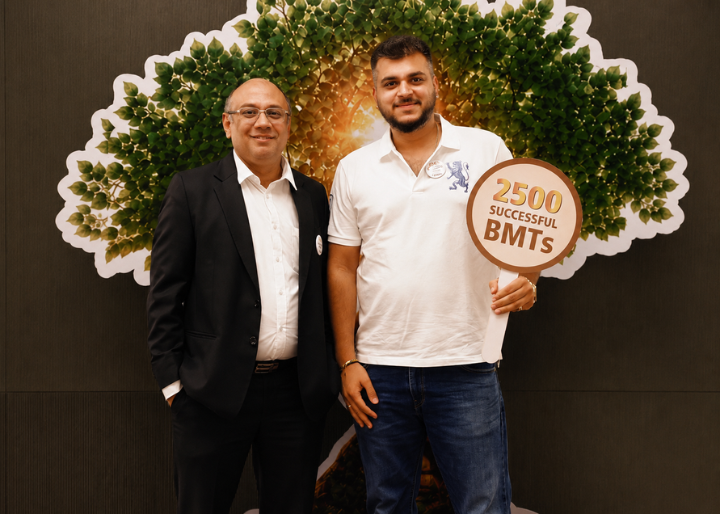
Historic Milestone: FMRI Celebrates 2500 Successful Bone Marrow Transplants
Celebrate a historic milestone of 2500 successful Bone Marrow Transplant at Fortis Gurgaon procedures, backed by our complete international patient visa care.
Read More
Experience advanced Corneal Collagen Cross-Linking in India to stabilize keratoconus and protect your sight, with full medical visa help from our travel team.
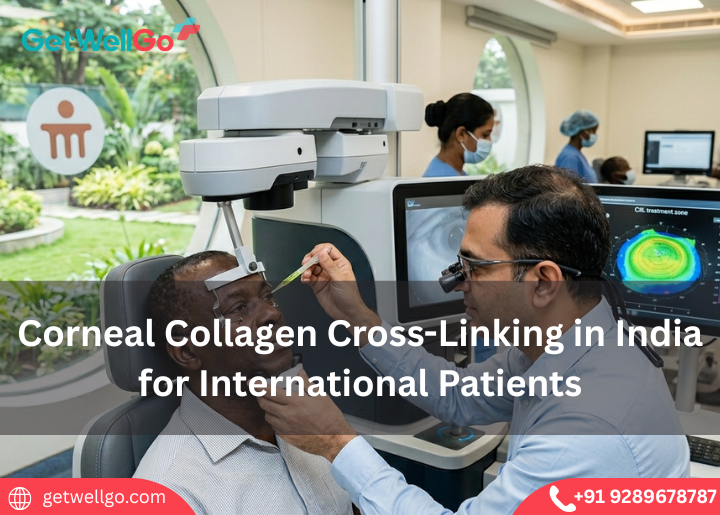
Corneal Collagen Cross-Linking (CXL) is a minimally invasive treatment to strengthen the cornea and stop disease progression like keratoconus, post-LASIK corneal ectasia etc. The top eye clinics in India with highly skilled eye surgeons and affordable treatment have made India a preferred destination for international patients for Corneal Collagen Cross-Linking.
The ophthalmologist will also do an overall evaluation prior to the surgery to make sure that you are an appropriate candidate for corneal cross-linking. This typically includes:
Procedure Steps:
Corneal collagen cross linking is a treatment for cornea and slow or stop the progression of keratoconus and other corneal ectatic disorders. With state of the art ophthalmic facilities and experienced corneal surgeons, India has become the hub for international patients for affordable and high quality eye care. Early detection and timely treatment of keratoconus with corneal cross-linking may save one’s vision, and may also reduce the risk for corneal transplants altogether. On the whole, patients can expect long-lasting corneal stability and an improved quality of life by choosing a trusted eye centre and commitment to proper postoperative care.
GetWellGo is regarded as a leading supplier of healthcare services. We help our foreign clients choose the best treatment locations that suit their needs both financially and medically.
We offer:
Celebrate a historic milestone of 2500 successful Bone Marrow Transplant at Fortis Gurgaon procedures, backed by our complete international patient visa care.
Read More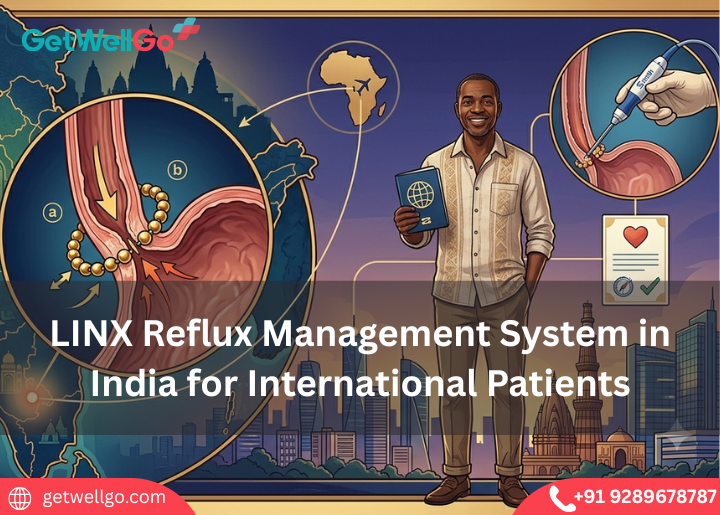
Experience the LINX Reflux Management System in India to stop severe heartburn using a tiny magnetic ring, fully organized by our fast-track medical visa team.
Read More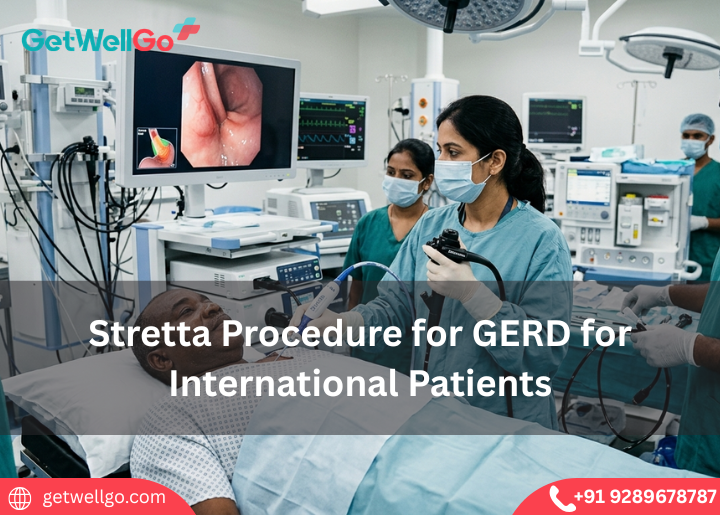
Experience advanced Stretta Procedure for GERD in India to eliminate chronic acid reflux without surgery, completely managed by our fast-track medical visa team
Read More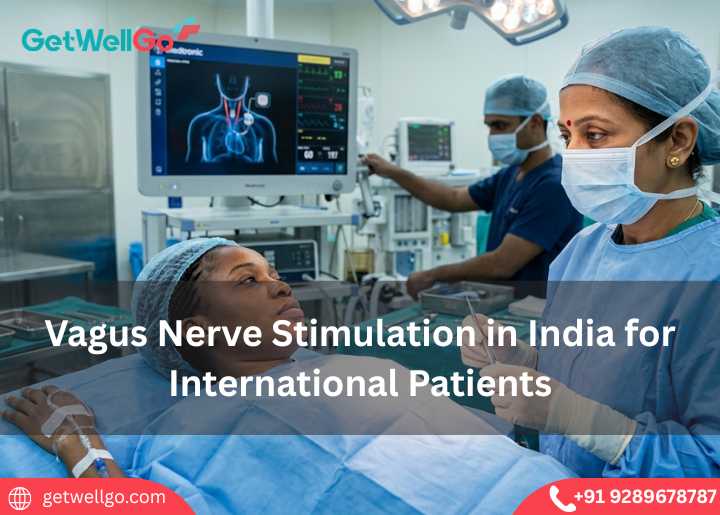
Get advanced vagus nerve stimulation treatment in India with expert care, modern hospitals, and affordable options for international patients.
Read More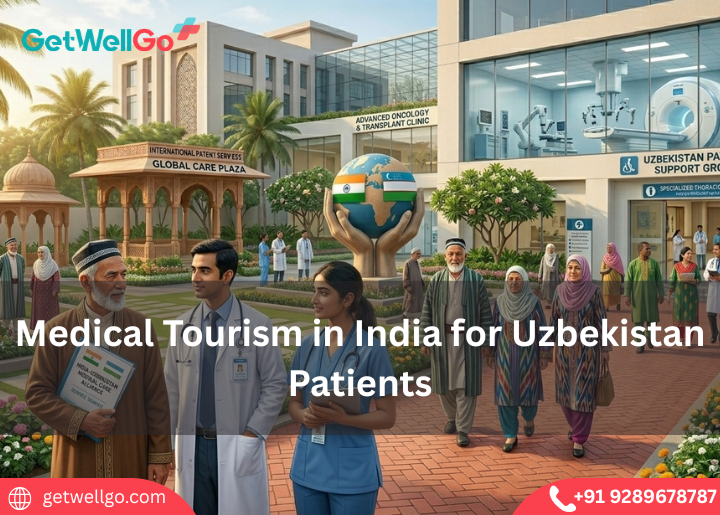
Medical tourism in India for Uzbekistan Patients made easy. GetWellGo handles your top-tier surgery, Uzbek translator, and a safe, warm home for your family.
Read More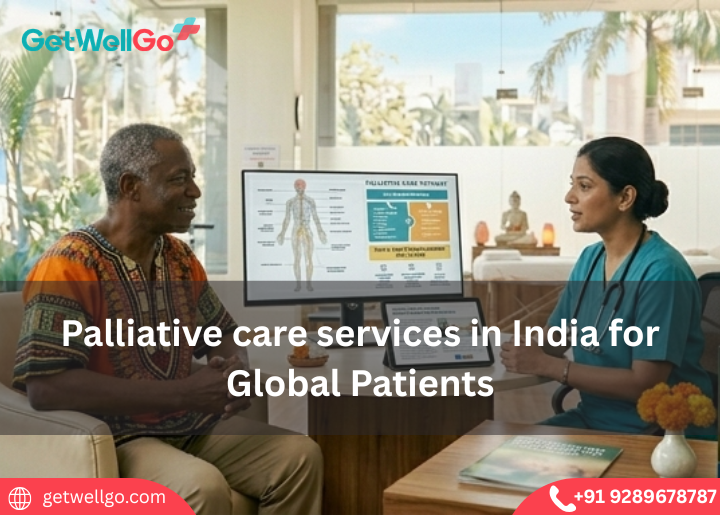
Palliative care services in India focus on your comfort and peace of mind. GetWellGo handles the expert pain relief, visa, and a serene, private home to heal.
Read More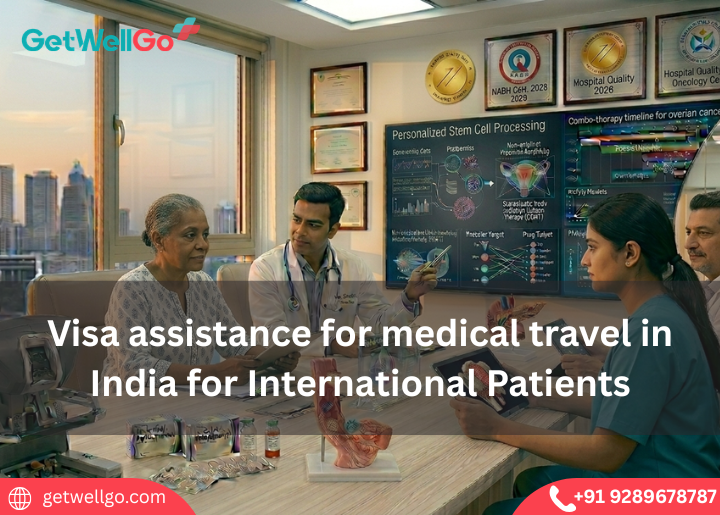
Get reliable visa assistance for medical travel to India. Support with documentation, approvals, and a smooth entry process for global patients.
Read More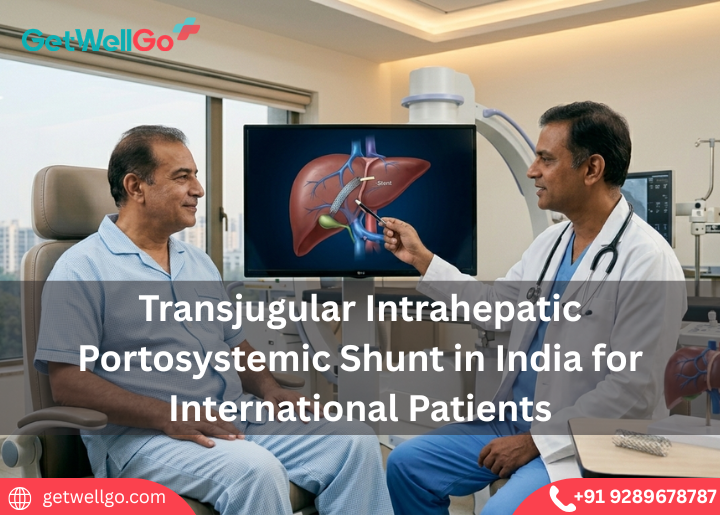
Transjugular Intrahepatic Portosystemic Shunt in India stops dangerous liver bleeding. GetWellGo handles your top specialist, visa, and a safe, cozy stay.
Read More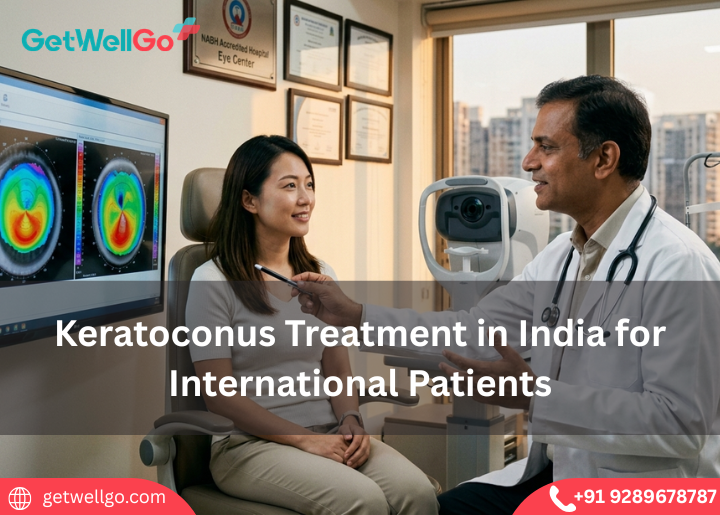
Keratoconus Treatment in India stops your vision from getting worse. GetWellGo handles your advanced eye care, visas, and a safe trip to save your sight.
Read More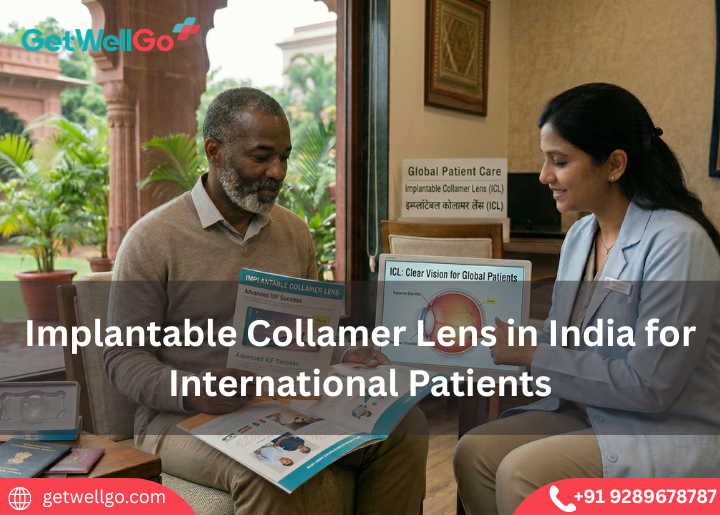
Implantable Collamer Lens in India lets you ditch thick glasses forever. GetWellGo handles your expert eye doctor, flights, and a clear-vision holiday.
Read More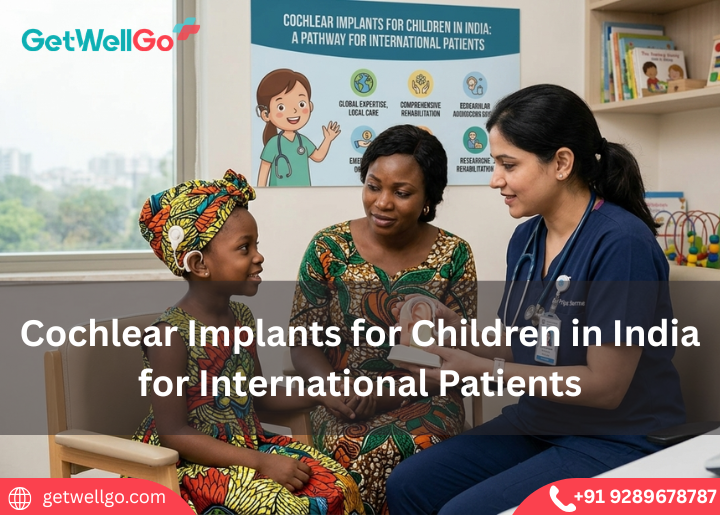
Cochlear Implants for Children in India opens a world of sound. We at GetWellGo plan your affordable ear surgery, airport pickup, and safe family trip.
Read More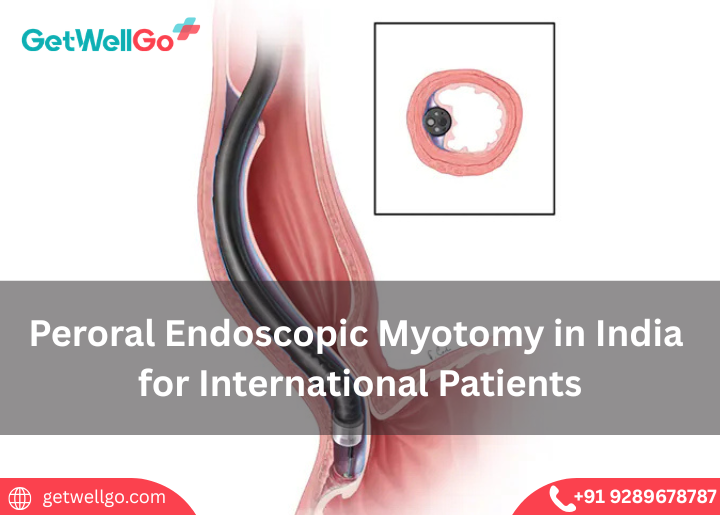
Peroral Endoscopic Myotomy in India lets you swallow food easily again. GetWellGo books your top stomach doctor, visa, and a safe stay for quick healing.
Read More