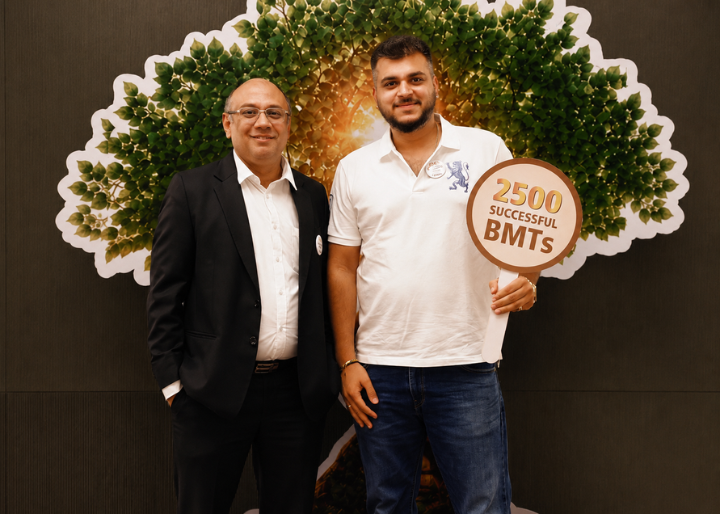
Historic Milestone: FMRI Celebrates 2500 Successful Bone Marrow Transplants
Celebrate a historic milestone of 2500 successful Bone Marrow Transplant at Fortis Gurgaon procedures, backed by our complete international patient visa care.
Read More
Transjugular Intrahepatic Portosystemic Shunt in India stops dangerous liver bleeding. GetWellGo handles your top specialist, visa, and a safe, cozy stay.
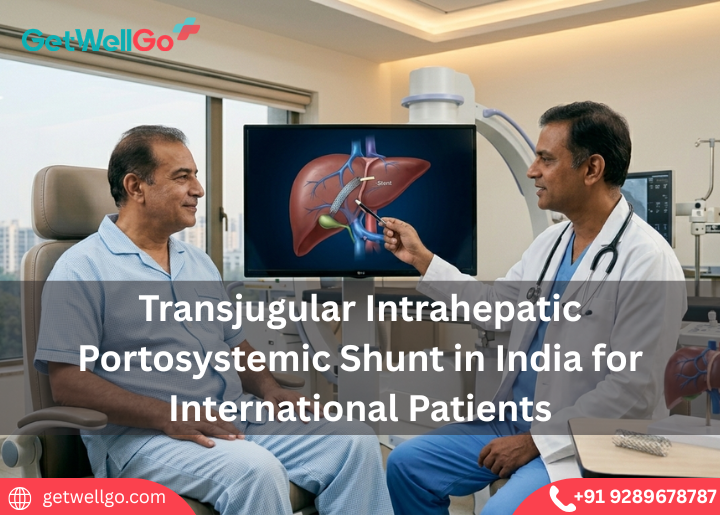
This shunt is made in the liver which connects two veins using a stent. This aids in diversion of blood and decreased pressure in the liver. It is usually conducted by interventional radiologists under imaging guidance.
TIPS is indicated in case complications of liver disease have become uncontrollable by medicines or endoscopic therapy.
Step-by-step:
The following are the major aspects that determine the total cost:
Liver severity (cirrhosis) Advanced.
Existence of complications such as:
The cirrhosis leads to scarring of the liver that prevents the flow of normal blood leading to portal hypertension (high pressure in the portal vein). TIPS constructs a by-pass (shunt) within the liver with the help of stent to join portal vein and hepatic vein, lowering this pressure and enhancing blood circulation. This assists in avoiding life threatening complications without open surgery.
TIPS can be advised in progressive or compensated cirrhosis particularly when the conventional treatment fails.
Main Indications:
Portal hypertension (the majority of it is related to liver cirrhosis) demands a progressive approach to treatment in India, including the use of medications and some more complicated procedures, such as Transjugular Intrahepatic Portosystemic Shunt (TIPS).
Depending on the severity, complications, and liver functioning is treated. The main goal is to:
Medications
Endoscopic Therapy
What is TIPS?
Transjugular Intrahepatic Portosystemic Shunt (TIPS) is a minimally invasive process with image guidance which involves:
The Transjugular Intrahepatic Portosystemic Shunt (TIPS) in India has proved to be one of the most effective, minimum invasive interventions that can be undertaken to control severe complications of portal hypertension in patients with advanced liver disease. India has an equivalent outcome to the international level with the presence of advanced interventional radiology procedures, trained professionals, and affordable treatment procedures. Although TIPS is not a curative agent against underlying liver cirrhosis, it is the vital component in the management of life-threatening complications like variceal bleeding and refractory ascites and in many cases, it is used as a transition to liver transplantation. The selection of patients, stent technology, and follow-up procedures should be closely followed to achieve success in the long run and reduce complications to a minimum. Generally, TIPS in India is a safe and accessible and life-saving intervention that can greatly benefit patient survival and quality of life when done at the appropriate time and in the appropriate clinical environment.
GetWellGo is regarded as a leading supplier of healthcare services. We help our foreign patients choose the best treatment locations that suit their needs both financially and medically.
We offer:
Celebrate a historic milestone of 2500 successful Bone Marrow Transplant at Fortis Gurgaon procedures, backed by our complete international patient visa care.
Read More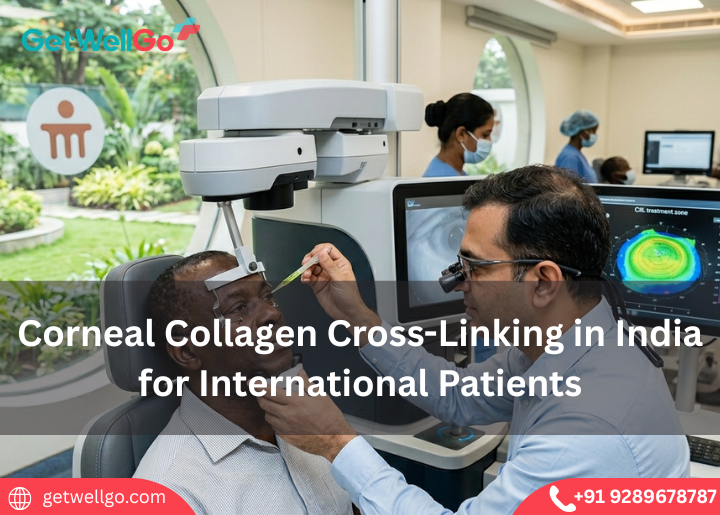
Experience advanced Corneal Collagen Cross-Linking in India to stabilize keratoconus and protect your sight, with full medical visa help from our travel team.
Read More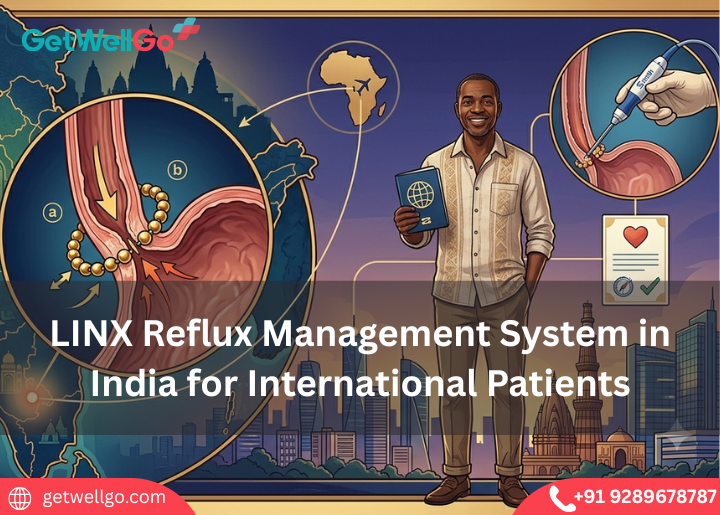
Experience the LINX Reflux Management System in India to stop severe heartburn using a tiny magnetic ring, fully organized by our fast-track medical visa team.
Read More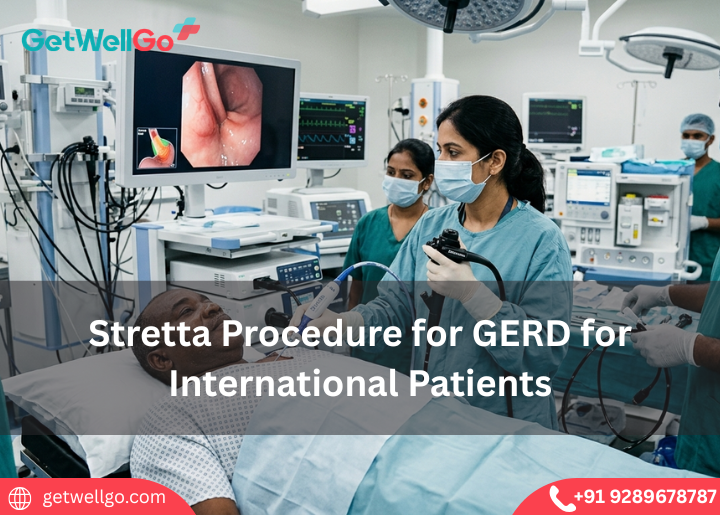
Experience advanced Stretta Procedure for GERD in India to eliminate chronic acid reflux without surgery, completely managed by our fast-track medical visa team
Read More
Get advanced vagus nerve stimulation treatment in India with expert care, modern hospitals, and affordable options for international patients.
Read More
Medical tourism in India for Uzbekistan Patients made easy. GetWellGo handles your top-tier surgery, Uzbek translator, and a safe, warm home for your family.
Read More
Palliative care services in India focus on your comfort and peace of mind. GetWellGo handles the expert pain relief, visa, and a serene, private home to heal.
Read More
Get reliable visa assistance for medical travel to India. Support with documentation, approvals, and a smooth entry process for global patients.
Read More
Keratoconus Treatment in India stops your vision from getting worse. GetWellGo handles your advanced eye care, visas, and a safe trip to save your sight.
Read More
Implantable Collamer Lens in India lets you ditch thick glasses forever. GetWellGo handles your expert eye doctor, flights, and a clear-vision holiday.
Read More
Cochlear Implants for Children in India opens a world of sound. We at GetWellGo plan your affordable ear surgery, airport pickup, and safe family trip.
Read More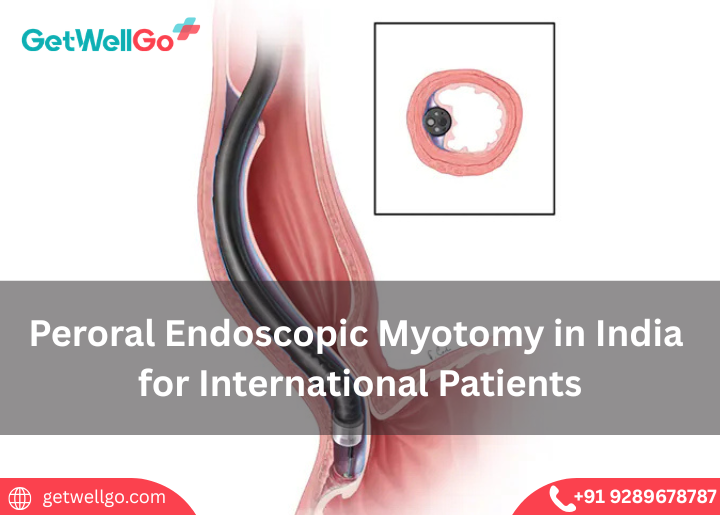
Peroral Endoscopic Myotomy in India lets you swallow food easily again. GetWellGo books your top stomach doctor, visa, and a safe stay for quick healing.
Read More