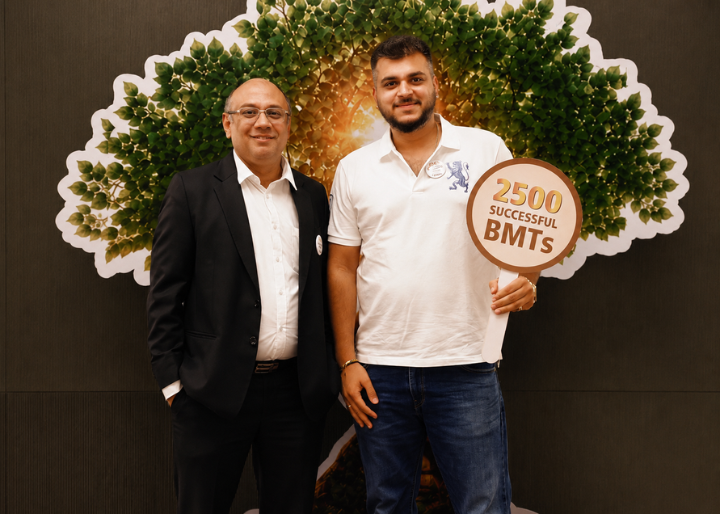
Historic Milestone: FMRI Celebrates 2500 Successful Bone Marrow Transplants
Celebrate a historic milestone of 2500 successful Bone Marrow Transplant at Fortis Gurgaon procedures, backed by our complete international patient visa care.
Read More
How to treat sickle cell anemia in India for Kenyan Patients for good. We provide advanced bone marrow transplants for a permanent cure. Live pain-free.
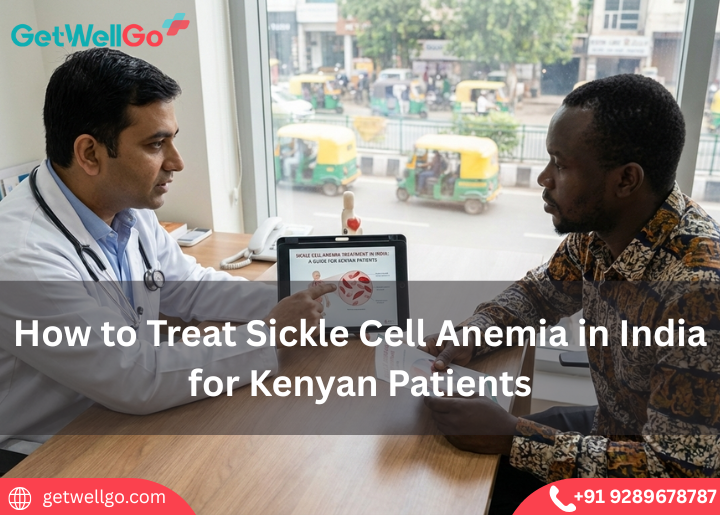
Sickle Cell Anemia (SCA) is treated to lessen symptoms, avoid complications, and enhance the quality of life. Even though the disease does not have a universal cure, some medications may help considerably diminish the consequences of the disease. In other instances, bone marrow (stem cell) transplant is a cure.
Hydroxyurea
Painkillers
Fibre supplements Boosters of flour-based supplements
Aids in the formation of red blood cells that are healthy
Antibiotics
Administered to children so as to prevent infections, particularly pneumonia
L-glutamine (Endari)
Lessens oxidative stress and crises rate
Voxelotor
Increased hemoglobin levels; reduced hemolysis
Crizanlizumab
Monoclonal antibody to lessen incidences of pain attack
Used to:
Sickle cell anemia (SCD) is a pathological disease of the blood which is hereditary in nature; the blood cells (red blood cells) are sickle-shaped and results in chronic anemia, painful attacks, infections, injuries to organs among other complications. Early diagnosis and management are a great improvement in terms of quality of life and minimization of mortality.
India has various types of treatment of sickle cell disease, including supportive treatment as well as more complex curative treatments:
The following treatment seeks to minimize the symptoms and complicate prevention:
Some of the more sophisticated methods under study or pilot development are:
Gene editing (such as CRISPR-Cas9) cures to fix the underlying genetic mutation - which is now experimental.
The international patients, including the Kenyans, have started going to India because of:
The following are the key determinants of the cost of a stem cell / bone marrow transplant in India in case of sickle cell disease:
Allogeneic (donor) transplant - the most common treatment used to treat sickle cell is much more costly than autologous (self) due to testing of donors, HLA typing, harvesting and storage of cells.
Within allogeneic:
Patients prior to transplant are subjected to:
These examinations are usually repeated and add up to the final bill particularly in the case of foreign patients.
Patients normally require:
These recurring drugs and follow-ups may add significant expenses to the overall bill.
In children, sickle cell anemia usually starts to show its effects at about 5 to 6 months of age. Here's what occurs:
Early signs:
Sickle cell disease is a chronic inherited blood disorder, but with early diagnosis, appropriate management and availability of modern therapeutic options, patients can have a longer and better quality life. For Kenyan patients, India provides the entire spectrum of sickle cell care – conventional medical treatment with drugs, transfusions, and preventive care, to sophisticated curative modalities such as bone marrow or stem cell transplantation. The skilled hematologists, world-class hospitals and the low treatment price in India make it an ideal option for pediatric as well as adult care of sickle cell disease. Supportive therapies are the most important treatment option for the majority of patients and transplant may be curative for selected patients (particularly children who find matched donors). With routine follow-up, lifestyle advice and emerging treatments in sight, India offers Kenyan patients a dependable, all-encompassing and positive route for controlling and curing sickle cell anemia.
GetWellGo is regarded as a leading supplier of healthcare services. We help our Kenyan patients choose the best treatment locations that suit their needs both financially and medically.
We offer:
Celebrate a historic milestone of 2500 successful Bone Marrow Transplant at Fortis Gurgaon procedures, backed by our complete international patient visa care.
Read More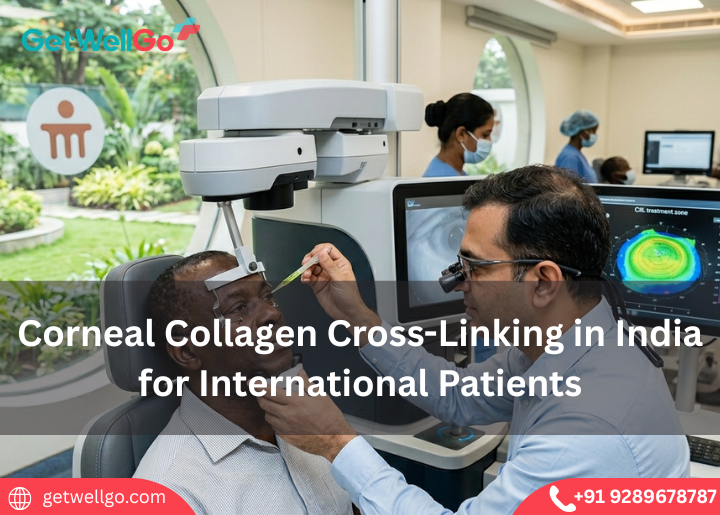
Experience advanced Corneal Collagen Cross-Linking in India to stabilize keratoconus and protect your sight, with full medical visa help from our travel team.
Read More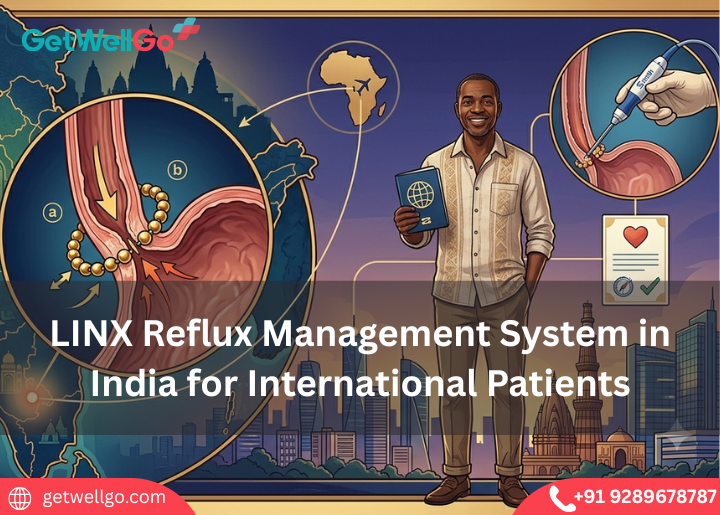
Experience the LINX Reflux Management System in India to stop severe heartburn using a tiny magnetic ring, fully organized by our fast-track medical visa team.
Read More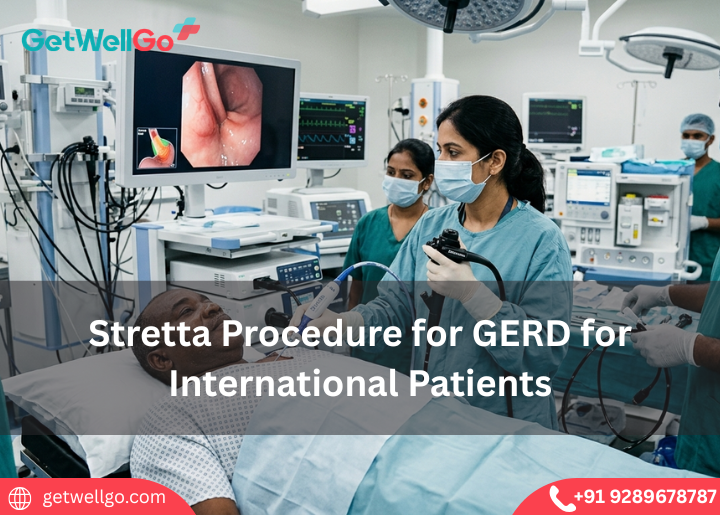
Experience advanced Stretta Procedure for GERD in India to eliminate chronic acid reflux without surgery, completely managed by our fast-track medical visa team
Read More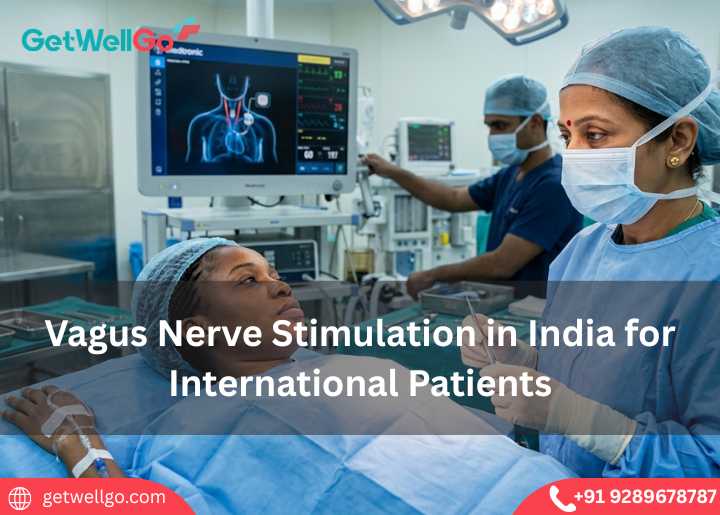
Get advanced vagus nerve stimulation treatment in India with expert care, modern hospitals, and affordable options for international patients.
Read More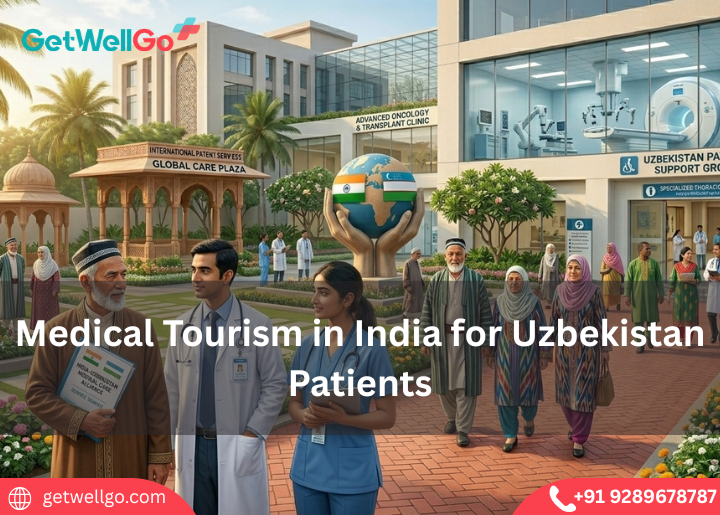
Medical tourism in India for Uzbekistan Patients made easy. GetWellGo handles your top-tier surgery, Uzbek translator, and a safe, warm home for your family.
Read More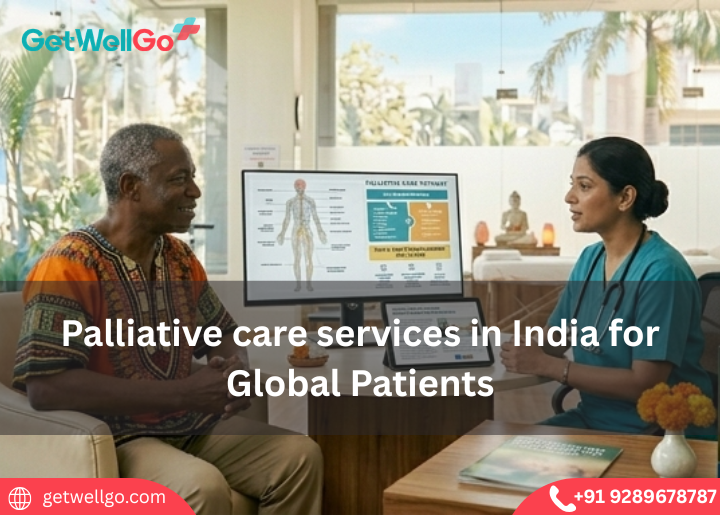
Palliative care services in India focus on your comfort and peace of mind. GetWellGo handles the expert pain relief, visa, and a serene, private home to heal.
Read More
Get reliable visa assistance for medical travel to India. Support with documentation, approvals, and a smooth entry process for global patients.
Read More
Transjugular Intrahepatic Portosystemic Shunt in India stops dangerous liver bleeding. GetWellGo handles your top specialist, visa, and a safe, cozy stay.
Read More
Keratoconus Treatment in India stops your vision from getting worse. GetWellGo handles your advanced eye care, visas, and a safe trip to save your sight.
Read More
Implantable Collamer Lens in India lets you ditch thick glasses forever. GetWellGo handles your expert eye doctor, flights, and a clear-vision holiday.
Read More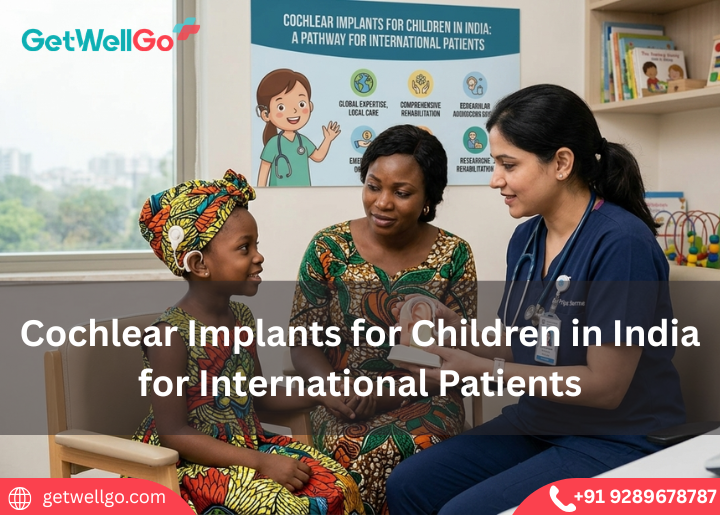
Cochlear Implants for Children in India opens a world of sound. We at GetWellGo plan your affordable ear surgery, airport pickup, and safe family trip.
Read More