
Historic Milestone: FMRI Celebrates 2500 Successful Bone Marrow Transplants
Celebrate a historic milestone of 2500 successful Bone Marrow Transplant at Fortis Gurgaon procedures, backed by our complete international patient visa care.
Read More
GetWellGo helps Kenyan patients manage sickle cell anemia during pregnancy in India, providing high-quality medical care, counseling, and end-to-end assistance.

Sickle cell anemia is a hereditary disease that causes volume depletion in red blood cells. Typically round and flexible, red blood cells become rigid, forming a crescent or sickle shape in SCA. These abnormally shaped cells can block blood flow, which causes pain, organ damage, and a greater vulnerability to infections.
Pregnancy and sickle cell anemia is high-risk as both mother and fetus have higher chances to suffer complications. But close medical supervision and care, pregnancy in women with SCA is feasible and most of them are able to have successful pregnancies.
Sickle Cell Anemia and Pregnancy are interrelated because pregnancy puts more strain on the body and can worsen SCA problems. Conversely, pregnancy is impacted by Sickle cell anemia by the things it has an effect on such as blood flow, oxygen levels and organ functions.
This synchronization means:
Increasing Vigourous Prenatal Physical Demand
Placental and Vascular Complications
Sickle cells are sticky, and tend to clog blood vessels
Can reduce placental blood flow during pregnancy causing:
Impaired Immunity and Infectious Diseases
Complications Asset Preeclampsia, Haemorrhage, Thrombocytopenia
Genetic Link
SCA is inherited. An expectant mother with SCA can pass the gene to her child.
If both parents have the sickle cell trait, there's a:
High-risk pregnancy is observed in women with sickle cell anemia (HbSS), as well as other severe forms of SCD. Tertiary care centers in India provide combined services of hematology and maternal-fetal medicine where Kenyan patients, which usually harbour more severe genotypes, are given.
Sickle cell anemia and pregnancy risks Kenya India are:
Here are the factors influencing the cost of care for pregnant women with SCA in India:
Disease Severity and Personal Risk Factors
Type of Healthcare Facility
For privately operated tertiary hospitals (e.g. multispecialty centres in larger Indian cities), the hospital would be more expensive than state/government hospitals, and possibly more widely provide SCA pregnancy programmes.
Geographical and logistical constraints
Diagnostic & Genetic Testing
Genetic counselling/testing, screening of partners to understand their carrier status, and prenatal diagnosis of SCA are added to initial expenses and may aid in care planning and minimize future complications.
Management of Emergencies and Complications
Hospitalization, blood products, and other times critical care is crisis management needs that are significant cost drivers particularly in pregnancy.
Duration of Stay & Follow-Up
The cumulative costs that arise due to long hospitalization or repeated follow-ups of SCA-related pregnancy complications are immense as compared to those accrued in case of a healthy pregnancy.
This is an in-depth, India-based education on high-risk sickle cell anemia (SCA), and treatment of pregnancy in India:
High-Risk Classification
Sickle cell anemia pregnancy is treated as a high-risk pregnancy as it greatly endangered maternal and fetal complications such as:
In-depth care usually entails:
Compared to IVF or a surgical procedure, where the outcome is binary (success or failure), pregnancy where the zygote is affected by sickle cell anemia is considered because of the following outcomes:
The normal conditions of a healthy baby and mother without any severe complications are usually regarded as a success, rather than only biochemical evidence of pregnancy.
In women with sickle cell anemia, live births without a fatal outcome were observed to be successful (around 84.4%), when they were treated in a hospital environment.
Pregnancy in sickle cell anemia (SCA) woman is undoubtedly high risk. For Kenyan patients who come to India for treatment, the advanced medical facilities, experienced hematology teams, and high-risk obstetric services are enabling increasingly successful pregnancy outcomes. Impaired oxygen delivery, vascular occlusion, heightened risk of infection, and genetic transfer is all ways in which sickle cell anemia impacts pregnancy. These contribute to an increased incidence of maternal complications (e.g. vaso-occlusive crises [VOC], severe anemia, acute chest syndrome [ACS], hypertension and multi-organ dysfunction) and fetal complications (e.g. preterm delivery, low birth weight [LBW], intra-uterine growth restriction [IUGR] and stillbirth). Elevated risks for labor and delivery and minor procedures also necessitate close observation and special considerations. Majority of females with SCA can have successful pregnancy outcome with early detection and close antenatal supervision by a multidisciplinary team and delivery at a tertiary care institution. Although pregnancy risks are greatly increased with sickle cell anemia, India provides a feasible and result-oriented treatment set-up for patients from Kenya. With organized care, individual risk assessment, and ongoing surveillance, the majority of pregnant women with SCA can successfully carry a pregnancy to term and have a healthy baby, thus converting a historically high risk situation into one with positive, attainable outcomes.
GetWellGo is regarded as a leading supplier of healthcare services. We help Kenyan patients choose the best treatment locations that suit their needs both financially and medically.
We offer:
Celebrate a historic milestone of 2500 successful Bone Marrow Transplant at Fortis Gurgaon procedures, backed by our complete international patient visa care.
Read More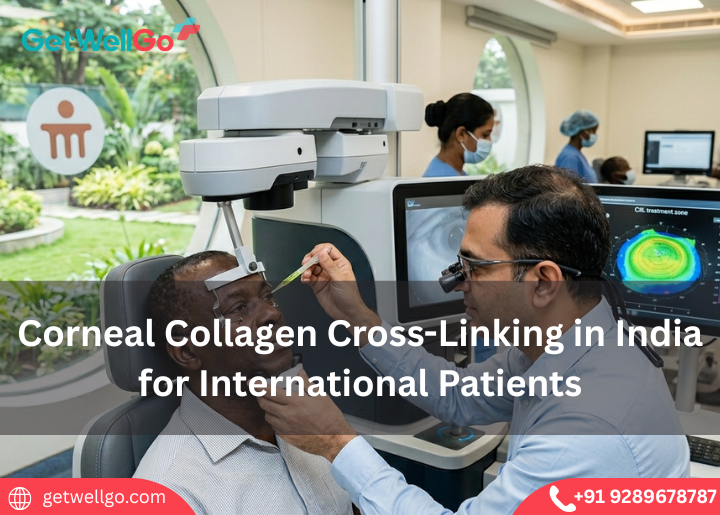
Experience advanced Corneal Collagen Cross-Linking in India to stabilize keratoconus and protect your sight, with full medical visa help from our travel team.
Read More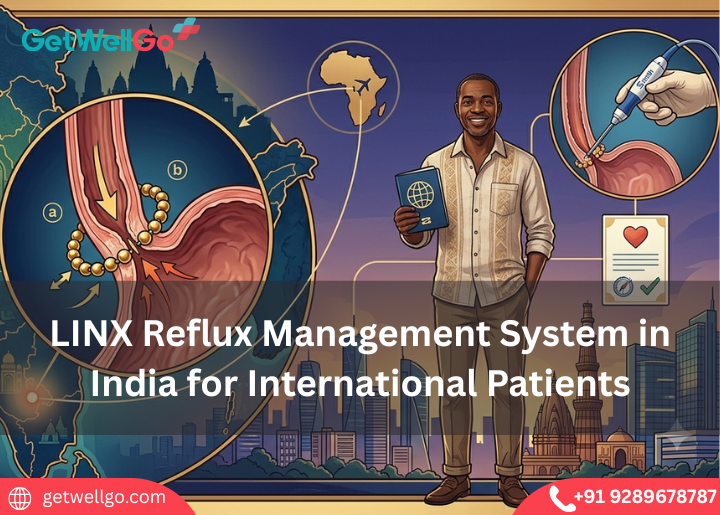
Experience the LINX Reflux Management System in India to stop severe heartburn using a tiny magnetic ring, fully organized by our fast-track medical visa team.
Read More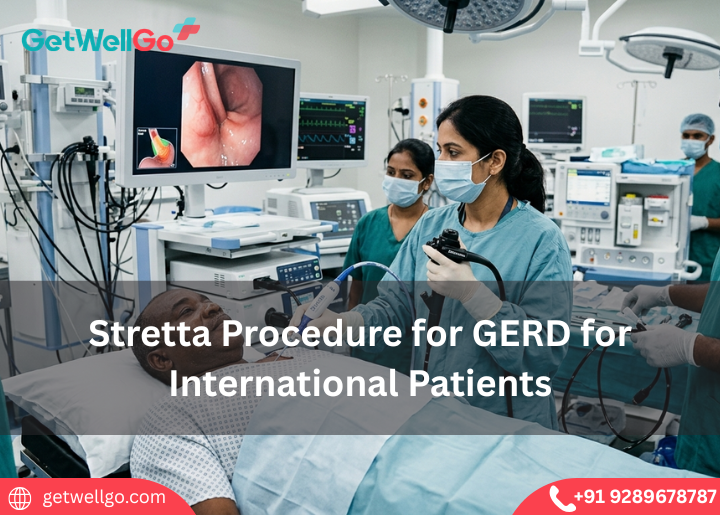
Experience advanced Stretta Procedure for GERD in India to eliminate chronic acid reflux without surgery, completely managed by our fast-track medical visa team
Read More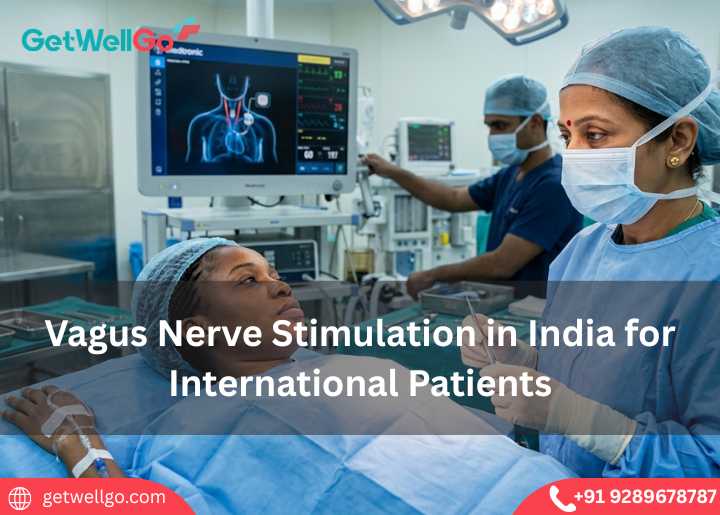
Get advanced vagus nerve stimulation treatment in India with expert care, modern hospitals, and affordable options for international patients.
Read More
Medical tourism in India for Uzbekistan Patients made easy. GetWellGo handles your top-tier surgery, Uzbek translator, and a safe, warm home for your family.
Read More
Palliative care services in India focus on your comfort and peace of mind. GetWellGo handles the expert pain relief, visa, and a serene, private home to heal.
Read More
Get reliable visa assistance for medical travel to India. Support with documentation, approvals, and a smooth entry process for global patients.
Read More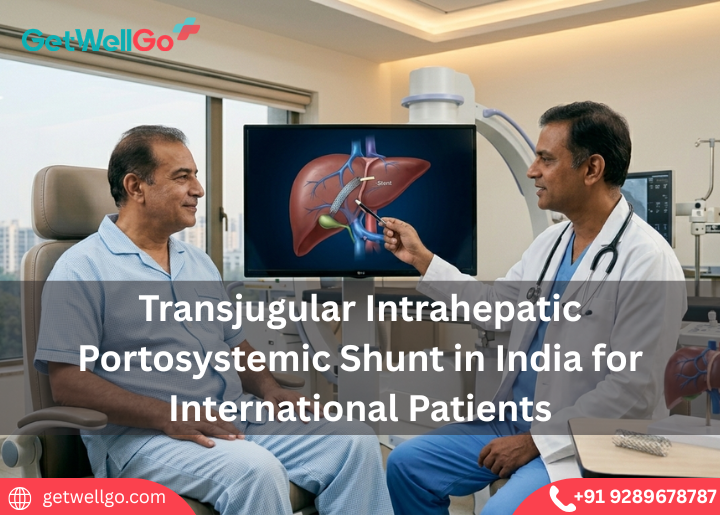
Transjugular Intrahepatic Portosystemic Shunt in India stops dangerous liver bleeding. GetWellGo handles your top specialist, visa, and a safe, cozy stay.
Read More
Keratoconus Treatment in India stops your vision from getting worse. GetWellGo handles your advanced eye care, visas, and a safe trip to save your sight.
Read More
Implantable Collamer Lens in India lets you ditch thick glasses forever. GetWellGo handles your expert eye doctor, flights, and a clear-vision holiday.
Read More
Cochlear Implants for Children in India opens a world of sound. We at GetWellGo plan your affordable ear surgery, airport pickup, and safe family trip.
Read More