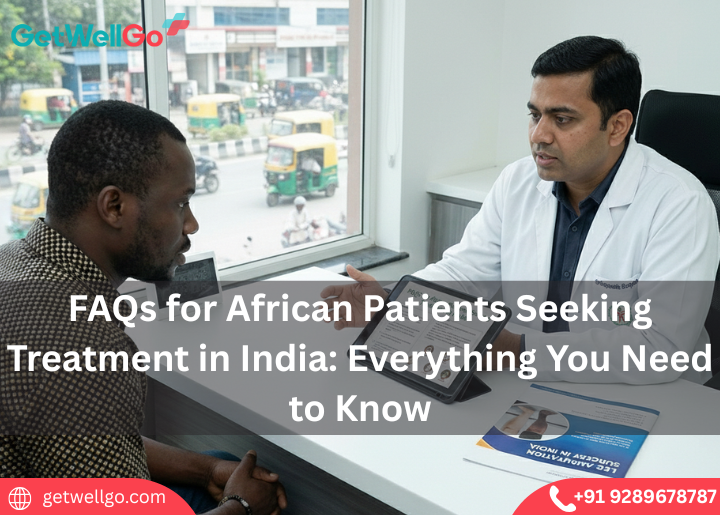
FAQs for African Patients Seeking Treatment in India: Everything You Need to Know
FAQs for African Patients Seeking Treatment in India answers key questions on visa processes, affordable cancer/organ transplant packages, English-speaking doctors, direct flights from Nigeria/Kenya/South Africa, and medical tourism support.
In order to facilitate medical service providers and the patients, the Indian government issues a special visa known as the Medical Visa (MED Visa).
It also has a Medical Attendant Visa which permits a family member or caregiver of the ill to travel with the patient.
Who can apply?
Any foreign national patient of any nationality e.g. like African countries such as Nigeria, Kenya, South Africa, Ethiopia, Zimbabwe, Tanzania, etc. is allowed to apply in case they wish to get medical treatment in India.
The treatment should be booked with a well-known/specialized hospital or medical facility in India.
The patient may be accompanied by up to two attendants (family members), who will need to make separate applications to obtain Medical Attendant Visas.
Which documents do you need?
Normally mandatory:
Passport (normally within a 6 month period of intended stay)
Visa application form (online or at Embassy)
New passport-size photographs
Invitation Letter (letterhead, with treatment plan, etc.) Indian hospital medical
Medical records / prescription of doctor to prove that s/he needs treatment in foreign country
For some African countries
Enhanced certification (e.g., Yellow Fever and Oral Polio) may be required, when notified by the Indian health/immigration officials.
How to apply?
Online (if you qualify for e-Visa):
Go to the official Indian e- Visa portal and choose Medical Visa (in the case it exists).
Complete application and attach documents.
Pay visa fees online.
Obtain your Electronic Travel Authorization (ETA) via email.
Visit India and just get your visa stamped on arrival.
Offline:
Application + documents to be submitted at the Indian Embassy/Consulate in the country of application.
Participate in interview (where necessary) and remit fees.
Collect visa once processed.
What is the length of Medical Visa?
An e- visa Medical Visa usually lasts between 60 days, and typically three entries can be made in these 60 days.
In others, 6 months or 1 year visas can be provided, based on the decision of the consular and the treatment requirements.
What is the duration of Processing?
e-Visa: It is not only smooth most of the times, but also quick with 2-7 days business days taken depending on the documents provided.
Embassy application: May require more time - ask local mission.
Factors Affecting Treatment cost India for Africans
A simple and easy to understand patient oriented guide to the key factors that influence medical treatment prices in India in regards to African patients:
Type of Medical Treatment
Prices of different treatments differ considerably:
Low: consultation, diagnostics, dental work, small operations.
Expensive: Treatment for cancer, heart surgery, and organ transplants, neurosurgery, stem cell therapy.
Hospital Choice and accreditation
Hospitals with Multi-specialty and International (JCI/NABH Accredited) tend to be more expensive.
In-between private hospitals tend to be less expensive.
The hospitals providing the international patient packages might provide airport pick-up, translators and coordinators, which may add up to the total cost.
City & Location in India
The cost of treatment depends on the city:
Expensive cities: Costly
Cheap cities: Low costs
Doctor & Surgeon Expertise
The extremely skilled or foreign trained professionals tend to be very expensive.
Top-level consultants and famous surgeons give rise to the general price of treatment.
Stage & Severity of Condition
Early diagnosis = lower cost
More complicated or severe cases might need:
ICU care
Longer hospital stays
Further examinations and retesting.
All these make expenses to be very high.
Length of Hospital Stay
Costs rise with:
More days in the hospital
ICU vs. regular ward stay
After surgery follow up and recovery.
Room Type & Comfort Level
Room options have daily fee impacts:
General ward (lowest cost)
Semi-private room
Private room (highest cost)
International suites (premium pricing)
Equipments and Technology
Robotic surgery
Sophisticated imaging (PET scan, 3T MRI, digital cath laboratories)
There are imported implants or prosthetics.
These augment procedure and hospital bills.
Diagnostic Testing and Tests before Starting Treatment
Includes:
Blood tests
CT/MRI scans
Biopsies
Clearance: Cardiac and anaesthesia.
Increase in the number of tests = increase in the total cost.
Drugs and Medical Workings
Imported medicines
Specialized cancer drugs
Implant, stent, artificial joint, or graft.
These may constitute a big portion of the treatment bill.
Visa, Travel & Stay Expenses
Not within the scope of hospital billing but has an impact on overall budget:
Medical visa fees
Airfares between Africa and India.
Attendant hotel/guest house.
Local transport and meals
Care and monitoring after treatment
Physiotherapy
Dialysis
Chemotherapy sessions
After-effects scans and visits.
Long-term care raises the cost of total treatment.
Why would African patients go to India to get medical attention?
In comparison with the whole of Europe, Middle East, and the US, India provides cheaper healthcare services yet of high quality, hospitals which are internationally accredited as well as experienced English speaking doctors, modern technology as well as reduced waiting time.
In what way is it cheaper to treat in India than in Africa or Europe?
Indian treatment may cost 40 to 80 percent less than European, US or Gulf hospital treatment, depending on the procedure and hospital.
There are African and Middle Eastern restaurants in the big cities.
Pure water bottled no tap water.
Money & Payments
Currency
Indian Rupee (INR)
Purchase or sale at airport or authorised forex counters.
Payment Methods
Global credit/debit cards.
Bank transfer
Cash (limited use in hospitals)
Language & Communication
English has a wide spread in hospitals.
Major medical centers have translators in French, Arabic and Swahili.
Communication in hospitals is through WhatsApp only.
Safety and health tips
Carry basic medicines
Avoid street food
Transport recommended by hospital.
Have emergency contacts in your phone.
International patient hospital services
Majority of the major hospitals offer:
Visa extension assistance
Specialized patient coordinators.
Airport transportation services available.
Appointment scheduling
Follow-up care planning
After Treatment & Return Home
Before Departure
Collect discharge summary
Get follow-up plan
Request for electronic medical record.
Establish internet consultation services.
Hospital accreditation India African FAQ
What is hospital accreditation?
Hospital accreditation is an external process of evaluation of the hospital, where standards related to patient safety, quality of care, hygiene, and medical processes are reviewed based on which the hospital is recognized / certified for that given time period. It means that the hospital is periodically audited by a third party.
Why does the accreditation matter to the African patients?
Accredited hospitals offer:
Increased safety standards of patients
Quality healthcare and nursing personnel
Adequate infection control mechanisms.
Open treatment and billing procedures.
Improved management of foreigners
What are the key accreditations of the hospitals in India?
There are two accreditations, the most known are:
NABH (India)
National accreditation Board of Hospitals and health care providers.
The national healthcare quality authority of India.
International insurers and the Indian government.
Provides high quality clinical care, patient rights and safety.
JCI (International)
Joint Commission International (based in USA)
International benchmark of healthcare quality.
International insurance companies and embassies all over the globe.
Widespread in hospitals that have a high number of foreign patients.
Is there an impact of accreditation on the cost of treatment?
Yes, often:
Certified hospitals can offer a little bit more expensive prices.
They are safer, have better facilities, technology, and support to the patient.
Are accredited hospitals of assistance in the case of medical visa?
Yes. Majority of hospitals in NABH /JCI offer:
Invitation letters through medical visa
Treatment cost estimates
Visa Extension (FRRO assistance) Support.
Are there accredited hospitals that offer international patients services?
Usually yes. Services often include:
Take in Airport Pickup & Drop
Language interpreters
Specific international patient coordinators
Assistance on accommodation and changing money
FAQs African patients India GetWellGo
What is GetWellGo?
GetWellGo is a medical tourism company, which helps international patients from Africa to avail quality healthcare in India. They provide consultancy services for pre-therapy visits up to post-therapy follow-up and travel arrangements.
What are the services offered by GetWellGo?
They provide a full-service support such as:
Recommendations by the hospital and physicians
Comprehensive medical examination of your case
Treatment cost estimates.
Trip planning (visit, travel, accommodation)
Reservation of appointments and schedules
Follow-up guidance and post treatment support.
Where do I find quality doctors and hospitals?
GetWellGo analyzes your medical records and recommends the most appropriate doctors and hospitals that are the most suited to your condition. It is also possible to receive a second opinion in order to compare.
Does GetWellGo assure of treatment results?
No. Although partnered hospitals are an excellent care provider, medical outcomes cannot be guaranteed 100 percent, just like any medical intervention. Outcomes and risks will be different depending on the condition.
Does GetWellGo assist in my Medical Visa?
Yes- after deciding on your medical trip, they help in making the invitation letter with the Indian hospital required to apply the visa as well as with the visa.
So what about when I come to India?
Your arrival, airport service, hospital interaction, and transportation are facilitated by a Relationship Manager of GetWellGo. They make sure that the bookings and arrangements are made during your stay.
Is airport pickup included?
Yes - airport pick up and drop off is made and ambulance or air ambulance may be made when required by medical reasons.
What is done with accommodation?
They assist in the bookings of hotels, guesthouses or serviced apartments around the hospital depending on your length of stay and budget.
Will language be a problem?
Indian hospitals have many English-speaking people. In case you require assistance with other languages then they can make an interpreter available.
Is there after treatment support?
Yes. GetWellGo is a follow-up service that is offered in the post-discharge period, such as assistance with consultations and reports, and the ability to schedule a video call with a physician after discharge.
Celebrate a historic milestone of 2500 successful Bone Marrow Transplant at Fortis Gurgaon procedures, backed by our complete international patient visa care.
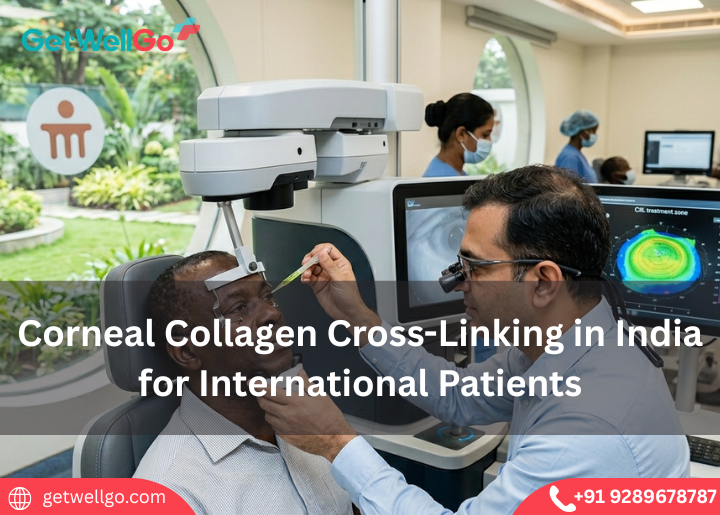
Experience advanced Corneal Collagen Cross-Linking in India to stabilize keratoconus and protect your sight, with full medical visa help from our travel team.
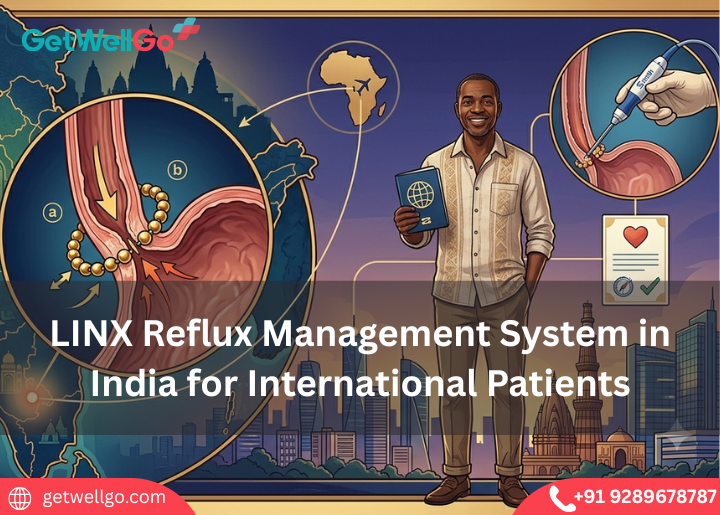
Experience the LINX Reflux Management System in India to stop severe heartburn using a tiny magnetic ring, fully organized by our fast-track medical visa team.
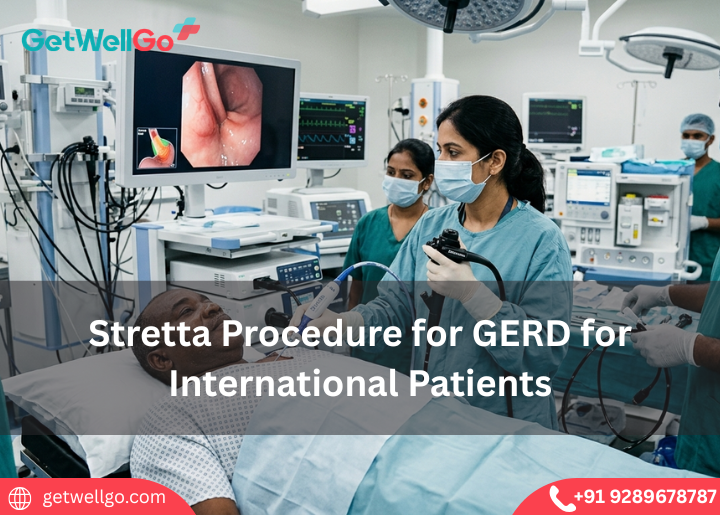
Experience advanced Stretta Procedure for GERD in India to eliminate chronic acid reflux without surgery, completely managed by our fast-track medical visa team
Medical tourism in India for Uzbekistan Patients made easy. GetWellGo handles your top-tier surgery, Uzbek translator, and a safe, warm home for your family.
Palliative care services in India focus on your comfort and peace of mind. GetWellGo handles the expert pain relief, visa, and a serene, private home to heal.
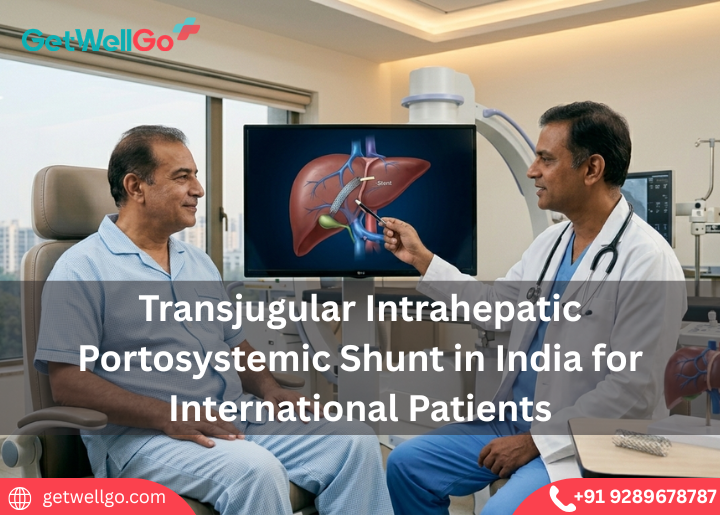
Transjugular Intrahepatic Portosystemic Shunt in India stops dangerous liver bleeding. GetWellGo handles your top specialist, visa, and a safe, cozy stay.
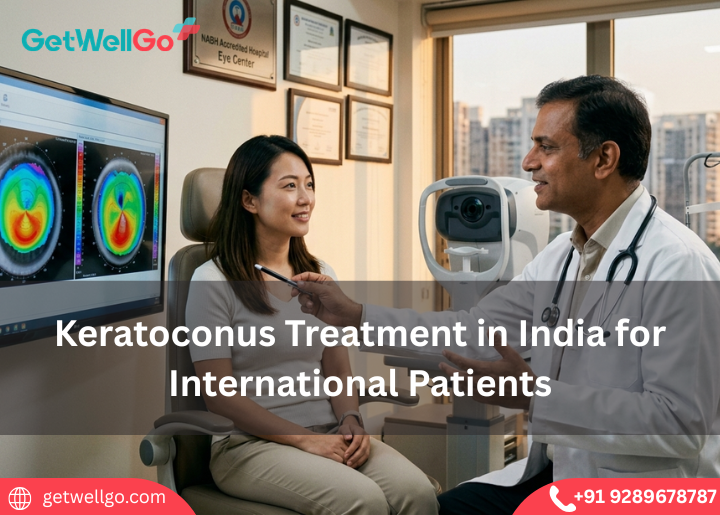
Keratoconus Treatment in India stops your vision from getting worse. GetWellGo handles your advanced eye care, visas, and a safe trip to save your sight.
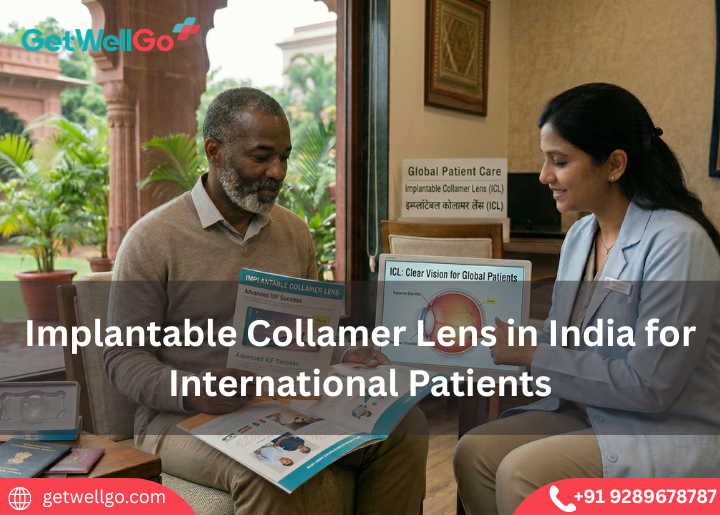
Implantable Collamer Lens in India lets you ditch thick glasses forever. GetWellGo handles your expert eye doctor, flights, and a clear-vision holiday.
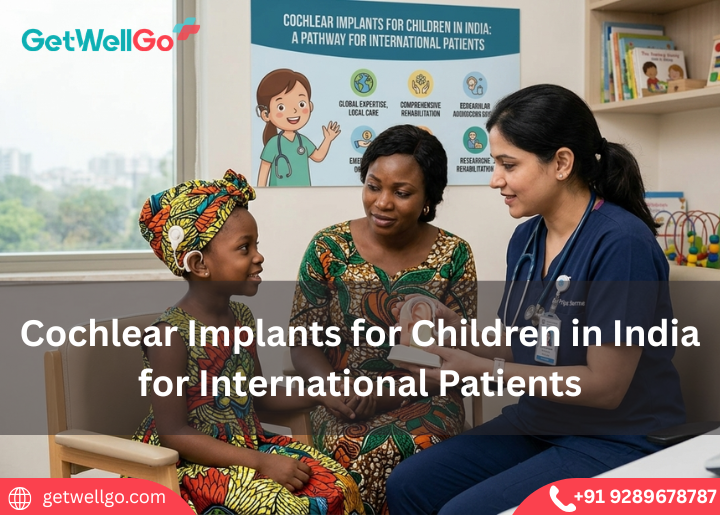
Cochlear Implants for Children in India opens a world of sound. We at GetWellGo plan your affordable ear surgery, airport pickup, and safe family trip.