
Historic Milestone: FMRI Celebrates 2500 Successful Bone Marrow Transplants
Celebrate a historic milestone of 2500 successful Bone Marrow Transplant at Fortis Gurgaon procedures, backed by our complete international patient visa care.
Read More
Get a clear overview of sickle cell anemia pathophysiology from Indian specialists for Nigerian patients. GetWellGo explains how the disease develops.
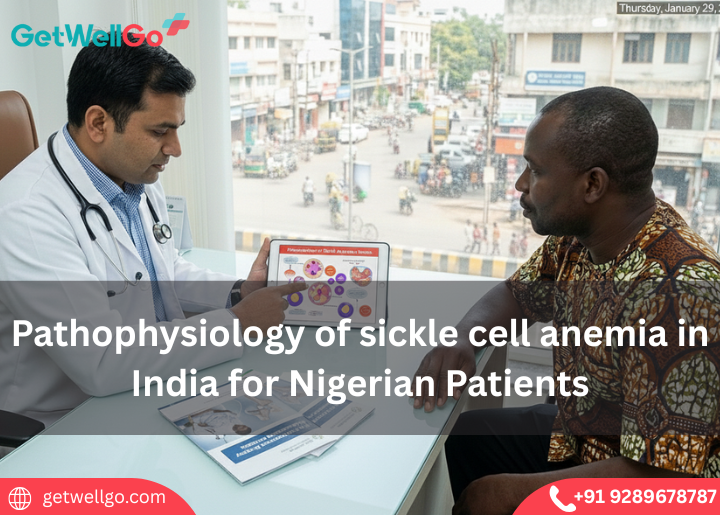
Sickle Cell Anemia is a genetic blood disease relating to the structure and function of the red blood cells (RBCs). It is common in some parts of West Africa, like Nigeria, and a number of patients routinely travel to India for complex diagnosis and treatment as hematology and transplant care is affordable and world class.
Under low oxygen conditions (such as in infection, dehydration, or stress) HbS causes red blood cells to:
These sickled cells:
Normal RBCs live for about 120 days, and sick cells live for about 10-20 days.
This leads to:
It is also possible for the sickled cells to stick to the blood vessel walls and cause blockages.
This results in:
The sickle cell disease destroys the spleen which is used to combat infections.
Therefore, patients are at greater risk of:
The organization of blood supply results in inadequate oxygen supply (ischemia) of the essential organs like:
In the case of Nigerian patients who get treatment in India, physicians closely observe:
This will assist in avoiding complication and leading to treatments such as:
Sickle Cell Disease is a hereditary disorder resulting from a mutation in the β-globin gene of the hemoglobin (referred to as the HBB gene) which gives rise to an abnormal form of the protein designated as hemoglobin S (HbS).The pathophysiology of this disease is a cascade of related events:
Genetic Mutation and the Structure of Hemoglobin
Polymerization of Hemoglobin S
Red Blood Cell Sickling
Sickled RBCs are:
Vaso-occlusion
Sickled cells:
Hemolysis and Anaemia
Progressive destruction of sickle cells results in:
Inflammation and Endothelial Dysfunction
Vaso-occlusion and ischemia lead to:
Sickle Cell Anemia is a genetic blood condition that causes red blood cells to become abnormally shaped, leading to the formation of chronic anemia, pain crises, infections, and organ damage. It holds in parts of Nigeria and sub-Saharan Africa and that many patients travel to India for high quality hematology and transplant care at a fraction of the cost.
The hospitals in India have the following to offer:
Sickle Cell Anemia is an incurable hereditary condition of the blood that is likely to cause severe complications otherwise. Nigerian patients also go to India in large numbers to receive improved and affordable care that includes long-term medical care and curative transplant procedures.
Major Complications of Sickle Cell Anemia:
Medical Management:
Hydroxyurea Therapy
Blood Transfusions
Vaccines and antibiotics
Developed and Palliative Therapies:
Bone marrow/ Stem Cell Transplant
Gene Therapy (Limited Centers)
Supportive Care:
One of the main pathways of sickle cell disease complications is endothelial damage, which leads to vaso-occlusion, inflammation, thrombosis, and organ injury. The knowledge of this process can inform the development of advanced therapy interventions applied in the Indian hematology and transplant centers.
Endothelium is a term for the single cell layer forming the lining which lies at the interior surface of blood vessels. It:
Causative agent: Hemoglobin S and Hemolysis
Sickling & Hemolysis
HbS polymerizes in the absence of oxygen and makes red blood cells (RBCs) sickle.
Sickled RBCs lyse (hemolysis), releasing:
Depletion of Nitric Oxide
Free hemoglobin binds and scavenges nitric oxide (NO).
Reduced NO causes:
Endothelial Activation
Endothelial cells react by producing adhesion molecules such as:
This act like “hooks” that:
Inflammation Cascade
Dysfunctional endothelium secretes:
This leads to:
Hypercoagulability
Endothelial dysfunction favours:
This creates a pro-thrombotic clotting and leads to:
Sickle Cell Anemia is a genetic blood disease resulting from a mutation (alteration) in the gene that produces hemoglobin, a protein that transports oxygen in the red blood cells. It is endemic in Nigeria and to an extent in parts of sub-Saharan Africa, and a few patients are visiting India for advanced genetic tests, counselling and even curative therapy.
The Mutation
Autosomal Recessive Pattern of Inheritance
A child must inherit two sickle genes (one from each parent) to have sickle cell anemia.
Indian hospitals provide advanced testing like:
Doctors use genetic findings to determine:
Sickle cell anemia is a genetically transmitted blood disease resulting from a point mutation in the βglobin gene, which leads to the production of abnormal hemoglobin S. These changes in blood cells lead to chronic anemia, painful vaso-occlusive crises, areplenia contributing to increased risk of infection, and cumulative injury to brain end-organ, lung, kidney, and skeleton. Early genetic screening and counselling is therefore crucial in Nigeria, where the sickle cell trait and disease is endemic for prevention and family planning. Indian medical institutions offer holistic management for Nigerian clients through comprehensive diagnostic evaluation, standard therapy such as hydroxyurea for disease modification, organized transfusion therapy for management of endothelial and inflammatory complications and curative modalities like bone marrow and stem cell transplantation to enhance survival, quality of life and long-term prognosis.
GetWellGo is regarded as a leading supplier of healthcare services. We help Nigerian patients choose the best treatment locations that suit their needs both financially and medically.
We offer:
Celebrate a historic milestone of 2500 successful Bone Marrow Transplant at Fortis Gurgaon procedures, backed by our complete international patient visa care.
Read More
Experience advanced Corneal Collagen Cross-Linking in India to stabilize keratoconus and protect your sight, with full medical visa help from our travel team.
Read More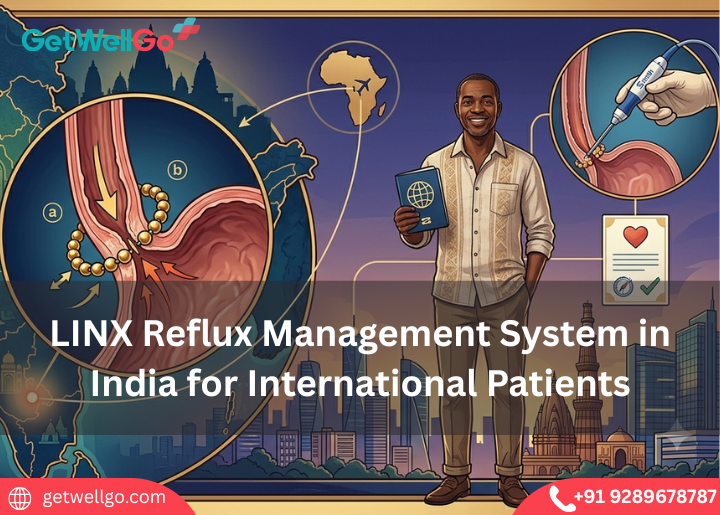
Experience the LINX Reflux Management System in India to stop severe heartburn using a tiny magnetic ring, fully organized by our fast-track medical visa team.
Read More
Experience advanced Stretta Procedure for GERD in India to eliminate chronic acid reflux without surgery, completely managed by our fast-track medical visa team
Read More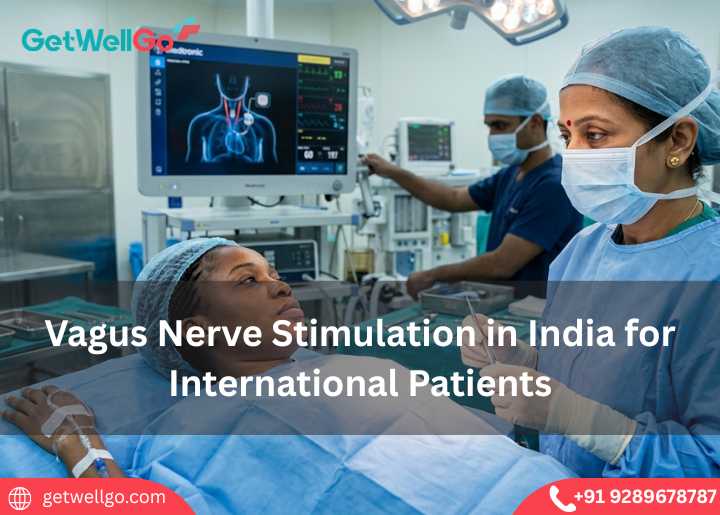
Get advanced vagus nerve stimulation treatment in India with expert care, modern hospitals, and affordable options for international patients.
Read More
Medical tourism in India for Uzbekistan Patients made easy. GetWellGo handles your top-tier surgery, Uzbek translator, and a safe, warm home for your family.
Read More
Palliative care services in India focus on your comfort and peace of mind. GetWellGo handles the expert pain relief, visa, and a serene, private home to heal.
Read More
Get reliable visa assistance for medical travel to India. Support with documentation, approvals, and a smooth entry process for global patients.
Read More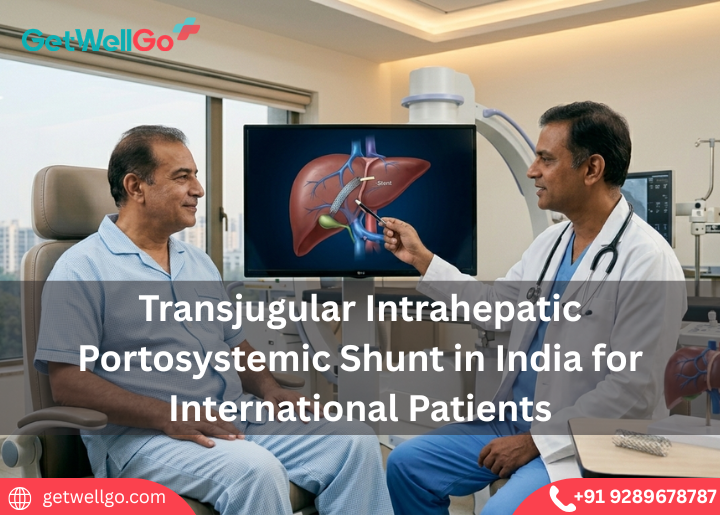
Transjugular Intrahepatic Portosystemic Shunt in India stops dangerous liver bleeding. GetWellGo handles your top specialist, visa, and a safe, cozy stay.
Read More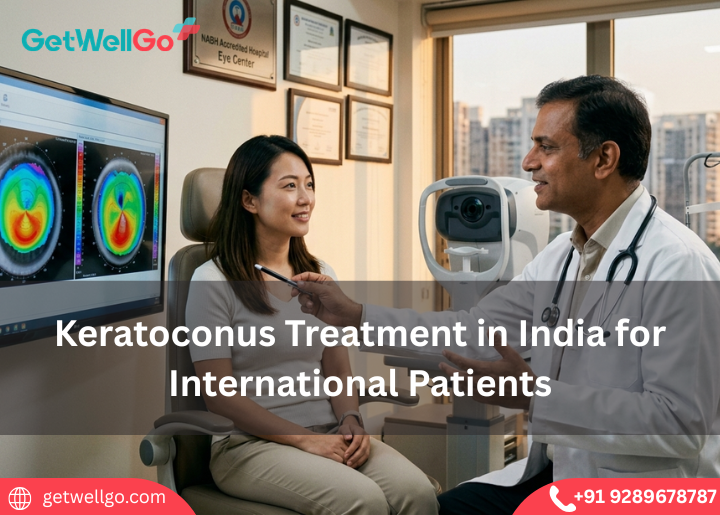
Keratoconus Treatment in India stops your vision from getting worse. GetWellGo handles your advanced eye care, visas, and a safe trip to save your sight.
Read More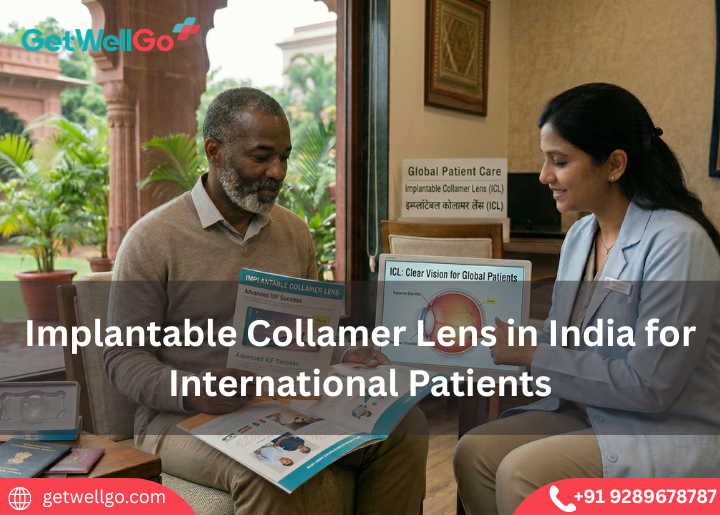
Implantable Collamer Lens in India lets you ditch thick glasses forever. GetWellGo handles your expert eye doctor, flights, and a clear-vision holiday.
Read More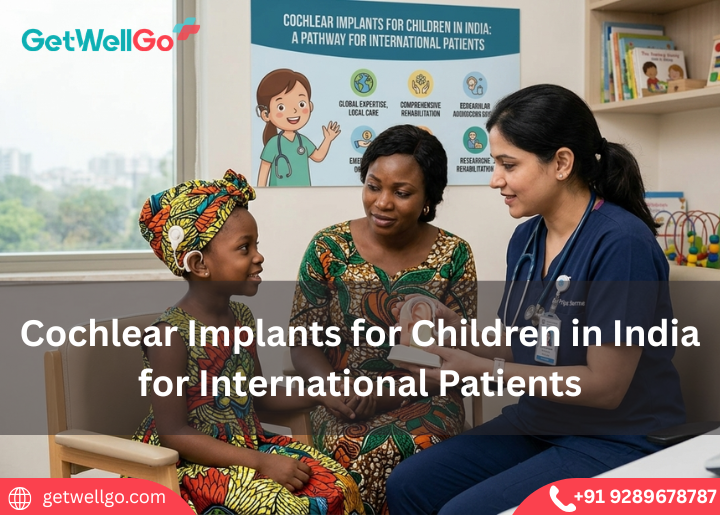
Cochlear Implants for Children in India opens a world of sound. We at GetWellGo plan your affordable ear surgery, airport pickup, and safe family trip.
Read More