Laparoscopic Myomectomy in India for International Patients
Get painless relief via Laparoscopic Myomectomy in India organized smoothly by our team, from rapid specialist booking to a comfortable recovery home stay.
Read More
PCOS (Polycystic Ovary Syndrome) causes irregular periods, weight gain, and acne. Learn about its symptoms and treatment options in simple terms | GetWellGo
.png)
Polycystic Ovary Syndrome (PCOS) is the hormonal disease that impacts women with ovaries during their reproductive years. It is expressed in a myriad of symptoms due to androgen and insulin disturbances.
Here are the common symptoms of Polycystic Ovary Syndrome (PCOS):
Lifestyle Changes (First-line treatment)
Especially important for overweight/obese individuals or those with insulin resistance.
Diet
Exercise
Weight Management
In fact, as little as a 5-10% weight loss is thought to help some women with ovulation and menstruation.
Medications
Cosmetic Treatments
Mental Health Support
Long-term Monitoring
It is quite difficult to lose weight when you are suffering from Polycystic Ovary Syndrome since it is characterised by insulin sensitivity, hormonal imbalances and a slow rate of metabolism but it is not impossible and very rewarding. A simple weight loss of 5–10% would improve the symptoms, fertility, and menstrual cycles.
Many women with PCOS are insulin resistant and this can improve their weight loss.
Eat Low-Glycemic (GI) Foods:
Balanced Meals for Hormone Support
Exercise Regularly
Cardiovascular exercises should be complemented with weight lifting:
Manage Stress & Sleep
Polycystic ovary syndrome is among the most common causes of infertility in women. This is because PCOS is associated with hormonal disparity and ovulatory disorder, but women of this group are capable of getting pregnant if properly managed.
Although the exact cause of Polycystic Ovary Syndrome (PCOS) remains unknown to this date it’s believed to have multi factorial meaning more than one causative factor is acknowledged to be responsible for the development of the illness. Below is a brief outlook of what is deemed to be the main possible causes of PCOS:
Medical History:
Physical Examination:
Blood Tests:
Ultrasound (Transvaginal or Abdominal):
PCOS has an influence on pregnancy in several ways because women with this condition may not always ovulate regularly, they have hormonal imbalances and insulin, and these factors make it difficult for them to conceive. Although, women with PCOS can successfully remain pregnant when they seeking for medical help for proper management.
How PCOS Affects Pregnancy:
Thinning of hair in women suffering from Polycystic Ovary Syndrome (PCOS) is one of the main symptoms that affect them and this is due to the presence of more androgens than usual such as testosterone. Androgenetic alopecia is one form of hair loss that causes the hair to thin especially at the crown or part line while the rest of the body especially the face or chest may experience an increase in hair growth.
Acne in PCOS is hormonal, particularly testosterone and DHT that leads to overproduction of sebum, pore blockage and inflammation that results in formation of lesions mostly on the jaws, chin, and lower cheeks.
GetWellGo is regarded as a leading supplier of healthcare services. We help our foreign clients choose the best treatment locations that suit their needs both financially and medically.
We offer:
Get painless relief via Laparoscopic Myomectomy in India organized smoothly by our team, from rapid specialist booking to a comfortable recovery home stay.
Read More
Our medical team connects international families to elite labs for Non-Invasive Prenatal Testing in India, handling all your travel papers and cozy stays.
Read More
Hysteroscopic Polypectomy in India is a scarless fix for polyps. GetWellGo manages your visa and stay for a quick, safe recovery. Stop abnormal bleeding.
Read More
Sickle Cell Anemia and Pregnancy in India for Nigerian Patients is managed safely. GetWellGo ensures expert care for a healthy delivery. Start your journey.
Read More.png)
Choose GetWellGo for advanced umbilical artery catheterization. World-class newborn care trusted by international families for safety, comfort, and results.
Read More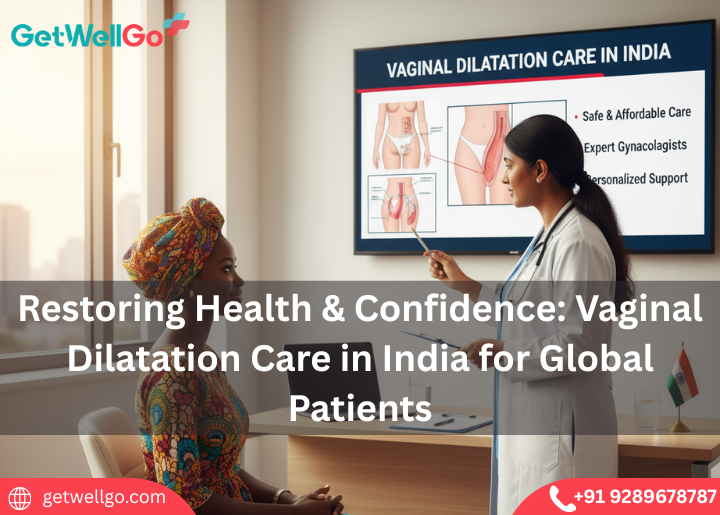
Vaginal dilatation care in India helps global patients restore health and confidence. Expert gynecologists, modern techniques, and affordable care ensure safe and effective treatment.
Read More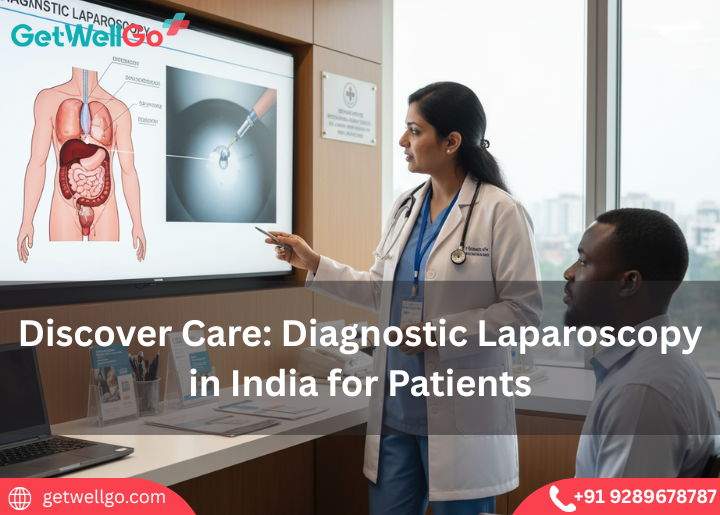
Discover Care with GetWellGo: Affordable diagnostic laparoscopy in India for international patients. Expert care, advanced tech & seamless support.
Read More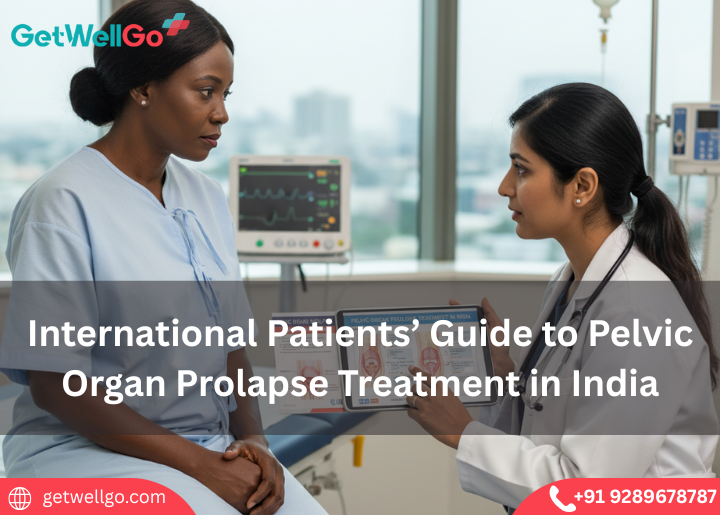
GetWellGo helps international patients access top pelvic organ prolapse treatment in India with expert care, advanced surgery & complete support.
Read More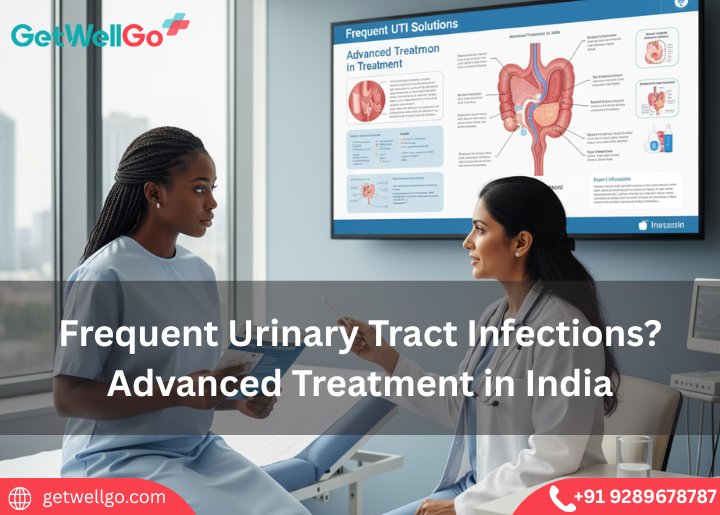
Struggling with recurrent UTIs? GetWellGo helps international patients access advanced urinary tract infection treatments in India with trusted specialists.
Read More

World-class PCOS treatment in India with GetWellGo. Affordable care, advanced medical expertise, and full support for international patients.
Read More
Dreaming of a family? Explore safe, affordable Intrauterine Insemination (IUI) treatment in India with GetWellGo, trusted by international patients.
Read More