PID is the inflammation of the female organs, which are uterus, fallopian tubes, or ovaries that had been infected through the vagina by bacteria that are mostly transmittable through sexual contact. It has various manifestations commonly known as short, acute and chronic, but some people may not present any symptoms at all. Signs of pelvic inflammatory disease are:
Lower abdominal or pelvic pain
Abnormal vaginal discharge (possibly with an unpleasant odor)
Painful intercourse (especially during deep penetration)
Painful urination
It involves cases of abnormal menstruation including cases where a woman bleeds between her usual dates or experiences heavy flow.
Fever and chills
Fatigue or general malaise
Upper abdominal pain
Less Common or Advanced Symptoms:
Nausea or vomiting
Difficulty walking due to pain
Sterility (due to injuries of the sexual organs in case they are not treated on time)
When there is scarring in the fallopian tubes due to PID, the chances of an ectopic pregnancy are likely to arise.
Pelvic Inflammatory Disease Causes
Pelvic Inflammatory Disease (PID) is an infection that often caused by a bacterial infection that has spread from the vagina or cervix to the reproductive system (endometrium, tubes, and ovaries). The main causes include:
Sexually Transmitted Infections (STIs):
Chlamydia trachomatis
Neisseria gonorrhoeae (gonorrhea)
These are the most common bacteria associated with PID
Other Bacterial Infections:
Even non-STI bacteria can cause PID. These bacteria may come from:
Normal vaginal flora (like Gardnerella vaginalis from bacterial vaginosis)
Douching (mows down the normal vaginal bacteria and shifts them up).
Young age (especially sexually active women under 25)
Recent gynaecological procedures
What is PID in women?
Pelvic Inflammatory Disease (PID) in women is defined as an infection of the female reproductive organs that include:
Uterus (womb)
Fallopian tubes
Ovaries
Cervix
Sometimes, even the lining of the abdominal cavity (peritoneum)
PID Symptoms in Females
PID in females has certain symptoms which range from mild to extremely severe or sometimes no symptoms at all during the early stage. Here's a breakdown:
Common Symptoms of PID in Females:
Lower abdominal or pelvic pain (the most frequent symptom)
Unusual vaginal discharge
– Sometimes, it may cause bad smell, yellowish or greenish in colour
Pain during intercourse (especially deep penetration)
Burning or pain during urination
Irregular menstrual bleeding
– Irregular periods which include having periods between the normal times or having more severe and painful periods
Fever and chills
Fatigue, nausea, or vomiting
Serious or Advanced Symptoms:
Severe abdominal pain (especially in the lower right or upper right)
Pain while walking or moving
Possible signs of shock which are extremely rare: Light headedness, fainting and palpitations.
Pelvic Pain and PID
Pelvic pain is also considered one of the first signs of PID, and the feeling and the moments when it takes place should be taken seriously.
What PID-Related Pelvic Pain Feels Like:
Dull, aching pain in the lower abdomen or pelvis
Can be constant or intermittent
This is because they become worse during intercourse, while urinating or bowel movements.
Can possibly be even worsened during your menstrual cycle
Sometimes, the severity of the pain is sharp or cramping.
Pelvic pain due to PID implies that the disease might have affected your uterus, tubes or ovaries. If not treated, this can cause the following:
Chronic pelvic pain
Infertility
Ectopic pregnancy
Scarring of reproductive organs
PID and Infertility
Pelvic Inflammatory Disease (PID) is one of the most cautionary causes of infertility among women. The connection between PID and infertility lies in how the infection affects the reproductive organs, particularly the fallopian tubes.
How PID Causes Infertility:
Fallopian Tube Damage:
Since PID may involve inflammation, scarring or blockage in the fallopian tubes, it may affect fertility.
This is where it stops the egg from coming into contact with the sperm, or where a fertilised egg cannot get to the uterus.
Tubo-Ovarian Abscess:
Severely affected PID can result in the formation of pus around ovaries and tubes and hence lead to permanent tissue damage.
Ectopic Pregnancy Risk:
This may be due to blockage or scarring of the tubes; in this case, the fertilized egg affixes itself in the tube instead of in the uterus. This is dangerous and does not particularly lead to pregnancy but it is life-threatening.
Chlamydia and Pelvic Inflammatory Disease
Chlamydia is one of the most common causes of Pelvic Inflammatory Disease (PID)—and often the most silent.
How Chlamydia Leads to PID:
This infective bacterium is sexually transmitted and affects the cervix among women.
When not treated it may extend to the uterus, fallopian tubes and ovaries.
This results to inflammation, infection, and sometimes complications that we refer to as PID.
PID Treatment Options
Being female, the occurrence of PID can be treated especially if it is diagnosed in the early stages. Treatment aims at eradicating the disease and its potential consequences for fertility.
Antibiotic Therapy (First-Line Treatment):
PID is usually given a combination of antibiotics even before the results are forthcoming to cover the most likely bacteria including chlamydia, gonorrhea and others.
Hospitalization May Be Needed If:
Mild symptoms include minor discomfort and pain and are contrasted with severe symptoms such as high fever, vomiting and severe abdominal pains.
No improvement after 48–72 hours of oral antibiotics
Tubo-ovarian abscess suspected
You're pregnant
Some pathological conditions cannot be excluded in emergency (e.g., ectopic pregnancy).
Surgical Intervention (Rare Cases):
In the case that antibiotics do not work, it is used for draining abscesses or removal of damaged tissue.
This is because laparoscopy may be required as a diagnostic or a therapeutic procedure.
PID Diagnosis Methods
Diagnosing of PID may be a little challenging sometimes because the symptoms are sometimes mild or they are similar to those of other illnesses. It is diagnosed averagely by the help of history, physical examination, laboratory, and imaging studies.
Medical History & Symptom Review
The doctor will ask about:
Pelvic or abdominal pain
Sexual history (e.g., unprotected sex, STIs, number of partners)
Vaginal discharge, bleeding, fever, etc.
Pelvic Examination
A physical exam includes:
Detecting pain or tenderness in the uterus, fallopian tubes and ovaries and other relevant structures.
Assuming that there is cervical motion tenderness (pain experienced when the cervix is moved).
While, inspecting the vaginal discharge as well as other signs’ of infection.
Lab Tests
To be sure of infection and eliminate other possibilities:
Cervical/vaginal swabs for chlamydia and gonorrhea
This test also covers the screening for Sexually Transmitted Infections or Urinary Tract Infections.
Lab analysis to assess if there are any inflammation marker (high WBC, CRP, ESR).
Imaging Tests (if needed)
Pelvic ultrasound to detect:
Swollen or damaged fallopian tubes
Abscesses or fluid buildup
Transvaginal ultrasound offer better ultrasonic visualization of internal genital organs
MRI or CT scan in more complex or unclear cases
Laparoscopy (Rare but Definitive)
A minimally invasive surgery used to view the pelvis of the patient through a camera.
It may be used when diagnosis is unclear or when there are signs that suggest complications such as abscesses.
PID and Ectopic Pregnancy
PID significantly increases the chances of ectopic pregnancy, which is a dangerous condition where a fertilized egg implants itself in a fallopian tube.
How PID Causes Ectopic Pregnancy:
PID causes inflammation and the scarring of fallopian tubes.
This pinches or closes the tube and hinders the passage of a fertilized egg to the uterus.
It may implant within the fallopian tubes thus resulting to an ectopic pregnancy.
Chronic Pelvic Pain Causes
Chronic pelvic pain or CPP is a pain that persists below the belt for more than six consecutive months. This also causes Lower abdominal pain in women and It may be due to various reasons, which are gynaecological and non-gynaecological factors.
Here is a list of various causes that are common among most patients:
Gynaecological Causes:
Pelvic Inflammatory Disease (PID)
If PID is left untreated or in the case of repeated occurrences, it can cause scaring leading to pelvic pain.
Endometriosis
This is a condition in which uterine tissue develops in other areas of the body causing soreness and particularly during the period.
Ovarian cysts or masses
May lead to pressure on the abdomen, swelling, and aching pain.
Uterine fibroids
Benign tumours on the walls of the uterus that may cause discomfort or pain that resembles those experienced when menstruating.
Adenomyosis
The endometrium extends itself into the muscular walls of the uterus making the monthly menstruation to be very painful.
Painful periods (Dysmenorrhea)
Especially if severe or linked to other conditions like endometriosis.
Pelvic adhesions
Bands of scar tissue that form after infections, surgery, or trauma.
Urological Causes:
Interstitial cystitis (painful bladder syndrome)
Urinary tract infections (UTIs)
Kidney stones
Gastrointestinal Causes:
Irritable bowel syndrome (IBS)
Constipation
Crohn’s disease or ulcerative colitis is the chronic inflammation of any part of the gastrointestinal tract.
Musculoskeletal Causes:
Pelvic floor dysfunction
Hernias
Chronic tension or posture issues
Neuropathic & Psychological Causes:
Nerve entrapment or injury (e.g., pudendal neuralgia)
Hence, it can be evident that depression, anxiety, or PTSD affects the perception of chronic pain.
PID and Sexually Transmitted Infections
The causes that are mainly associated with PID are sexually transmitted diseases such as chlamydia and gonorrhoea. They can subtly ascend from the vagina or cervical canal and affect the uterus, fallopian tubes as well as the ovaries.
STIs Most Commonly Linked to PID:
Chlamydia trachomatis
May present with mild or no symptoms frequently, thus, difficult to diagnose in its early stage
Responsible for the majority of PID cases
Neisseria gonorrhoeae (gonorrhea)
The ones that human beings are more likely to develop noticeable signs of such as discharge or pain.
May quickly extend up to the other organs applicable to the birth of babies.
Mycoplasma genitalium
There is another factor of PID that is not quite well-known, however, is steadily gaining attention.
Other vaginal infections (e.g., bacterial vaginosis)
It is not classified as STIs, but can cause PID if the normal formation present in the female reproductive system is suppressed.
How STIs Cause PID:
Bacteria enter the cervix
They rise up in the uterus, fallopian tubes and ovaries
This leads to inflammation of the tissues, tissue scarring, and even tissue formation that forms abscesses, amongst others.
PID Complications
There are various complications and some are severe and permanent, hence taking proper care and treatment as soon as PID is diagnosed cannot be overemphasized. Some of these impact a woman’s fertility, but other signs show that a woman has PID can include general pelvic and abdomen issues.
Major Complications of PID:
Infertility
Ectopic Pregnancy
Chronic Pelvic Pain
Tubo-Ovarian Abscess
Recurrent PID
Perihepatitis (Fitz-Hugh–Curtis Syndrome)
Top Hospitals in India
Artemis Hospital, Gurgaon
Medanta-The Medicity, Gurgaon
Fortis Memorial Research Institute, Gurgaon
Max Hospital, Saket
Apollo Hospital, Delhi
Best Doctors in India
Dr. Renu Raina Sehgal
Dr. Sabhyata Gupta
Dr. Preeti Rastogi
Dr. Anuradha Kapur
Dr. Geeta Chadha
Why Choose GetWellGo for Pelvic Inflammatory Disease Treatment?
GetWellGo is regarded as a leading supplier of healthcare services. We help our foreign clients choose the best treatment locations that suit their needs both financially and medically.
We offer:
Complete transparency
Fair costs.
24 hour availability.
Medical E-visas
Online consultation from recognized Indian experts.
Assistance in selecting India's top hospitals for PID treatment.
Expert gynaecologist with a strong track record of success
Assistance during and after the course of treatment.
Language Support
Travel and Accommodation Services
Case manager assigned to every patient to provide seamless support in and out of the hospital like appointment booking
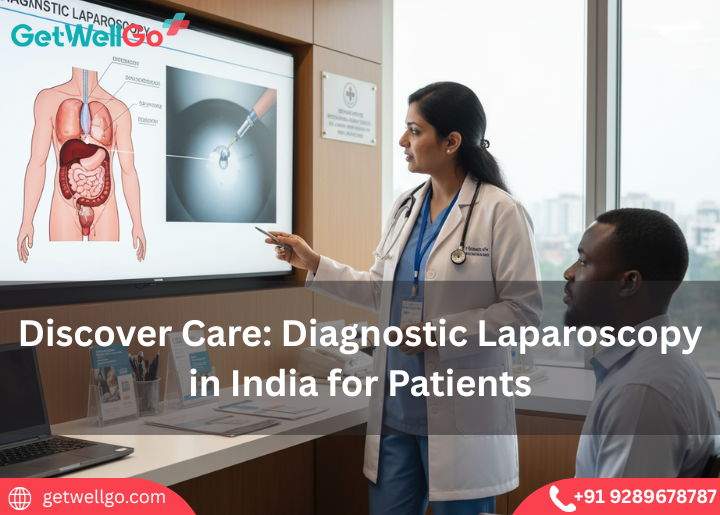
Get painless relief via Laparoscopic Myomectomy in India organized smoothly by our team, from rapid specialist booking to a comfortable recovery home stay.
Our medical team connects international families to elite labs for Non-Invasive Prenatal Testing in India, handling all your travel papers and cozy stays.
Hysteroscopic Polypectomy in India is a scarless fix for polyps. GetWellGo manages your visa and stay for a quick, safe recovery. Stop abnormal bleeding.
Sickle Cell Anemia and Pregnancy in India for Nigerian Patients is managed safely. GetWellGo ensures expert care for a healthy delivery. Start your journey.
Choose GetWellGo for advanced umbilical artery catheterization. World-class newborn care trusted by international families for safety, comfort, and results.
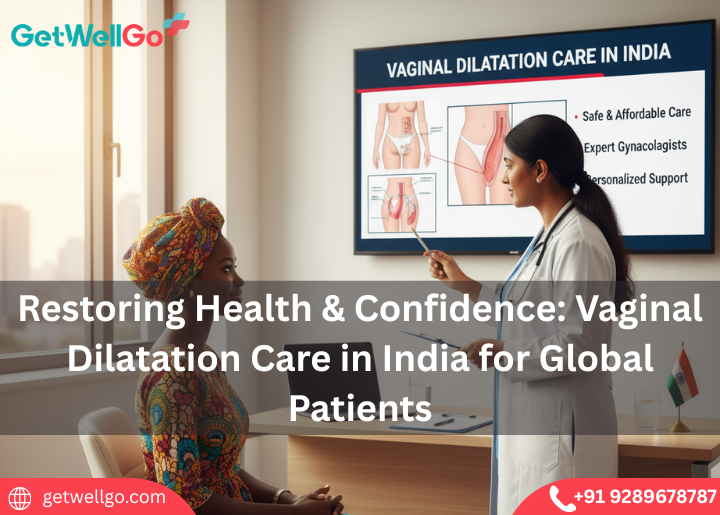
Vaginal dilatation care in India helps global patients restore health and confidence. Expert gynecologists, modern techniques, and affordable care ensure safe and effective treatment.
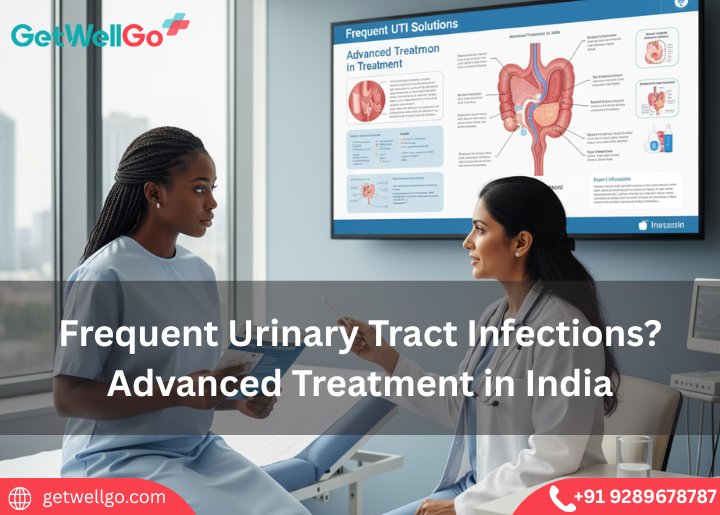
Struggling with recurrent UTIs? GetWellGo helps international patients access advanced urinary tract infection treatments in India with trusted specialists.


.png)