
Who Can Donate Bone Marrow for a Family Member? A Guide for Nigerians
Who can donate bone marrow for a family member? Discover the eligibility rules, matching process, and steps Nigerians need to follow. Learn more inside.
Read More
Explore the differences between totipotent, pluripotent, and multipotent stem cells. Learn how each impacts health and treatment options at GetWellGo.

Totipotency refers to the ability of stem cells to differentiate into any type of cell within the body plus the extra-embryonic structures such as the placenta. Here's a quick overview:
Key Features:
Pluripotent stem cells are multispecialized stem cells which can develop into almost any type of cell that exists in the human body. These stem cells are derived from all three germ layers which include ectoderm that produces body coverings, neurons, muscle, bone, blood, and endoderm, which is an epithelial lining of digestive and respiratory systems.
Pluripotent stem cells may be classified into three broad categories:
The multipotent stem cells are the stem cells that are capable of differentiating into a few given types of cells found within organs or tissues. Multipotent stem cells which are special stem cells that have the capacity to turn into a certain number of specialized cells that originates from a particular tissue or an organ.
For instance, hematopoietic stem cells or HSCs are stem cells that can differentiate into all the major types of blood cells including the red blood cells, white blood cells and the platelets. Similarly, to other stem cells, MSCs can only differentiate into a limited number of cell types, namely the connective tissue cells such as bone, cartilage, and adipose cells.
It is significant to note that multipotent stem cells are involved in replacing and repairing tissue most of the times within an individual’s lifetime. They are present in bone marrow, adipose tissue, and umbilical cord blood.
Differentiation Potential: Totipotent stem cells are cells with the highest potency and are able to form cells in the embryo and fetus, extra embryonic tissues, the placenta, and umbilical cord, among others. They are thus exactly what could be described as “total potential” cells.
Source: These are normally detected only from the start of development up to when it is at the zygote and up to the 8 cell division after fertilization.
Examples:
Differentiation Potential: Embryonic stem cells are not limited to the differentiation into the three primary germ layers such as ectoderm, mesoderm and endoderm, but also the derived tissues and structures; it means that they are able to generate any authorised cell type in the body but have no capability of developing extra-embryonic tissues and structures such as the placenta.
Source: The direct stem cells can be gotten from the blastocyst, which is an early stage in the development of the embryos and the induced stem cells which are artificially developed from the somatic cells of adults.
Examples:
Differentiation Potential: It has differentiation capability because it has the potential to form cells of all the three germ layers of the body namely the ectoderm, mesoderm as well as the endoderm. This makes them more potent for differentiation when compared to the multipotent stem cells.
Source: These stem cells are mostly the embryonic stem cells which are harvested from the early embryos as well as the iPSCs which are got by converting other adult cells.
Examples: ESCs and iPSCs.
Differentiation Potential: More specifically, multipotent stem cells have the ability to transform into a small set of cell categories, typically in the related lineage or tissue. For example, there are hematopoietic stem cells (HSCs) which are multipotent stem cells that can only differentiate into various types of blood cells; red blood cells, white blood cells, and platelets among them.
Source: They are located in strategic sites that include Bone Marrow, Adipose Tissue, and Umbilical Cord Blood.
Examples: Some of them include the hematopoietic stem cells (found in the blood), mesenchymal stem cells (obtained from bone marrow, cartilages and fat), and neural stem cells (from the neurons and glial cells).
Differentiation Potential: Totipotent stem cells are cells with the highest potency and are able to form cells in the embryo and fetus, extra embryonic tissues, the placenta, and umbilical cord, among others. They are thus exactly what could be described as “total potential” cells.
Source: These are normally detected only from the start of development up to when it is at the zygote and up to the 8 cell division after fertilization.
Examples:
Differentiation Potential: More specifically, multipotent stem cells have the ability to transform into a small set of cell categories, typically in the related lineage or tissue. For example, there are hematopoietic stem cells (HSCs) which are multipotent stem cells that can only differentiate into various types of blood cells; red blood cells, white blood cells, and platelets among them.
Source: They are located in strategic sites that include Bone Marrow, Adipose Tissue, and Umbilical Cord Blood.
Examples:
Totipotent Stem Cells
Pluripotent Stem Cells
Examples:
Multipotent Stem Cells
Examples:
Oligopotent Stem Cells
Examples:
Unipotent Stem Cells
Examples:
The term stem cell potency relates to the capability of a stem cell to transform to the other kind of cells. This simply means the versatility of the stem cell: the more diverse the differentiation capacity, the higher the potency.
GetWellGo is regarded as a leading supplier of healthcare services. We help our foreign clients choose the best treatment locations that suit their needs both financially and medically.
We offer:
Explore expert medical insights, treatment guides, and the latest healthcare updates for international patients - visit our blog .
Who can donate bone marrow for a family member? Discover the eligibility rules, matching process, and steps Nigerians need to follow. Learn more inside.
Read More
What are bone marrow disorders? This complete guide breaks down the various types, causes, and available treatment paths for Nigerian patients. Read more now.
Read More
Considering bone marrow transplant at Fortis Hospital India? Explore treatment costs, recovery timelines, and what Nigerian patients can expect.
Read More
Curious does liver grow back after transplant? Learn how regeneration happens in both donor and recipient, and what it means for Nigerian families.
Read More
Curious how much a liver transplant costs? This guide breaks down real prices in Nigeria and India, so Nigerian patients can plan and budget confidently.
Read More
We help Zambian patients reach the best kidney transplant hospital in India — Apollo, Medanta, Fortis & Manipal, with a dedicated case manager from day one.
Read More
We help Ethiopian patients find the best liver transplant hospital in India — Apollo, Medanta, FMRI & more. 4,300+ transplants done. Your care starts here.
Read More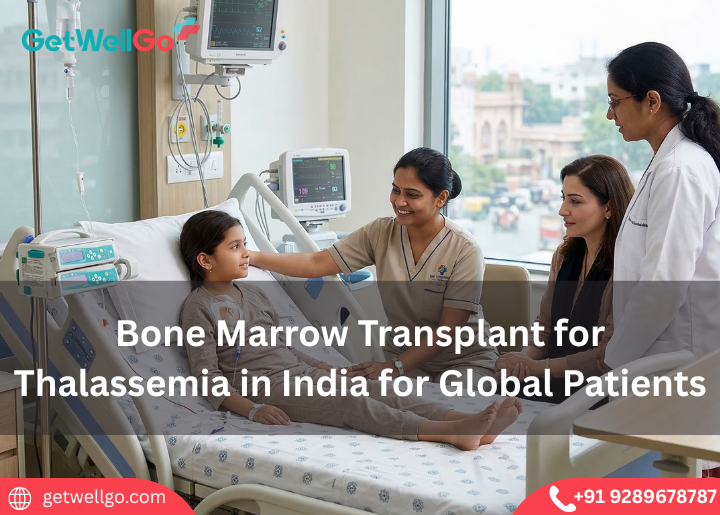
Bone Marrow Transplant for Thalassemia in India stops the need for constant blood transfusions. GetWellGo handles your specialist, visa, and safe stay.
Read More
Bone Marrow Transplant Treatment Cost in India is affordable. Learn how much bone marrow transplant cost in india saves you. Get a free quote today.
Read More
Bone Marrow Transplant Cost in India for Kenyan Patients starts low here. We offer complete medical tourism packages including travel. Save on your surgery.
Read More.png)
Kidney Transplant Surgery is your second chance. We arrange safe procedures to help you stop dialysis forever. reclaim your freedom with our expert support.
Read More
Robotic Surgery for Lung Transplants in India aids quick recovery. We arrange affordable, world-class care for you. Get back to breathing freely very soon.
Read More