Who Can Donate Bone Marrow for a Family Member? A Guide for Nigerians
Who can donate bone marrow for a family member? Discover the eligibility rules, matching process, and steps Nigerians need to follow. Learn more inside.
Read More
Bone Marrow Transplant for Thalassemia in India stops the need for constant blood transfusions. GetWellGo handles your specialist, visa, and safe stay.
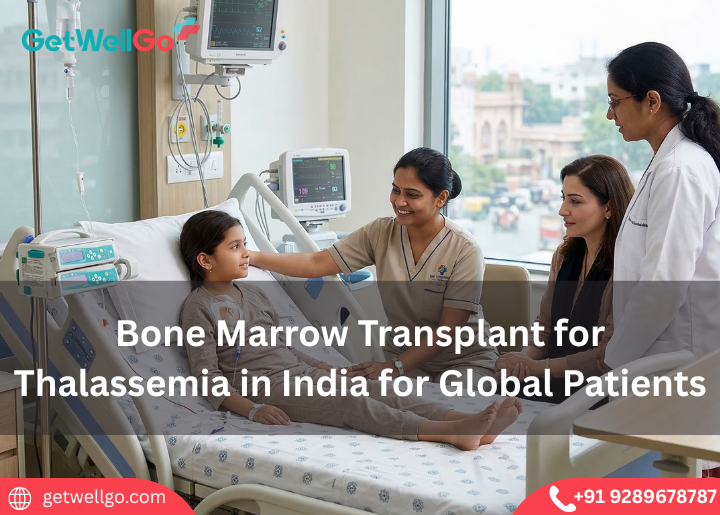
The treatment of severe thalassemia (particularly thalassemia major) is currently the only possible cure of severe thalassemia, a Bone Marrow Transplant (BMT) also known as a stem cell transplant. It uses healthy stem cells of a donor to replace the failed bone marrow of the patient to enable the body to generate normal red blood cells.
Success depends on:
Matched Sibling Donor Transplant (Best option)
Brother or sibling of similar HLA.
Haploidentical Transplant
Half-breed donor (usually a parent).
Unrelated Donor Transplant
Donor identified using stem cell registry.
There are various cost and success rates of each option.
The process of bone marrow transplant (BMT) as a treatment of thalassemia in India is a complex process of medical treatment which typically takes several weeks at the hospital and several months of recovery. It uses healthy stem cells of a donor to replace defective cells in the body that form blood in the patient in order to create normal red blood cells.
Doctors do numerous tests before transplant to ensure that the patient is fit to undergo the procedure.
Common tests:
The doctors search for a donor with the patient’s matching HLA.
Possible donors:
The patient gets chemotherapy (occasionally with radiation) before getting new bone marrow.
Purpose:
The donor is harvested of stem cells of:
Time required:
After discharge:
Typical transplant journey:
The cost is determined by the following factors:
Prior to the procedure of BMT, a number of tests must be undertaken including:
There is a need by patients after transplant:
In case of complications, the expenses go up.
Examples:
The bone marrow of children with the thalassemia is unable to produce healthy hemoglobin. Through a bone marrow transplant the defective marrow is replaced with healthy marrow donated by a person to enable the child to make normal red blood cells. Allogenic stem cells (stem cells of another individual) are mostly used in pediatric transplants.
BMT is normally advised by doctors as soon as possible, normally at the age of 1-10 years.
Reasons:
India has very good pediatric thalassemia BMT.
Typical results:
BMT currently offers the potential for cure in thalassemia, particularly for paediatric cases with severe disease. In India, with medical facilities being world-class, transplant centers having expertise and the cost of treatment being substantially lower, BMT is now a realistic and effective treatment option for a significant number of patients. Pediatric patients derive the most benefit from early transplantation particularly if a matched sibling donor is available, which increases the success rate and decreases complication rates substantially. Though the stages are complex — finding a donor match, undergoing conditioning therapy, receiving the stem cell infusion and monitoring long term, — it can lead to life- altering results. A good transplant can free transplant recipients from the need for regular blood transfusions and enhance the quality of life for them. However, the cost of the treatment may vary with some factors like type of transplant, hospital infrastructure available at time of transplant, availability of the donor at time of facility, post-transplant facility etc. To sum up with proper medical evaluation, timely intervention and suitable financial and infrastructural support, bone marrow transplantation for thalassemia does give hope of a permanent cure and a brighter future for the patients in India.
GetWellGo is regarded as a leading supplier of healthcare services. We help our foreign patients choose the best treatment locations that suit their needs both financially and medically.
We offer:
Who can donate bone marrow for a family member? Discover the eligibility rules, matching process, and steps Nigerians need to follow. Learn more inside.
Read More
What are bone marrow disorders? This complete guide breaks down the various types, causes, and available treatment paths for Nigerian patients. Read more now.
Read More
Considering bone marrow transplant at Fortis Hospital India? Explore treatment costs, recovery timelines, and what Nigerian patients can expect.
Read More
Curious does liver grow back after transplant? Learn how regeneration happens in both donor and recipient, and what it means for Nigerian families.
Read More
Curious how much a liver transplant costs? This guide breaks down real prices in Nigeria and India, so Nigerian patients can plan and budget confidently.
Read More
We help Zambian patients reach the best kidney transplant hospital in India — Apollo, Medanta, Fortis & Manipal, with a dedicated case manager from day one.
Read More
We help Ethiopian patients find the best liver transplant hospital in India — Apollo, Medanta, FMRI & more. 4,300+ transplants done. Your care starts here.
Read More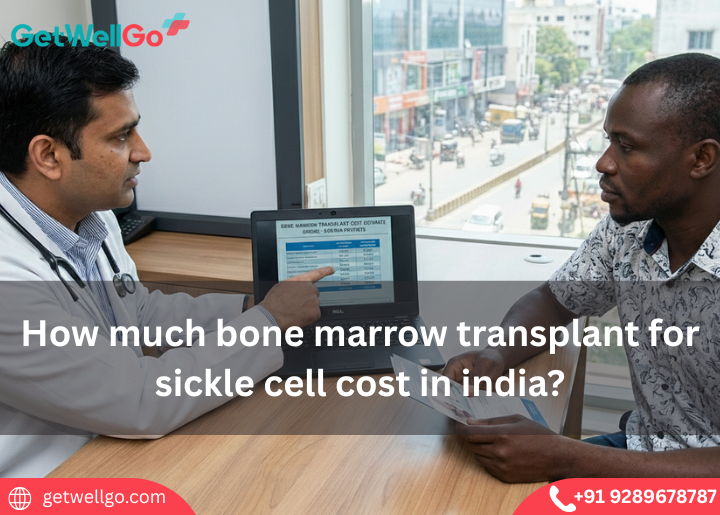
Bone Marrow Transplant Treatment Cost in India is affordable. Learn how much bone marrow transplant cost in india saves you. Get a free quote today.
Read More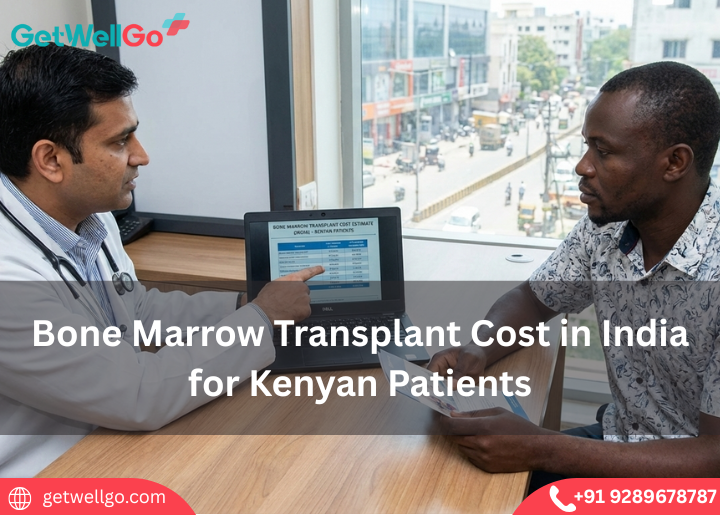
Bone Marrow Transplant Cost in India for Kenyan Patients starts low here. We offer complete medical tourism packages including travel. Save on your surgery.
Read More.png)
Kidney Transplant Surgery is your second chance. We arrange safe procedures to help you stop dialysis forever. reclaim your freedom with our expert support.
Read More
Robotic Surgery for Lung Transplants in India aids quick recovery. We arrange affordable, world-class care for you. Get back to breathing freely very soon.
Read More
Bone Marrow Transplant Cost in India for Nigerian Patients is flexible. We negotiate the best rates for you at top hospitals. Check your eligibility today.
Read More