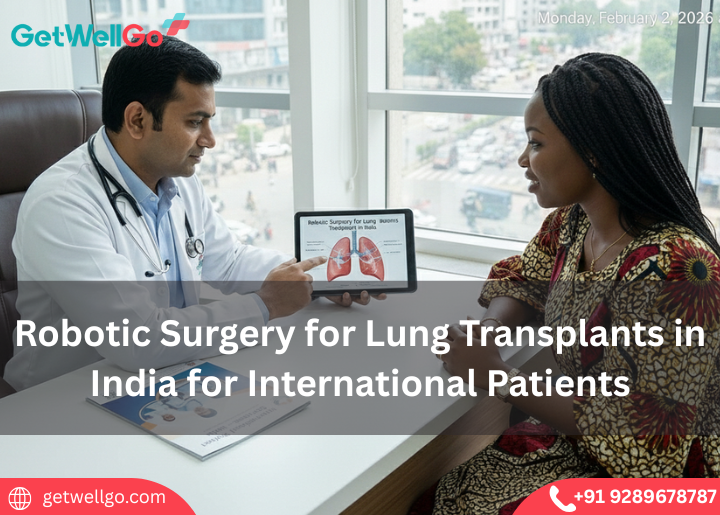
Robotic Surgery for Lung Transplants in India for International Patients
Robotic Surgery for Lung Transplants in India aids quick recovery. We arrange affordable, world-class care for you. Get back to breathing freely very soon.
Factors Affecting Robotic lung transplant India cost
The following are the key considerations that influence the price of robotic lung transplant in India:
Transplant Type
Single vs Double vs Heart-Lung Transplant: Single lung transplant is significantly more cost effective than double lung or heart-lung transplant because it involves less operating time and is not as technically demanding and the patient does not require as much post-operative care.
Robotic vs Open Surgery: Because of the complexity of equipment used and the need for the use of disposable instruments, robotic surgeries are usually more costly than the open surgeries. More advanced technology (robotic or laparoscopic) utilizes specialized equipment, which will be an additional cost.
Hospital & City Location
Metro vs Tier-2/Tier-3 Cities: The hospitals in larger cities are usually costlier than those in smaller cities due to higher infrastructure cost and demand there.
Hospital Type and Reputation: High-end private/internationally-accredited hospitals (NABH, JCI) with robot suites are likely to command premium fees.
Surgeon’s Expertise & Team
Experience Level: Thoracic and transplant surgeons (particularly those having special training in robotic lung transplant procedures) are highly experienced and thus their professional rates are high.
Multidisciplinary Team expenses: Lung transplantation requires a team consisting of transplant surgeons, anaesthesiologists, pulmonologists, intensivists, nurses and physiotherapists which makes the cost to be higher.
High- Technology and Robotic System Prices
Capital/ Consumable Costs: robotic systems cost a lot to purchase (several crores) and maintain and each case necessitates disposable instruments increasing the per-surgical costs relative to standard surgery.
Niche OT Employees: Robotic system needs trained operating room personnel to dock/undock and assist intra-operative, which also increases hospital bills.
Pre-Operative Evaluation and Diagnostics
Extensive Testing: Patients have blood tests, imaging (CT, chest X-rays) and pulmonary function tests, cardiac tests, infection screening and donor matching which are an added burden of preparation costs.
Donor Lung Procurement
Organ Retrieval Logistics: Costs of the donor lung retrieval, preservation and transportation may vary widely based on the distance and speed that the organ requires to be transported to the transplant centre.
Stay in Hospital and ICU Charges
Prolonged ICU or ward stay ( usually related to complex or robot-assisted surgeries) are tremendously expensive due to daily room charges, nursing care, ventilator use, and so on.
Drugs and anti-rejection therapy
Immunosuppressants: To prevent organ rejection Lifelong immunosuppressive therapy is a significant on-going expense, (which can cost thousands of rupees monthly).
Follow-Ups/ Rehabilitation: Frequent follow-up visits, physiotherapy, respiratory rehabilitation, dietary counselling and tests are necessary but will contribute to the overall financial outlay in the long run.
Problems of complications and recovery
Unforeseen Problems: The additional costs because of the further treatment, the increase of ICU, and the extra diagnostics may be considerable because of the post-operative complications (infections, re-operations, graft rejection).
Lung transplant robotic surgery international patients
The reason why International Patients opt to get Lung Transplants in India:
Quality care at relatively reduced prices
Even advanced procedures and care, India lung transplant costs may be much less than in Western countries (usually 60-70 less than in the U.S. and Europe) even with the latest practices and treatments.
Global excellence in hospitals and skills
Indian hospitals, especially the major ones, have had transplant teams and high-level ICU support, on par with the international standards.
Medical tourism infrastructure
Numerous service providers specializing in international patient services assist in visa, travel, accommodation, interpreter services, logistics, and post-care processes.
Ease of logistics
India is usually a frequent choice among Asian, Middle Eastern, African, CIS country and even some European patients who want to receive specialist treatment at a low cost but without compromising quality.
Indian Robotic Lung Transplant and Thoracic surgery
Robotic capabilities
Although fully robotic lung transplants (when the whole operation is robotically executed) are uncommon and highly specialized (there are only several such programs in the world), India has highly developed robotic thoracic surgery programs and the most progressive minimally invasive procedures, which minimize traumas of surgical intervention and enhance quality.
Full robotic solutions for Full double lung transplant are more of an experiment in other parts of the world (e.g., some facilities in the world such as NYU Langone already have reported them), and therefore India tends to concentrate on robot-assisted elements of the surgical regimen.
Lung transplant success rate India foreigners
The following is a current photo of the success rates of lung transplant in India:
Surgical Success
According to most Indian centres, immediate surgical success rate is very high with most indicating more than 95 per cent, i.e. the transplant process itself is successful with no peri-operative mortality.
Short-Term Survival
In major transplant centres in India 1-year survival rates of recipients of lung transplant are usually reported within 80 to 90 percent ranges.
Mid- to Long-Term Survival
Survival rates are not fixed but are usually quoted between 50 to 70 per cent with respect to such variables as the health of the patient, his/ her age, and experience of the centre.
Double lung robotic transplant cost India abroad
The following are the main variables that influence the cost of a robotized transplant of the lungs that require two lungs in India:
Type and Complexity of the Procedure
A double lung transplant involves replacement of both lungs, which is more demanding in terms of time and resources than a single lung transplant as well as in terms of ICU support, mandating this, which usually is more costly by 40-60 percent.
A robotic system (e.g., to perform a thoracic dissection, or to work with precision) introduces technology and disposable instrument costs and can cost more to perform surgery than in conventional open surgeries. Robotic systems and consumables are expensive to purchase and maintain there is usually a premium applied on their usage.
Hospital & Infrastructure
International accredited hospitals (such as NABH/JCI), tertiary care centres and centres that have specialized transplant and robotic suites cost more.
Large metropolitan cities tend to charge higher on surgeries and hospital stays than small cities because of the increased cost of operation and demand.
The patients of the doubled lung transplant require long time ICU care, ventilators and more complex care which are highly contributing to the daily hospitalization expenditures.
Surgeon’s Experience & Team
Thoracic and transplant surgeons are highly experienced surgeons with the highest professional fees usually being charged by those who have been trained internationally or have good results.
The procedure would be performed by a team of lung specialists, anaesthesiologists, intensivists, and surgical assistants, nurses trained in the procedure and rehabilitation specialists, which would contribute to raising the costs even more.
Pre-Operative Assessment and Donor Logistics
Prolonged pre-operative testing costs, including pulmonary testing, x-rays, blood, infection screening and donor matching, are extra costs to initial cost.
The logistics of organ retrieval, preservation and transport, particularly when the organ donor is out of range, may be significantly expensive.
Hospitalization and Aftercare
Extended stay in hospital, particularly in ICU or transplant recovery units is costly in terms of room rates, nursing staff and ventilator expenses.
Other measures to treat complications (infection, rejection, bleeding) or prolonged support (ECMO, prolonged ventilation) will have an overall cost implication.
Drugs and Long-term care
The drugs that maintain the immunosuppressant lifelong to prevent rejection are a significant and repeated expense even after the discharge has taken place.
Frequent follow-up visits, pulmonary rehabilitation, physiotherapy and constant monitoring contribute to the short run and long run costs.
Robotic lung transplant recovery international
Here’s some international-patient-centred information about recovery after lung transplant:
Immediate recovery (days 1-7 in the ICU)
What to Expect
3-7 days in the ICU
Ventilator support: 24-72 hours, occasionally more.
Observation: Oxygenation levels, graft work, signs of infection, blood pressure, and arrhythmia.
Chest tubes & drains are withdrawn gradually as the lungs grow and the fluid decreases.
Advantages of Robotic Approach:
Smaller incisions
Reduced surgical trauma
The pain is less, and mobilization is faster, than with open surgery.
Hospital Recovery (Weeks 1-3)
Hospital Stay
Total stay: 2-4 weeks in case of international patients.
Includes ICU + transplant ward + early rehab.
Care Includes
Walking programs, spirometry, exercises to breathe.
Medication stabilisation
Nutrition management
Tests to observe: chest x-rays, blood tests, bronchoscopy (if necessary)
Host Country International Patient Stay (Weeks 3-8)
The majority of transplant centers suggest that one should be in the country 4-8 weeks after leaving the hospital before returning to their home.
Why This Matters
Close monitoring for:
Acute rejection
Infections
Medication side effects
Immunosuppressants dose changes.
Emergency access to transplant team in case of necessity.
Resumption of normal activity with time of 2-3 months.
Breathing Improvement
Most patients also report significant improvement of breathing in few weeks.
A complete lung adjustment can be as long as 6-12 months.
Medications & Long-Term Care
Lifelong Requirements
Immunosuppressants (once a day, lifelong)
Preventive antibiotics/antivirals
Frequent blood tests and pulmonary tests.
The international patient planning
Before leaving:
A 3-6 months medication supply should be secured.
Obtain a written care protocol in your transplant center.
Find a local pulmonologist or transplant aware doctor in your country of residence.
Flying and Travelling With Lung Transplant
Typical Clearance
Stability based on 4-8 weeks after discharge.
Requirements
Fit-to-fly medical certificate.
Oxygen in the air (when recommended)
Compression stockings
Post-transplant travel insurance.
Best robotic transplant surgeons India global
Dr. Kuldeep Singh
Dr. Arvind Kumar
Dr. Kamran Ali
Conclusion
Robotic and robot-assisted lung transplant in India is the new favorite destination for foreign patients who had the advantage of state-of-the art surgical technology, experienced multi-disciplinary transplant teams and substantially lower cost of treatment in comparison to many countries in the West. Complete robot double lung transplants are extremely rare worldwide, but India has excellent lung transplant programs with robotic assistance when indicated, strong ICU and rehab support and specialized services for international patients. Outcomes and survival rates are widely accepted to be on par with global standards, as long as patients are properly selected and committed to lifelong follow-up and immunosuppressive therapy.
Robotic lung transplant India GetWellGo
GetWellGo is regarded as a leading supplier of healthcare services. We help our foreign clients choose the best treatment locations that suit their needs both financially and medically.
We offer:
Complete transparency
Fair costs.
24 hour availability.
Medical E-visas
Online consultation from recognized Indian experts.
Assistance in selecting India's top hospitals for Robotic Lung Transplant.
Expert robotic surgeons with a strong track record of success
Assistance during and after the course of treatment.
Language Support
Travel and Accommodation Services
Case manager assigned to every patient to provide seamless support in and out of the hospital like appointment booking
Who can donate bone marrow for a family member? Discover the eligibility rules, matching process, and steps Nigerians need to follow. Learn more inside.
What are bone marrow disorders? This complete guide breaks down the various types, causes, and available treatment paths for Nigerian patients. Read more now.
Curious how much a liver transplant costs? This guide breaks down real prices in Nigeria and India, so Nigerian patients can plan and budget confidently.
We help Zambian patients reach the best kidney transplant hospital in India — Apollo, Medanta, Fortis & Manipal, with a dedicated case manager from day one.
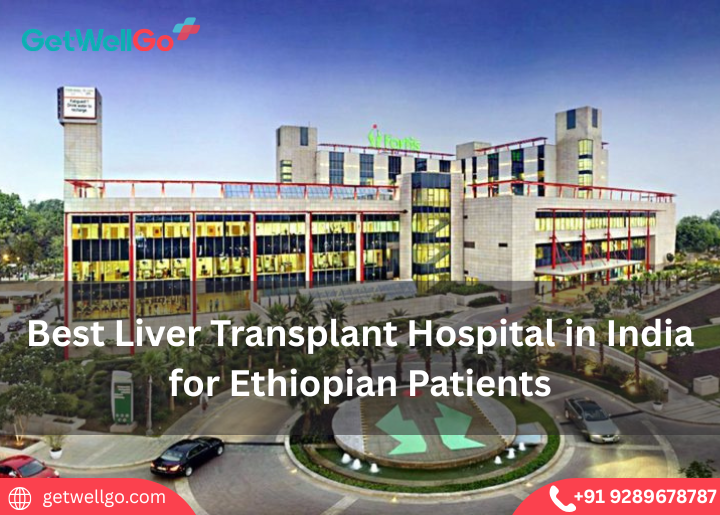
We help Ethiopian patients find the best liver transplant hospital in India — Apollo, Medanta, FMRI & more. 4,300+ transplants done. Your care starts here.
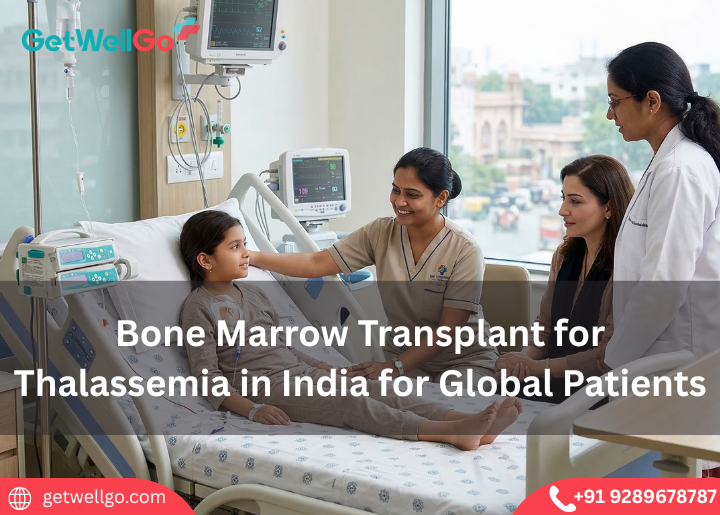
Bone Marrow Transplant for Thalassemia in India stops the need for constant blood transfusions. GetWellGo handles your specialist, visa, and safe stay.
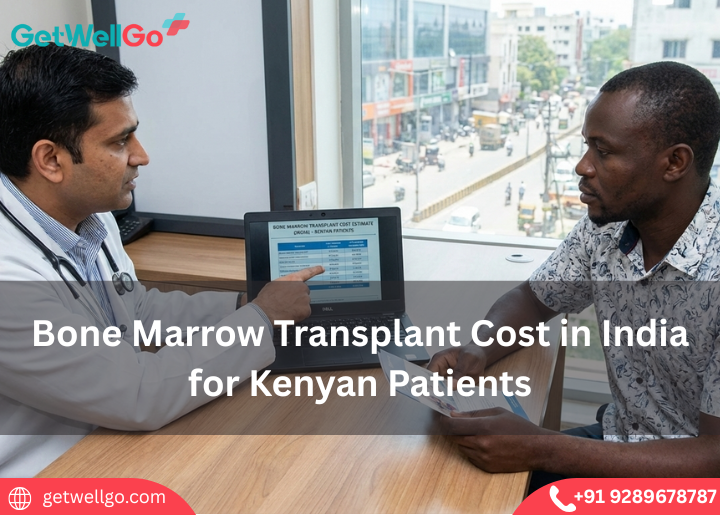
Bone Marrow Transplant Cost in India for Kenyan Patients starts low here. We offer complete medical tourism packages including travel. Save on your surgery.
Kidney Transplant Surgery is your second chance. We arrange safe procedures to help you stop dialysis forever. reclaim your freedom with our expert support.
Bone Marrow Transplant Cost in India for Nigerian Patients is flexible. We negotiate the best rates for you at top hospitals. Check your eligibility today.





.png)