Who Can Donate Bone Marrow for a Family Member? A Guide for Nigerians
Who can donate bone marrow for a family member? Discover the eligibility rules, matching process, and steps Nigerians need to follow. Learn more inside.
Read More
Considering bone marrow transplant at Fortis Hospital India? Explore treatment costs, recovery timelines, and what Nigerian patients can expect.
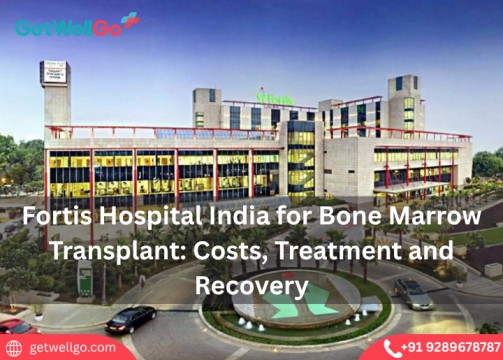
Patients who have severe blood disorders may have an important decision to make when choosing a transplant center for specialized care. Fortis Hospital India is a part of a large private healthcare chain that has the specialist teams of haematology, oncology and transplant. Patients coming from abroad can also avail of coordinated medical travel services while taking medical treatment in India. Bone Marrow Transplant (BMT) or hematopoietic stem cell transplant might be suggested for disorders that include leukemia, lymphoma, multiple myeloma, aplastic anemia, thalassemia and certain inherited blood disorders. In certain sickle cell patients, stem cell transplantation can be a potentially curative treatment, if they have the right medical criteria. This is a guide about Bone Marrow Transplant treatment in Fortis hospitals in India, cost of the treatment, treatment process, recovery from the treatment and how GetWellGo can help international patients.
A Bone Marrow Transplant is the replacement of diseased or damaged blood-forming stem cells with healthy stem cells from the bone marrow. These cells can give rise to red blood cells, white blood cells and platelets.
Doctors might use:
The decision will depend on the condition of the underlying disease, donor availability, age, overall health, previous treatments and evaluation of the transplant.
Fortis hospital India has multi-specialty teams that might consist of hematologists, medical oncologists, transplant physicians, intensive-care specialists, infectious-disease specialists, nurses, nutritionists and different health-care professionals. The process of treatment planning usually starts with the evaluation of medical history and diagnostic reports for international patients. The transplant team can then decide if transplant is suitable and suggest any further tests for investigation prior to treatment.
Depending on the patient's condition and the facility chosen at Fortis, the evaluation may include:
Treatment options and tests will differ depending on the individual patient.
For those with complex and severe sickle cell disease the ties between sickle cell and bone marrow transplant treatment are especially relevant. Sickle cell disease is a blood disorder passed from parent to child in which the red blood cells become stiff and sickle-shaped because of the presence of an abnormal kind of hemoglobin. This may cause anemia, painful attacks, infections, organ complications and other health issues. An allogeneic stem cell transplant can potentially replace the patient's abnormal blood-forming system with healthy donor stem cells. But not all people with sickle cell disease will be automatically a candidate for transplantation.
Doctors take into consideration:
A specialist consultation is necessary before considering transplantation for patients interested in the sickle cell and bone marrow transplant in India.
There are various phases to a typical Bone Marrow Transplant.
The expenses of Bone Marrow Transplant in India are prone to huge variations depending on the disease, Bone Marrow Transplant type, hospital, the requirements of the donor, the complexity of the treatment and the length of stay.
The cost of a BMT in India is roughly USD 10,000 or higher but may vary based on the specific case.
If the patient is an international patient the final assessment should be made after examining the patient's medical records.
The entire transplant process can be weeks or months long. The conditioning phase is typically followed by stem cell transplantation and very careful monitoring for engraftment to take place. The risk of hospitalization is dependent on blood counts, risk of infection, response to treatment and complications. Patients should also be planning for follow-up appointments post-discharge. They may have to stay in India for the time recommended by their transplant team for international patients.
The process of recovery after Bone Marrow Transplant is slow. The immune system may take a long time to recover after the discharge.
Patients may need:
Graft versus host disease (GVHD) is one of the major complications following an allogeneic transplant when the donor's immune cells attack the recipient's tissues. Patients are carefully watched for signs and symptoms and complications are treated if they arise. Recovery time will depend on the type of transplant, the patient's age, his/her general health, the underlying disease and complications.
Going to India for transplantations calls for more than just the medical procedure; it necessitates careful planning. International patients may require help with medical records, hospital appointments, visa documentation, accommodation, airport transfers, transportation and communicating with the medical staff.
GetWellGo can help patients find appropriate doctors and hospitals, provide estimates for the treatment, schedule appointments and arrange services while in the country. Patients can provide their medical records for initial screening. Considering all the information available, suitable specialists and treatment alternatives can be explored prior to travelling to India.
International patients who have a medical condition requiring specialized care in hematology and transplant should consider the Fortis Hospital India for their treatment with the availability of the required program and medical suitability of the patient. A BMT can be performed for a number of serious blood and immune disorders and in selected patients with severe sickle cell disease. Patients should have a one-on-one treatment plan and a cost estimate prior to travel for transplant because the treatment is detailed, donor matching, conditioning, stem cell infusion, monitoring and long-term follow up are involved. GetWellGo can assist international patients in organising consultations with doctors, choosing hospitals, arranging travel and helping with treatment support in India.
GetWellGo is regarded as a leading supplier of healthcare services. We help our international clients choose the best treatment locations that suit their needs both financially and medically.
We offer:
Who can donate bone marrow for a family member? Discover the eligibility rules, matching process, and steps Nigerians need to follow. Learn more inside.
Read More
What are bone marrow disorders? This complete guide breaks down the various types, causes, and available treatment paths for Nigerian patients. Read more now.
Read More
Curious does liver grow back after transplant? Learn how regeneration happens in both donor and recipient, and what it means for Nigerian families.
Read More
Curious how much a liver transplant costs? This guide breaks down real prices in Nigeria and India, so Nigerian patients can plan and budget confidently.
Read More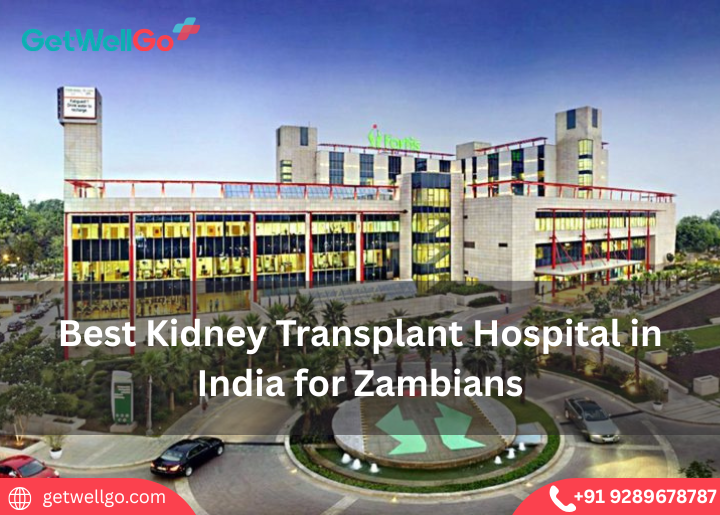
We help Zambian patients reach the best kidney transplant hospital in India — Apollo, Medanta, Fortis & Manipal, with a dedicated case manager from day one.
Read More
We help Ethiopian patients find the best liver transplant hospital in India — Apollo, Medanta, FMRI & more. 4,300+ transplants done. Your care starts here.
Read More
Bone Marrow Transplant for Thalassemia in India stops the need for constant blood transfusions. GetWellGo handles your specialist, visa, and safe stay.
Read More
Bone Marrow Transplant Treatment Cost in India is affordable. Learn how much bone marrow transplant cost in india saves you. Get a free quote today.
Read More
Bone Marrow Transplant Cost in India for Kenyan Patients starts low here. We offer complete medical tourism packages including travel. Save on your surgery.
Read More.png)
Kidney Transplant Surgery is your second chance. We arrange safe procedures to help you stop dialysis forever. reclaim your freedom with our expert support.
Read More
Robotic Surgery for Lung Transplants in India aids quick recovery. We arrange affordable, world-class care for you. Get back to breathing freely very soon.
Read More
Bone Marrow Transplant Cost in India for Nigerian Patients is flexible. We negotiate the best rates for you at top hospitals. Check your eligibility today.
Read More