
Who Can Donate Bone Marrow for a Family Member? A Guide for Nigerians
Who can donate bone marrow for a family member? Discover the eligibility rules, matching process, and steps Nigerians need to follow. Learn more inside.
Read More
Curious does liver grow back after transplant? Learn how regeneration happens in both donor and recipient, and what it means for Nigerian families.

Liver transplant may be a life-changing procedure for individuals with severe liver disease, liver failure and some liver cancer. A very common patient/family inquiry is: Does the liver grow back after a transplant? The answer is dependent on the form of transplant and which part of the liver is affected. Liver has an extraordinary liver regeneration capacity. That is, in a living-donor liver transplant, the liver in the recipient can grow and change to respond to a new liver and the donor's liver can expand and grow in response to the body's needs. But that doesn't imply that the liver simply regrows precisely as it was prior to the injury. To help patients have an informed discussion with a transplant specialist, it is important to understand liver regeneration, liver transplant recovery and long-term care for those that are considering the transplant in India.
So, can the liver regenerate after transplanting? The liver is able to regenerate to a great extent following the surgical procedure in many cases. This is especially crucial in living-donor transplantation, where just a portion of a donor's liver is transplanted into the recipient. The liver is a highly regenerative organ. When there is a partial removal of the liver, the remaining part will grow and regenerate to form adequate liver mass for normal function.
During a living donation transplant:
The liver expands in size but does not always regain its original shape and structure.
Liver cells called hepatocytes have the ability to regenerate if more liver cells are required. After the removal of a portion of liver, biological signals are activated in the body to promote liver cell growth. This is known as liver regeneration.
The extent of liver regeneration depends on several factors such as:
The liver responds to surgery initially but adapts over time and in general it happens more quickly in the early period after surgery.
The liver's ability to regenerate is one of the reasons that living-donor transplantation is possible. If a healthy liver is transplanted, the liver regrows the week after its transplant and continues to grow for weeks and months. The liver cannot regenerate the part that has been removed but the remaining portion may regrow to a size adequate to maintain normal liver functions. Therefore, careful evaluation is necessary for living-donor transplantation. It is important that the transplant team ensures that the donor has sufficient healthy liver tissue left after giving the transplant and the recipient receives a sufficient graft. Potential donors must pass a full medical exam before being accepted for surgery. The process is designed to enhance the safety of both the donor and the recipient.
Another crucial question concerning does liver grow back after transplant is whether or not the transplanted part can grow within the recipient. In living-donor transplantation, the transplanted liver segment may expand following transplantation and adapts to recipient's body and metabolic needs. The transplant team will assess whether the liver segment they are receiving is big enough for the patient. This is particularly relevant as the size of the graft is not big enough to ensure liver function. So the transplant surgeon takes patient-specific factors into consideration including overall health, liver disease and body size when determining the size of the graft.
A liver transplant from a living donor will be different from a liver transplant from a deceased donor. During a deceased-donor transplant, the recipient typically gets a whole liver. The whole organ is transplanted so the question of re-growth of the liver becomes less important for the recipient. The transplanted liver may change in size and function as it becomes accustomed to its new surroundings. The recipient does not await the regeneration of part of his/her liver, however. The decision between living-donor and deceased-donor liver transplantation will be based on medical suitability, availability of donors, transplant regulations and recommendations from the treating team for patients.
In living-donor transplantation, liver regeneration is especially useful to be able to transplant a smaller portion of the liver.
This has 2 great benefits:
However, the risks of major surgery still exist after liver regeneration. There is a need for careful evaluation and monitoring of donors and recipients.
The patient is not a single time frame patient.
Bigger parts of the liver can be recovered in the first few weeks and months after some has been removed. But this is dependent on the individual and the surgical situation. It is important for patients to know that size and function may not necessarily be the same thing. The liver can become larger and functional recovery takes its own time. Doctors can check recovery following transplantation through regular blood tests, imaging tests and clinical evaluations.
Liver transplantation is just one of the aspects to prepare for and an understanding of liver growth after transplantation is just one of them. It's just as important to recover after surgery.
Patients are often closely monitored in the hospital following a liver transplant. Regular check-ups with a doctor can be scheduled to assess:
Patients receive drugs to suppress the immune system to prevent it rejecting the liver transplant. It's all very important to take your medicines. Do not stop or adjust any of the medicines that you have taken for your immune system.
Nigerian patients should carefully plan their treatment in India. This can include medical record review, consult with specialties, testing, evaluation for transplantation, surgery, in-patient care and post-surgery monitoring.
Ideally, patients should have their medical records organized prior to travel and should include:
If a living donor is being considered then a detailed medical assessment of the donor must also be conducted. People should be aware of the amount of time that is expected to be spent in the hospital, recovery time, follow-up appointments, medications and possible complications with the transplant team before making travel plans.
For many patients a successful transplant can mean long-term survival and quality of life. No transplant, however, can be guaranteed for a certain number of years.
Long-term outcomes are influenced by a variety of factors such as:
No. While the liver's ability to regenerate is extraordinary, liver transplantation is still a large surgical procedure. Bleeding, infection, bile-duct problems, blood-vessel complications, rejection and side effects of medication are potential complications. There are also surgery-related risks for living donors and there is a long-term follow-up of living donors. Therefore, donors and recipients need to be evaluated at a reputable transplant center.
If you're considering treatment overseas, you may want to learn about liver regeneration in order to better understand why living-donor transplantation can be performed but the decision to select a transplant program is not as simple as understanding liver regeneration. GetWellGo can help Nigerian patients with the medical travel process, helping to match patients to a suitable hospital/specialist in India and arranging appointments, supporting travel arrangements and educating patients about the treatment process. Transplantation will be considered appropriate based on the clinical factors including diagnosis, liver function and overall health of the patient.
Therefore, is liver regrowth possible after liver transplant? The liver is an extraordinary organ that can regenerate itself, especially if part of it is removed. With a living donor, the transplanted portion of liver is able to expand and thrive while the donor's liver recovers. Regeneration does not imply the liver is making an exact replica of the liver tissue it lost, however. Knowing about the liver transplant procedure can help ease the anxiety of patients in Nigeria who are thinking about the surgery and emphasize the need for specialized evaluation, donor selection, postoperative care and ongoing monitoring. GetWellGo can assist you in the process of liver transplantation in India and introduce you to the right liver transplant hospitals and doctors in your country as per your medical requirement.
Who can donate bone marrow for a family member? Discover the eligibility rules, matching process, and steps Nigerians need to follow. Learn more inside.
Read More
What are bone marrow disorders? This complete guide breaks down the various types, causes, and available treatment paths for Nigerian patients. Read more now.
Read More
Considering bone marrow transplant at Fortis Hospital India? Explore treatment costs, recovery timelines, and what Nigerian patients can expect.
Read More
Curious how much a liver transplant costs? This guide breaks down real prices in Nigeria and India, so Nigerian patients can plan and budget confidently.
Read More
We help Zambian patients reach the best kidney transplant hospital in India — Apollo, Medanta, Fortis & Manipal, with a dedicated case manager from day one.
Read More
We help Ethiopian patients find the best liver transplant hospital in India — Apollo, Medanta, FMRI & more. 4,300+ transplants done. Your care starts here.
Read More
Bone Marrow Transplant for Thalassemia in India stops the need for constant blood transfusions. GetWellGo handles your specialist, visa, and safe stay.
Read More
Bone Marrow Transplant Treatment Cost in India is affordable. Learn how much bone marrow transplant cost in india saves you. Get a free quote today.
Read More
Bone Marrow Transplant Cost in India for Kenyan Patients starts low here. We offer complete medical tourism packages including travel. Save on your surgery.
Read More.png)
Kidney Transplant Surgery is your second chance. We arrange safe procedures to help you stop dialysis forever. reclaim your freedom with our expert support.
Read More
Robotic Surgery for Lung Transplants in India aids quick recovery. We arrange affordable, world-class care for you. Get back to breathing freely very soon.
Read More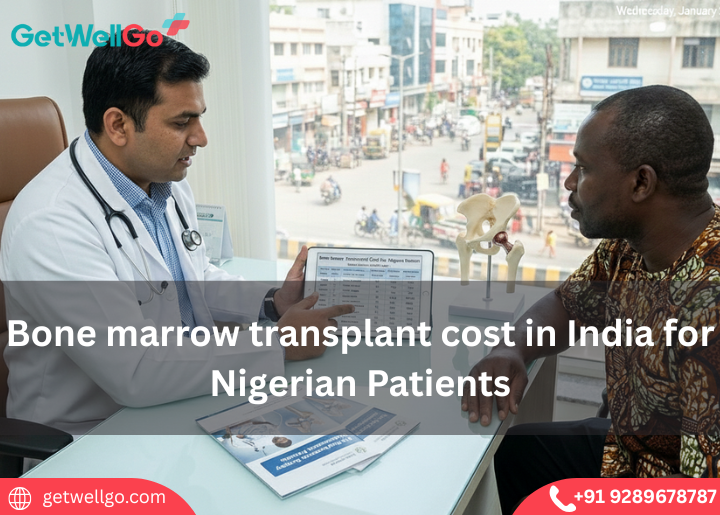
Bone Marrow Transplant Cost in India for Nigerian Patients is flexible. We negotiate the best rates for you at top hospitals. Check your eligibility today.
Read More