What Are Bone Marrow Disorders? A Guide for Nigerian Patients
What are bone marrow disorders? This complete guide breaks down the various types, causes, and available treatment paths for Nigerian patients. Read more now.
Read More
Who can donate bone marrow for a family member? Discover the eligibility rules, matching process, and steps Nigerians need to follow. Learn more inside.
A bone marrow transplant might be a significant treatment option for family members with blood disorders like sickle cell disease, leukemia, aplastic anemia or some inherited immune disorders in Nigeria. One of the initial inquiries that families have is: Who can donate bone marrow?
One essential aspect of transplanting is the need to find an appropriate donor. Blood relations could be a possible donor but not necessarily. Rarely, doctors have to conduct more special tests to see if the donor and the recipient match. This guide provides information on who can donate bone marrow, how donor matching works and what Nigerian patients should know when considering bone marrow transplant in India through GetWellGo.
Bone marrow is tissue inside some types of bone that makes blood cells such as red blood cells, white blood cells and platelets. For some severe illnesses, the bone marrow may not be able to work properly or to make abnormal cells. Also called a hematopoietic stem cell transplant (HSCT), a bone marrow transplant is the replacement of damaged or diseased blood-forming stem cells with healthy stem cells from a donor or the patient's own body. Bone marrow donation is the procedure by which healthy blood-forming stem cells (BFSC) are removed from a donor who is compatible with the recipient. The recipient is then infused with these cells following proper medical preparation.
Ideally, the donor should be a person with a tissue type similar to the patient's human leukocyte antigen, or HLA. Family members are most likely to be tested first since they have a greater likelihood of sharing markers that are compatible.
Possible donors can be:
But family relationship is not the only criterion for eligibility; it also depends on medical assessment and HLA matching.
One of the most crucial pieces of information to consider for determining who can donate bone marrow is HLA matching. HLA proteins are proteins located on the surface of the cells. They assist the immune system to recognise the difference between the body and foreign substances. Prior to bone marrow transplantation, the patient and the candidate donor(s) are HLA typed. The outcomes are contrasted in order to determine the level of compatibility. A closer HLA match may mean lower risk of complications including graft-versus-host disease (GVHD) which is an attack by the donor's immune system on the recipient's tissues.
Several factors are taken into account by doctors:
Blood group compatibility may not be required for bone marrow donation. The ability of a donor to be compatible with a recipient typically depends more on HLA compatibility.
Blood group compatibility of the donor and recipient does not dictate whether the donor can donate to the recipient's bone marrow. A relative, for instance, might have the same blood group as the patient but be poor HLA match. On the other hand, a donor who does not have the same blood group might be acceptable in certain circumstances. For this reason, special HLA testing is necessary prior to donor selection.
Before a person can become a donor, he or she will need a comprehensive medical examination. The selection process is different at each transplant center and medical regulations.
In general, the donor should:
The final decision is always based on the opinion of the transplant physician and donor evaluation team.
There are 2 main ways to harvest blood-forming stem cells.
Donation of stem cells from peripheral blood
Yes, under some circumstances. The availability of a full HLA-matched sibling is sometimes preferred but progress in transplantation has given rise to the use of partially matched donors.
These may include:
Other alternative donor sources include:
If there is no suitable family donor, there are international donor registries for searching for an unrelated compatible donor. Advanced transplant centres in India could offer other treatment options for Nigerian patients. Indian hospitals have set up specialised programs in haematology and bone marrow transplantation offering services to foreign nationals suffering from diseases like leukemia, lymphoma, thalassemia and sickle cell disease. GetWellGo assists the patients from abroad to arrange medical consultations, donor evaluation, medical testing, hospital selection, travel, lodging and treatment assistance in India.
Nigeria is a significant sickle cell disease and other blood disorders burden which demands expert haematology services. When regular treatments are not enough or the disease is very serious, a bone marrow transplant might be recommended for some patients.
Prior to travelling to receive treatment, Nigerian families should obtain appropriate medical documentation such as:
A consult with a transplant specialist by phone can help decide if transplantation is right for you and if there are any more tests that need to be done.
Many families who want to consider bone marrow transplantation should first learn about who can donate bone marrow to help. Siblings and other close family members are the first to be tested but it is not blood that is the key to compatibility but HLA tissue matching and medical suitability. In some instances, parents, children and partially matched family members may be considered as well. Consulting a qualified transplant specialist as early as possible can help Nigerian patients identify potential donors and the best course of treatment. GetWellGo aids families to reach out to skilled Indian hospitals and transplant surgeons and also arranges the logistics of overseas medical care.
GetWellGo is regarded as a leading supplier of healthcare services. We help our Nigerian clients choose the best treatment locations that suit their needs both financially and medically.
We offer:
What are bone marrow disorders? This complete guide breaks down the various types, causes, and available treatment paths for Nigerian patients. Read more now.
Read More
Considering bone marrow transplant at Fortis Hospital India? Explore treatment costs, recovery timelines, and what Nigerian patients can expect.
Read More
Curious does liver grow back after transplant? Learn how regeneration happens in both donor and recipient, and what it means for Nigerian families.
Read More
Curious how much a liver transplant costs? This guide breaks down real prices in Nigeria and India, so Nigerian patients can plan and budget confidently.
Read More
We help Zambian patients reach the best kidney transplant hospital in India — Apollo, Medanta, Fortis & Manipal, with a dedicated case manager from day one.
Read More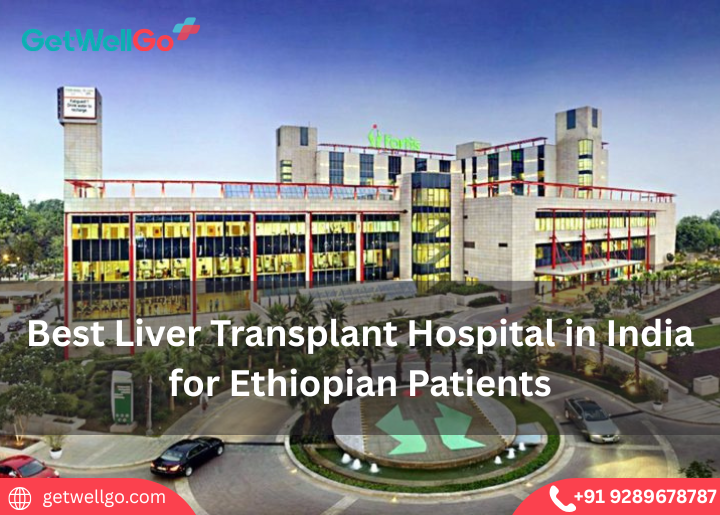
We help Ethiopian patients find the best liver transplant hospital in India — Apollo, Medanta, FMRI & more. 4,300+ transplants done. Your care starts here.
Read More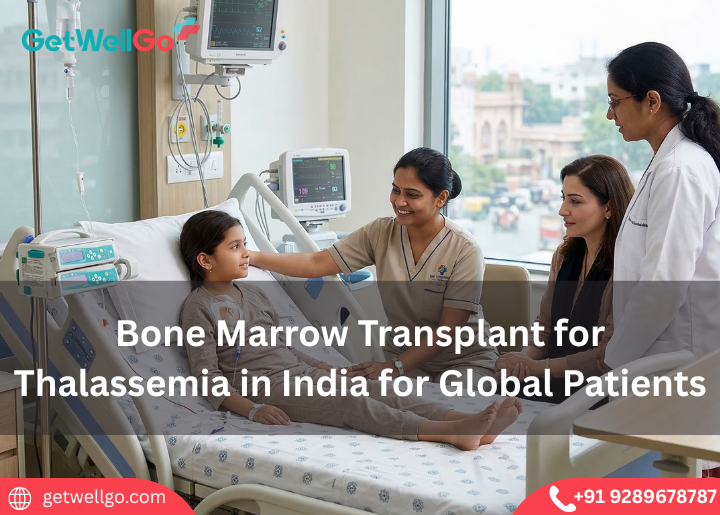
Bone Marrow Transplant for Thalassemia in India stops the need for constant blood transfusions. GetWellGo handles your specialist, visa, and safe stay.
Read More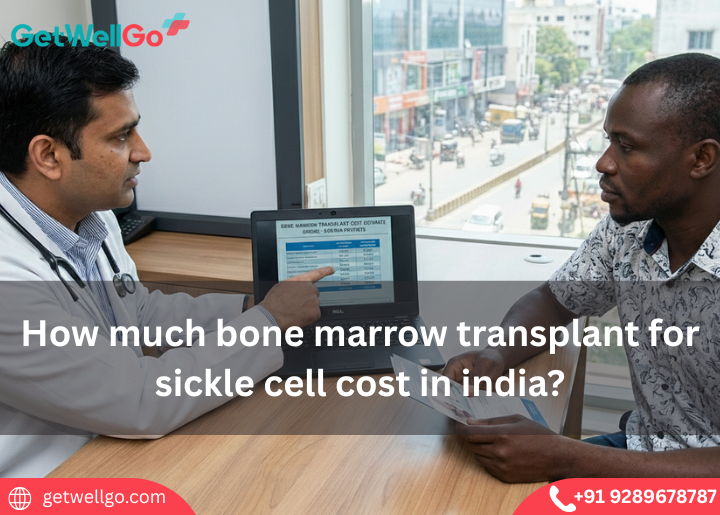
Bone Marrow Transplant Treatment Cost in India is affordable. Learn how much bone marrow transplant cost in india saves you. Get a free quote today.
Read More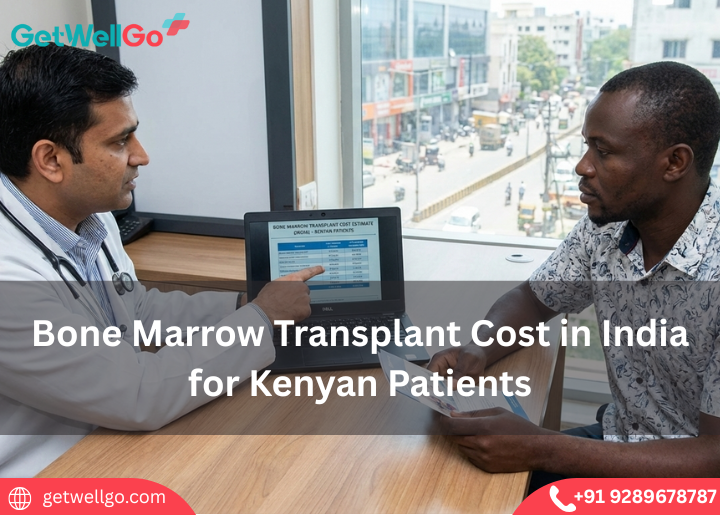
Bone Marrow Transplant Cost in India for Kenyan Patients starts low here. We offer complete medical tourism packages including travel. Save on your surgery.
Read More.png)
Kidney Transplant Surgery is your second chance. We arrange safe procedures to help you stop dialysis forever. reclaim your freedom with our expert support.
Read More
Robotic Surgery for Lung Transplants in India aids quick recovery. We arrange affordable, world-class care for you. Get back to breathing freely very soon.
Read More
Bone Marrow Transplant Cost in India for Nigerian Patients is flexible. We negotiate the best rates for you at top hospitals. Check your eligibility today.
Read More