Who Can Donate Bone Marrow for a Family Member? A Guide for Nigerians
Who can donate bone marrow for a family member? Discover the eligibility rules, matching process, and steps Nigerians need to follow. Learn more inside.
Read More
Bone Marrow Transplant Cost in India for Nigerian Patients is flexible. We negotiate the best rates for you at top hospitals. Check your eligibility today.
Here is a concise list covering the major aspects that impact the bone marrow transplant (BMT) cost in India:
Sudden care needs (e.g., ICU stays), acute infections, or graft-versus-host disease can also increase costs in part because of the need for intensive monitoring/observation, expensive drugs, and other supportive services.
Highly trained transplant team and specialists are widely used and may have high professional fees which could be passed over to the billing.
These extra costs may be considerable to the Nigerian patients or other foreigners visiting the country:
They are not typically included in the quote of the hospitals and must be budgeted separately.
The following is a good breakdown of the cost of Bone Marrow Transplant (BMT) in India and a medical visa and travel package of the Nigerian patient planning to be treated in India:
India Bone Marrow Transplantation Estimation: $10,000
In the case of international patients, India is still considered to be one of the most affordable countries to receive BMT and have quality care and affordable prices compared to the Western ones.
The Nigerian citizens require a Medical Visa (MED Visa) to travel to India to obtain treatment.
Typical documents include:
The following services are commonly packaged together by the majority of patients or facilitators directly by the hospitals or via international patient services / medi-tourism facilitators:
What’s Often Included:
The number of BMTs that India does annually has been high and the results are at the international level. The outcome is dependent on such factors as type of transplant, disease, quality of donor match, age, and overall health.
The results sometimes lead to long-term survival or reduction of the disease in case the transplants are performed early enough and the patients are provided with extensive care.
Post BMT recovery is a slow process that is closely regulated. Indian transplant centers have a long history of dealing with foreign patients, such as Nigerians, and have established treatment regimens.
Daily monitoring of:
Common experiences:
Continued medications:
Return traveling is approved by the doctors once the blood counts are stable.
Remote follow-ups via:
Custom Indian recovery diets are available in Indian hospitals and can be used by African patients:
Doctors tend to permit travelling when:
Indian hospitals will give:
Patients are advised to:
To cure leukemia and other blood cancers, a stem cell transplant (also known as hematopoietic stem cell transplant or bone marrow transplant) is a replacement of diseased or damaged bone marrow with healthy stem cells. It is also administered usually in cases of chemotherapy to aid the normal blood and immunity.
There are two main types:
Takes recourse to the own stem cells of the patient (stored by the patient and prior to high-dose chemotherapy).
Makes use of healthy donor stem cells (sibling, family member, unrelated donor, or haploidentional).
The most frequent application of allogeneic transplants is in leukemia since a new immune system is enabled to aid in combating the remaining cancer.
Transplantation of bone marrow (or HSCT for hematopoietic stem cell transplantation) is a clinical process that replaces the malfunctioning bone marrow with a healthy one (usually a leukemia complication) of the child with healthy bone marrow to normalize blood and immune system functions. It is applied in the treatment of leukemia, thalassemia, sickle cell disease, aplastic anemia and some immune diseases.
India is a very highly accessible and credible option to Nigerian patients requiring bone marrow and stem cell transplants on both adult and pediatric conditions, such as leukemia and inherited blood disorders. The country is a combination of internationally similar success rates, and much lower treatment costs, large number of competent transplant centers and high-quality international patient support services including medical visa services, accommodation services, and long-term telemedicine follow-up. Since the pre-transplant screening and donor matching process to a well-organized recovery, and after-care, Indian hospitals represent a complex, patient-focused pathway to assist Nigerian families to balance their medical quality, price, and continuity of care, making India a convenient and dependable option of advanced transplant treatment abroad.
GetWellGo is regarded as a leading supplier of healthcare services. We help Nigerian patients to choose the best treatment locations and doctors that suit their needs both financially and medically.
We offer:
Who can donate bone marrow for a family member? Discover the eligibility rules, matching process, and steps Nigerians need to follow. Learn more inside.
Read More
What are bone marrow disorders? This complete guide breaks down the various types, causes, and available treatment paths for Nigerian patients. Read more now.
Read More
Considering bone marrow transplant at Fortis Hospital India? Explore treatment costs, recovery timelines, and what Nigerian patients can expect.
Read More
Curious does liver grow back after transplant? Learn how regeneration happens in both donor and recipient, and what it means for Nigerian families.
Read More
Curious how much a liver transplant costs? This guide breaks down real prices in Nigeria and India, so Nigerian patients can plan and budget confidently.
Read More
We help Zambian patients reach the best kidney transplant hospital in India — Apollo, Medanta, Fortis & Manipal, with a dedicated case manager from day one.
Read More
We help Ethiopian patients find the best liver transplant hospital in India — Apollo, Medanta, FMRI & more. 4,300+ transplants done. Your care starts here.
Read More
Bone Marrow Transplant for Thalassemia in India stops the need for constant blood transfusions. GetWellGo handles your specialist, visa, and safe stay.
Read More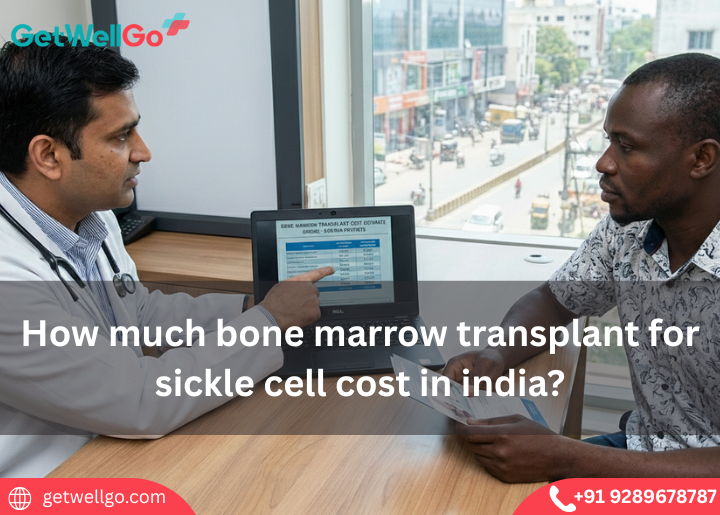
Bone Marrow Transplant Treatment Cost in India is affordable. Learn how much bone marrow transplant cost in india saves you. Get a free quote today.
Read More
Bone Marrow Transplant Cost in India for Kenyan Patients starts low here. We offer complete medical tourism packages including travel. Save on your surgery.
Read More.png)
Kidney Transplant Surgery is your second chance. We arrange safe procedures to help you stop dialysis forever. reclaim your freedom with our expert support.
Read More
Robotic Surgery for Lung Transplants in India aids quick recovery. We arrange affordable, world-class care for you. Get back to breathing freely very soon.
Read More