
Historic Milestone: FMRI Celebrates 2500 Successful Bone Marrow Transplants
Celebrate a historic milestone of 2500 successful Bone Marrow Transplant at Fortis Gurgaon procedures, backed by our complete international patient visa care.
Read More
Understand the key difference between multipotent and pluripotent stem cells, including their capabilities, examples, and roles in cell development and therapy.

The multipotent stem cells are the stem cells that are capable of differentiating into a few given types of cells found within organs or tissues. Multipotent stem cells which are special stem cells that have the capacity to turn into a certain number of specialized cells that originates from a particular tissue or an organ.
For instance, hematopoietic stem cells or HSCs are stem cells that can differentiate into all the major types of blood cells including the red blood cells, white blood cells and the platelets. Similarly, to other stem cells, MSCs can only differentiate into a limited number of cell types, namely the connective tissue cells such as bone, cartilage, and adipose cells.
It is significant to note that multipotent stem cells are involved in replacing and repairing tissue most of the times within an individual’s lifetime. They are present in bone marrow, adipose tissue, and umbilical cord blood.
Pluripotent stem cells are multispecialized stem cells which can develop into almost any type of cell that exists in the human body. These stem cells are derived from all three germ layers which include ectoderm that produces body coverings, neurons, muscle, bone, blood, and endoderm, which is an epithelial lining of digestive and respiratory systems.
Pluripotent stem cells may be classified into three broad categories:
Embryonic Stem Cells (ESCs): They are obtained from the embryos; probably at a stage when the embryo is at the blastocyst stage, that is, it is about five days old. These stem cells are true because they are able to differentiate into any other specialized cells within the body.
Induced Pluripotent Stem Cells: These are any adult cell type, usually collected as skin or blood tissue cells that have been coaxed to revert to their fore larval stage by having certain working genes added back into them. This was done in an attempt to derive stem cells from the adult cells without the use of embryos and this invention has applications in fields such as personalized medicine as well as modelling of diseases.
This is the fundamental difference between multipotent and pluripotent stem cells:
Differentiation Potential: More specifically, multipotent stem cells have the ability to transform into a small set of cell categories, typically in the related lineage or tissue. For example, there are hematopoietic stem cells (HSCs) which are multipotent stem cells that can only differentiate into various types of blood cells; red blood cells, white blood cells, and platelets among them.
Source: They are located in strategic sites that include Bone Marrow, Adipose Tissue, and Umbilical Cord Blood.
Examples: Some of them include the hematopoietic stem cells (found in the blood), mesenchymal stem cells (obtained from bone marrow, cartilages and fat), and neural stem cells (from the neurons and glial cells).
Differentiation Potential: It has differentiation capability because it has the potential to form cells of all the three germ layers of the body namely the ectoderm, mesoderm as well as the endoderm. This makes them more potent for differentiation when compared to the multipotent stem cells.
Source: These stem cells are mostly the embryonic stem cells which are harvested from the early embryos as well as the iPSCs which are got by converting other adult cells.
Examples: ESCs and iPSCs.
Degree of differentiation: Pluripotent stem cells can differentiate into all the cell types of the body while multipotent stem cells possess a lesser capability by being able to differentiate only into a few cells of a specialized tissue or organ.
Potential use: Pluripotent stem cells are useful for regenerative medicine more than any other stem cells since they have the potential of generating into many different cell types. Multipotent stem cells are mainly applied in definite restorative therapies with regard to a certain type of tissue (hematopoietic or bone tissue).
Pluripotent stem cell therapy is the use of pluripotent stem cells (for example, embryonic stem cells, or the induced pluripotent stem cells (iPSCs)) to treat illnesses and repair with new tissue or cells. Therefore, it has been forecast that they could be very useful for a wide range of applications in the medical field, particularly for regenerative medicine.
Multipotent stem cell therapy applies use of multipotent stem cells for treatment or repairs of tissues and organs since they have the potentiality to transform into a few associated cell types. Multipotent stem cells are somewhat more specialized but as important for surgery in tissue development and repair in related organ systems.
The multipotent stem cells are flexible in application and are useful in regeneration and therapeutic solutions because they are capable of developing into only a few types of cells within a certain tissue or organ. Here are some of the potential uses of multipotent stem cells:
PSCs hold a lot of promise since they can differentiate into almost any cell of the body making them useful in advancing medicine, research, and regenerative medicine. Down below are some of the uses of pluripotent stem cells:
Here are the key characteristics of multipotent stem cells:
Here are the key characteristics of pluripotent stem cells:
Celebrate a historic milestone of 2500 successful Bone Marrow Transplant at Fortis Gurgaon procedures, backed by our complete international patient visa care.
Read More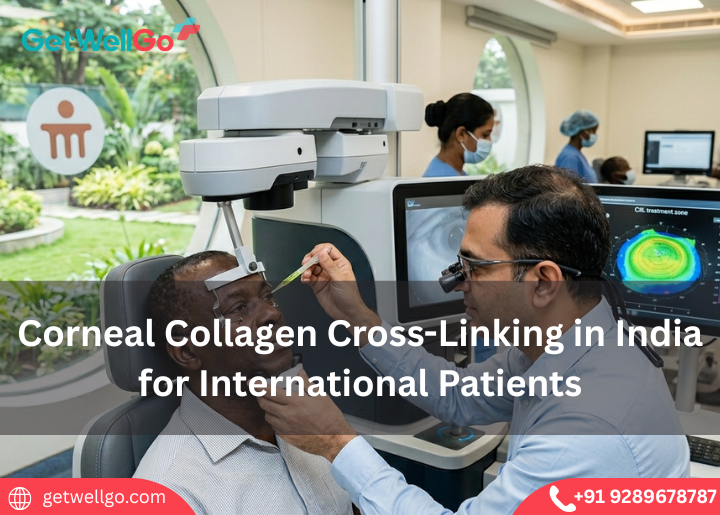
Experience advanced Corneal Collagen Cross-Linking in India to stabilize keratoconus and protect your sight, with full medical visa help from our travel team.
Read More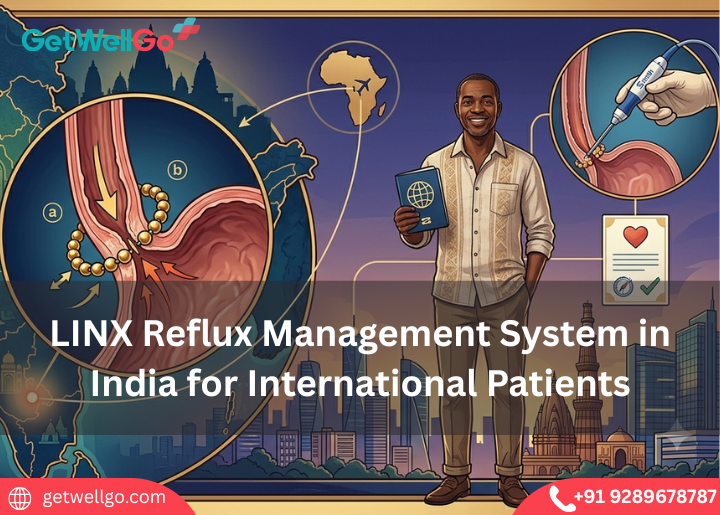
Experience the LINX Reflux Management System in India to stop severe heartburn using a tiny magnetic ring, fully organized by our fast-track medical visa team.
Read More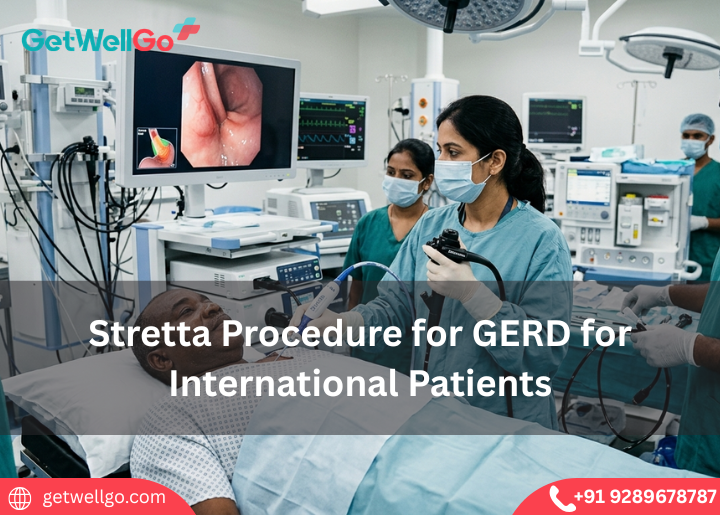
Experience advanced Stretta Procedure for GERD in India to eliminate chronic acid reflux without surgery, completely managed by our fast-track medical visa team
Read More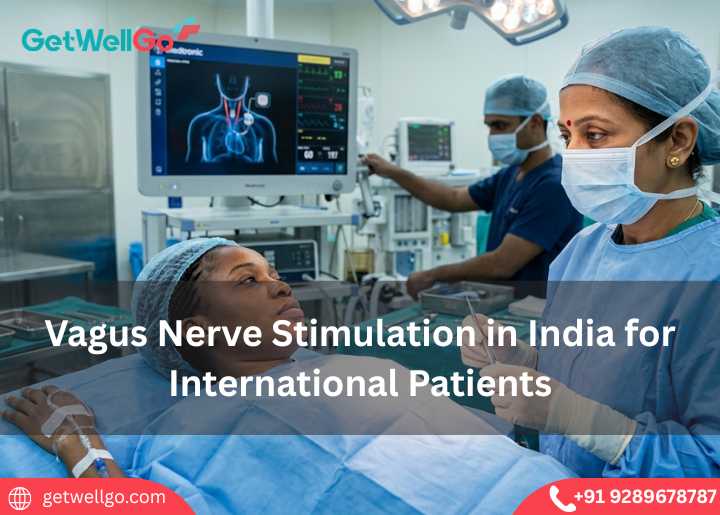
Get advanced vagus nerve stimulation treatment in India with expert care, modern hospitals, and affordable options for international patients.
Read More
Medical tourism in India for Uzbekistan Patients made easy. GetWellGo handles your top-tier surgery, Uzbek translator, and a safe, warm home for your family.
Read More
Palliative care services in India focus on your comfort and peace of mind. GetWellGo handles the expert pain relief, visa, and a serene, private home to heal.
Read More
Get reliable visa assistance for medical travel to India. Support with documentation, approvals, and a smooth entry process for global patients.
Read More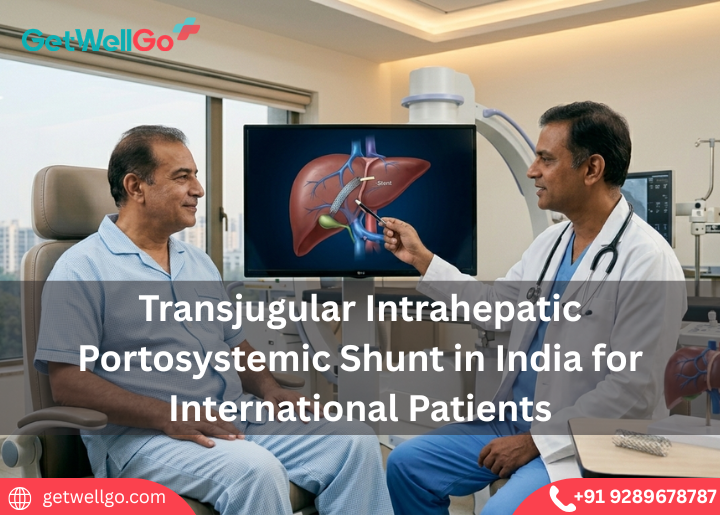
Transjugular Intrahepatic Portosystemic Shunt in India stops dangerous liver bleeding. GetWellGo handles your top specialist, visa, and a safe, cozy stay.
Read More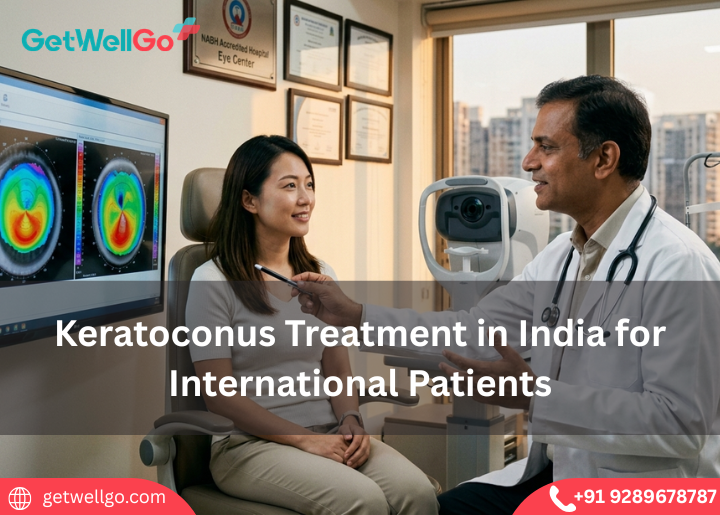
Keratoconus Treatment in India stops your vision from getting worse. GetWellGo handles your advanced eye care, visas, and a safe trip to save your sight.
Read More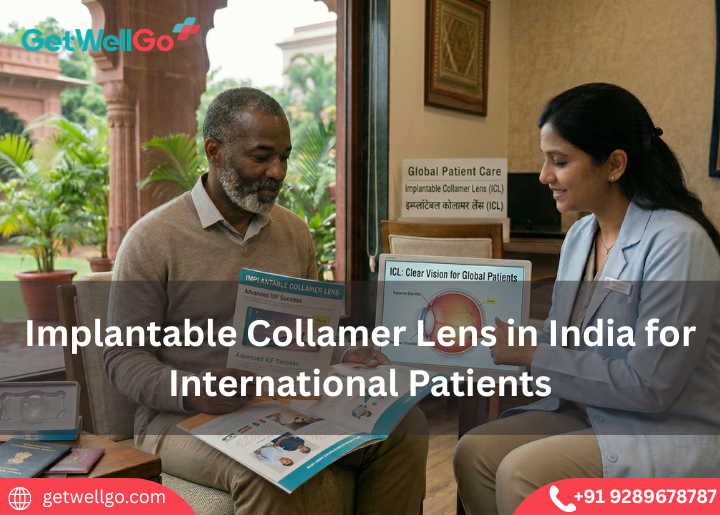
Implantable Collamer Lens in India lets you ditch thick glasses forever. GetWellGo handles your expert eye doctor, flights, and a clear-vision holiday.
Read More
Cochlear Implants for Children in India opens a world of sound. We at GetWellGo plan your affordable ear surgery, airport pickup, and safe family trip.
Read More