Urology
Gracilis Sling
Gracilis Sling
Gracilis sling surgery uses the patient's gracilis muscle to create a dynamic sling supporting the anal sphincter, effectively treating severe fecal incontinence when other methods fail.
Gracilis sling
The gracilis sling is the modification of the dynamic graciloplasty in which the gracilis muscle from the inner thigh is used as an autologous sling to augment the anal sphincter or reconstruct the anal sphincter mechanism. It is generally reserved for children and adults with severe sphincter dysfunction whom conventional repairs are not feasible or have failed.
What is the Gracilis Muscle?
The gracilis is a slender, superficial muscle located in the medial compartment of the thigh. It has:
- A reliable blood supply
- Harvesting has minimal effect on leg function
- Good length to be used for transposition
What is a Gracilis Sling?
In this procedure:
- The gracilis muscle is mobilized from the thigh
- Under the skin it is tunneled
- Around the anal canal like a sling or neo-sphincter wrap
- Anchored to provide continence
Occasionally it is electrically stimulated (dynamic graciloplasty) to make it act like a sphincter muscle.
Indications for Use/Intended Uses
The gracilis sling is indicated for patients with a:
- Fecal incontinence with dead or absent anal sphincter
- Congenital anorectal malformations (crucially in case of failed repairs)
- Injured sphincter because of trauma
- Post-operative loss of the sphincter
- Neuropathic bowel
- Unsuccessful sphincteroplasty
VARIANTS OF GRACILIS SLING
Static Gracilis Sling
- Muscle serves as passive support
- No electrical stimulation
Dynamic Graciloplasty
- Active implantable electrical stimulator that is used
- Transforms muscle to fatigue-resistant type
- Good continence in selected patients
Advantages
- Use of patient’s own muscle
- There is an option when there is no sphincter to work with
- May have dramatic impact on quality of life and continence
Gracilis sling surgery
Gracilis sling procedure (also referred to as gracilis muscle transposition) is performed to construct a neo-anal sphincter in individuals with complete fecal incontinence or those with no or damaged anal sphincter.
Pre-operative Preparation
- Detailed bowel evaluation and continence assessment
- MRI or endoanal ultrasound sphincter anatomy evaluation
- Bowel preparation
- Antibiotic prophylaxis
- Gracilis muscle on the inner thigh is marked
The Procedure:
Anaesthesia and Positioning
- Under general anaesthesia
- Patient is in lithotomy position
- Thigh and perineum are prepped and draped as usual for the combined area
Identification of Gracilis Muscle
- A longitudinal incision is made on the medial aspect of the thigh.
- The gracilis muscle lies medial to the abductor longus and is superior to the semimembranosus
Be cautious to spare:
- The neurovascular pedicle
- The proximal blood supply
The Mobilization
- Expose the muscle clean from around the tissues.
- The distal tendon is severed
- The proximal attachment and its pedicle remain still
- Hold enough length to reach the perineum without tension.
Creation of Subcutaneous Tunnel
- Forming a subcutaneous passage at the thigh incision and ended at the perineum
- Tunnel width should be wide enough so constant pressure and ischemia.
Sling Formation Around Anal
- Canal Muscle is pulled through the tunnel
- Wrapped around the anal canal in a U-shaped or circular pattern
- Orientation may be clockwise or anticlockwise depending on anatomy
Fixation of the Sling
Ends of Muscle:
- Screw the contralateral pubic bone
- Or to perineal soft issue
Tension is adjusted to allow for continence without obstruction
Wound Closure
- Hemostasis secured
- Drains placed if required
- Thigh and perineal wounds closed in layers.
After surgery Care
- Initial hip immobility
- Control pain and give antibiotics
- Start mobilizing gradually after a few days
- Physiotherapy to regain thigh function
- Bowel training and biofeedback therapy
- Electrical stimulation turned on after 6–8 weeks (if dynamic)
Hospital Stay
- Usually 5–10 days
- Longer if performed with other continence operations
Gracilis sling recovery
The recovery following a gracilis sling (gracilis muscle transposition) operation is gradual and will involve close monitoring of healing of the wound, management of the bowel, and physiotherapy. Recovery may be different depending on static or dynamic (electrically stimulated).
Postoperative Period Immediate (0–7 Days)
-
Hospitalization 5–10 days on average
Care:
- Management of Pain (Analgesics, occasionally nerve blocks)
- IV antibiotics for infection prophylaxis
Monitoring:
- Wound at thigh (donor site)
- Perineal wound (sling site)
- Muscle ischemic signs
- Temporary bowel rest, if necessary
- Drains removed when output is low
- Movement of thigh initially limited at rest and active to avoid exerting traction on muscle
Early Recovery (1–4 Weeks)
Activity:
- Sitting is allowed progressively
- Avoid lifting heavy weights or doing hard work
- Continue wound care (keep clean and dry)
- Pain and swelling subside slowly
Bowel Care:
- Stool softeners to prevent Straining
- Small meals more frequent than usual might be recommended
Physiotherapy:
- Based on Surgeon's Advice Gentle Exercises on Thigh
- Helps Prevent Stiffness and Maintain Muscle Tone
During Later Recovery (4-8 Weeks)
Healing:
- Incision healing largely
- Muscle integration around the anal canal
Dynamic Graciloplasty:
- Electrical stimulation is generally turned on at 6-8 weeks
- Turn muscle gradually into fatigue-resistant type
- Begin training sessions with your Doctor
Lifestyle:
- Gradually return to normal walking.
- Don't heavy squatting, running, or high-impact exercises
Late Recovery (2–6 Months)
Functional Recovery:
- Return gradual improvement incontinence
- Bowel training programs and biofeedback therapy are usually necessary.
- Continue the muscle strength training
Follow-up:
Check-ups to monitor regularly:
- Progress Wound healing
- Muscle function
- Bowel continence
- Electrical stimulator function
Pediatric gracilis sling
The pediatric gracilis sling is a complex operation that can improve the quality of life for infants and children who suffer from profound fecal incontinence due to an absent or non-functioning anal sphincter, frequently as a result of congenital anorectal malformations, trauma or neuropathic bowel dysfunction. It employs the child’s own gracilis muscle from the leg as a “live” tube to re-construct a viable sphincter mechanism.
Indications in Children
- Congenital anorectal malformations and poor sphincter function
- Traumatic anal sphincter injury
- Neuropathic bowel (spina bifida, sacral agenesis)
- Secondary or more repairs after failure of primary repairs
- Life disabling fecal incontinence
Gracilis sling complications
The gracilis sling (static or dynamic) is typically safe and effective, but as with any major reconstruction surgery, there are potential risks and complications. Complications may be related to the sling, the donor site (thigh) or the electrical stimulator if applicable.
Surgical/Wound Complications
- Infection
- Wound breakdown / dehiscence
- Hematoma / seroma
- Scarring or poor cosmetic appearance
Muscle-Related Complications
- Muscle ischemia / necrosis
- Sling tension problems
- Muscle fatigue
Functional Complications
- Incomplete continence
- Fecal urgency / leakage
- Anal stricture or stenosis
Long-Term Complications
- Decline in continence over time
- Need for revision surgery
Best hospital for gracilis sling India
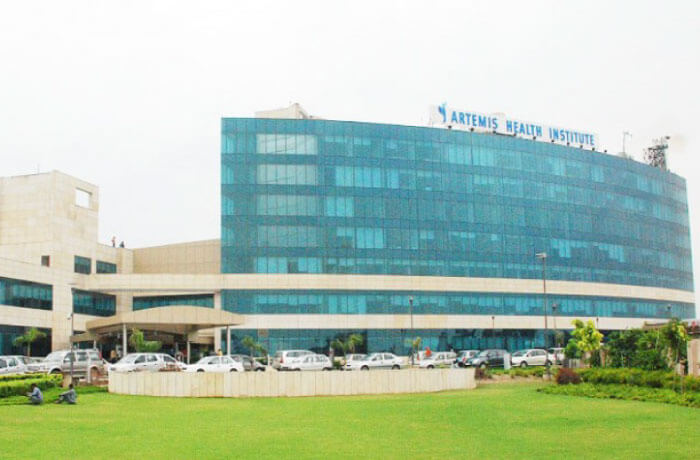
- Artemis Hospital, Gurgaon
- Medanta-The Medicity, Gurgaon
- Fortis Memorial Research Institute, Gurgaon
- Max Hospital, Saket
Conclusion
Gracilis sling surgery offers an excellent treatment option for both children and adults who have severe fecal incontinence or an absent/damaged anal sphincter when traditional repairs are not feasible or based on their prior experience if they are unsuccessful. The procedure, which uses the patient’s own gracilis muscle, can re-establish functional continence, enhance quality of life, and provide the basis for successful bowel management Furthermore.
Gracilis sling surgery India GetWellGo
GetWellGo is regarded as a leading supplier of healthcare services. We help our foreign clients choose the best treatment locations that suit their needs both financially and medically.
We offer:
- Complete transparency
- Fair costs.
- 24 hour availability.
- Medical E-visas
- Online consultation from recognized Indian experts.
- Help in choosing from among Best Gracilis sling surgery Hospitals in India.
- Deserve expertise of surgeon with proven results in success.
- Assistance during and after the course of treatment.
- Language Support
- Travel and Accommodation Services
- Case manager assigned to every patient to provide seamless support in and out of the hospital like appointment booking
- Local SIM Cards
- Currency Exchange
- Arranging Patient’s local food
FAQ
What would be the difference between dynamic and static graciloplasty?
- Static sling: The muscle contributes to passive support; less complex surgery, fatigue.
- Dynamic graciloplasty: The muscle is turned into fatigue-resistant muscle by an electrical stimulator, resulting in better continence, especially in severe cases.
Is it safe for children?
- Yes, it is routinely performed on children with anorectal malformations, or sphincter deficiencies.
- Typically, it is performed in children 3 to 4 years old or older, to allow for adequate muscle size.
How is continence restored following surgery?
- By supporting muscles (sometimes electrical stimulation), and bowel training
- Patients usually require regimented toileting, diet changes, and biofeedback.
For how long does the electrical stimulator remain functional?
- Usually, the apparatus lasts between 5 and 10 years, with length of use affecting the duration.
- Replace or reprogram the device as necessary.
Is it possible to do this procedure if it fails?
- Yes, sling tension can be adjusted, or other options (e.g. artificial sphincter or colostomy) may be explored if need be.
TREATMENT-RELATED QUESTIONS
GetWellGo will provide you end-to-end guidance and assistance and that will include finding relevant and the best doctors for you in India.
A relationship manager from GetWellGo will be assigned to you who will prepare your case, share with multiple doctors and hospitals and get back to you with a treatment plan, cost of treatment and other useful information. The relationship manager will take care of all details related to your visit and successful return & recovery.
Yes, if you wish GetWellGo can assist you in getting your appointments fixed with multiple doctors and hospitals, which will assist you in getting the second opinion and will help you in cost comparison as well.
Yes, our professional medical team will help you in getting the estimated cost for the treatment. The cost as you may be aware depends on the medical condition, the choice of treatment, the type of room opted for etc. All your medical history and essential treatment details would be analyzed by the team of experts in the hospitals. They will also provide you with the various types of rooms/accommodation packages available and you have to make the selection. Charges are likely to vary by the type of room you take.
You have to check with your health insurance provider for the details.
The price that you get from GetWellGo is directly from the hospital, it is also discounted and lowest possible in most cases. We help you in getting the best price possible.
No, we don't charge patients for any service or convenience fee. All healthcare services GetWellGo provide are free of cost.