General Surgery
CAPD Removal
CAPD Removal
CAPD removal surgically extracts the peritoneal dialysis catheter when infection, malfunction, or kidney transplant occurs. The procedure prevents complications and allows transition to other dialysis methods safely.
CAPD removal
CAPD removal is a small surgical operation that occurs when the catheter is not necessary anymore- usually related to transplantation, to the use of hemodialysis, periodic infections, malfunctions, or the catheter related complications.
Reasons behind CAPD Catheter Removal
- Transition to hemodialysis
- Kidney transplant successful.
- Frequent catheter or peritoneal infections.
- Malfunctioning or blockage of catheters.
- Tunnel or exit-site infection.
- Catheter has ceased to operate or has leaked.
CAPD catheter removal
Extraction of the CAPD catheter is in general a minor surgical procedure and is carried out under local anaesthesia, unless specific reasons require sedation or general anaesthesia.
Preparation
- Medical history and dialysis status review.
- Physical exam to determine signs of infection.
- Blood tests in case of necessity (CBC, coagulation profile)
- Prophylactic antibiotics can also be administered particularly in the case of past exit-site/tunnel infection.
- Abdomen debrided and covered in sterile.
- Local anaesthesia in place of exit site (typically lignocaine) and the catheter tunnel.
Procedural Steps
Step 1: Incision at Exit Site
- A minor cut (12cm) is done around the catheter exit point.
- Extrinsic cuff (when it is available in terms of exit site is exposed).
Step 2: Dissection of Tunnel
- The surgeon freed the catheter of the subcutaneous tunnel using blunt dissection.
- The deep cuff (which is located close to the rectus sheath) is meticulously divided with the surrounding tissues.
Step 3: Extraction of Peritoneal Cavity.
- The catheter is slowly removed out of the peritoneal cavity.
- When the deep cuff is highly adherent then a little larger incision can be made right over it.
Step 4: Inspection
- The catheter removed is inspected to ensure that it is not tipped or cuff.
- The peritoneal incision heals without the need to stitch internally.
Step 5: Wound Closure
- The tunnel tract is irrigated in case of previous infection.
- The wound on the skin is stitched with absorbable or non-absorbable sutures.
- It is covered with a sterile dressing.
Duration of Procedure
- Simple removal: 15–25 minutes
- In case adhesions/infection is present: 30-45 minutes.
Recovery Strategy
- Same day (outpatient) patient can go home.
- It is usually associated with mild pain or discomfort of 24-48 hours.
- Dressing should be clean and dry.
Aftercare
- Limit heavy lifting during 1-2 weeks.
- Keep the site dry; sponge bath is better during 48 hours.
- Observation of infection (color, pus, fever)
- Suture removal follow-up (where necessary)
CAPD catheter removal infection
Among the most reasons to remove a CAPD catheter is infection. In cases of infection of exit site, tunnel or recurrent or severe peritonitis, catheter removal is crucial in avert complications.
Categories of Infections that result in Removal
Exit-Site Infection
- Swelling, pus, or redness at the exit site.
- Antibiotics are normally administered but may need removal in case:
- Infection is not responsive to treatment.
- The infections continue to happen regularly.
Tunnel Infection
- The catheter transmits infection beneath the skin.
- Characteristic of pain, swelling and tenderness along the tunnel.
- Risks of developing peritonitis are high, thus catheter removal is frequently advised.
Peritonitis
- Serious infection within the peritoneal cavity.
- Bacterial or fungal cause.
- Signs: pain in the abdomen, fever, hazy effluent.
Removal of CAPD Catheter in the presence of Infection
The procedures are analogous to regular removal but with extra precautions:
Pre-Procedure
- Wide-spectrum or narrow-spectrum antibiotics are administered.
- In case of fungal infection → antifungal treatment.
- Tunnel abscess can be evaluated on ultrasound.
- Surgical procedure--localized anaesthesia or under sedation.
Surgical Steps
- Infected tissue may require larger dissection or greater care.
- Pus/abscess drainage along the tunnel.
- Complete catheter with both cuffs taken out.
- Any contaminated or necrotic area is washed.
- Tunnel tract can be sprayed with antiseptic solution (at the discretion of the surgeon).
After Removal
- Wound not healed up, especially when badly infected (to allow drainage)
- Daily dressing changes
- Take 7-14 days (or more days based on type of infection) of antibiotics.
- Antifungals in fungal peritonitis were usually prolonged to 2-3 weeks.
CAPD catheter removal recovery
The post-CAPD catheter removal is generally uneventful particularly in the absence of infection. The duration of healing will also determine the case of whether it was a routine removal or an infection-related case.
Short-term Recovery
Right after removal
- You can normally go home on the same day.
- Slight abdominal or exit-site pain is usual.
- Dressing is used, and should be clean and dry.
- Light exercises are allowed and should not be straining.
Pain
- Mild to moderate for 1–2 days
- Managed using paracetamol or painkillers prescribed by the doctor.
- Should not use NSAIDs without nephrologist authorization.
Wound Care After Removal
First 48 hours
- Keep dressing dry
- Sponges are better; no showers.
- Do not take the dressing off unless ordered.
After 48 hours
- You can have a shower, but you should not press water directly on the wound.
- Change dressing every day or when necessary.
Sutures
- If non-absorbable: removed in 7-10 days.
- And, in case absorbable: no debridement required but site must remain clean.
Activity Restrictions
Avoid for 7–14 days
- Lifting heavy objects
- Bending sharply at the waist
- Strenuous exercise
- Tub baths, swimming or soaking up the wound.
- Light walking is encouraged.
CAPD catheter removal complications
Removal of CAPD catheters is usually safe but they may result in complications particularly where the catheter was removed because of infection, adhesions or prior peritonitis. The number of complications is mostly minor and can be treated, whereas severe complications are not common.
Wound-Related Complications
- Infection
- Bleeding / Hematoma
- Delayed Wound Healing
Abdominal Complications
- Persistent Fluid Leakage
- Peritoneal Infection / Peritonitis
- Injury to Surrounding Structures
Other Complications
- Pain or Discomfort
- Recurrence of Infection
- Adhesion Formation
Best hospital for CAPD removal India
- Artemis Hospital, Gurgaon
- Medanta-The Medicity, Gurgaon
- Fortis Memorial Research Institute, Gurgaon
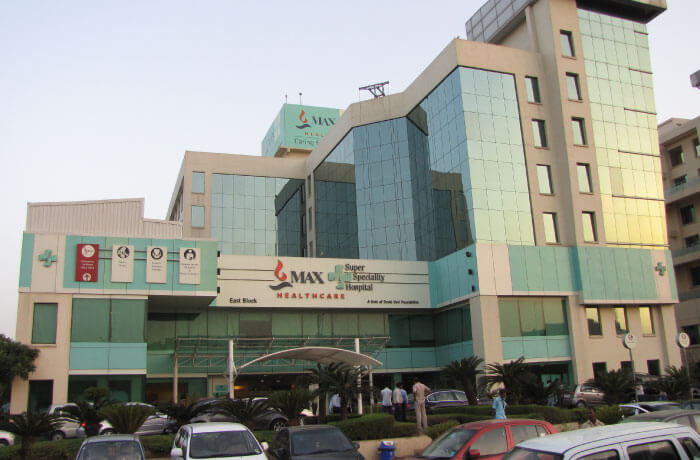
- Max Hospital, Saket
Conclusion
CAPD catheter removal is a procedure that is relatively simple and safe and is conducted when the catheter is unnecessary or malfunctioning or with infection. The recovery is generally rapid, and the pain is slight and the lifestyle limitations are few. A smooth recovery is characterized by proper surgical technique, aseptic care, and wound management of the post-procedure. Infection-related removal can take longer to heal and close monitoring is necessary to patients when compared to those subjects to routine removals, which normally takes 1 to 2 weeks to recover fully.
CAPD catheter removal India GetWellGo
GetWellGo is regarded as a leading supplier of healthcare services. We help our foreign clients choose the best treatment locations that suit their needs both financially and medically.
We offer:
- Complete transparency
- Fair costs.
- 24 hour availability.
- Medical E-visas
- Online consultation from recognized Indian experts.
- Help in choosing from among Best CAPD catheter removal Hospitals in India.
- Deserve expertise of renal surgeon with proven results in success.
- Assistance during and after the course of treatment.
- Language Support
- Travel and Accommodation Services
- Case manager assigned to every patient to provide seamless support in and out of the hospital like appointment booking
- Local SIM Cards
- Currency Exchange
- Arranging Patient’s local food
FAQ
Is CAPD catheter removal painful?
- Dull discomfort at most
- It is performed under local anaesthesia, though sedation or general anaesthesia can be employed in certain cases.
- Pain in uncomplicated cases can be adequately managed by simple analgesics.
Can the wound get infected after removal?
- Yes, there is a small chance, especially if the catheter was taken out because of infection
- Redness, swelling, pus, fever or bad odor is all signs of infection
- Seek immediate medical advice if these develop
Will there be fluid leakage from the site?
- Small amounts of fluid can be leaking for 1-2 days
- Persistent discharge is rare but it can lead to further medical evaluation
Can I continue dialysing after removal?
- If changing to hemodialysis: HD generally commences right away.
- If post-transplant: If kidney function is sufficient, no dialysis is necessary.
- If applying for a new CAPD catheter: Should be performing temporary dialysis with insulin-dependent diabetic mellitus.
TREATMENT-RELATED QUESTIONS
GetWellGo will provide you end-to-end guidance and assistance and that will include finding relevant and the best doctors for you in India.
A relationship manager from GetWellGo will be assigned to you who will prepare your case, share with multiple doctors and hospitals and get back to you with a treatment plan, cost of treatment and other useful information. The relationship manager will take care of all details related to your visit and successful return & recovery.
Yes, if you wish GetWellGo can assist you in getting your appointments fixed with multiple doctors and hospitals, which will assist you in getting the second opinion and will help you in cost comparison as well.
Yes, our professional medical team will help you in getting the estimated cost for the treatment. The cost as you may be aware depends on the medical condition, the choice of treatment, the type of room opted for etc. All your medical history and essential treatment details would be analyzed by the team of experts in the hospitals. They will also provide you with the various types of rooms/accommodation packages available and you have to make the selection. Charges are likely to vary by the type of room you take.
You have to check with your health insurance provider for the details.
The price that you get from GetWellGo is directly from the hospital, it is also discounted and lowest possible in most cases. We help you in getting the best price possible.
No, we don't charge patients for any service or convenience fee. All healthcare services GetWellGo provide are free of cost.