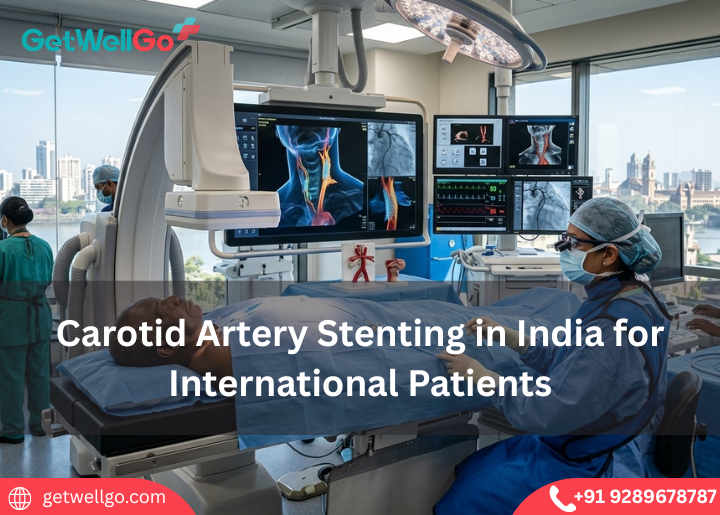
Carotid Artery Stenting in India for International Patients
Restore safe brain blood flow with Carotid Artery Stenting in India organized smoothly by our team, from rapid specialist booking to a cozy recovery stay.
Read More
What Is Heart Failure? A Simple Guide for Patients and Families covers weakened heart pumping leading to breathlessness, swelling, fatigue. Learn stages (A-D), medications, diet changes, exercise, and when to seek emergency care.
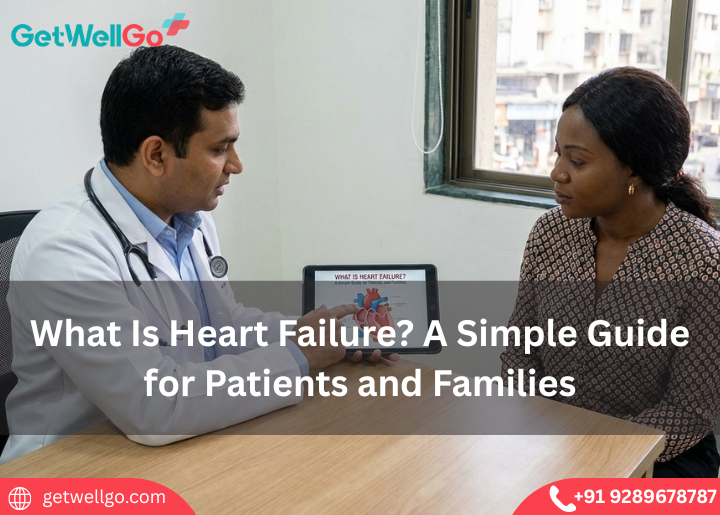
Heart failure symptoms happen because the heart cannot pump blood properly.The symptoms may either be progressive or acute or tend to have an impact on the respiration, energy, and fluid intake in the body.
The typical signs of Heart Failure:
Stages and functional classes are widely used to describe heart failure and demonstrate its level of development and influence on everyday living.
These phases aim at the stages of disease development and risk. A person at a new level is not likely to go back to the old one.
The failure of the heart does not imply that the heart has ceased to exist. It is where the heart is unable to pump the blood properly to satisfy the needs of the body.
Primary Causes of Heart Failure:
The heart is overworked because of leaking or stenotic valves.
May either be due to infections, genetics, alcohol or some drugs
Damages the blood vessels and the heart muscle.
Chronic pulmonary disease puts strain on the heart.
Peripartum cardiomyopathy develops in late pregnancy or up to 6 months after delivery.
Alcohol and certain drugs such as cocaine and some chemotherapy medications can weaken the heart.
Birth structural heart issues.
Family support may lower the number of hospital visits, enhance prescription use, and enhance quality of life. The little things that we do daily matter.
Medication Support
Daily Weight Check
Contact the physician in case of weight gain:
This usually implies that there is a buildup of fluids.
Heart-Healthy Diet Help
Encourage:
Watch for:
Seek the doctor or visit the hospital in case of seeing:
Keep a medical file:
Learn about:
This is a simple, easy-to-understand guide to Heart failure drugs, their action, why they are taken, and the most important facts to the family and patient.
Heart failure drugs prescribed seek to:
Routine Heart Failure Drugs:
Heart failure is a serious but manageable condition in which the heart is unable to pump enough blood to meet the needs of the body, resulting in symptoms like fatigue, breathlessness and fluid retention. When triggers such as hypertension, CAD, or myocardial injury are detected early and treated appropriately, in conjunction with lifestyle modifications and family support, there can be dramatic enhancement in quality of life and duration of life. Medications are the cornerstone of treatment for managing symptoms, controlling fluid overload, and slowing disease progression, however diet, daily weigh t, and activity monitoring all assist in early detection of problems. Heart failure patients can enjoy better health, fewer complications, and more active lives – if they are carefully managed, regularly followed medically, and supported at home.
GetWellGo is regarded as a leading supplier of healthcare services. We help our foreign clients choose the best treatment locations that suit their needs both financially and medically.
We offer:
Restore safe brain blood flow with Carotid Artery Stenting in India organized smoothly by our team, from rapid specialist booking to a cozy recovery stay.
Read More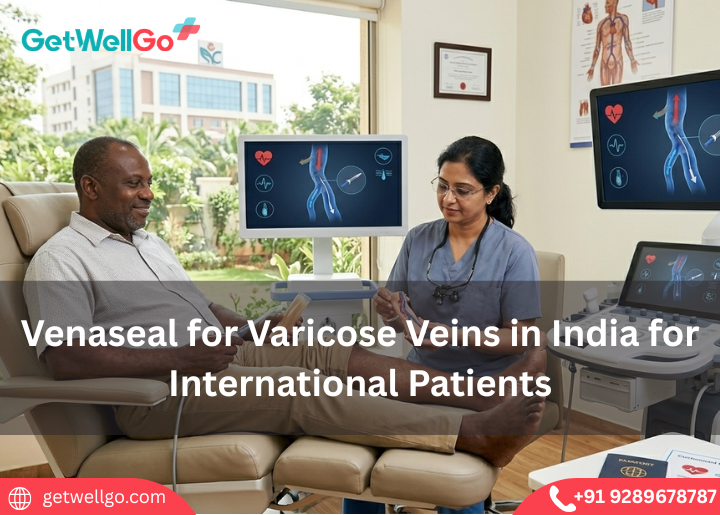
Experience advanced Venaseal for Varicose Veins in India to seal damaged veins with medical glue, fully managed by our fast-track medical visa travel team.
Read More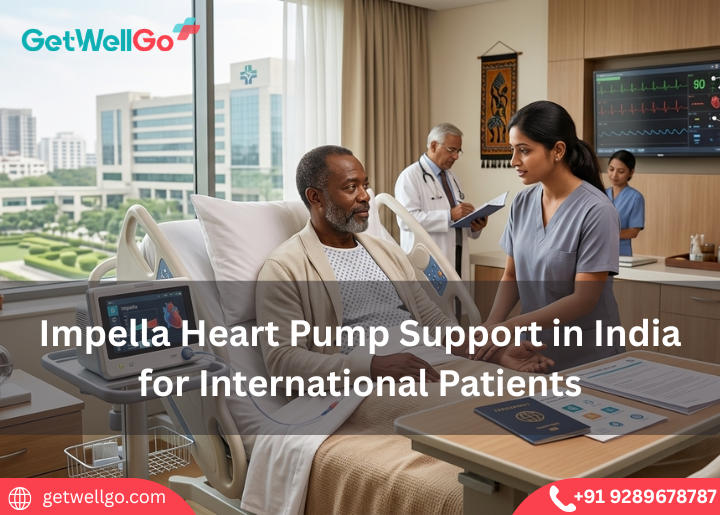
Protect failing heart function with Impella Heart Pump Support in India organized smoothly by our team, from emergency hospital booking to a safe recovery.
Read More
Aortic Aneurysm Repair in India: Fix weak artery walls safely before they rupture. We connect you to elite vascular teams, handle fast visas & a quiet stay.
Read More
Bio-resorbable Vascular Scaffolds in India: Open your arteries with a stent that melts away naturally! We arrange top cardiologists, visas & a cozy stay.
Read More.png)
Shockwave Lithotripsy for Arteries in India: Clear hard calcium gently with sonic waves! We arrange your top cardiologist, medical visa & a cozy recovery stay.
Read More
Explore safe, minimally invasive mitral valve repair in India for global patients with expert care, modern hospitals, and cost-effective treatment options.
Read More
Choose GetWellGo for Transcatheter Aortic Valve Replacement in India. International patients receive expert cardiac care, modern hospitals, and cost savings.
Read More
Choose GetWellGo for pediatric cardiac catheterization in India. International patients get advanced care, skilled pediatric cardiologists, and cost-effective treatment.
Read More
MitraClip Procedure in India fixes leaky heart valves without open surgery. GetWellGo handles your top cardiac clinic, medical visa, and safe recovery.
Read More
Endovascular Aneurysm Repair in India saves lives without major open surgery. GetWellGo handles your top vascular clinic bookings, visas, and safe recovery.
Read More
Get world-class varicose veins laser treatment in India at competitive costs, combining advanced technology, quick recovery options, and smooth travel support for global patients.
Read More