Ovarian Tissue Cryopreservation in India for International Patients
Secure your future with Ovarian Tissue Cryopreservation in India to freeze fertility before oncology treatments, fully managed by our medical visa travel team.
Read More
What Are IVF Protocols and which fits you? We explain the difference between Long, Short, and Antagonist cycles. Get a custom fertility plan.
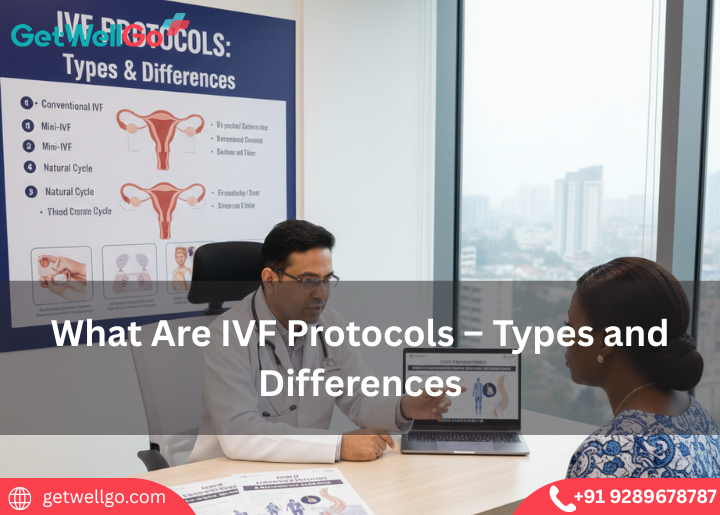
IVF procedures are medication and time regimens followed by doctors in the process of in vitro fertilization (IVF) in order to assist ovaries in the production of eggs, their retrieval, and the preparation of the body to carry a pregnancy. Imagine a protocol is the road map to your cycle- based on your hormones, age, fertility history and diagnosis. The following is a plain humanized analysis:
An IVF protocol determines:
You will normally find any combination of:
Clinics look at:
Low AMH usually means:
Often first-line for low AMH
Why it works well:
Typical features:
Traditional in case of very low AMH or previous unresponsive case.
Why it can help:
Downside:
Lower meds, smarter timing
Why it can make sense:
Trade-off:
How it works
Pros
Best suited for
Often not ideal for
How it works
Pros
Best suited for
What Is Natural Cycle IVF?
Per cycle outcomes (averages)
That is compared to traditional IVF, which could provide 20-50%+ per cycle in younger patients.
It can be a good option if:
At GetWellGo, the IVF procedures are customized health plans developed by partner fertility clinics (frequently global known clinics). The protocol is selected on the basis of:
Short / Antagonist Protocol (Most Common)
Why it’s popular:
Long Protocol (GnRH Agonist)
The inhibition of the hormones precedes the stimulation.
Typically recommended for:
Mild or Mini IVF Protocol
Best for:
Low ovarian reserve
Patients who are drug sensitive.
Individuals who are in need of cheaper or milder IVF.
Usually chosen when:
GetWellGo focuses on:
IVF protocols are individualized plans of treatment that inform each phase of an IVF cycle, from hormonal preparation to embryo transfer. There isn’t one perfect protocol for all of us – what’s best depends on such factors as age, AMH level, ovarian reserve, medical history, and previous IVF response. Long protocol, short protocol, mild/mini IVF, natural cycle IVF – each has specific advantages and certain drawbacks. Today’s fertility care is progressively moving away from rigid, one-size-fits-all protocols to protocols individualized to the patient with an emphasis on maximising egg quality, safety, and realistic expectations for success. When IVF is arranged through GetWellGo, the medical protocol is set by experienced fertility specialists at partner clinics, while GetWellGo facilitates access and assists in planning and coordination of treatment. What drives success in IVF is less the name of the protocol and more how well it fits an individual patient – and how it’s modified based on response. A knowledgeable, personalized strategy provides the greatest likelihood of achieving a healthy pregnancy.
Secure your future with Ovarian Tissue Cryopreservation in India to freeze fertility before oncology treatments, fully managed by our medical visa travel team.
Read More
Explore assisted laser hatching in India for global patients, enhancing IVF success with skilled specialists, modern labs, and cost-effective care.
Read More
Magnetic activated cell sorting in India provides cell separation with expert teams, advanced labs, and affordable treatment for international patients.
Read More
Endometrial Receptivity Analysis in India helps identify the ideal implantation window, improving IVF success for international patients with expert care.
Read More
Micro-TESE in India helps men with zero sperm count achieve parenthood through advanced surgical sperm retrieval and expert fertility care for global patients.
Read More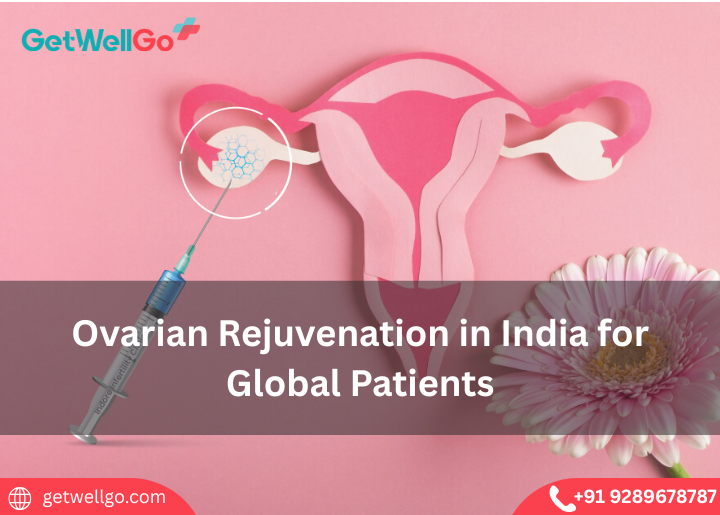
Ovarian Rejuvenation in India helps wake up your natural fertility. We at GetWellGo plan your expert doctor visits, flights, and a warm hotel bed.
Read More
Preimplantation Genetic Diagnosis ensures a healthy start. GetWellGo arranges your affordable IVF screening, visas, and a comfortable stay abroad.
Read More
Physiological Intracytoplasmic Sperm Injection in India selects the best sperm. GetWellGo helps reduce miscarriage risks with advanced IVF. Book now.
Read More
Intracytoplasmic Sperm Injection in India beats severe male infertility. GetWellGo connects you to elite IVF labs with high success rates. Start your family.
Read More
Choose IVF treatment in India for Kenyan patients with GetWellGo for quality fertility care, expert specialists, transparent costs, and global patient support.
Read More
IVF Treatment in India for Cameroon Patients at Apollo Fertility, Cloudnine IVF, and Fortis La Femme offers 55-65% success rates, tailored packages, visa support, French/English staff, accommodation, and airport transfers for seamless fertility
Read More
IVF Treatment in India for Bangladeshi Patients at Apollo Fertility, Indira IVF, and Fortis La Femme offers 60%+ success rates, affordable packages (?1.5-3L), visa support, Halal food, and Bengali/English-speaking coordinators for seamless fertility jour
Read More