
Historic Milestone: FMRI Celebrates 2500 Successful Bone Marrow Transplants
Celebrate a historic milestone of 2500 successful Bone Marrow Transplant at Fortis Gurgaon procedures, backed by our complete international patient visa care.
Read More
Schizophrenia is a serious condition causing a disconnection from reality. With proper care and support from GetWellGo, it is often treatable and manageable.

Schizophrenia is a long-term disease that has no known cure up to date, and, therefore patients suffer a lifetime of the condition. It refers to a combination of a pharmacological approach with medicines, psychosocial intervention, and encouragement.
Medications (Antipsychotics)
These are the basic therapies used in handling schizophrenia’s illness conditions.
First-generation (typical) antipsychotics
Effective but higher risk of movement-related side effects (e.g., tardive dyskinesia).
Second-generation (atypical) antipsychotics
Fewer movement side effects, but possible weight gain, diabetes risk. It is considered when others have not worked out well, and the symptoms are severe especially the psychosis.
Support positive coping and do not allow the deterioration of the situation since it will worsen.
Cognitive Behavioral Therapy (CBT)
Coping improves or demotes the symptoms and addresses distorted ways of thinking.
Family Therapy
Creates awareness and assists in enhancing their support among the families.
Social Skills Training
It can include factors of communicating, employment, and living independently in the community.
Supported Employment and Education Programs
To actively participate in Educational Programmes, there shall be assistance in reintegration to work or school.
Hospitalization
Depending on the specific regimen or other individual considerations (if there’s a problem with patients returning for a follow-up), it is prescribed with an interval of every 2-4 weeks or more.
Electroconvulsive Therapy (ECT)
Metoclopramide is not commonly used but perhaps beneficial in treatment-refractory schizophrenia or catatonia.
Lifestyle and Support
Positive Symptoms
Negative Symptoms
Cognitive Symptoms
Schizophrenia is diagnosed through a variety of clinical methods as this disease is not associated with certain lab tests. Here’s how it’s typically done:
Clinical Interview
The nature of assessment depends on the specialized professional or practitioner, whether a psychiatrist or Clinical Psychologist, and may include:
Diagnostic Criteria
Schizophrenia requires diagnosing that at least two of the following symptoms are present for one month, and some of the symptoms should be present for six consecutive months.
Symptoms – at least one of the core symptoms should be as follows:
Functional Impairment
The individual does not necessarily have to demonstrate impairments in social, occupational, or other important areas of life, yet among the domains that can clearly be regarded impaired; at least one must be of great importance.
Duration
Rule Out Other Conditions
Doctors must rule out:
This may involve:
Genetic Factors
Brain Chemistry & Neurobiology
Imbalance of dopamine: Excess activity of dopamine pathways is a dominant theory (particularly for positive symptoms).
Other neurotransmitters implicated: glutamate, serotonin.
Prenatal and Perinatal Factors
Environmental Triggers
Substance Use
Neurodevelopmental Hypothesis
Therapy is an important aspect of schizophrenia treatment—particularly in combination with medication. Antipsychotics address symptoms, whereas therapy addresses recovery, relapse prevention, and enhancing daily function.
Cognitive Behavioral Therapy (CBT)
Cognitive Remediation Therapy
Family Therapy
Social Skills Training
Supported Employment and Education (e.g., IPS model)
Psychoeducation
Assertive Community Treatment (ACT)
Schizophrenia is treated with an overall, long-term strategy consisting of medication, therapy, and support services. The aim is to control symptoms, decrease relapses, and enhance quality of life.
Medication:
Psychotherapy & Psychosocial Support:
Lifestyle & Supportive Services:
Hospitalization (Short-Term):
Electroconvulsive Therapy (ECT):
Complementary Approaches (adjunctive only)
The management of schizophrenia adheres to evidence-based guidelines established by agencies such as the American Psychiatric Association (APA), National Institute for Health and Care Excellence (NICE), and World Health Organization (WHO). The guidelines offer systematic protocols for diagnosis, treatment, and continued management.
Initial Assessment & Diagnosis
Assess:
Acute Phase Treatment (First Episode or Relapse)
Stabilization Phase (6–12 Weeks)
Maintenance Phase (Long-Term Treatment)
Supply ongoing:
Treatment-Resistant Schizophrenia
Psychosocial and Community Support (Throughout All Phases)
Special Populations
Schizophrenia treatment in India is a combination of advanced psychiatry, psychotherapy, and community care provided by government hospitals, private facilities, and NGOs. There are some of the world-renowned institutes providing affordable as well as advanced treatment based on the patient's condition.
GetWellGo is regarded as a leading supplier of healthcare services. We help our foreign clients choose the best treatment locations that suit their needs both financially and medically.
We offer:
Celebrate a historic milestone of 2500 successful Bone Marrow Transplant at Fortis Gurgaon procedures, backed by our complete international patient visa care.
Read More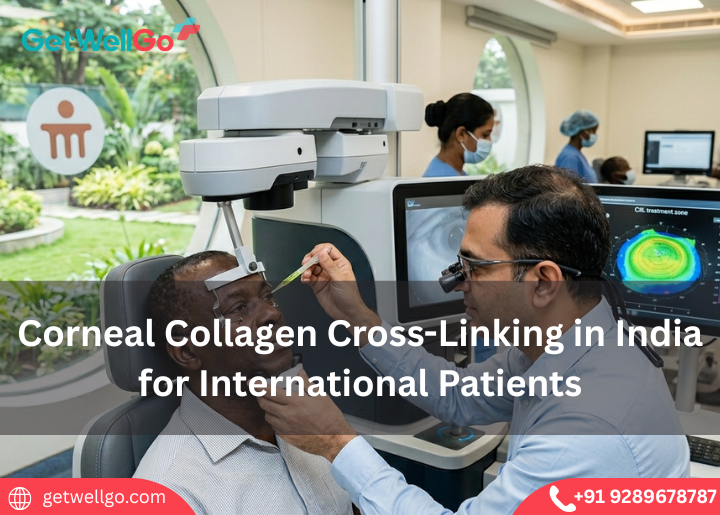
Experience advanced Corneal Collagen Cross-Linking in India to stabilize keratoconus and protect your sight, with full medical visa help from our travel team.
Read More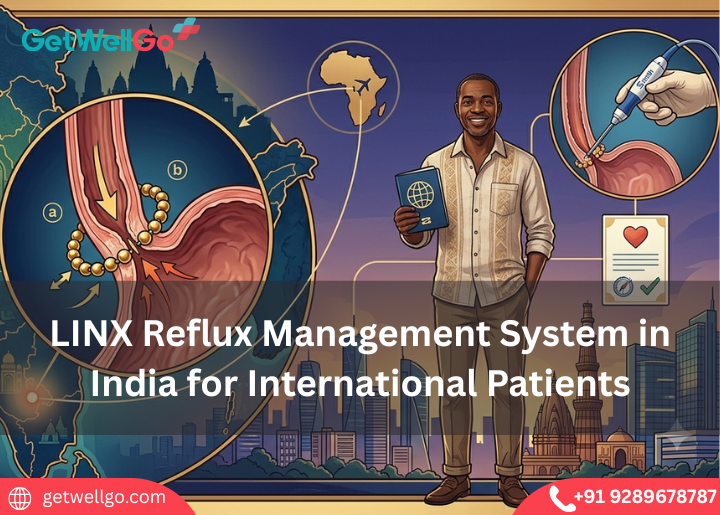
Experience the LINX Reflux Management System in India to stop severe heartburn using a tiny magnetic ring, fully organized by our fast-track medical visa team.
Read More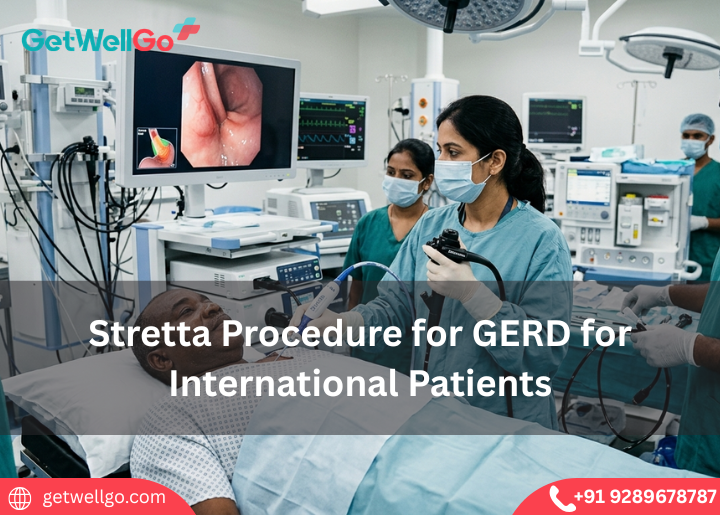
Experience advanced Stretta Procedure for GERD in India to eliminate chronic acid reflux without surgery, completely managed by our fast-track medical visa team
Read More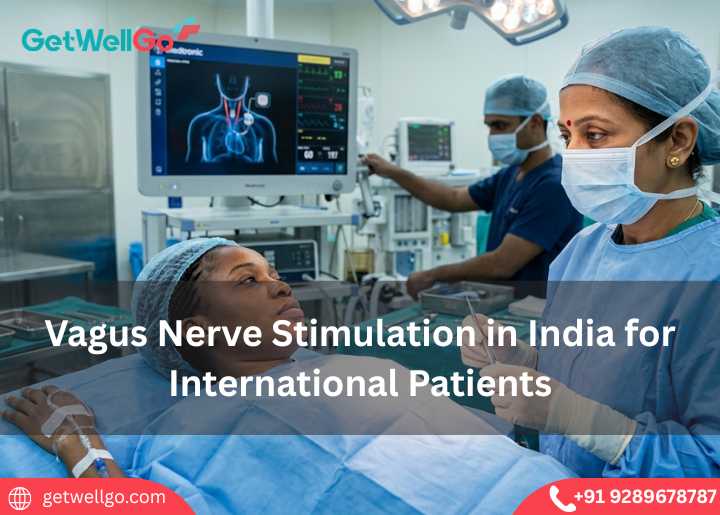
Get advanced vagus nerve stimulation treatment in India with expert care, modern hospitals, and affordable options for international patients.
Read More
Medical tourism in India for Uzbekistan Patients made easy. GetWellGo handles your top-tier surgery, Uzbek translator, and a safe, warm home for your family.
Read More
Palliative care services in India focus on your comfort and peace of mind. GetWellGo handles the expert pain relief, visa, and a serene, private home to heal.
Read More
Get reliable visa assistance for medical travel to India. Support with documentation, approvals, and a smooth entry process for global patients.
Read More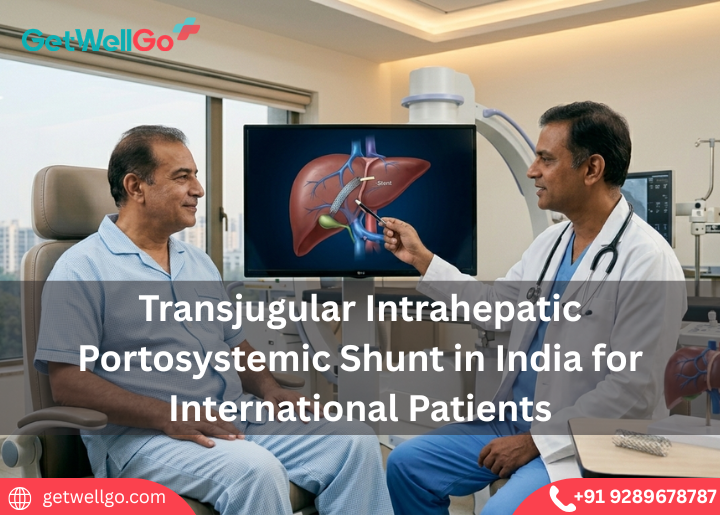
Transjugular Intrahepatic Portosystemic Shunt in India stops dangerous liver bleeding. GetWellGo handles your top specialist, visa, and a safe, cozy stay.
Read More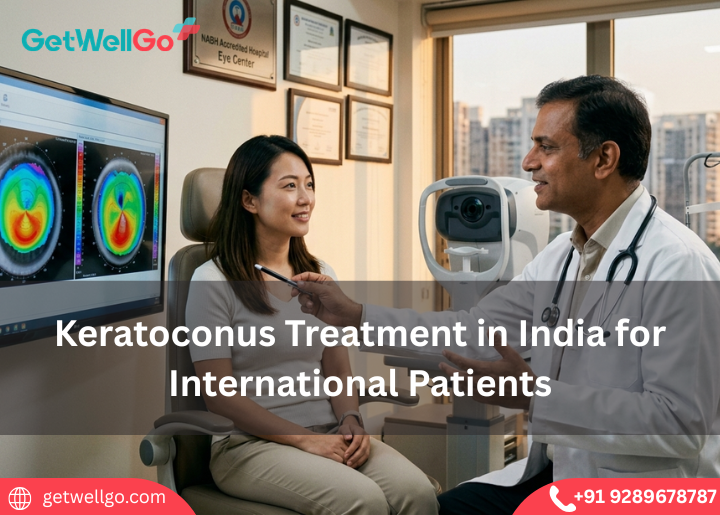
Keratoconus Treatment in India stops your vision from getting worse. GetWellGo handles your advanced eye care, visas, and a safe trip to save your sight.
Read More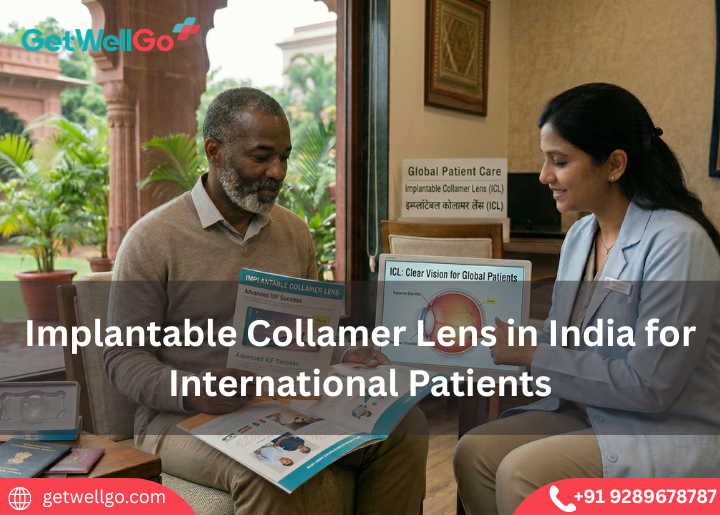
Implantable Collamer Lens in India lets you ditch thick glasses forever. GetWellGo handles your expert eye doctor, flights, and a clear-vision holiday.
Read More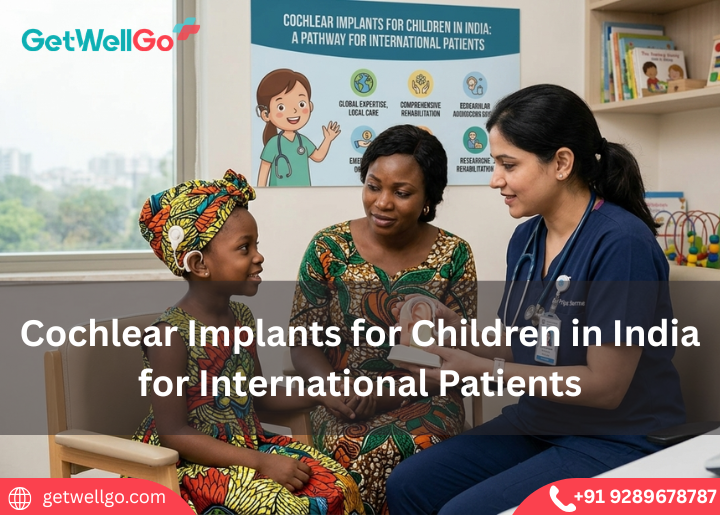
Cochlear Implants for Children in India opens a world of sound. We at GetWellGo plan your affordable ear surgery, airport pickup, and safe family trip.
Read More