
Historic Milestone: FMRI Celebrates 2500 Successful Bone Marrow Transplants
Celebrate a historic milestone of 2500 successful Bone Marrow Transplant at Fortis Gurgaon procedures, backed by our complete international patient visa care.
Read More
Homologous blood transfusion involves transferring blood from a compatible donor to a recipient to treat blood loss, anemia, or during surgical procedures.

Homologous Blood Transfusion is a process in which donated blood from a different individual of the same species is given to a patient suffering from deficiency of blood components in his body.
Homologous blood transfusion steps:
Pre-Transfusion Preparation
Blood Collection and Screening (Donor Side)
Setting up the Transfusion
During the Transfusion
Post-Transfusion Care
The classification of homologous (allogeneic) blood transfusion mostly depends on the blood product that is being administered. Here's a clear breakdown:
Here are the main benefits of homologous (allogeneic) blood transfusion:
Here are the main complications of homologous blood transfusion:
|
Feature |
Homologous Blood Transfusion |
Autologous Blood Transfusion |
|
Definition |
Blood transfusion using blood from a different donor (same species). |
Blood transfusion using the patient’s own blood. |
|
Source of Blood |
Collected from a volunteer donor. |
Collected from the patient before surgery, or recovered during/after surgery. |
|
Blood Type Matching |
Essential — requires careful cross-matching (ABO, Rh). |
No matching needed — it’s the patient's own blood. |
|
Risk of Reactions |
Higher — risk of allergic, febrile, hemolytic reactions, infection. |
Very low — no risk of immune reaction or transmitted infections. |
|
Risk of Infection |
Small but present (HIV, hepatitis, bacterial contamination). |
Extremely rare. Almost no risk of transmitted infections. |
|
Preparation Time |
Quick — blood is available from blood banks. |
Needs advance planning — blood is collected days or weeks before surgery. |
|
Common Uses |
Emergencies, trauma, anemia, surgeries when patient's blood is not available. |
Elective surgeries (planned operations) — for patients wanting to avoid donor blood. |
|
Cost |
Usually cheaper and more accessible. |
Often more expensive due to special handling and storage. |
|
Storage |
Standard blood banking systems. |
Special procedures to store the patient’s blood safely. |
Here are the main indications (reasons) for a homologous blood transfusion:
Advantages of Homologous Blood Transfusion
Widely Available
Blood banks store large supplies of donor blood and components.
Life-Saving
Rapid replacement of blood volume in emergencies (accidents, major surgeries, severe bleeding).
Component Therapy
Simply, you receive what is required, red cells, platelets, plasma, clotting factors and none of the body components are given which are not required.
No Delay for Collection
Fresh blood is always available since it does not undergo through the process of collection from the donor before it is used like the autologous transfusions.
Supports Patients with Chronic Conditions
Regular transfusions available for diseases like thalassemia, sickle cell anemia, and blood cancers.
Helps in Complex Medical Situations
Vital in critical care (ICU), trauma centers, cancer treatments, and transplant surgeries.
Risk of Transfusion Reactions
This program has been left for Allergic reactions, febrile reactions, Hemolytic reactions including those matching effort.
Risk of Infections
Tiny risk of infections like HIV, hepatitis B/C, bacterial infections despite strict screening.
Immune System Complications
Blood transfusion also has some side effects when the patient receives many jars of blood; immune sensitization (antibodies against donor blood).
Iron Overload
Multiple transfusions have an impact on increasing the iron levels and to cause damage to many organs including the heart rate, liver, etc.
Rare but Serious Risks
TRALI in the lung, GVHD in the immunocompromised patients.
Compatibility Issues
In matched sparing, it is not easy to locate an ideal match for a certain blood group, even the rare ones.
Saves Lives in Emergencies
During trauma, accidents or major surgeries, there is need for quick transfusion of blood to prevent death due to excessive bleeding.
Supports Surgical Success
Several operations such as heart operations, transplantations, and most cancer or tumour surgeries, among other important operations will not be feasible without donor blood.
Coping with Severe Anemia and Blood Disorders
Those with severe anemia, thalassemia, sickle cell disease, or bone marrow failure have stronger and longer lives due to the fact that normal blood transfusion is available to them.
Plasma and clotting factors are used in the management of bleeding disorders for patients with haemophilia, liver disease, or DIC.
Improves Recovery and Healing
Increasing the capacity of oxygen delivery, which can be achieved by increasing red blood cells, enhances the recovery of wounds as well as surgical procedures.
Maintains Blood Volume and Pressure
Blood transfusions are used to replace volume, restore blood pressure and organ blood flow in critically ill or shocked patients.
Accessible and Ready
Since blood banks involve in storage and preparation of blood, it can be dispatched when required other than getting from the autologous collection.
Essential for Cancer and Chemotherapy Care
It is hence clear that many cancer patients require blood and platelet transfusions to supply their body with blood during intensive treatment.
The term homologous transfusion during the surgery means that a patient receives blood from the donor during or after an operation to meet the body’s requirement.
Why It’s Needed in Surgery:
Celebrate a historic milestone of 2500 successful Bone Marrow Transplant at Fortis Gurgaon procedures, backed by our complete international patient visa care.
Read More
Experience advanced Corneal Collagen Cross-Linking in India to stabilize keratoconus and protect your sight, with full medical visa help from our travel team.
Read More
Experience the LINX Reflux Management System in India to stop severe heartburn using a tiny magnetic ring, fully organized by our fast-track medical visa team.
Read More
Experience advanced Stretta Procedure for GERD in India to eliminate chronic acid reflux without surgery, completely managed by our fast-track medical visa team
Read More
Get advanced vagus nerve stimulation treatment in India with expert care, modern hospitals, and affordable options for international patients.
Read More
Medical tourism in India for Uzbekistan Patients made easy. GetWellGo handles your top-tier surgery, Uzbek translator, and a safe, warm home for your family.
Read More
Palliative care services in India focus on your comfort and peace of mind. GetWellGo handles the expert pain relief, visa, and a serene, private home to heal.
Read More
Get reliable visa assistance for medical travel to India. Support with documentation, approvals, and a smooth entry process for global patients.
Read More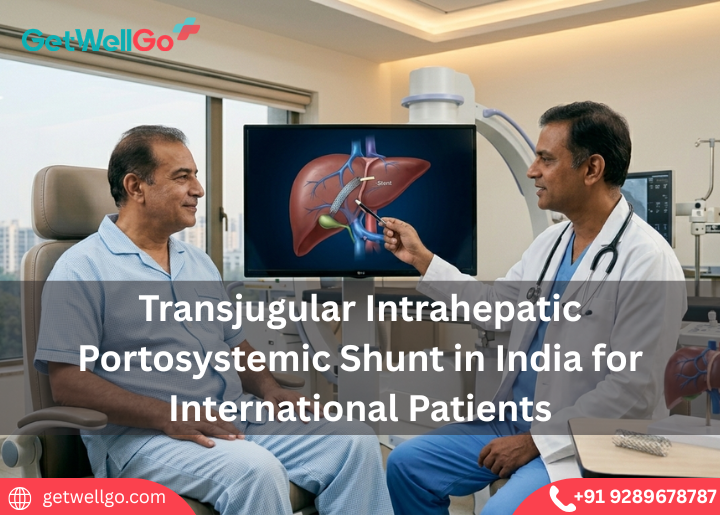
Transjugular Intrahepatic Portosystemic Shunt in India stops dangerous liver bleeding. GetWellGo handles your top specialist, visa, and a safe, cozy stay.
Read More
Keratoconus Treatment in India stops your vision from getting worse. GetWellGo handles your advanced eye care, visas, and a safe trip to save your sight.
Read More
Implantable Collamer Lens in India lets you ditch thick glasses forever. GetWellGo handles your expert eye doctor, flights, and a clear-vision holiday.
Read More
Cochlear Implants for Children in India opens a world of sound. We at GetWellGo plan your affordable ear surgery, airport pickup, and safe family trip.
Read More