Historic Milestone: FMRI Celebrates 2500 Successful Bone Marrow Transplants
Celebrate a historic milestone of 2500 successful Bone Marrow Transplant at Fortis Gurgaon procedures, backed by our complete international patient visa care.
Read More
Choose GetWellGo for affordable Endoscopic Retrograde Cholangiopancreatography (ERCP), advanced treatment, and trusted assistance for global patients.
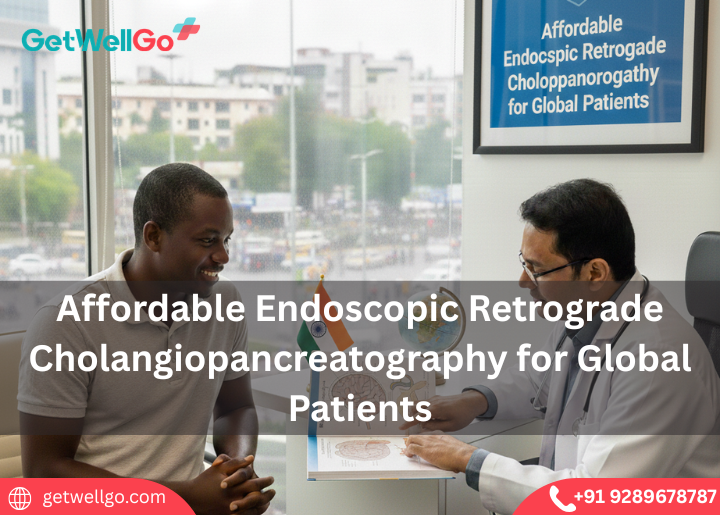
Endoscopic Retrograde Cholangiopancreatography is a procedure used to:
ERCP is applied to diagnose and treat such conditions as:
It is selected in the case where the imaging process (MRI/MRCP or ultrasound) reveals ductal pathology which may need therapeutic intervention in the same session.
Certain problems of the bile ducts and pancreatic ducts are diagnosed and treated by the ERCP procedure.
ERCP is an intervention procedure that is widely applied in India, not only in diagnosis.
Before the procedure
During ERCP
Treatment may include
Procedure time
Usually 30–60 minutes
After the Procedure
Here are the factors that affect the ERCP cost in India:
Type of Procedure and intricacy
Facilities Hospital Category
City & Geographic Location
Big metropolis cities are likely to be expensive as opposed to smaller towns because of better costs of operations and living.
Experience and Expertise of Doctor
Very experienced gastroenterologists/endoscopists can be costly to hire them on a professional fee, particularly when it comes to complex cases.
Hospital Stay & Room Type
Anaesthesia Choices
ERCP may be performed on moderate sedation or general anaesthesia. General anaesthesia includes fees, medications and supervision of the anaesthetist plus, to the bill.
Care Before and After the Procedure
Medical Complications
Such complications as post-ERCP pancreatitis, infections, bleeding, or long-term care add to the cost because of the additional treatment or ICU care.
Consumables Used
Stents (plastic, versus metal), balloons, guidewires, baskets, contrast dye, all of them add up to the final bill.
Diagnostic ERCP is an endoscopic procedure performed just to see the bile ducts and the pancreatic ducts with contrast dye and X-ray imaging - without carrying out any treatment such as the removal of stone or stenting.
It helps identify:
India is now seldom subjected to purely diagnostic ERCP.
Why?
In India, diagnostic ERCP can be regarded when:
The manner in which Diagnostic ERCP is carried out:
Time: usually 20–40 minutes
In India, the procedure of Endoscopic Retrograde Cholangiopancreatography (ERCP) is already established and has become very common and beneficial as it is currently mainly utilized as a therapeutic tool but not as a distinct diagnostic procedure. Diagnostic ERCP is now rare with the development of non-invasive imaging machines such as MRCP and EUS and ERCP is now indicated only when active intervention of some sort (stone removal, stent, or ductal obstruction) is needed. ERCP in India is available in an extensive range of healthcare facilities, starting with government medical colleges and ending with sophisticated private tertiary hospitals, so the procedure is affordable and relatively economical. ERCP cost mainly depends on the complexity of the procedure, type of hospital, city, expertise of the doctor, use of stents or consumables, anaesthesia, hospital stay and complications. When conducted by competent gastroenterologists in the right locations, ERCP has a high success and moderate safety profile, but patients should be carefully chosen because of the possibility of such complications as post-ERCP pancreatitis. Consequentially, best practice in India is currently focused on appropriate pre-procedure imaging, clear intervention indication and informed patient consent.
GetWellGo is regarded as a leading supplier of healthcare services. We help our foreign clients choose the best treatment locations that suit their needs both financially and medically.
We offer:
Celebrate a historic milestone of 2500 successful Bone Marrow Transplant at Fortis Gurgaon procedures, backed by our complete international patient visa care.
Read More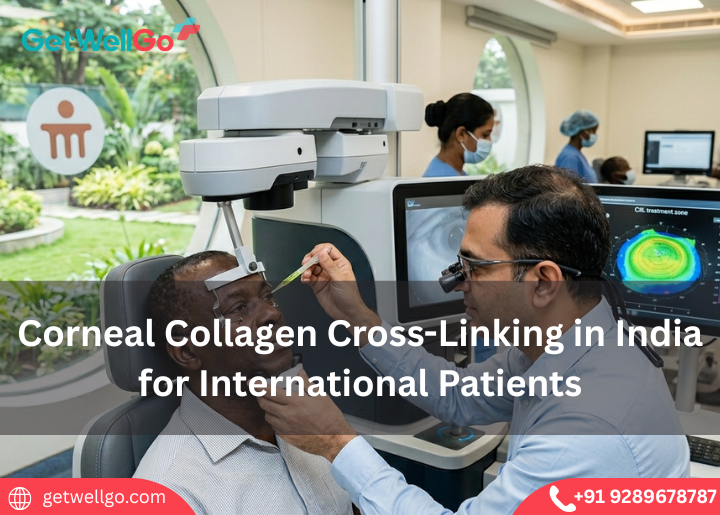
Experience advanced Corneal Collagen Cross-Linking in India to stabilize keratoconus and protect your sight, with full medical visa help from our travel team.
Read More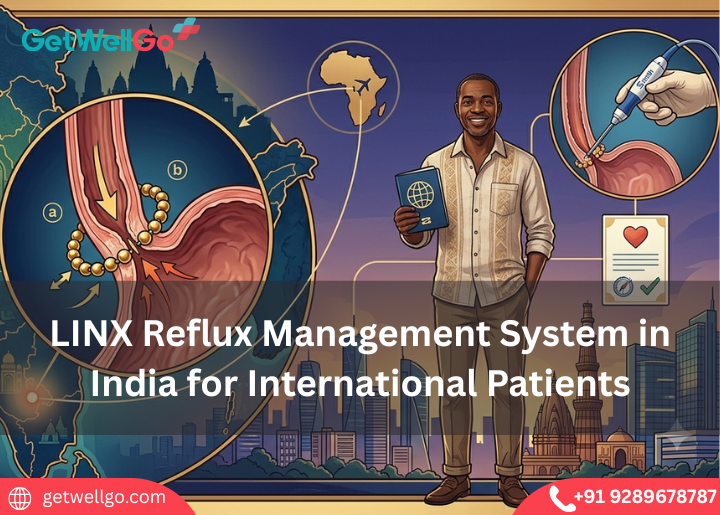
Experience the LINX Reflux Management System in India to stop severe heartburn using a tiny magnetic ring, fully organized by our fast-track medical visa team.
Read More
Experience advanced Stretta Procedure for GERD in India to eliminate chronic acid reflux without surgery, completely managed by our fast-track medical visa team
Read More
Get advanced vagus nerve stimulation treatment in India with expert care, modern hospitals, and affordable options for international patients.
Read More
Medical tourism in India for Uzbekistan Patients made easy. GetWellGo handles your top-tier surgery, Uzbek translator, and a safe, warm home for your family.
Read More
Palliative care services in India focus on your comfort and peace of mind. GetWellGo handles the expert pain relief, visa, and a serene, private home to heal.
Read More
Get reliable visa assistance for medical travel to India. Support with documentation, approvals, and a smooth entry process for global patients.
Read More
Transjugular Intrahepatic Portosystemic Shunt in India stops dangerous liver bleeding. GetWellGo handles your top specialist, visa, and a safe, cozy stay.
Read More
Keratoconus Treatment in India stops your vision from getting worse. GetWellGo handles your advanced eye care, visas, and a safe trip to save your sight.
Read More
Implantable Collamer Lens in India lets you ditch thick glasses forever. GetWellGo handles your expert eye doctor, flights, and a clear-vision holiday.
Read More
Cochlear Implants for Children in India opens a world of sound. We at GetWellGo plan your affordable ear surgery, airport pickup, and safe family trip.
Read More