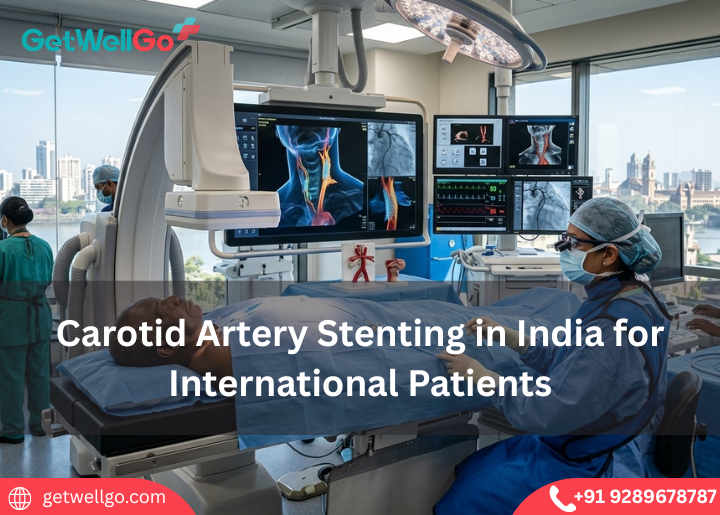
Carotid Artery Stenting in India for International Patients
Restore safe brain blood flow with Carotid Artery Stenting in India organized smoothly by our team, from rapid specialist booking to a cozy recovery stay.
Read More
Stay ahead of cardiovascular disease—understand types, symptoms, and what causes them. GetWellGo provides clear, accurate health info to keep your heart safe.

Cardiovascular disease or CVD is generally defined as diseases of the heart and any disorders affecting blood vessels. It is a leading cause of death in the world and embraces diseases such as:
Warning signs of heart disease include various symptoms that can depend upon the type of the heart issue such as the coronary artery disease, heart failure, and arrhythmias, among others.
Chest Pain or Discomfort (Angina)
Shortness of Breath
Fatigue
Palpitations
Swelling (Edema)
Dizziness or Lightheadedness
Nausea or Indigestion
Cold Sweats
Pain in Other Areas
Heart Attack Symptoms
Hypertension is a medical condition characterized by the consistently high force of blood against your artery walls. If not treated, this then culminates to such disorders as heart disease, stroke, renal failure and more.
There are numerous risk factors for heart disease, some of which are modifiable and others that are not. About two thirds of cardiovascular diseases are caused by gradual deterioration and stress on the heart and blood vessels.
Atherosclerosis (Plaque Buildup in Arteries)
The most common cause
High Blood Pressure (Hypertension)
High Cholesterol
Diabetes and Insulin Resistance
Smoking
Obesity
Sedentary Lifestyle
Poor Diet
Excessive Alcohol
Stress
Congenital heart disease (CHD) is the medical term that describes heart diseases that are present at birth. These defects can occur in the structure of the heart chambers, the arteries and the manner in which blood is circulated within the heart. They can be very mild, moderate or deep and may manifest right at birth or at some later stage in the child’s life.
Septal Defects
Tetralogy of Fallot
Congenital cardiac disease that involves four characteristics of the heart’s structure through which insufficient oxygenated blood can be circulating around the body. Some of the conditions include VSD, pulmonary stenosis, increased right ventricle, and an aorta that is positioned above the ventricles.
Coarctation of the Aorta
Transposition of the Great Arteries
Patent Ductus Arteriosus (PDA)
Pulmonary Valve Stenosis
Tricuspid Atresia
Hypoplastic Left Heart Syndrome
Peripheral arterial disease (PAD) can be defined as a vascular disease characterized by the narrowing or blocking of the peripheral arteries, which supply blood to the limbs, particularly the legs. This plaque is a combination of fat, cholesterol and other substances which accumulate on the coronary arteries’ walls. PAD is a disease that owes its development from atherosclerosis, which represents a condition of the arteries being hardened and narrowed.
Cardiomyopathy means any disease of the heart muscle that can cause the heart to become weak and unable to pump blood effectively. Eventually, cardiomyopathy can result in heart failure, arrhythmias, and other complications. There are four main types of cardiomyopathy: dilated, hypertrophic, arrhythmogenic right ventricular, and non-compaction.
The primary prevention of heart disease is based on the elimination or reduction of risks, risk identification, and control. You can easily avoid getting any heart disease or even slow the progression to a great extent if you follow quite an environment consciously and purposefully. Below is a guide to understanding how you can prevent yourself from having to suffer from a heart disease:
Adopt a Heart-Healthy Diet
Get Regular Physical Activity
Maintain a Healthy Weight
Manage Chronic Conditions
Reduce Stress
Regular Health Check-ups
These tips can assist you to take care of your heart and keep heart diseases at a distant reality:
These are some cardiovascular facts that have been prepared to draw attention towards heart issues and their determinants:
Lifestyle Modifications
Medications
Medical Procedures and Surgeries
Angioplasty and Stent Placement:
Coronary Artery Bypass Grafting (CABG):
Heart Valve Repair or Replacement:
Pacemaker Implantation:
Implantable Cardioverter-Defibrillator (ICD):
Heart Transplant:
Managing Chronic Conditions
GetWellGo is regarded as a leading supplier of healthcare services. We help our foreign clients choose the best treatment locations that suit their needs both financially and medically.
We offer:
Restore safe brain blood flow with Carotid Artery Stenting in India organized smoothly by our team, from rapid specialist booking to a cozy recovery stay.
Read More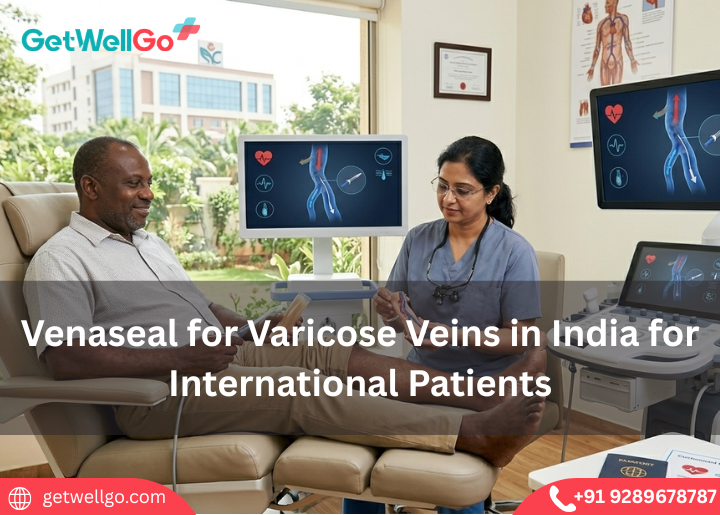
Experience advanced Venaseal for Varicose Veins in India to seal damaged veins with medical glue, fully managed by our fast-track medical visa travel team.
Read More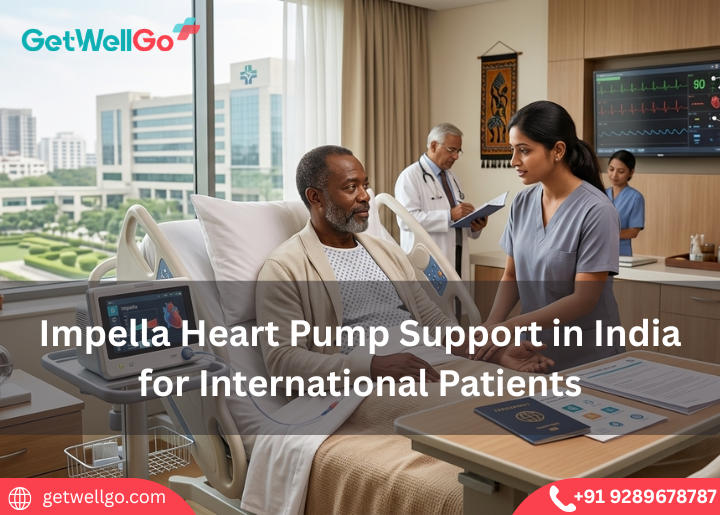
Protect failing heart function with Impella Heart Pump Support in India organized smoothly by our team, from emergency hospital booking to a safe recovery.
Read More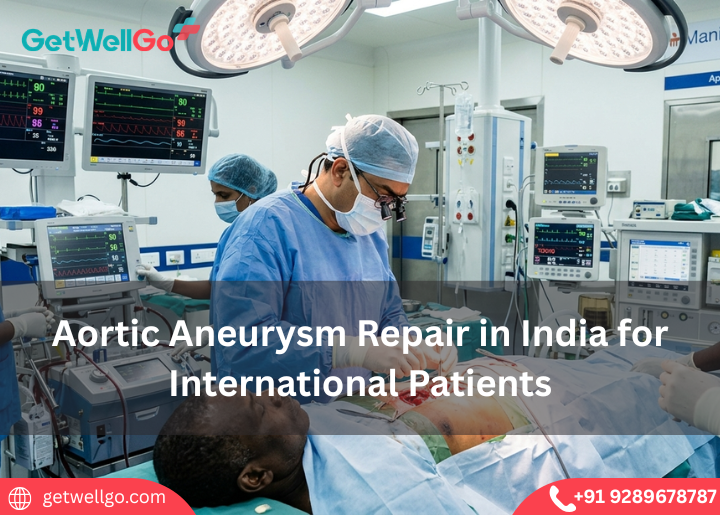
Aortic Aneurysm Repair in India: Fix weak artery walls safely before they rupture. We connect you to elite vascular teams, handle fast visas & a quiet stay.
Read More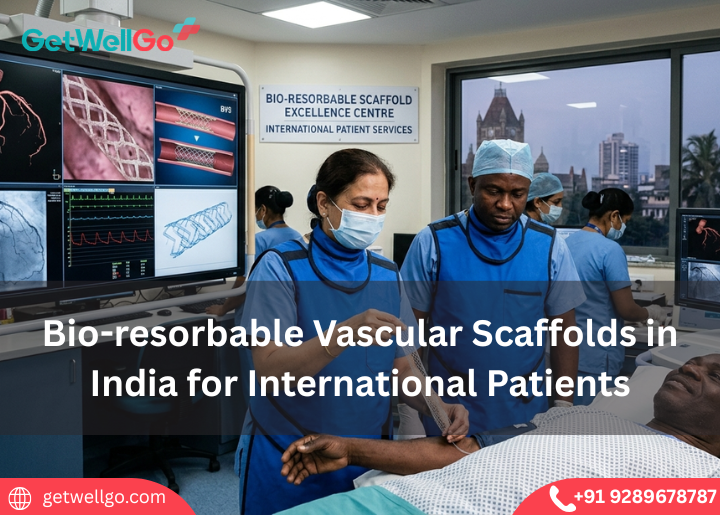
Bio-resorbable Vascular Scaffolds in India: Open your arteries with a stent that melts away naturally! We arrange top cardiologists, visas & a cozy stay.
Read More.png)
Shockwave Lithotripsy for Arteries in India: Clear hard calcium gently with sonic waves! We arrange your top cardiologist, medical visa & a cozy recovery stay.
Read More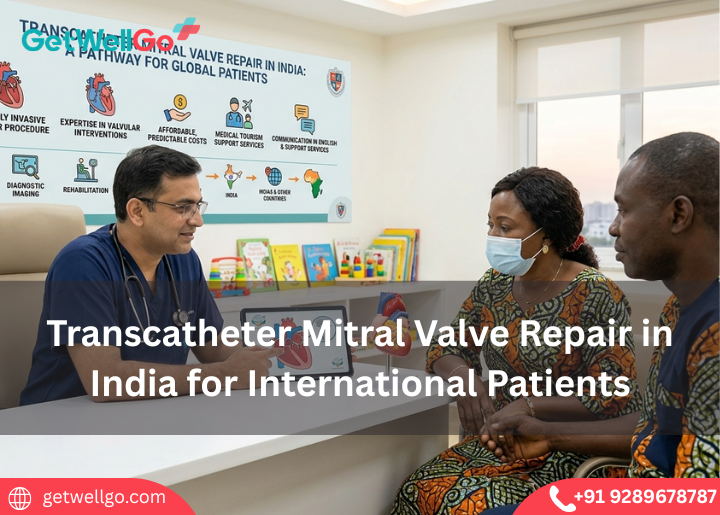
Explore safe, minimally invasive mitral valve repair in India for global patients with expert care, modern hospitals, and cost-effective treatment options.
Read More
Choose GetWellGo for Transcatheter Aortic Valve Replacement in India. International patients receive expert cardiac care, modern hospitals, and cost savings.
Read More
Choose GetWellGo for pediatric cardiac catheterization in India. International patients get advanced care, skilled pediatric cardiologists, and cost-effective treatment.
Read More
MitraClip Procedure in India fixes leaky heart valves without open surgery. GetWellGo handles your top cardiac clinic, medical visa, and safe recovery.
Read More
Endovascular Aneurysm Repair in India saves lives without major open surgery. GetWellGo handles your top vascular clinic bookings, visas, and safe recovery.
Read More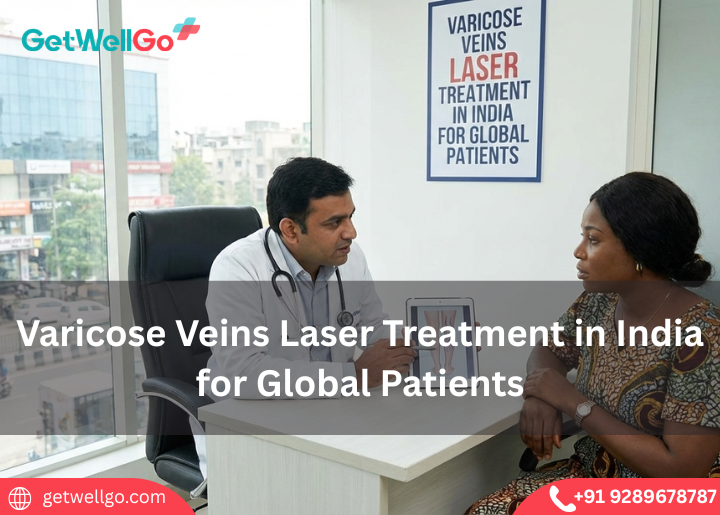
Get world-class varicose veins laser treatment in India at competitive costs, combining advanced technology, quick recovery options, and smooth travel support for global patients.
Read More