Gastroenterology
Hirschprung Disease - Laparoscopic Pull Through
Hirschprung Disease - Laparoscopic Pull Through
GetWellGo provides advanced laparoscopic pull-through surgery for Hirschsprung disease, offering expert care, faster recovery, and support for international patients
Hirschsprung disease laparoscopic pull through
Hirschsprung disease is a disease of congenital origin in which a segment of the large intestine does not have nerve cells (ganglion cells). This makes the bowel segment involved to remain in its contracted form causing severe constipation, abdominal distension and hard stool passing.
Treatment is nothing but surgery.
Laparoscopic Pull-Through Surgery
Laparoscopic pull-through is an operation on the intestinal tract performed with the aid of a laparoscope that removes the inflamed segment of the intestine and pulls the healthy intestinal segment with normal innervation down to the anus,
Using normal laparoscopic techniques are:
- Laparoscopy Swenson pull-through.
- Laparoscopic Soave pull-through.
- Duhamel pull-through laparoscopic.
Goals of surgery
- Ectomy of the aganglionic (non-functional) bowel.
- Regain normal bowel movement.
- Reduce the trauma and scarring.
- Minimize postoperative pain and recovery.
Indications
- Proven Hirschsprung disease (short or long segment)
- Absence of meconium passing in infants.
- Chronic constipation
- Megacolon
- Recurrent enterocolitis
Hirschsprung pull through procedure
Pull-through procedure is the final surgical management of Hirschsprung disease which involves a section of intestines that do not contain ganglion cells thus resulting in obstruction. The aim of surgery is to excise aganglionic bowel and join the healthy, normally innervated bowel to the anus.
The most common techniques are three, namely:
- Swenson pull-through
- Soave pull-through
- Duhamel pull-through
They could be executed through open, laparoscopic, and laparoscopic-assisted.
The Pull-Through Procedure Steps:
Anaesthesia and Positioning of patient
- General anaesthesia is applied in surgery.
- The child is put in the supine position with raised legs and is made accessible.
Abdominal (Open or Laparoscopic) Approach
- In case of laparoscopic: 3-4 small incisions.
- In case of open incision: lower abdominal incision.
- The surgeon identifies and moves the bowel affected.
Identification Aganglionic Segment
- The transitional zone occurs between the aganglionic and normal bowel.
- To ascertain the presence of ganglion cells, seromuscular or full-thickness biopsies could be performed.
Mobilization of Colon
- The aganglionic and a small portion of the normal intestine are moved about.
- Blood supply (mesentery) is maintained or cut depending on the necessity.
- Sick bowel is carefully excised including tissues until rectum.
Transanal Dissection (provided less invasive)
- A few centimeters above the dentate line, the rectal mucosa is circumferentially cut.
- The dissection continues upwards to the abdominal dissection.
- The Soave technique is a procedure in which the mucosa is excised, and the muscular cuff is retained.
Aganglionic Bowel Resectomy
- The whole aganglionic part is taken out.
- Guarantees that only normal nerve cell bowel is left.
Pull-Through (Pulling Down the Normal Bowel)
- The healthy, ganglionated colon is slowly pulled down via the rectum.
- Attention is paid to prevent twisting and tension.
Anastomosis (Connection)
The healthy bowel end is joined to the anal canal:
- Swenson: Anastomosis following excision of diseased rectum.
- Soave: Peritomy in the muscular cuff.
- Duhamel: Side-by-side anastomosis with a posterior pouch.
- Aim: To make the stool passage smooth.
Closure
- Incidences on the abdomen were closed using absorbable sutures.
- There is inspection and cleaning of the anal area.
- External stoma is not usually needed except in case of complications or in case of severe colitis.
Postoperative Care
- Oral feeding starts when bowel functions resume (24-48).
- The pain is managed using medication.
- Several weeks of loose stools are to be anticipated.
- Depending on the method, parents can be given instructions on how to do anal dilations.
Minimally invasive Hirschsprung disease surgery
Hirschsprung is a disease that is now treated through minimally invasive surgery (MIS). It does not create huge holes in the stomach, causes less pain, and contributes positively to quicker recovery and gives results similar or even better than those of open surgery.
The most common minimally invasive techniques used are:
- Laparoscopic-assisted pull-through
- Complete transanal endorectal pull-through (TEPT).
- Laparoscopic Swenson / Soave / Duhamel pull-through.
Indications
Minimal invasive surgery is appropriate to:
- Short-segment Hirschsprung disease (most common)
- Long-segment disease (laparoscopic mobilization).
- Infants diagnosed early
- Selected older children
- Drastic colitis or drastic dilation of the colon can necessitate a gradual procedure of temporary stoma.
Minimally Invasive Approaches
- Laparoscopic-Assisted Pull-Through
- The most common MIS methodology.
Steps
- Abdominal ports of 3-4 small abdominal ports are made.
- Bowel is visualized and the zone of transition ascertained.
- Ganglion cells might be verified by means of biopsies.
- Laparoscopic mobilization of the aganglionic colon is done.
- Surgeon carries out the transanal dissemination downwards.
- Healthy bowel is dragged inside and attached to the anus.
Advantages
- Fine imaging of bowel and mesentery.
- Long segment mobilization of a safer way.
- Reduced post-operative pain and scarring.
Total Transanal Endorectal Pull-Through (TEPT)
-
An abdominal-free transanal technique.
Steps
- An incision is drawn circumferentially above the dentate line on the mucosal level.
- The rectal mucosa is excised inwards in the muscular cuff.
- The bowel that is diseased is removed and excised.
- Healthy bowel is pulled down and anastomosed.
When preferred?
- Short-segment disease
- Infants under 3–6 months
- Minimal proximal dilation
Advantages
- No visible scars
- Shortest operative time
- Faster recovery
- Minimal postoperative pain
Laparoscopic Swenson / Soave / Duhamel Pull-Through.
-
The traditional pull-through processes that are carried out using MIS methods.
Laparoscopic Swenson
- Cased entire rectum laparoscopically.
- Stomatostomy slightly above the dentate line.
- Maintains continuity processes.
Laparoscopic Soave
- Transanal mucosectomy
- Anastomosis made within the muscular cuff.
- Reduces trauma to the pelvic nerves.
Laparoscopic Duhamel
- A posterior pouch is created
- Side-to-side anastomosis
- Applicable to the massively dilated colon or redo cases.
Advantages of Minimal Invasive Hirschsprung Surgery
Smaller or No Incisions
- TEPT produces zero abdominal scars.
- Laparoscopic surgeries involved the use of 3-4 small key-holes.
Minimal Postoperative Pain
- Less trauma to tissue
- Fewer requirements of hard painkillers.
Faster Recovery
- Early feeding (0–48 hours)
- Duration of hospital stay 3 to 5 days.
Lower Risk of Adhesions
-
Increased likelihood of reduced bowel obstruction in later life.
Better Cosmetic Outcome
-
Essentially critical to infants/young children.
Hirschsprung disease treatment laparoscopic
Laparoscopic surgery has become one of the most common and efficient methods of the treatment of Hirschsprung disease. It is not very invasive, decreases the pain after the surgery, and has excellent long-term results. Laparoscopic treatment is aimed at excising the aganglionic bowel and moving the healthy, ganglionated bowel towards the anus.
Guidelines of Laparoscopic Treatment
The laparoscopic pull-through should be used in:
- Short-segment Hirschsprung disease (majority of cases)
- Disease in the long segment that is in need of special care during mobilization.
- Infants diagnosed early
- Selected older children
- To ascertain the transition zone, children who need biopsies are included.
- A temporary stoma before definitive surgery may be necessary in cases of severe enterocolitis or massively dilated colon.
Laparoscopic Procedure types
In laparoscopic treatment, one of the following methods is characteristically followed:
- Laparoscopic-Assisted Soave Pull-Through (Most common)
- Laparoscopic Assisted Swenson Pull-Through.
- Laparoscopic-Assisted Duhamel Pull-Through.
All of these methods strive to eliminate the diseased bowel and place normal bowel functioning back in place.
Best hospital for Hirschsprung surgery India
- Artemis Hospital, Gurgaon
- Medanta-The Medicity, Gurgaon
- Fortis Memorial Research Institute, Gurgaon
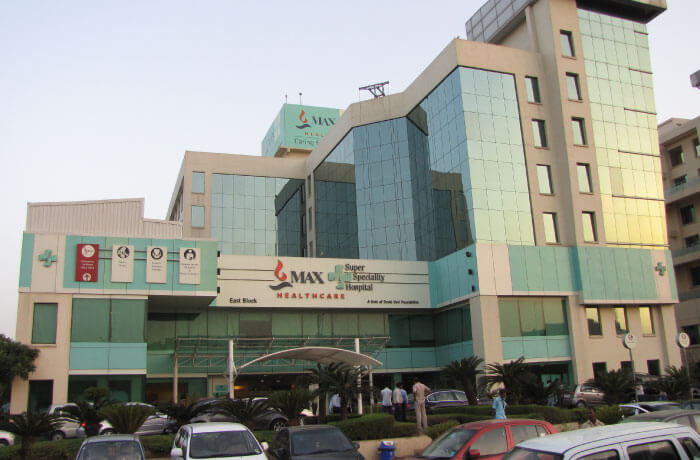
- Max Hospital, Saket
Hirschsprung disease surgery recovery
The postoperative recovery following Hirschsprung disease surgery (pull-through procedure) has slight variations in the recovery levels depending on the approach (laparoscopic surgery, transanal surgery, or open surgery). A majority of the children recover successfully and attain almost normal bowel movements with time. Recovery period involves hospital recovery, home care, bowel pattern adaptation and long-term follow up.
Short-term (Hospital Stay) Postoperative Recovery
Duration of Stay
- Usually 3-5 days following laparoscopic surgery / transanal.
- Complications could be more after open surgery.
Pain Control
- Less invasive surgery with less pain.
- Provide IV/ oral pain medication.
- Incisions are minor and heal fast.
Feeding
- IV fluids initially
- Feeding is begun once bowel movements return (usually 24-48 hours).
- The breast feeding/formula or mature diet was reintroduced gradually.
Bowel Movements
- Loose stools are frequent.
- Bowel activity is restored by meconium or stool productions.
Monitoring
Doctors observe for:
- Fever
- Abdominal distension
- Excessive vomiting
- Enterocolitis symptoms
Early Home Recovery (First 2-4 Weeks)
Wound Care
- Laparoscopic or transanal wounds which are small require basic cleansing.
- Store space clean; do not use tight diapers or clothes.
Stool Pattern
Common changes:
- 4–10 stools/day initially
- Loose or watery stools
- Diaper rash is common
- Weekly progressive change.
Anal Dilations (Should they be Recommended)
- There are those children who need daily or weekly dilations.
- Avoiding strictures at the anastomosis.
- Normally continued between 6-12 weeks or as recommended by the surgeon.
Activity
- Infants could be normal in their activity within a short time.
- Children that are older should not be subjected to vigorous activity within 3-4 weeks.
Nutrition
- Fluid intake is necessary because of diarrhea.
- The best is breast milk or formula.
- Children of older age could be helped by:
- Low fiber food (progressively added)
- Adequate water intake
Normalization of Bowel functioning (1-6 months)
Stool Frequency Reduces
- With time, stools are reduced and solid.
- Numerous children are resolved on to 1-3 daily stools.
Toilet Training
- May is prolonged in certain children.
- The pelvic floor functions enhance with time.
Managing Constipation
There is the possibility of constipation in some children. Management includes:
- Hydration
- Plentiful food with fiber (age-specific)
- Stool softeners (when prescribed)
- Bowel-withholding behavior prevention.
Conclusion
This is because surgery involving Hirschsprung disease (and particularly laparoscopic or transanal surgery) is a safe, effective, and long-term treatment of children born with aganglionic bowel sections. The surgery can restore bowel functioning by removing the diseased part of the intestines and restoring normal intestinal continuity in the case of improper bowel functioning, which is a significant benefit to the improvement of the quality of life. Contemporary surgical methods have less pain, less hospitalization and increased recovery with outstanding cosmetic results. Through proper postoperative care, long-term follow-up and early complications management, the majority of children will proceed to live a normal life with normal development, normal bowel control and a healthy full life.
Affordable Hirschsprung surgery India GetWellGo
GetWellGo is regarded as a leading supplier of healthcare services. We help our foreign clients choose the best treatment locations that suit their needs both financially and medically.
We offer:
- Complete transparency
- Fair costs.
- 24 hour availability.
- Medical E-visas
- Online consultation from recognized Indian experts.
- Assistance in selecting India's top hospitals for Hirschsprung surgery.
- Top paediatric surgeons who have a proven record of success
- Support during and after treatment.
- Language Support
- Travel and Accommodation Services
- Case manager assigned to every patient to provide seamless support in and out of the hospital like appointment booking
- Local SIM Cards
- Currency Exchange
- Arranging Patient’s local food
FAQ
1. Is open surgery superior to laparoscopic surgery?
- Yes. Laparoscopy and transanal surgery require small incisions and are associated with less pain, scarring, a quicker recovery and comparable (or superior) long-term results.
2. At what age do they normally do surgery?
- Most children undergo surgery while they are still infants, often during the first two to three months of life. Children who are diagnosed at a later stage can also be treated successfully.
3. Will my child need a stoma?
- No, a temporary stoma is needed only in the setting of toxic enterocolitis, massively dilated bowel, or if the infant is too unstable from a medical standpoint to allow re-anastomosis.
4. How long do I have loose stools after surgery?
- The very first few weeks are characterized by loose stools. Adaptation of the bowel occurs gradually and the stool frequency increases after 1-6 months.
5. Will my child require anal dilations after the surgery?
- Sometimes. Dilations ensure that there is no constriction of the surgical connection. Whether or not they are necessary and how long they should be continued would be determined by your surgeon.
6. Is postoperative constipation avoidable?
- As children grow, some of them might suffer constipation. It is generally manageable with diet modification, hydration, and stool softeners if the doctor prescribes them.
7. Will my baby have normal bowel control when he gets older?
- Majority of children develop normal or near normal bowel control. Light soil or some accident may happen at the beginning but with time may be cured.
8. How does laparoscopic pull-through fare in the long run?
- The results in the long term are good. Majority of children are normal with normal growth, diet and activity levels.
TREATMENT-RELATED QUESTIONS
GetWellGo will provide you end-to-end guidance and assistance and that will include finding relevant and the best doctors for you in India.
A relationship manager from GetWellGo will be assigned to you who will prepare your case, share with multiple doctors and hospitals and get back to you with a treatment plan, cost of treatment and other useful information. The relationship manager will take care of all details related to your visit and successful return & recovery.
Yes, if you wish GetWellGo can assist you in getting your appointments fixed with multiple doctors and hospitals, which will assist you in getting the second opinion and will help you in cost comparison as well.
Yes, our professional medical team will help you in getting the estimated cost for the treatment. The cost as you may be aware depends on the medical condition, the choice of treatment, the type of room opted for etc. All your medical history and essential treatment details would be analyzed by the team of experts in the hospitals. They will also provide you with the various types of rooms/accommodation packages available and you have to make the selection. Charges are likely to vary by the type of room you take.
You have to check with your health insurance provider for the details.
The price that you get from GetWellGo is directly from the hospital, it is also discounted and lowest possible in most cases. We help you in getting the best price possible.
No, we don't charge patients for any service or convenience fee. All healthcare services GetWellGo provide are free of cost.
.png)

.jpg)