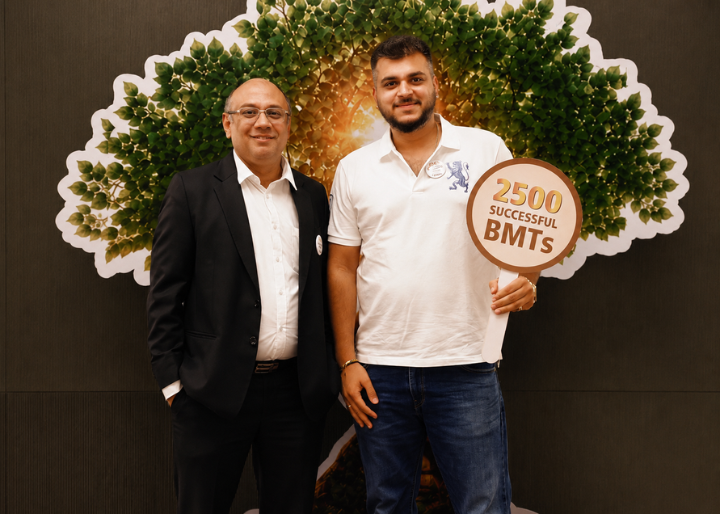
Historic Milestone: FMRI Celebrates 2500 Successful Bone Marrow Transplants
Celebrate a historic milestone of 2500 successful Bone Marrow Transplant at Fortis Gurgaon procedures, backed by our complete international patient visa care.
Read More
Celebrate World Down Syndrome Day with GetWellGo, empowering international patients through accessible healthcare, expert support, and safe medical journeys for brighter futures.

World Down Syndrome Day (WDSD) is celebrated on the 21st of March each year to promote awareness of Down syndrome.
The date (3/21) represents a triplet of the 21st chromosome, which leads to Down syndrome.
The condition observed in Down syndrome is caused by a person having an extra copy of chromosome 21. It can affect:
Individuals with Down syndrome are capable of living productive lives when provided with early intervention and medical care and by living and learning in the community via inclusive education.
The goals of World Down Syndrome Day
Key Focus Areas
Assistance for Families and Individuals
Access to:
The World Down Syndrome Day (21 March) promotes a focus on the need for equitable access to quality healthcare for people with Down syndrome. When medical attention is taken in time and proactive monitoring is done, individuals with Down syndrome can live long, healthy and productive lives.
Trisomy 21 Down syndrome is known to be connected with some medical conditions that need early screening and subsequent follow-up throughout their lives. An active healthcare approach is a much better result.
Key Healthcare Needs:
Newborn and Early Child Care
Cardiac Care
Approximately 40-50 percent of infants with Down syndrome might have heart conditions. The quality of life and survival is better when surgery is performed early and timely.
Developmental Support and Behavioral Support
Children can be more susceptible to pulmonary infections and need:
Orthopedic & Physical Health
Adult Healthcare Needs
Significance of Inclusion Healthcare Systems
Healthcare systems are encouraged to:
Down syndrome (Trisomy 21) is a hereditary disorder, which is already present at birth. There is no cure; however, early and careful medical treatment and supportive therapies have a great beneficial effect in terms of growth and development and the quality of life at an older age.
Pediatric care is based on early intervention.
Includes:
About 40%–50% of children with Down syndrome are born with heart defects that include:
Treatment options:
Children may have:
Down syndrome children have a common problem of hypothyroidism.
Management:
Children may experience:
Care plan includes:
Anatomical airways differences may be the reason why obstructive sleep apnea is more common.
Treatment options:
Possible conditions:
Treatment:
Care coordination best results when it is done by:
Atrioventricular septal defect (AVSD), ventricular septal defect (VSD), atrial septal defect (ASD) and tetralogy of Fallot are a few of the CHDs that are more prevalent in children with Down syndrome. Corrective surgery of such defects can be life-saving and results have greatly improved over time with the current modern pediatric cardiac care.
The following are the research findings concerning the success rates and outcomes following the heart surgery in children with Down syndrome:
It is a high success and low mortality.
Survival Gets Better Over Time
GetWellGo is of the view that all children have a right to specialized, caring, and affordable medical care, irrespective of geography.
We also assist international families with supporting them to access:
Celebrate a historic milestone of 2500 successful Bone Marrow Transplant at Fortis Gurgaon procedures, backed by our complete international patient visa care.
Read More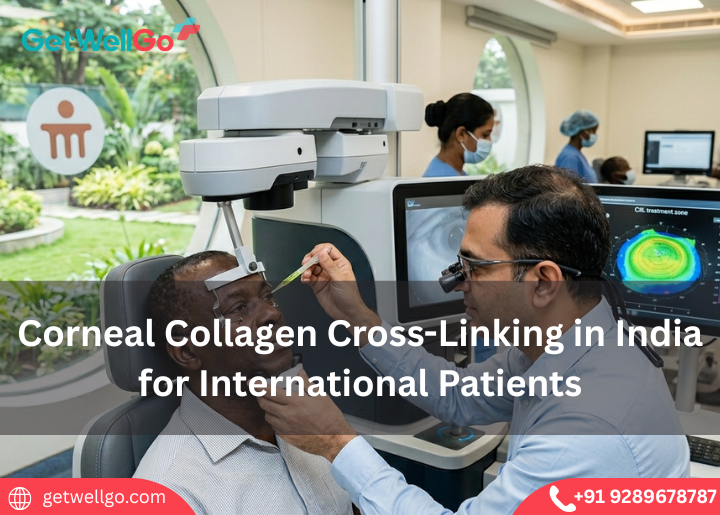
Experience advanced Corneal Collagen Cross-Linking in India to stabilize keratoconus and protect your sight, with full medical visa help from our travel team.
Read More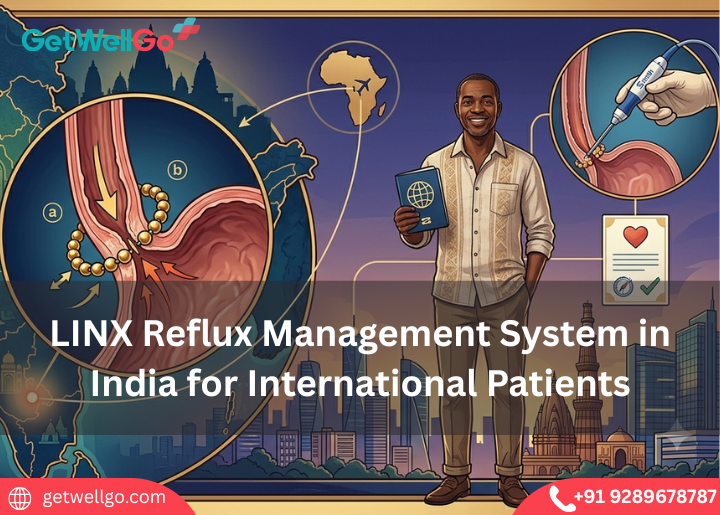
Experience the LINX Reflux Management System in India to stop severe heartburn using a tiny magnetic ring, fully organized by our fast-track medical visa team.
Read More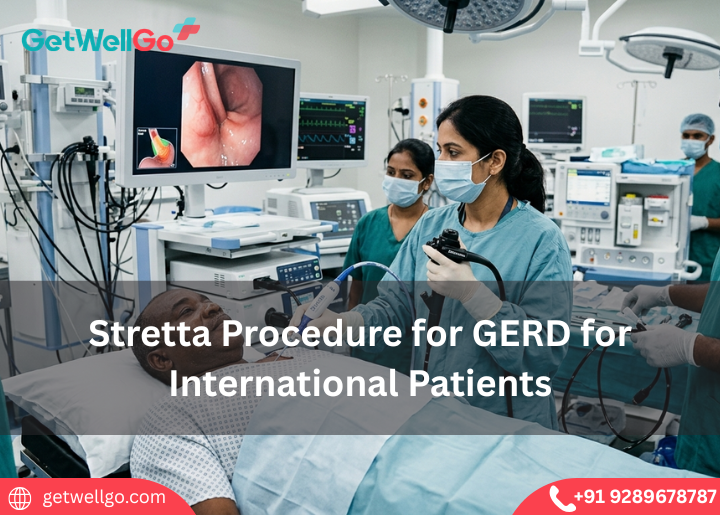
Experience advanced Stretta Procedure for GERD in India to eliminate chronic acid reflux without surgery, completely managed by our fast-track medical visa team
Read More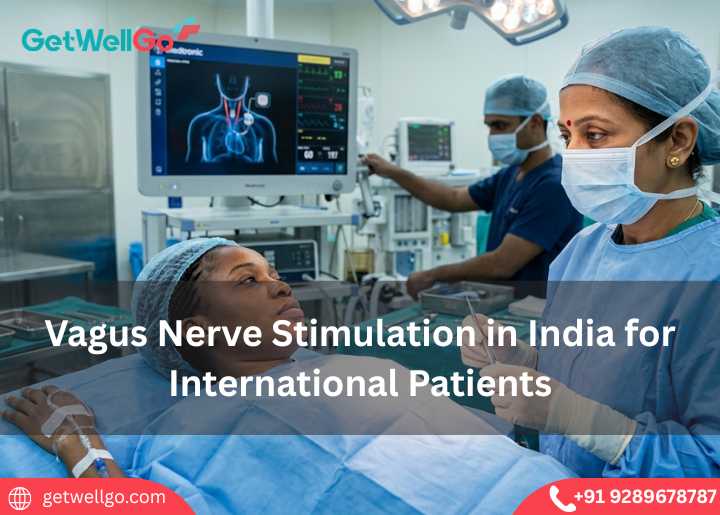
Get advanced vagus nerve stimulation treatment in India with expert care, modern hospitals, and affordable options for international patients.
Read More
Medical tourism in India for Uzbekistan Patients made easy. GetWellGo handles your top-tier surgery, Uzbek translator, and a safe, warm home for your family.
Read More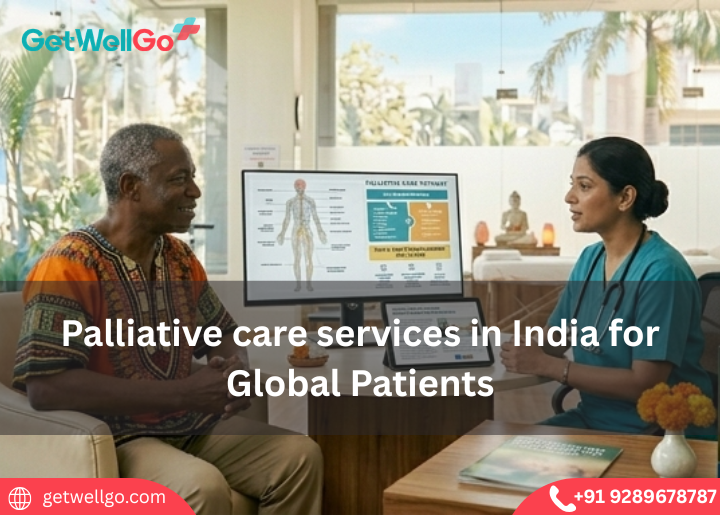
Palliative care services in India focus on your comfort and peace of mind. GetWellGo handles the expert pain relief, visa, and a serene, private home to heal.
Read More
Get reliable visa assistance for medical travel to India. Support with documentation, approvals, and a smooth entry process for global patients.
Read More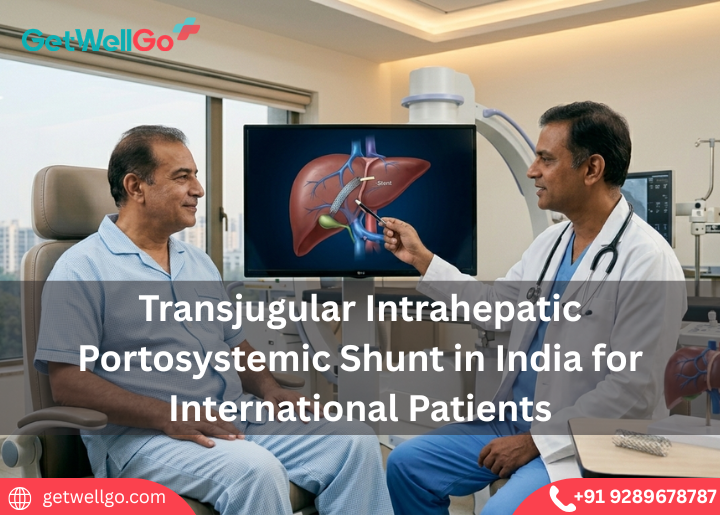
Transjugular Intrahepatic Portosystemic Shunt in India stops dangerous liver bleeding. GetWellGo handles your top specialist, visa, and a safe, cozy stay.
Read More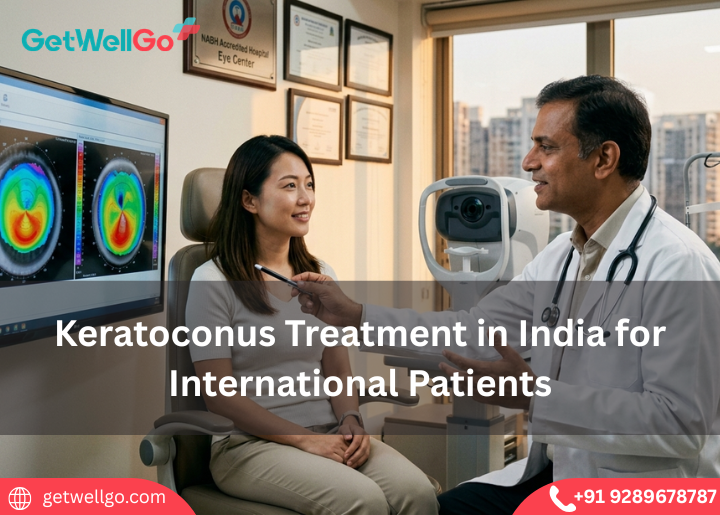
Keratoconus Treatment in India stops your vision from getting worse. GetWellGo handles your advanced eye care, visas, and a safe trip to save your sight.
Read More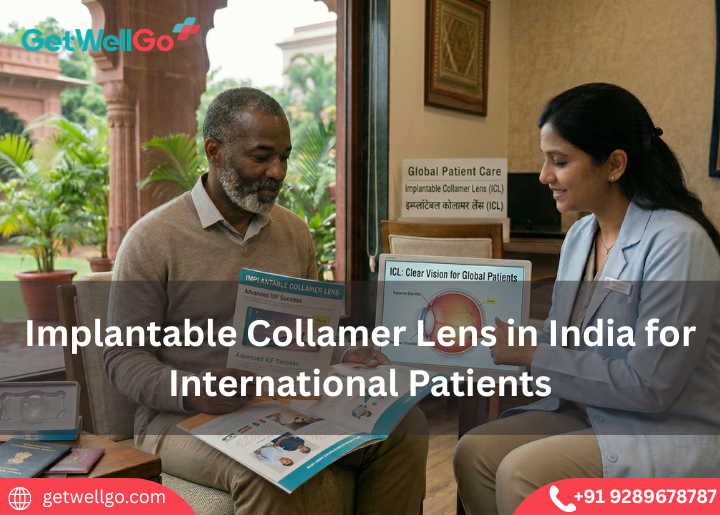
Implantable Collamer Lens in India lets you ditch thick glasses forever. GetWellGo handles your expert eye doctor, flights, and a clear-vision holiday.
Read More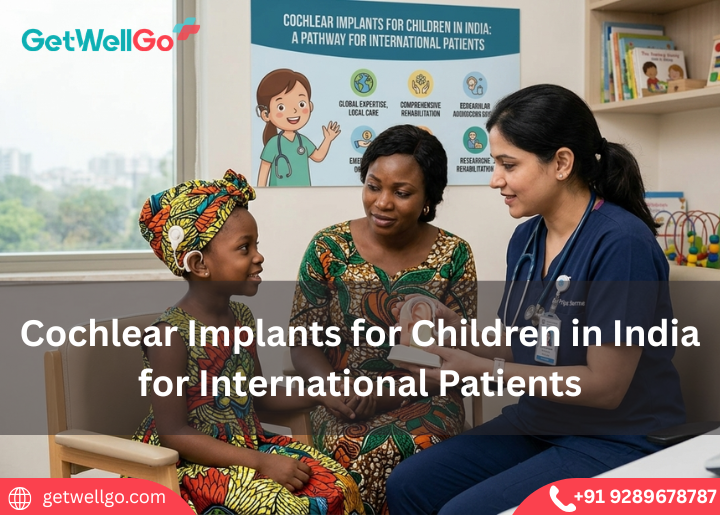
Cochlear Implants for Children in India opens a world of sound. We at GetWellGo plan your affordable ear surgery, airport pickup, and safe family trip.
Read More