
Historic Milestone: FMRI Celebrates 2500 Successful Bone Marrow Transplants
Celebrate a historic milestone of 2500 successful Bone Marrow Transplant at Fortis Gurgaon procedures, backed by our complete international patient visa care.
Read More
Learn what pulp therapy is, including pulpotomy procedure details, its uses in dental care, possible side effects, and more. Trusted by GetWellGo.

It is a dental procedure aimed at making sure that pulp tissue within a tooth can be kept healthy and well-functioning once the tooth is clearly dead or has a likelihood of dying, their treatment planning and execution require pulp therapy. This therapy is usually applied when the nerve of the tooth is dead or alive, swollen due to conditions such as deep caries, the trauma or any other dental problem. The aim of pulp therapy is either to remove or to preserve the remaining damaged or infected pulp or alternatively, to sustain a healthy pulp.
This is especially in the case of pediatric dentistry, whereby there are various types of pulp therapy:
Pulp Capping (Direct or Indirect):
Direct pulp capping is done when the pulp is exposed (for instance during a filling of the cavity). A dress is then placed directly over the exposed pulp to bring about the healing process and counteract infection.
Pulp capping indirectly is performed when the cavity is close to the pulp but is not directly in contact with it. A material is inserted to encourage the healing of the pulp and to stop the progression of the disease.
Pulpotomy:
It entails the elimination of the diseased pulp that is usually in the crown while retaining that of the roots. This is the case with baby teeth in children and works to help someone hold the tooth until it is naturally shed.
Pulpectomy:
This is a more extensive procedure where the whole pulp is eradicated from the crown portion as well as the roots. Thus, after the pulp has been removed a space is cleared, formed and filled in a manner that will prevent it from being infected. This is achieved when the tooth is badly damaged or infected, and its pulp chamber exposed to the crown of the tooth.
Pulp therapy is important in the restoration of a tooth particularly in baby teeth of young clients who are still developing.
Local Anaesthesia
It is normally advisable to have a local anaesthetic to reduce the sensitivity of the area surrounding the affected tooth. That way, it can be achieved that there is no pain feeling felt by the patient during the procedure of the treatment.
Isolation of the Tooth
The tooth is isolated using a rubber dam so that the area that undergoing the treatment does not have saliva which may contaminate the site.
Access to the Pulp
The dentist will first make an access cavity on the crown of the tooth to reach the pulp chamber.
Removal of Infected Pulp
The affected or diseased pulp in the crown region is then removed by using special tools. The dentist will retain the blood supply and the ability to provide nutrients in the living tissues of the root canals.
Disinfection
The site of the removed infected pulp is washed and disinfected to prevent the presence of any bacteria on the pulp chamber.
Placement of Medicament
A medicated dressing, which may be formocresol or calcium hydroxide, is positioned over all the remaining healthy pulp tissue. This also aids in the process of disinfection, as well as ensuring that the pulp is healthy and capable of healing.
Sealing the Tooth
The space inside the crown is then filled with a suitable material for adaptation to the tooth such as zinc oxide eugenol or resilon to seal the tooth and prevent further inflammation of the periodontal tissues.
A provisional filling is usually carried out in the interim when the actual permanent restorative work is planned to be done later.
Restoration of the Tooth
Following the procedure, a filling or a crown may be done on the tooth to rebuild its size, shape and any other structural strength that may be required. This phenomenon occurs more often with back teeth since they experience a lot of force when biting or chewing food substances.
|
Feature |
Pulpotomy |
Pulpectomy |
|
Definition |
Partial removal of the infected or inflamed pulp (only from the crown). |
Complete removal of all pulp tissue (from crown and roots). |
|
Purpose |
To preserve the healthy pulp in the roots and maintain tooth vitality. |
To eliminate infection when the entire pulp (crown + roots) is infected. |
|
Commonly Done in |
Primarily baby teeth (primary teeth) with reversible pulp damage. |
Baby teeth or adult teeth with irreversible pulp damage. |
|
Procedure Focus |
Remove infected pulp from the crown and apply a medicament to heal remaining pulp. |
Remove all pulp tissue, clean and disinfect root canals, and fill them. |
|
Indications |
- Mild pulp infection or inflammation |
- Severe pulp infection |
|
Materials Used |
Medicaments like formocresol, calcium hydroxide, or MTA. |
Root canal filling materials like zinc oxide eugenol or resorbable pastes. |
|
Restoration Afterward |
Filling or crown is usually placed. |
Filling or crown is usually placed after complete root canal treatment. |
|
Pain Management |
Mild post-operative discomfort. |
May have more post-operative sensitivity initially. |
|
Success Rate |
High if the root pulp is healthy. |
High if infection is fully cleaned and filled properly. |
Pulpotomy in primary teeth is also known as pulpotomy for children is an unavoidable procedure of some prominent dental practice to enable treatment of baby teeth (primary teeth) that have the pulp inside the crown portion affected but the roots still healthy.
The aim is to excise the only destructive part and retain the healthy root pulp and the tooth for functional use until it is shed off later for the permanent teeth.
When is Pulpotomy Required in Primary Teeth?
Pulpotomy in permanent teeth is even less frequent than in the primary ones however it is performed – most often in the young permanent teeth, that is the teeth with the undeveloped roots or recently erupted ones.
In permanent teeth the pulpotomy is done in order to maintain the vital continuity of the tooth, to promote continuing development of the root (apexogenesis), with the motive of preventing more extensive procedures such as full pulpectomy.
Full Coronal Pulpotomy:
Primary (baby) teeth:
80 to 95% depend on the specific technique used and what aftercare measures are taken by the doctor.
Permanent teeth (especially young teeth):
80% to 90% success rate when done under the right conditions (e.g., vital pulp, no root infection).
Pulpotomy vs Root Canal
Pulpotomy = Removal of the pulp with the aim of leaving the tooth alive, that is the procedure of removing part of the pulp tissue in order to save the tooth.
Root Canal = Surgical procedure aimed at the removal of the pulp completely in order to conserve the tooth structure because the pulp is dead or infected.
Pulpotomy Indications
Celebrate a historic milestone of 2500 successful Bone Marrow Transplant at Fortis Gurgaon procedures, backed by our complete international patient visa care.
Read More
Experience advanced Corneal Collagen Cross-Linking in India to stabilize keratoconus and protect your sight, with full medical visa help from our travel team.
Read More
Experience the LINX Reflux Management System in India to stop severe heartburn using a tiny magnetic ring, fully organized by our fast-track medical visa team.
Read More
Experience advanced Stretta Procedure for GERD in India to eliminate chronic acid reflux without surgery, completely managed by our fast-track medical visa team
Read More
Get advanced vagus nerve stimulation treatment in India with expert care, modern hospitals, and affordable options for international patients.
Read More
Medical tourism in India for Uzbekistan Patients made easy. GetWellGo handles your top-tier surgery, Uzbek translator, and a safe, warm home for your family.
Read More
Palliative care services in India focus on your comfort and peace of mind. GetWellGo handles the expert pain relief, visa, and a serene, private home to heal.
Read More
Get reliable visa assistance for medical travel to India. Support with documentation, approvals, and a smooth entry process for global patients.
Read More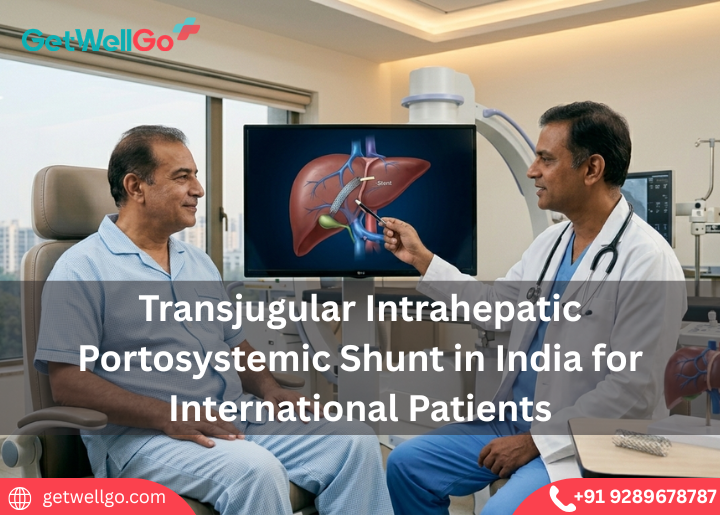
Transjugular Intrahepatic Portosystemic Shunt in India stops dangerous liver bleeding. GetWellGo handles your top specialist, visa, and a safe, cozy stay.
Read More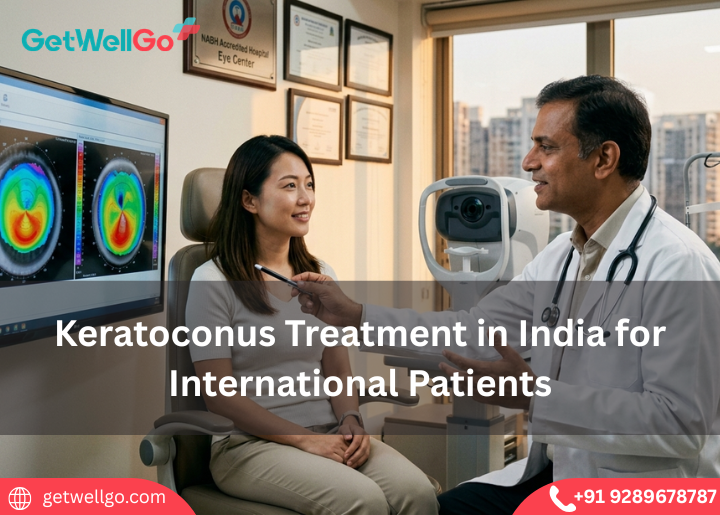
Keratoconus Treatment in India stops your vision from getting worse. GetWellGo handles your advanced eye care, visas, and a safe trip to save your sight.
Read More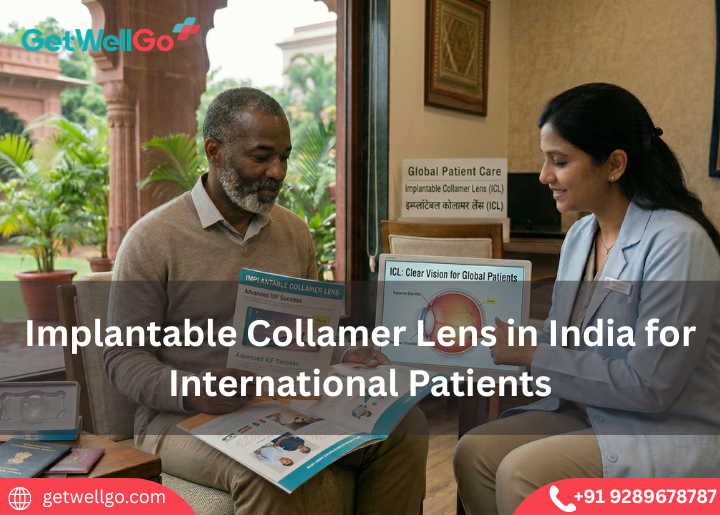
Implantable Collamer Lens in India lets you ditch thick glasses forever. GetWellGo handles your expert eye doctor, flights, and a clear-vision holiday.
Read More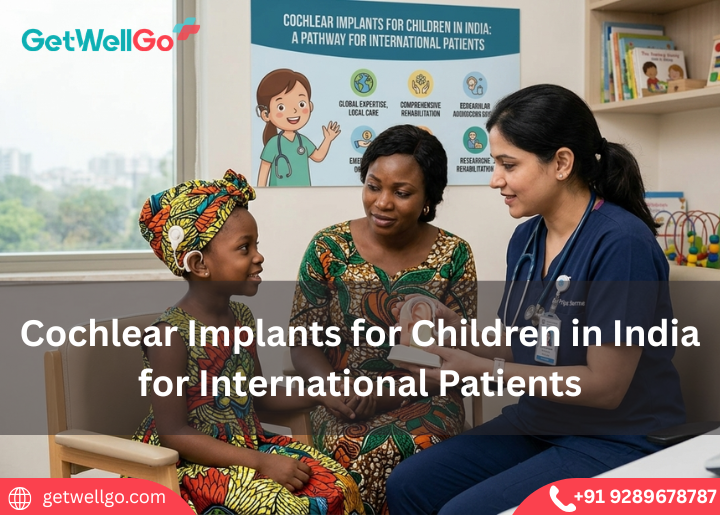
Cochlear Implants for Children in India opens a world of sound. We at GetWellGo plan your affordable ear surgery, airport pickup, and safe family trip.
Read More