Learn about kidney stones, their causes, prevention tips, treatment options, and the latest innovations used in managing and removing kidney stones effectively.
Kidney stone symptoms will depend on the size, location, and movement of the stone. Some individuals will be asymptomatic until the stone begins to move or block an area. The following are the most common symptoms of kidney stones:
Main Symptoms
Severe Pain (Renal Colic):
Sudden, severe pain in the side and back, below the ribcage
Pain radiates to lower abdomen and groin
Comes in waves and varies in severity
Pain while Urinating (Dysuria):
Burning or stinging sensation when urinating
May be mistaken for a urinary tract infection (UTI)
Blood in Urine (Hematuria):
Pink, red, or brown urine
Sometimes only visible under a microscope (microscopic hematuria)
Urinary Symptoms
Frequent Need to Urinate
Urinating Small Amounts
Cloudy or Strong-Smelling Urine
Other Possible Symptoms
Nausea and Vomiting
Due to extreme pain or a reflex of the gastrointestinal system
Fever and Chills
Indication of an infection of the kidney or urinary tract (medical emergency)
Restlessness or Inability to Assume a Comfortable Position
As a result of extreme pain
How to prevent kidney stones?
Prevention of kidney stones requires dietary modifications, hydration, and lifestyle, based on the stone type (e.g., calcium oxalate, uric acid, struvite, cystine). Follow this detailed guide to avoid them:
Stay Hydrated
Drink plenty of fluids (2.5 to 3 liters/day) to maintain dilute urine.
If you've had stones in the past, undergo a metabolic workup to identify the stone type.
Follow with urine and blood tests to check for risk factors.
Kidney stone treatment options
Kidney stone management varies with size, type, location, and symptoms of blockage or pain. The following is an organized summary:
Home Management (In Small Stones ≤5 mm)
a. Intake of Fluid
Take 2.5–3 liters of water a day to remove the stone.
b. Relief of Pain
Use NSAIDs (such as ibuprofen) or acetaminophen for analgesia.
c. Medical Expulsion Therapy
Alpha-blockers (such as tamsulosin) relax the ureter and aid in passage.
Medical Procedures (For Larger Stones or Complications)
a. Shock Wave Lithotripsy (SWL)
Non-invasive: High-energy shock waves shatter the stone into little pieces.
Best for stones <2 cm in kidney or upper ureter.
May need multiple treatments.
b. Ureteroscopy (URS)
Minimally invasive: Thin scope is inserted via the urethra to the stone.
Laser is usually employed to shatter the stone.
Suitable for ureter or bladder stones.
c. Percutaneous Nephrolithotomy (PCNL)
Surgical removal via small incision in the back.
Used for big, multiple, or complicated stones (>2 cm).
Done under general anaesthesia.
d. Open or Laparoscopic Surgery
Done rarely, for extremely large or unapproachable stones.
Involves removal of the stone by surgery.
Best medicine for kidney stones
The ideal medication for kidney stones varies with the type, size, and symptomaticity of the stone. Below is a summary of medications by indication and stone type:
Pain Relief (For All Types)
Ibuprofen (Brufen), Naproxen, or Diclofenac
Taken for short periods to control pain due to stone movement
Paracetamol (Acetaminophen)
Alternative for patients with kidney disease or ulcers
Stone Passage Support (Medical Expulsion Therapy)
Tamsulosin (Flomax)
Relaxes the muscles of the ureter to facilitate easy passage of small stones (≤10 mm)
Frequently used for 1–2 weeks
Nifedipine (less frequently used)
Laser treatment for kidney stones
Laser lithotripsy is a minimally invasive and highly effective laser treatment to crush and clear kidney or ureteral stones with the use of laser energy.
What Is Laser Lithotripsy?
Laser lithotripsy involves the application of a Holmium:YAG laser through a ureteroscope to:
Shatter kidney or ureteral stones into microscopic fragments
Enable natural drainage or retrieval through a small basket
Medium-sized to large stones (≥8 mm) that do not pass by themselves
Stones in the ureter (tube that carries urine from the kidney to the bladder)
Multiple or asymmetrical stones
Stones not successfully treated with other options such as shock wave lithotripsy (SWL)
Procedure Overview
An incision is not needed.
A very thin, flexible ureteroscope is passed through the urethra into the bladder and then into the ureter/kidney.
A laser fiber is aimed at the stone to break it up.
Pieces can be taken out or allowed to pass on their own.
A stent can be inserted temporarily to allow urine to drain as the ureter heals.
Home remedies for kidney stones
Some good home remedies to manage and even prevent small kidney stones (≤5 mm), particularly in the initial stages:
Stay Well Hydrated
Consumption of 2.5–3 liters of water a day
Prevents urine from getting concentrated and aids in flushing out the small stones
Use lemon or amla juice for additional citrate, which inhibits the formation of stones
Lemon Juice (Citrate Source)
High in citrate, which binds calcium and prevents stone formation
Mix 4 tbsp lemon juice with warm water, consume twice a day
Alternate: Fresh amla juice (Indian gooseberry) in limited quantities
Decrease Salt Consumption
Excess sodium raises calcium in the urine
Avoid: Pickles, chips, processed foods, and restaurant food
Barley Water (Jau ka Pani)
Natural diuretic that stimulates urine production
Boil 1 tbsp barley in 2 cups water; strain and consume 1–2 times/day
Coconut Water
Hydrating and could help pass tiny stones
Consume unsweetened fresh coconut water daily
Basil Leaves (Tulsi)
Works as a kidney tonic and can lower uric acid
Chew 4–5 fresh leaves or take tulsi tea every day
Watermelon
Rich in water and potassium
Natural diuretic, particularly useful for calcium or uric acid stones
Pomegranate Juice
Antioxidants and astringent properties can help with kidney function
Take fresh, unsweetened juice every day
Ajwain (Carom Seeds) Water
Can help in flushing out small stones
Boil ½ tsp ajwain with 1 cup water; take warm
What causes kidney stones?
Kidney stones occur when certain materials in the urine become very concentrated and form crystals that later solidify into masses. A number of dietary, medical, genetic, and lifestyle factors are involved in their development.
Dehydration (Most Common Cause)
Inadequate consumption of water leads to concentrated urine where salts and minerals adhere to each other and crystallize
Prevalent in hot weather or individuals who excessively sweat
Excessive Salt (Sodium) Consumption
Increased salt raises the urine excretion of calcium
Encourages formation of calcium-based stones (calcium oxalate or calcium phosphate)
Diet High in Animal Protein
Red meat, eggs, poultry raise:
Uric acid production
Calcium excretion
Decrease urinary citrate (naturally occurring stone inhibitor)
High Oxalate Foods
Spinach, beets, nuts, chocolate, and soy increase urinary oxalate, resulting in calcium oxalate stones
Medical Conditions
Hyperparathyroidism: Raises urine calcium
Gout: Increases uric acid
Obesity: Disturbs urine chemistry
Urinary tract infection (UTI): Results in struvite stones
Inflammatory bowel disease or gastric bypass: Raise oxalate absorption
Genetics / Family History
A family history of kidney stones increases your risk
Cystinuria is an uncommon inherited disorder that produces cystine stones
Some Medications & Supplements
Vitamin C (>1000 mg/day), calcium supplements, diuretics, and antacids raise risk
Some antivirals, anticonvulsants, and protease inhibitors may as well
Low Citrate in Urine
Citrate attaches to calcium and holds it in place, preventing a stone
Low levels increase the likelihood of calcium stones
Minimally invasive kidney stone treatments are very successful and the treatment of choice for quicker recovery, less pain, and fewer side effects. They vary depending on the size, location, and composition of the stone.
Best Minimally Invasive Kidney Stone Treatments:
Ureteroscopy with Laser Lithotripsy (URS + Laser)
How it works: A small scope is passed through the urethra and bladder into the ureter/kidney. A Holmium laser shatters the stone into fragments.
Best for: Kidney or ureter stones (5–15 mm)
Anaesthesia: General or spinal
Stent can be placed temporarily
Success rate: 90–95%
Recovery: 2–5 days
Shock Wave Lithotripsy (SWL)
How it works: External high-energy shock waves shatter stones into tiny sand particles eliminated through urine.
Best for: Kidney or upper ureter stones <2 cm
Non-surgical and outpatient
No incision, no scope
Recovery: 2–3 days (some require repeat treatments)
Mini-PCNL (Mini Percutaneous Nephrolithotomy)
How it works: A minor incision (5–10 mm) in the back is made to open up the kidney and take out stones through the use of very small instruments.
Best for: Multiple stones or stones larger than 2 cm
Less pain, less bleeding compared to routine PCNL
More clearance of large stones
Recovery: 5–10 days
Why Choose GetWellGo for Kidney Stones Treatment?
GetWellGo is regarded as a leading supplier of healthcare services. We help our foreign clients choose the best treatment locations that suit their needs both financially and medically.
We offer:
Complete transparency
Fair costs.
24 hour availability.
Medical E-visas
Online consultation from recognized Indian experts.
Assistance in selecting India's top hospitals for kidney stone treatment.
Expert urologist with a strong track record of success
Assistance during and after the course of treatment.
Language Support
Travel and Accommodation Services
Case manager assigned to every patient to provide seamless support in and out of the hospital like appointment booking
Choose India for pediatric liver transplant with trusted care for international patients. GetWellGo ensures expert doctors, modern hospitals, smooth travel, and affordable treatment plans.
Choose GetWellGo for living donor liver transplant in India. We help international patients access top surgeons, modern hospitals, affordable care, and end-to-end assistance.
Kidney Transplant Cost in India for Nigerian Patients is lower here. We manage your visa, surgery, and stay. Get high-quality care at a fraction of the price.
Kidney transplant surgery in India for Nigerian patients with GetWellGo, offering expert doctors, modern hospitals, affordable care, and international support.
Learn 5 must-know facts on kidney transplant success in India for foreigners. GetWellGo helps global patients access expert care & affordable treatment.
GetWellGo helps international patients access advanced liver cirrhosis treatment in India with expert doctors, world-class care, and smooth travel support.
GetWellGo connects you to the top 10 liver transplant hospitals in India, helping find the top liver transplant hospital in India for your expert care.
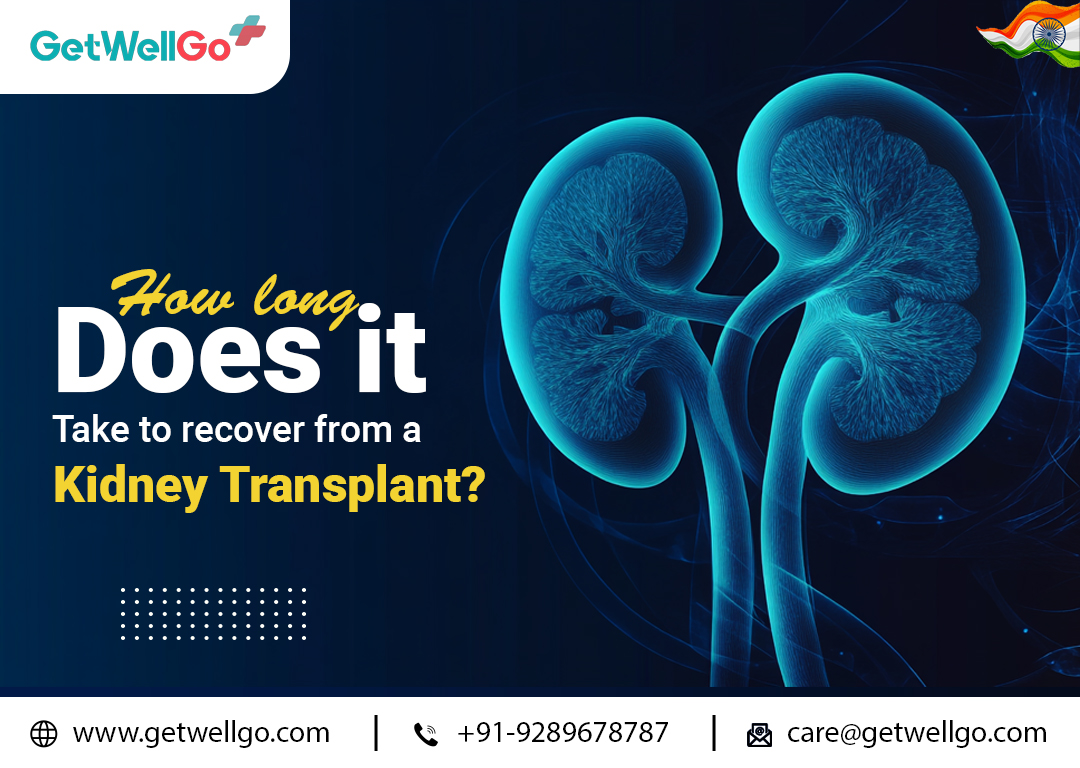
Wondering how long recovery takes after a kidney transplant? GetWellGo provides insights for international patients on recovery timelines, care tips, and more.




.png)


.png)