
Historic Milestone: FMRI Celebrates 2500 Successful Bone Marrow Transplants
Celebrate a historic milestone of 2500 successful Bone Marrow Transplant at Fortis Gurgaon procedures, backed by our complete international patient visa care.
Read More
GetWellGo guides Nigerian patients on internal bleeding symptoms, diagnosis, and treatment with trusted hospitals in India. Safe and affordable care options.

Symptoms of internal bleeding depend on the severity and location of the bleed. Signs of internal bleeding:
Internal bleeding may be due to an array of reasons ranging from trauma and medical conditions to some medications. The following are the usual causes:
Causes of Internal Bleeding:
Trauma or Injury
Vehicle accidents, falls, sports injuries, or any penetrating or blunt trauma may injured vessels internally.
Medical Conditions
Surgery or Medical Procedures
Internal bleeding occasionally occurs as a complication with or after surgeries or invasive procedures.
Medication Side Effects
Blood thinners (warfarin, aspirin, etc.) or non-steroidal anti-inflammatory drugs (NSAIDs) elevate risk of bleeding.
Infections
Severe infections that destroy blood vessels.
Spontaneous Bleeding
Bleeding may sometimes occur spontaneously, particularly in individuals with clotting disorders.
Diagnosing internal bleeding usually requires a combination of imaging tests, clinical evaluation, and lab testing. Here is the overview of the common diagnostic procedures:
Medical History & Physical Exam
Blood Tests
Imaging Studies
Endoscopy or Colonoscopy
To visually examine and diagnose gastrointestinal tract bleeding.
Diagnostic Laparoscopy or Surgery
In limited situations, minimally invasive surgery can be employed to trace and control bleeding.
Monitoring Vital Signs
Repeated observation of blood pressure, heart rate, and oxygen saturation to determine severity.
Internal Bleeding Treatment
Treatment of internal bleeding varies with the cause, site, and degree of bleeding. Here's a general rundown of how it is treated:
Emergency Care
Control and Stop the Bleeding
Blood Transfusions
To restore lost blood and enhance oxygen delivery.
Medications
Monitoring and Supportive Care
Treat Underlying Cause
Such as, antibiotics for infections, management of ulcers, or control of blood disorders.
Internal stomach bleeding normally means gastric bleeding, which is bleeding in the lining of the stomach or from the arteries and veins that supply it. It's gastrointestinal (GI) bleeding and can be mild or life-threatening.
Internal brain bleeding is referred to as a brain hemorrhage or intracranial hemorrhage. It's a severe medical condition in which blood breaks into or around the brain tissue, resulting in pressure and injury.
Internal bleeding can cause severe complications, particularly when not treated early. Complications range from mild to severe depending on the location, volume of blood lost, and rate of treatment. The following are the most frequent and severe complications:
Management of internal bleeding includes quick assessment, stabilizing the patient, determining the source of the bleeding, halting the bleeding, and preventing complications. The management varies by severity, location, and etiology.
Stabilization (ABC technique):
Circulation:
Hospital Admission:
Usually to an intensive care unit (ICU) in severe cases.
Diagnosis and Monitoring
Imaging: CT, ultrasound (FAST), endoscopy, angiography based on suspected source.
Labs:
A. Medication Management:
Procedures:
Ongoing Monitoring
Supportive and Long-Term Care
Explore expert medical insights, treatment guides, and the latest healthcare updates for international patients - visit our blog .
Celebrate a historic milestone of 2500 successful Bone Marrow Transplant at Fortis Gurgaon procedures, backed by our complete international patient visa care.
Read More
Experience advanced Corneal Collagen Cross-Linking in India to stabilize keratoconus and protect your sight, with full medical visa help from our travel team.
Read More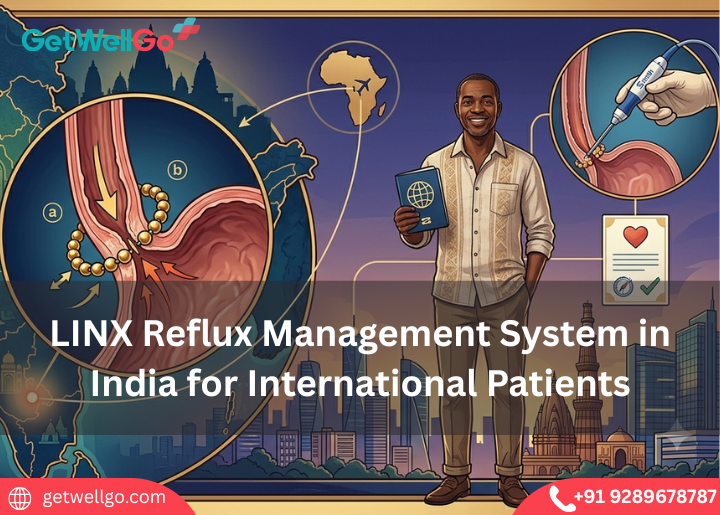
Experience the LINX Reflux Management System in India to stop severe heartburn using a tiny magnetic ring, fully organized by our fast-track medical visa team.
Read More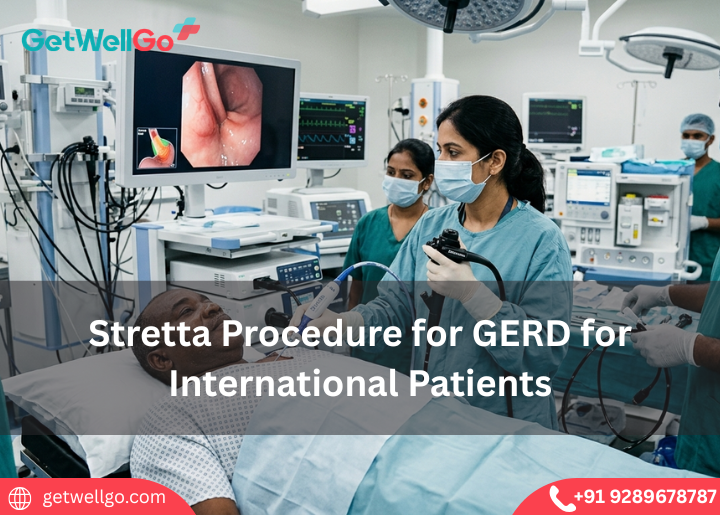
Experience advanced Stretta Procedure for GERD in India to eliminate chronic acid reflux without surgery, completely managed by our fast-track medical visa team
Read More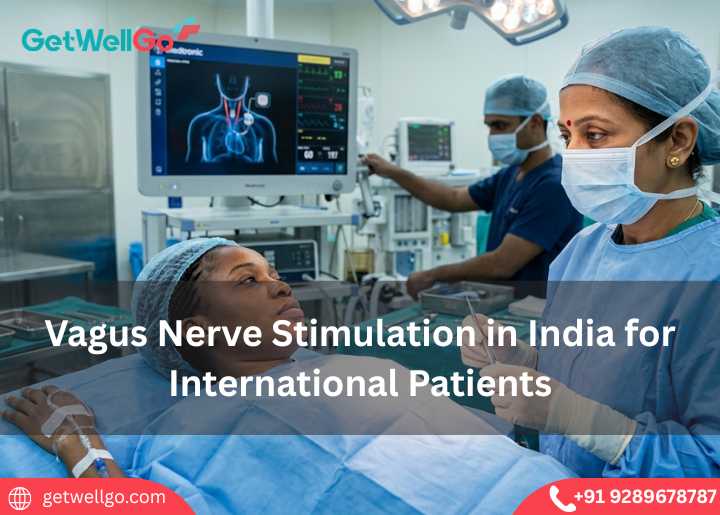
Get advanced vagus nerve stimulation treatment in India with expert care, modern hospitals, and affordable options for international patients.
Read More
Medical tourism in India for Uzbekistan Patients made easy. GetWellGo handles your top-tier surgery, Uzbek translator, and a safe, warm home for your family.
Read More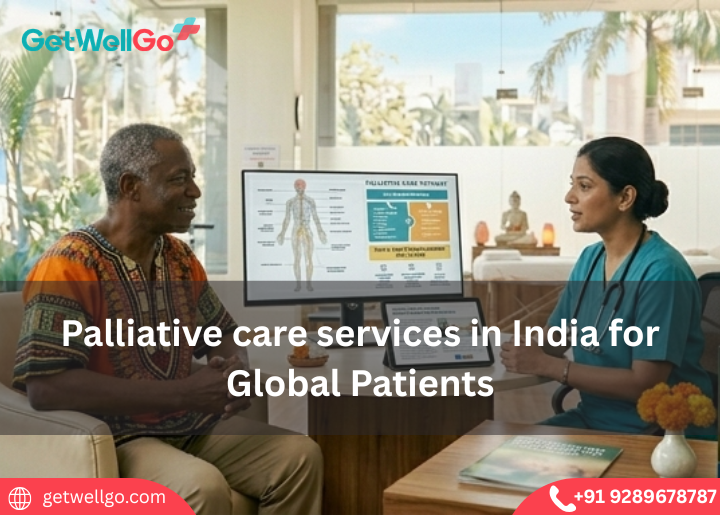
Palliative care services in India focus on your comfort and peace of mind. GetWellGo handles the expert pain relief, visa, and a serene, private home to heal.
Read More
Get reliable visa assistance for medical travel to India. Support with documentation, approvals, and a smooth entry process for global patients.
Read More
Transjugular Intrahepatic Portosystemic Shunt in India stops dangerous liver bleeding. GetWellGo handles your top specialist, visa, and a safe, cozy stay.
Read More
Keratoconus Treatment in India stops your vision from getting worse. GetWellGo handles your advanced eye care, visas, and a safe trip to save your sight.
Read More
Implantable Collamer Lens in India lets you ditch thick glasses forever. GetWellGo handles your expert eye doctor, flights, and a clear-vision holiday.
Read More
Cochlear Implants for Children in India opens a world of sound. We at GetWellGo plan your affordable ear surgery, airport pickup, and safe family trip.
Read More