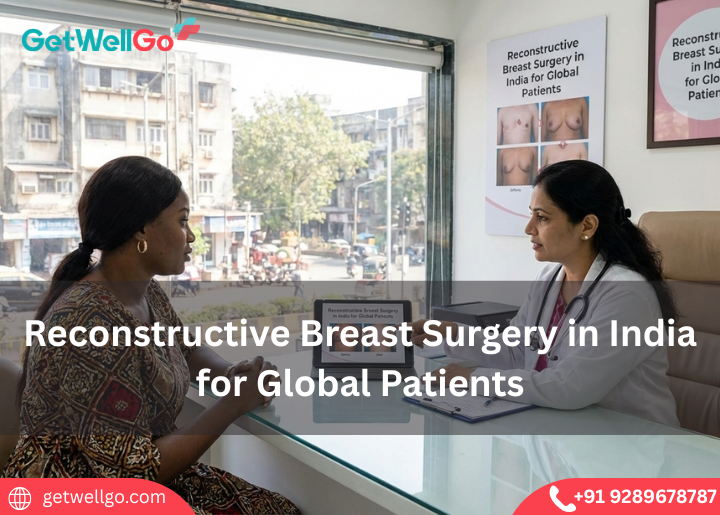
Discover breast implant types, surgery, recovery, and risks. GetWellGo helps international patients access expert care for a safe and informed experience.
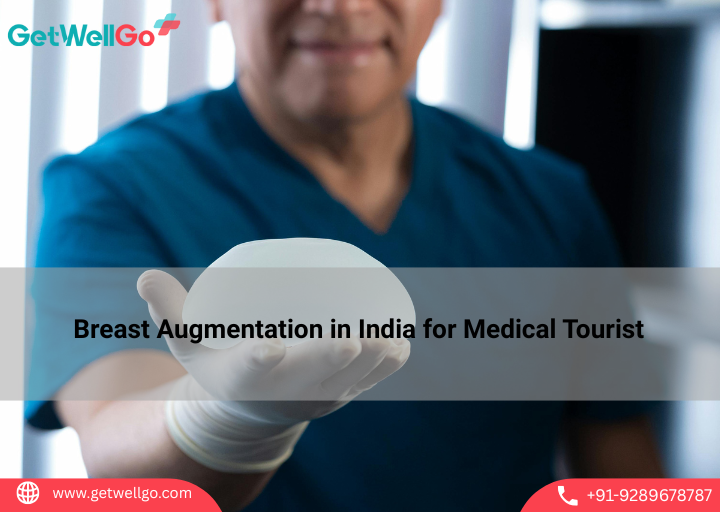
Breast Implants are saline or silicone sacs inserted beneath the breast tissue or the chest muscles for the purpose of breast enlargement, breast fulfilment after weight loss or breastfeeding or to reconstruct the breast after the mastectomy or trauma.
Breast Augmentation
Breast augmentation is a specific type of plastic surgery mainly aimed at improving the size, shape or texture of the breast by inserting implant or by using the patient’s own body tissue.
Types of Breast Augmentation
Implant-Based Augmentation
Saline Implants: Filled with sterile salt water. Safer if ruptured.
Silicone Implants: Filled with silicone gel. More natural feel.
Gummy Bear Implants: Shaped the implants more firmly and made from silicone that does not sag.
Fat Transfer Augmentation
Liposuction is used on one part of the body to get fat from thighs or abdomen and then filtered and used as a filler to augment the size of the breasts.
Suitable for modest enhancement only.
Breast Implant Surgery
Breast implant surgery can be defined as a surgical procedure which involves placement of implants into the breast tissue in order to augment the breast size or shape. It is mainly used for aesthetic reasons or after the removal of breast due to cancer or following an accident.
Stages of Breast Implant Surgery
Consultation & Planning
Overview of goals of implantation, types of implants, size, location of the incision and its position.
Medical history and physical examination.
Pre-Operative Preparations
Blood tests, imaging, if necessary, and avoiding food and fluids before the surgery or the specific period required by the surgeon.
Do not take any specific medication such as blood thinners.
Anaesthesia
Normally it is a general surgery in which the patient will be under general anaesthesia.
Incision Options
Inframammary (under the breast fold) – most common.
Periareolar (around the nipple).
Transaxillary (through the armpit).
Less common: Transumbilical (through the belly button, saline only).
Implant Placement
Submuscular (under the chest muscle) – it is more natural plane and longer recovery.
Subglandular (over the muscle) – shorter recovery, more noticeable in thin patients.
Closing the Incisions
Sutures (internal and external), surgical tape, or skin adhesives.
Recovery Room
Monitoring will be done until the patient wakes up. Usually discharged the same day.
Breast Implant Types
Traditionally there are several types of breast implants with differences in material, size or shape and texture. This will depend with the body of the female, her goal, and self or her surgeon recommendation on the best breast size to go for.
Based on Filler Material
Saline Implants
Filled with: Sterile salt water
Pros:
Safer if ruptured as it gets inside the body in the form of saline.
Adjustable volume (in some types)
Cons:
Firmer feel, may ripple more
FDA-approved for: Ages 18 and older
Silicone Gel Implants
It is filled with Silicone gel which is denser, thicker and more coherently constructed relative to saline.
Pros:
More natural feel and appearance
Less chance of rippling
Cons:
Communicates but no sound (MRI/ultrasound may be necessary)
FDA-approved for: Ages 22 and older
Gummy Bear Implants (Form-Stable Implants)
Stuffed with: Highly adhesive silicone gel
Pros:
If the idea shell cracks the core is to maintain its shape none the less
Less likely to leak or ripple
Shaped for natural contour
Cons:
Firmer feel
Require a slightly larger incision
Based on Shape
Round Implants
Equal fullness across the breast
Move more naturally
Often used in cosmetic augmentation
Teardrop (Anatomical) Implants
It became fuller at the base and tapered at the upper part.
Mimics natural breast shape
Usually used in reconstructive surgery
Rotation risk (that may appear incongruent if occurred)
Based on Shell Texture
Smooth Implants
Soft and natural movement
Lower risk of visible rippling
Slightly higher risk of capsular contracture
Textured Implants
This is to increase stability as it has a rough outer shell that ensures that the implant will not be easily shifted from its place once it has been positioned.
It also means that patients will be at low risk of having their implants shift or rotate in their bodies.
It is still important to note that some of these textured implants have been associated with BIA-ALCL, a rare form of cancer.
Specialty Implants
It has an adjustable size – They can be filled after surgery to allow better fitting.
Biologic/Hybrid Implants – Bio-physical hybrid materials, (uncommon in human body).
Breast Implant Recovery
Generally, it will take several weeks for breast implant recovery process, and the complete result in terms of breast enlargement can be seen after several months. Recovery is different for everyone and depends on the type of implant, its position (sub/infrapectoral), and the method of transplantation.
General Recovery Timeline
This is particularly because one is likely to experience symptoms such as soreness, swelling, tightness in the chest and fatigue within the first 24-72 hours. Pain managed with prescribed medication.
Days 3–7: Begin gentle movement. Most patients are allowed to do as little tasks as possible, which include no lifting or driving.
Week 1–2: Swelling continues but improves. Sutures may be cut or absorbed by the body in due time.
Weeks 3–6: Resume low-impact exercise. Do not engage in such activities as upper body exercises or lifting heavy weight.
6–12 weeks: Most restrictions lifted. Hidden and semi-visible Implants start to “drop and settle.”
Third month: Second and final trimester; final shape and softness of the features start to develop. Sensation changes may improve.
Breast Implant Risks
Although breast implants are fairly safe provided that the surgery is undertaken by professional surgeons, there are risks and possible complications which are post-operation and even long-term.
Short-Term Breast Implant Complications
Infection: May need antibiotics or to get an implant removal.
Redness or swelling: There may be instances that bleeding or hematoma formation occurs that may require aspiration.
Surgical risks: Reactions during surgery or breathing difficulties arising from the procedure.
Poor wound healing: This may result in delayed and prolonged wound healing and at times may lead to formation of scars or exposure of the implants.
Long-Term Breast Implant Complications
Capsular Contracture
Development of a scar around the implant which becomes increasingly dense.
They can lead to pain, tightness and alteration of the general shape of the affected part of the body.
May need revision surgery to be removed or replaced.
Implant Rupture or Leakage
Saline rupture: As should be expected, there is deflation almost simultaneously.
Silicone rupture: It may be asymptomatic, and the leakage may be noticed using MRI or ultrasound examination.
May cause pain, change morphological shape or function.
Breast Implant-Related Anaplastic Large Cell Lymphoma (BIA-ALCL)
This is a kind of blood cancer that is connected most commonly with textured implants.
These are often deposited in the capsule or the fluid surrounding the implant.
Breast Implant Illness (BII)
A collection of non-specific symptoms like fatigue, brain fog, joint pain, and rashes.
Although fibromyalgia is still not classified as a medical condition, the majority of the female patients reported reduced symptoms after having the implant taken out.
Changes in Sensation
Nipple or breast numbness or hypersensitivity.
May be temporary or permanent.
Rippling or Wrinkling
Visible or palpable implant edges, more common in saline and subglandular placement.
Implant Malposition
Resorption also distorts the symmetry of implant and may cause the implant to shift slightly, which, in turn, alters the implant’s appearance.
Asymmetry or Unsatisfactory Aesthetic Result
May require revision surgery.
Interference with Mammograms
Breast implants can make the breast tissue more difficult to see and subsequently, to screen.
Factors Affecting Breast Implant Cost
Breast implant surgery is different in cost and depends on factors such as the geographical location, type of implant that is to be used and the surgeon or the facility where the operation will be done. Here is a brief of the possible cost influences:
Type of Implant
Surgeon’s Experience & Reputation
Geographic Location
Facility Fees
Anaesthesia Fees
Pre-Operative Tests & Medical Evaluations
Post-Operative Care & Medications
Revision or Replacement Surgery
Breast Implant Before and After
Breast implant before and after can be described as the changes that a woman undergoes from the time before she opt to have the surgery up to the time after she has had the breast augmentation surgery. The following are therefore the description of the appearance and the general feel as well as considerations that one should make:
Before Breast Implant Surgery
Breast Size & Shape: Smaller in size and may be asymmetrical in shape and size.
Nipple Position: If the size is large due to sagginess then the nipples could face a downward direction.
Tightness of the skin: this depends with the age, parity, and also the genes that an individual has.
Body Proportions: Less upper-body fullness or cleavage.
Possible Emotional State: Some of the females might develop feeling of self-consciousness or self-dissatisfaction.
After Breast Implant Surgery
Size: Enhanced by 1+ cup sizes
Shape: Fuller, rounder and well lifted especially when the patient had the round shaped implants.
Symmetry: Improved balance between both breasts
Cleavage: More prominent (depending on implant placement)
Supplement: Position of the nipple on the breast is higher or more in the forward direction if there is lift as well.
Touch/Feel: Firmer, or more natural depending on implant type
Scaring: Minimal scarring that’s usually faint and becomes even less noticeable with time and is well concealed in folds or areola.
Self-esteem: Some of the aspects in this category are; Body confidence and satisfaction.
Breast Implant Removal
Breast implant removal is the surgical process of removal of implants that were earlier placed in the breast area. It may be either due to medical purposes, taste and preference or because of a problem with the implants.
Common Reasons for Removal
Complications
Capsular contracture (scar tissue hardening)
Implant rupture or leakage
Infection or shifting of implants
Personal Choice
This has remained the desire of many people to attain a more natural appearance in the society.
Lifestyle or body image changes
Health Concerns
Breast Implant Illness (BII) symptoms
Public awareness raised regarding Breast Implant-Associated Anaplastic Large Cell Lymphoma (BIA-ALCL)
Aging Implants
While most implants are supposed to last for between 10-20 years the majority of women decide to have them removed or replaced after this time.
Breast Implant Revision
Breast implant revision surgery can be defined as a surgery performed to replace old implants or correct previous one. It is generally carried out for aesthetic purposes, to treat any complication that may arise or if the implants are old.
Breast Implant Infection
Breast implant infection is a possible complication of breast augmentation surgery with an incidence of 1–2%. It may occur immediately after operation or, very occasionally, after months or years has elapsed.
Two problems that may occur in the post-surgery include hematoma that is a collection of blood clots while seroma is accumulation of serum which is capable of breeding bacteria.
Affordable mummy makeover in India with skilled surgeons and modern care. Ideal for international patients seeking safe procedures and recovery support.
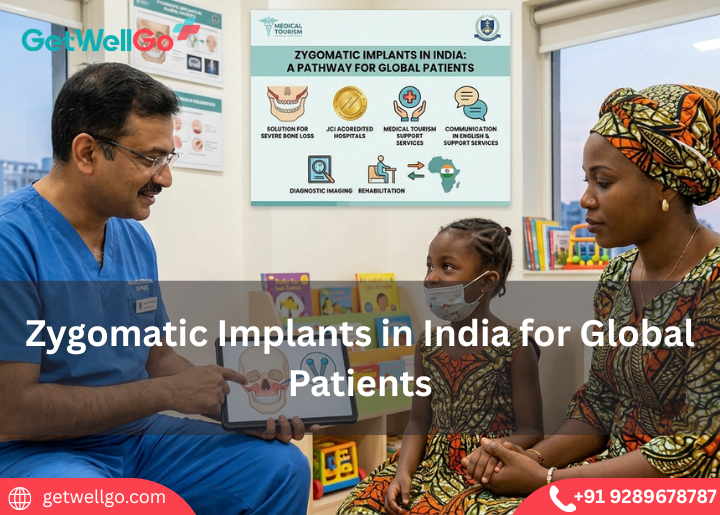
Zygomatic Implants in India give you fixed teeth without bone grafts. GetWellGo handles your top dentist visits, flights, and a cozy stay to smile again.
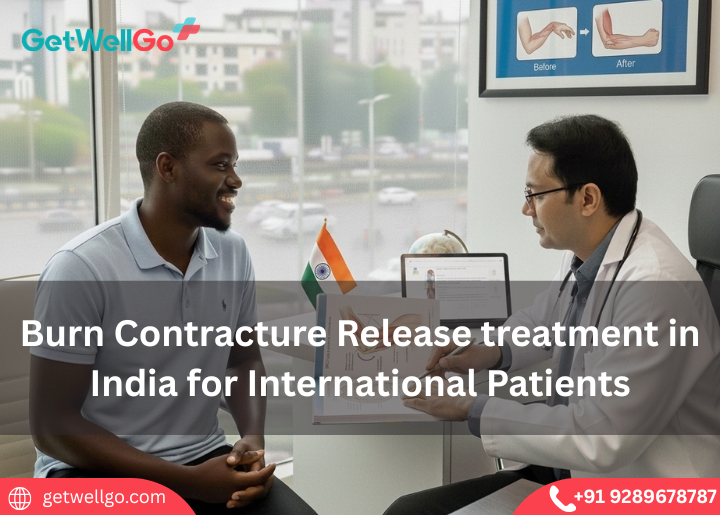
Looking for Burn Contracture Release treatment in India? GetWellGo helps international patients with expert surgeons, affordable care, and medical travel support.
FUE Hair Transplant guarantees permanent density with no linear scars. GetWellGo crafts your entire medical getaway, covering flights, grafts, and hotel.
Rhinoplasty Surgery in India reshapes nose for aesthetics or breathing improvement. World-class plastic surgeons offer FUE rhinoplasty, septoplasty at 70% lower costs with quick recovery, English support for international patients.
GetWellGo connects international patients to trusted specialists in India for scalp avulsion treatment. Plan your recovery journey with expert care today.