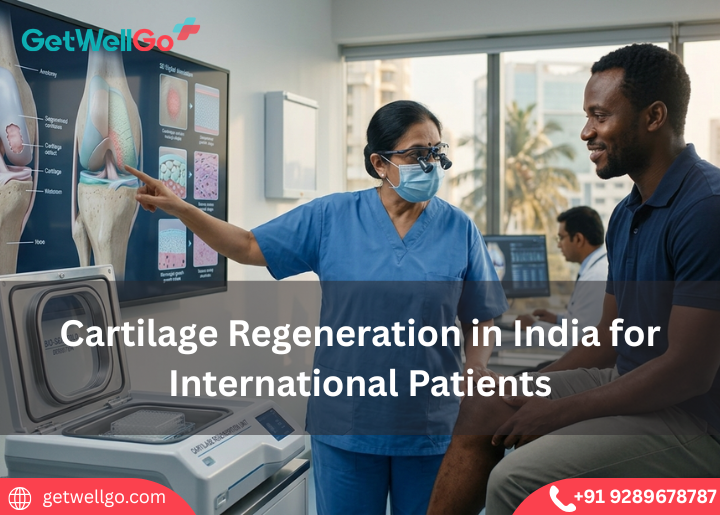
Cartilage Regeneration in India for International Patients
Cartilage Regeneration in India: Stop joint wear before it starts! We book your top sports specialist, handle the medical visa & provide a cozy stay to heal.
Read More
Plan Revision Hip Replacement in India with expert surgeons and advanced hospitals. GetWellGo assists international patients with care, travel, and recovery support.
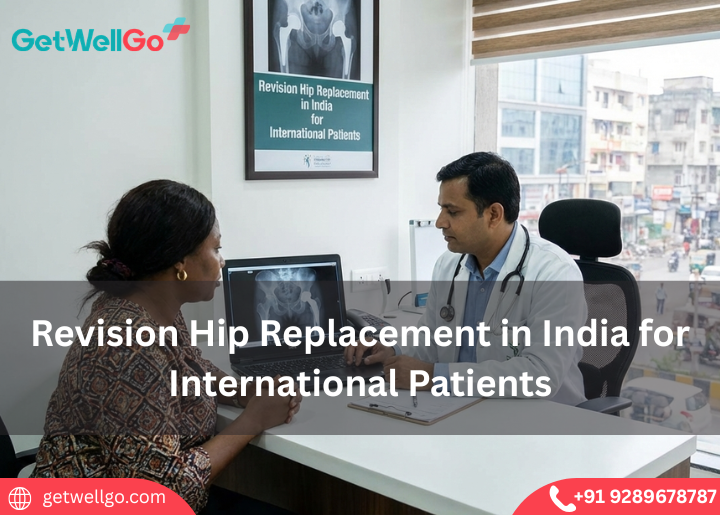
Revision hip replacement is an obscure orthopedic procedure, which is undertaken when the hip replacement implant used in a prior orthopedic surgery has failed, loosened, or caused pain, got infected or damaged and requires correction or replacement. It entails the replacement of part or all of the current components of the prosthetic hip, and the new ones are usually implants that are outlined to control the loss or instability of the bones.
Typical causes of a revision are:
Pre-Operative
During Surgery
Post-Op and Recovery
The following are the main factors that influence cost of Revision Hip Replacement surgery in India:
Surgical Factors and Complexities
Implant Type & Technology
Experience and Reputation of Surgeon
Orthopedic and joint reconstruction surgeons with much experience usually have higher professional fees - and may equally result in a more successful outcome, particularly in complex revision cases.
Hospital Type & Location
Hospital Stay & Post-Op Care
Pre- and Post-Surgical investigations
Patient Factors
Here is a simple and medically sound summary of how hip prosthesis (implant) failure is diagnosed and treated in India, their usual treatment modes as well as expectation:
After a total hip replacement, a hip prosthesis may fail because of a number of reasons- this may not necessarily be a dramatic failure. The issues with implants may evolve over some years. Main causes include:
Clinical assessment x-rays as well as blood tests and in some cases more advanced tests are important to detect and decide on treatment.
Therapy of hip prosthesis failure:
In few early failures in which pain or dysfunction is mild, your doctor may begin with:
The choices are generally restricted to situations where there is a minor loosening or issues that are not sufficiently long term solution after the failure of the implant is meant to be severe.
In India, revision hip replacement surgery has become the standard treatment when the failure of hip prosthesis was confirmed and when there were significant symptoms, that is, to remove some of the old prosthesis or even all of it and insert new parts. It is a significant yet standardized surgery that is done in most orthopedic institutions in the country.
How It Works
Revision is more complicated than the initial hip replacement, requires specialist surgeons and usually involves modular/custom implants.
In case the prosthesis is infected:
In exceptional or highly complicated cases - e.g. in cases where revision surgery is impossible because of extensive bone loss, soft tissue deficiencies or frequent re-infection - surgeons can use:
Here is an obvious and sensible plan to recovery following Revision Hip Replacement in India:
Revision hip replacement rehabilitation is more complex and difficult than primary hip replacement surgery since:
That being said, most patients go on to have good pain free motion with good rehab.
Hospital Stay (5–10 days)
First 6 Weeks
Use of walker or crutches.
Weight-bearing depends on:
6 Weeks to 3 Months
Most patients can:
3 to 6 Months
Many patients return to:
6–12 Months (Full Recovery Window)
After revision surgery, physiotherapy is of absolute necessity.
Common Rehab Setup:
Focus Areas:
Diets and Lifestyle in Cases of Recovery
Hip replacement in India is a tried and tested method of dealing with failed hip implantation that occurs due to loosening, wear, infection, instability, or fracture. Surgery is more complicated than a primary hip replacement, but with technological progress in surgical methods, specialized revision implants, and planned rehabilitation programs, most patients have found the procedure to be successful as it has resulted in the dependable relief of pain and significant mobility enhancement. The post-revision recoveries are slow and require seriousness- particularly in physiotherapy, precautionary measures to lifestyle and frequent follow-ups. Through sound planning, a well-trained revision surgery doctor and following the rehabilitation lines, patients in India should also anticipate a similar outcome as rest of the world at a much lower overall cost.
GetWellGo is regarded as a leading supplier of healthcare services. We help our foreign clients choose the best treatment locations that suit their needs both financially and medically.
We offer:
Cartilage Regeneration in India: Stop joint wear before it starts! We book your top sports specialist, handle the medical visa & provide a cozy stay to heal.
Read More
World Sickle Cell Day 2026: Join the fight for equity. Our Indian medical team helps Nigeria & Kenya patients access curative BMT care, visas & warm stays.
Read More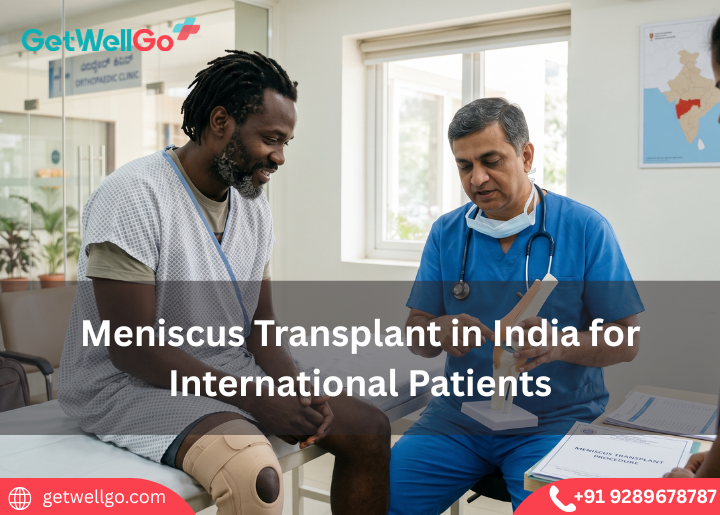
Meniscus Transplant in India: Save your knee joint and live active again! GetWellGo handles your top sports surgeon, medical visa & a cozy recovery home.
Read More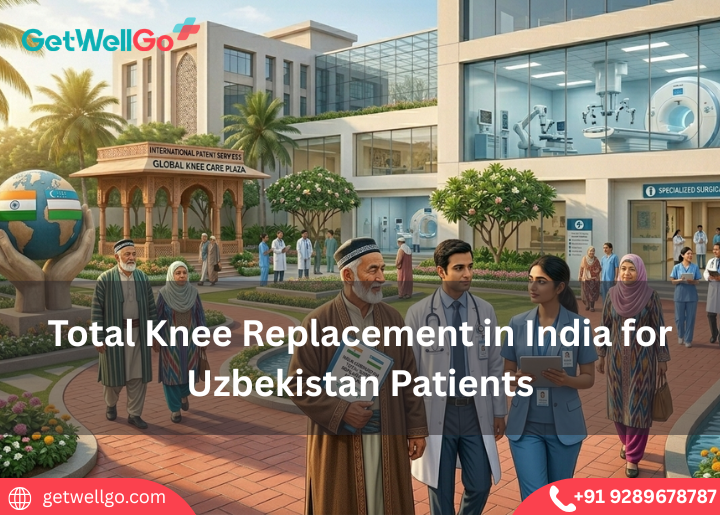
Total Knee Replacement in India for Uzbekistan Patients with robotic precision. GetWellGo handles your expert surgeon, Uzbek translator & a fast recovery home.
Read More
Get advanced kyphoplasty in India for spinal fractures. International patients benefit from expert care, modern hospitals, quick recovery, and affordable costs.
Read More
Advanced 3D Printed Bone Implants in India fit your body perfectly. GetWellGo handles your custom surgery, flight bookings, and a relaxing place to stay.
Read More
Hip sports injury in India slows you down, but we fix that. GetWellGo arranges your expert joint repair, airport rides, and a comfy room to rest.
Read More
Hip injuries in sports in India shouldn't end your game. GetWellGo books your top sports medicine doctor, visa, and safe stay so you can play again.
Read More
Get advanced hip labral tear care in India with skilled orthopedic surgeons, modern techniques, and cost-effective treatment for international patients.
Read More
Affordable hip dysplasia treatment in India with skilled orthopedic care, advanced procedures, and support tailored for international patients.
Read More
Hip Arthritis in India doesn't have to mean daily pain. GetWellGo handles your complete joint care trip, from finding top specialists to booking your hotel.
Read More
Partial Hip Replacement in India safely fixes hip fractures. We at GetWellGo handle your urgent hospital care, airport pickup, and smooth travel.
Read More