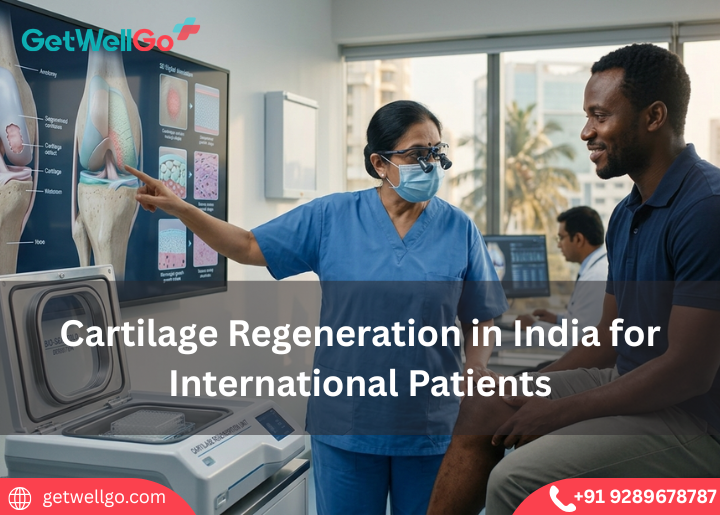
Cartilage Regeneration in India for International Patients
Cartilage Regeneration in India: Stop joint wear before it starts! We book your top sports specialist, handle the medical visa & provide a cozy stay to heal.
Read More
World Sickle Cell Day 2026: Join the fight for equity. Our Indian medical team helps Nigeria & Kenya patients access curative BMT care, visas & warm stays.
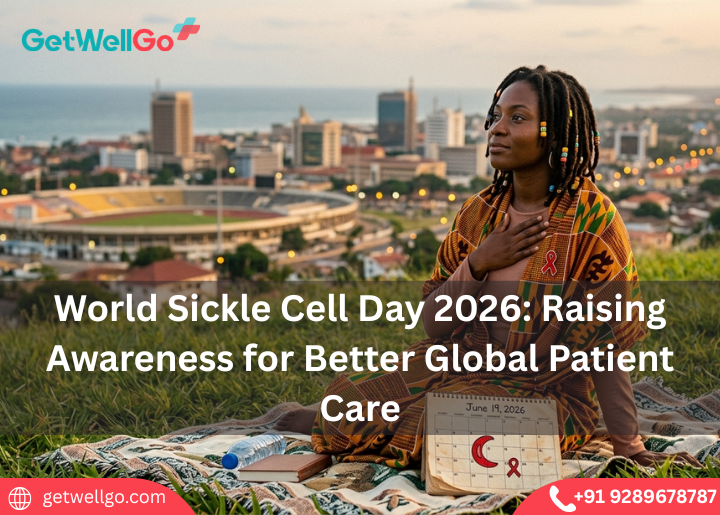
World Sickle Cell Day is celebrated on June 19 every year to raise awareness about sickle cell disease and improve access to health care for millions of people around the world. World Sickle Cell Day 2026 will see a renewed advocacy and an increased focus of the health sector, the government and other medical tourism providers on early diagnosis, affordable treatment and support measures for sickle cell patients. World Sickle Cell Awareness Day also referred to as International Sickle Cell Day is a day that is aimed at raising awareness and educating people about the condition as well as at advocating for better prevention and treatment options for those who suffer from sickle cell disease.
According to UN Meetings Coverage and Press Releases, the United Nations in 2008 officially declared World Sickle Cell Day to be a public health awareness day on a global scale. The day seeks to raise awareness about sickle cell disease, its signs and symptoms as well as its complications, treatment and significance of newborn screening. Sickle cell disease (SCD) is a genetic blood disease in which the red blood cells (RBCs) become stiff and sickle, or crescent shaped. These abnormal cells can cause blood clots which result in serious pain attacks, anemia, infections, stroke and organ damage.
According to WHO, sickle cell disease accounts for many deaths in Africa every year.
Research published in 2026 by the American Society of Hematology has shown that patients in sub-Saharan Africa have vastly reduced access to medications and hospital-based care when compared to those living in other regions of the world:
World Sickle Cell Day 2026 coincides with the efforts of various nations to increase access to specialized treatment, gene therapy studies, bone marrow transplants and better pain management for individuals suffering from SCD. Although there has been progress in healthcare, sickle cell disease is still not expected and treated in many areas particularly in Africa and in parts of Asia. By raising awareness, help can be provided:
Common Symptoms:
Symptoms will vary between people and treatment will need to be personalised.
Raising the awareness of Sickle cell anemia plays a critical role in improving the life of the Sickle cell anemia patients and their survival rate. There are still a significant number of patients who continue to receive delayed diagnosis, no specialist care and not an advanced treatment.
Awareness campaigns support communities to become knowledgeable about:
Educational programmes, community outreach, webinars, blood donation drives and social media campaigns are some of the ways by which awareness is spread across the world through the help of healthcare providers and patient advocacy groups.
Around the world, millions of individuals suffer from sickle cell disease, primarily in the following areas:
Early screening programs are important to help lower the mortality rates among thousands of children born annually with the condition. Cooperation between healthcare systems in different countries has gained significant importance in recent years for enhancing the quality of care for patients. The countries are exchanging expertise in fields like pediatric haematology, stem cells transplantation and high-tech genetic therapies.
Educating and involving the community in a successful Sickle Cell Day awareness campaign can have a lasting impact on public health.
Examples of common awareness activities are:
Digital platforms help raise awareness worldwide and connect patients with healthcare resources and support communities.
There are continuing developments in the state-of-the-art treatment of sickle cell disease that continue to enhance the survival and quality of life for patients.
Current Treatment Options:
A number of patients from abroad are now coming to seek the best treatment elsewhere, especially for bone marrow transplant and special care in haematology. In India, the experienced specialists, advanced hospitals and lower treatment costs than the western countries make it a preferred destination for affordable sickle cell treatment making it a popular choice for many people.
Communities can greatly contribute to patients with sickle cell disease by:
Easy awareness can make a huge difference in enhancing patient acceptance and confidence.
International Sickle Cell Day will serve as a significant platform for advocacy, education and policy change as healthcare systems evolve.
Future awareness activities will be centered on:
Wider cooperation between governments, healthcare providers, medical tourism sector and NGO activity can contribute to the greater accessibility in healthcare worldwide.
GetWellGo will be actively involved in the promotion of World Sickle Cell Day 2026 which will comprise the areas of global patient education, treatment access and international health care coordination for patients with sickle cell disease. GetWellGo will be engaged in multiple awareness and patient-support events to support the World Sickle Cell Day and International Sickle Cell Day observances to improve international patient care. These efforts can contribute to enhancing global outreach in healthcare and access to specialized treatment.
GetWellGo can support World Sickle Cell Awareness Day by doing the following:
World Sickle Cell Day 2026 is not just a health day; it's a worldwide effort to enhance the lives of those with SCD. Educational and health interventions as well as increased awareness of Sickle cell anemia within communities globally can make a difference to the burden of this chronic disease. Every Sickle Cell Day awareness campaign helps us to make strides towards a world of timely, affordable and compassionate care no matter where patients live. Today on World Sickle Cell Awareness Day, people, health care professionals and organizations worldwide are invited to unite, educate and advocate for improved patient outcomes and a healthier future for everyone.
Cartilage Regeneration in India: Stop joint wear before it starts! We book your top sports specialist, handle the medical visa & provide a cozy stay to heal.
Read More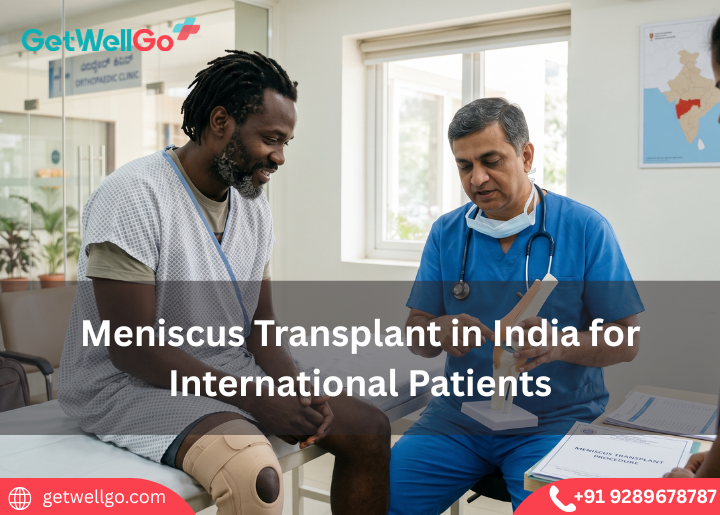
Meniscus Transplant in India: Save your knee joint and live active again! GetWellGo handles your top sports surgeon, medical visa & a cozy recovery home.
Read More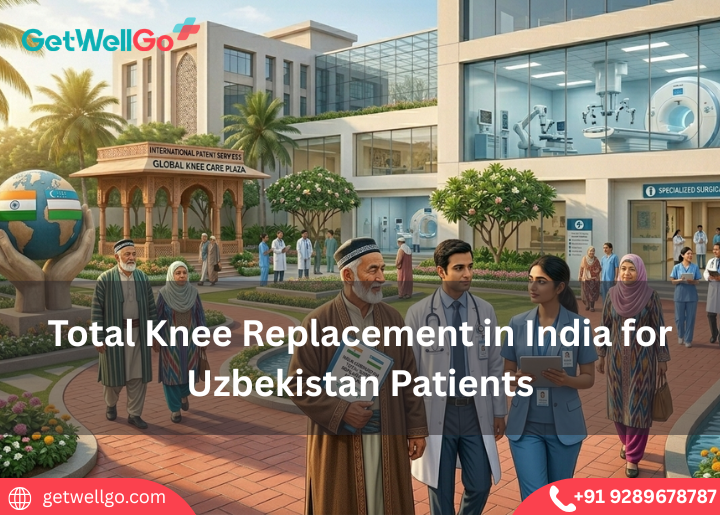
Total Knee Replacement in India for Uzbekistan Patients with robotic precision. GetWellGo handles your expert surgeon, Uzbek translator & a fast recovery home.
Read More
Get advanced kyphoplasty in India for spinal fractures. International patients benefit from expert care, modern hospitals, quick recovery, and affordable costs.
Read More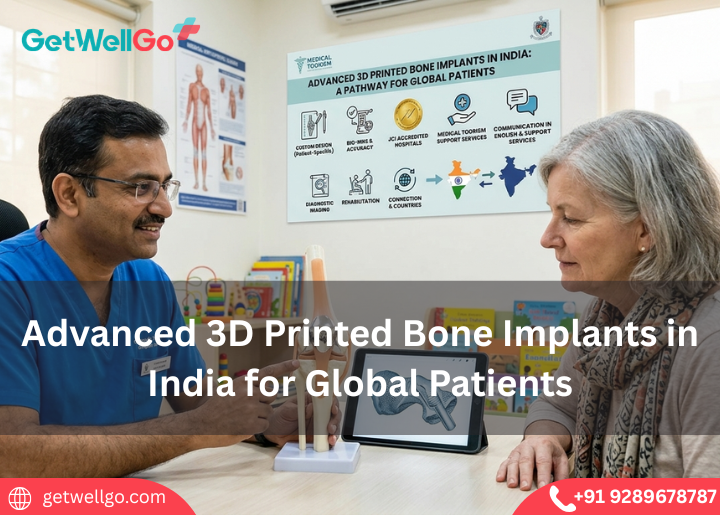
Advanced 3D Printed Bone Implants in India fit your body perfectly. GetWellGo handles your custom surgery, flight bookings, and a relaxing place to stay.
Read More
Hip sports injury in India slows you down, but we fix that. GetWellGo arranges your expert joint repair, airport rides, and a comfy room to rest.
Read More
Hip injuries in sports in India shouldn't end your game. GetWellGo books your top sports medicine doctor, visa, and safe stay so you can play again.
Read More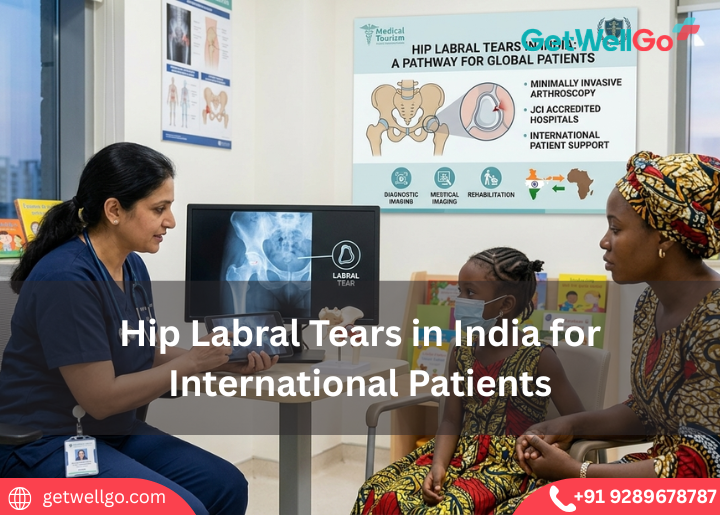
Get advanced hip labral tear care in India with skilled orthopedic surgeons, modern techniques, and cost-effective treatment for international patients.
Read More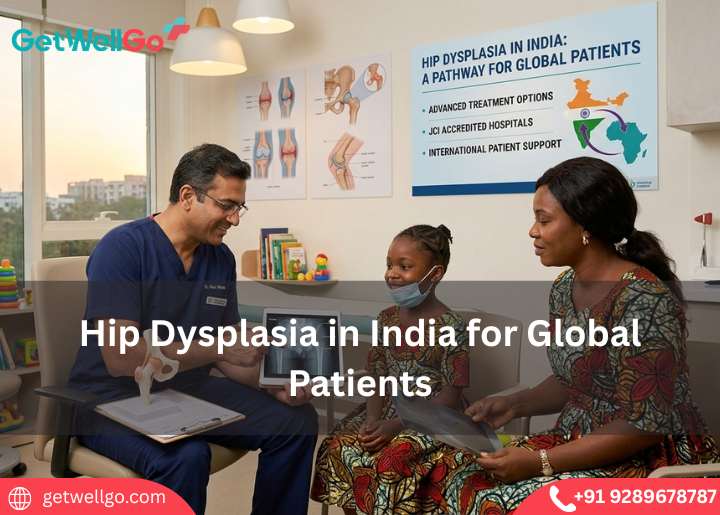
Affordable hip dysplasia treatment in India with skilled orthopedic care, advanced procedures, and support tailored for international patients.
Read More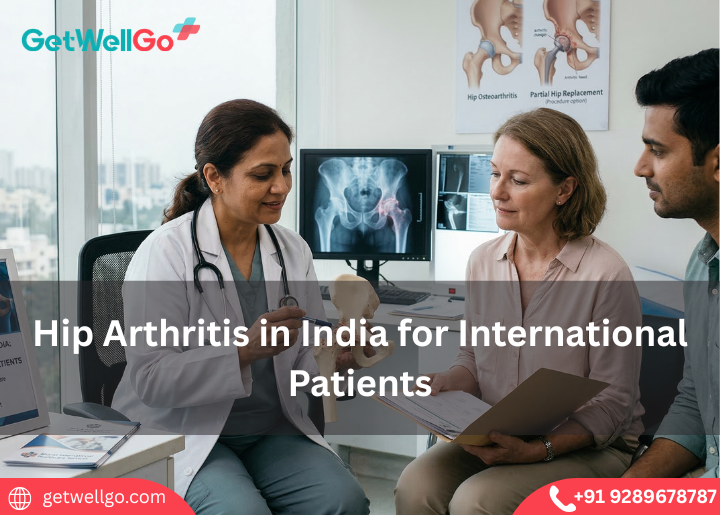
Hip Arthritis in India doesn't have to mean daily pain. GetWellGo handles your complete joint care trip, from finding top specialists to booking your hotel.
Read More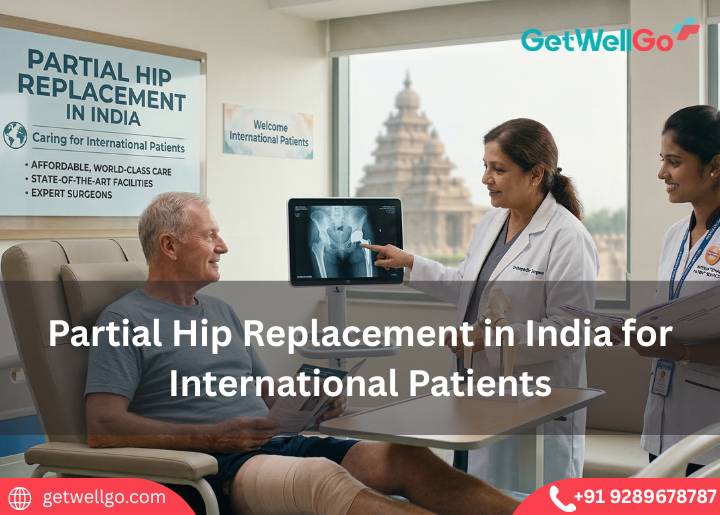
Partial Hip Replacement in India safely fixes hip fractures. We at GetWellGo handle your urgent hospital care, airport pickup, and smooth travel.
Read More
Partial Knee Replacement in India saves your healthy bone. GetWellGo books your top orthopedic surgeon, visa, and a safe stay for a quick trip home.
Read More