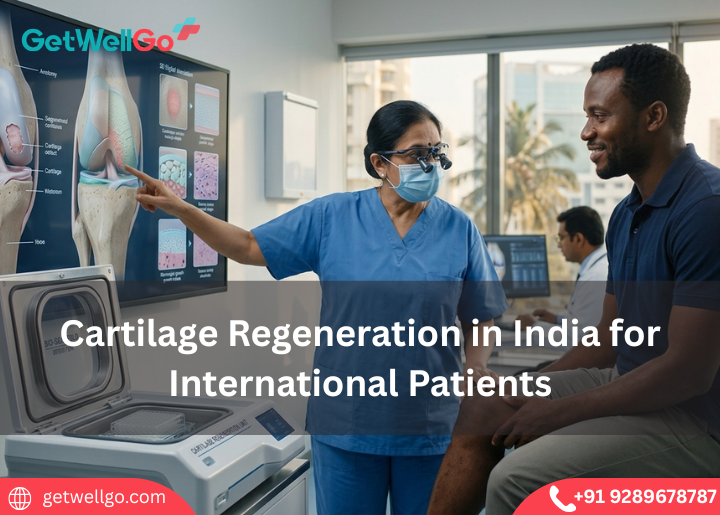
Cartilage Regeneration in India for International Patients
Cartilage Regeneration in India: Stop joint wear before it starts! We book your top sports specialist, handle the medical visa & provide a cozy stay to heal.
Read More
Hip replacement surgery for sickle cell disease: a real case study of an African patient walking with support the same day. See what Nigerians can learn.
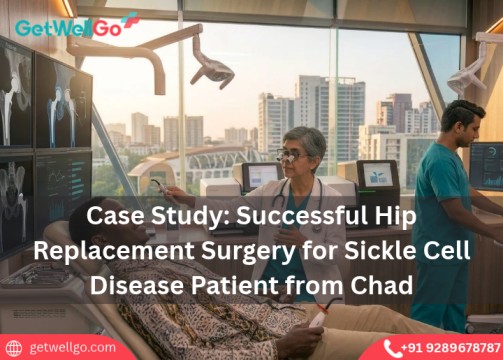
Patient Information:
Patient Name: Mr. Moustapha Alhadji Abatcha
Age: 25 years
Gender: Male
Country of Origin: Chad
Doctors: Dr. Subhash Jangid, Dr. Sukant Vijay and Dr. Vaibhav Gautam
Hospital: Fortis Memorial Research Institute (FMRI), Gurugram, India
Treatment: Left Total Hip Replacement Surgery
Date of Surgery: 27th June 2026
A 25 year old male patient (Mr. Moustapha Alhadji Abatcha) from Chad had been suffering with sickle cell disease. Sickle cell disease is a genetic condition that can cause various problems involving different organs and tissues. Avascular necrosis (AVN) can occur due to a lack of blood supply causing damage to the bones. If it affects the hip joint this can cause intense pain, damage to the joint and make it difficult to walk. The patient suffered with left hip pain approximately 3 months prior to presentation. This had become progressively worse, especially when walking or standing for prolonged periods. Over the next two months this had become more limiting. He developed an obvious limp and was suffering with intense pain and limited movement in the hip joint. Due to his history of sickle cell disease he needed specialist orthopaedic assessment and treatment.
Moustapha was able to gain specialist treatment at a hospital in India with the help of GetWellGo, a medical travel facilitator who help international patients plan their treatment. He was admitted at Fortis Memorial Research Institute (FMRI), Gurugram. He was assessed by the orthopaedics department consisting of Dr. Subhash Jangid, Dr. Sukant Vijay and Dr. Vaibhav Gautam. Tests were carried out including clinical examination and imaging which showed Moustapha had severe left hip arthritis caused by avascular necrosis with sickle cell disease. Based on the severity of the joint damage, Moustapha was advised to undergo a total left hip replacement using an uncemented implant and ceramic on polyethylene articulation via the direct anterior approach. The procedure was discussed alongside the possible benefits and risks. Patient consent was gained.
Moustapha had undergone a detailed medical assessment which included lab work up, imaging and 2D echo to assess the heart. A pre-anaesthetic assessment was also done to determine if the patient was fit for surgery. On the 27th June 2026 Moustapha had a total left Hip replacement performed at Fortis Memorial Research Institute, Gurugram. Surgery was performed with general and spinal anaesthesia. The direct anterior approach was used. The joint was reconstructed with a Stryker hip implant system including an acetabular shell, polyethylene liner, femoral stem and ceramic femoral head. During the surgery 2 units of packed red blood cells and 2 units of fresh frozen plasma were transfused due to his low hemoglobin. He tolerated the surgery well and was transferred to the ward.
Post-surgical care was provided to Moustapha including administration of analgesia and ice packs to control pain. A significant achievement made was on the day of surgery as he was able to walk using a walker. He was allowed to fully weight bear on his left operated leg. Physiotherapy was commenced which involved exercising his ankle and toes, strengthening his quadriceps, bending his knees, raising heels, marching and bridging. Walking using the walker and sitting in a chair were also included. During his hospital stay the surgical dressing was changed. The drain was removed on the second post-operative day. X-ray follow-ups showed that everything was going well. Overall Moustapha showed positive early results with correct medical supervision and rehabilitation. He was discharged on 30th June 2026 three days post-surgery.
He was walking with a walker and was putting full weight on his left leg as advised. He could carry out all his daily activities independently. Moustapha was advised to continue his physiotherapy sessions with a health professional. He should apply ice packs for 15-20 minutes a few times a day. A high protein diet should be maintained and psychological/social support at home. Instructions on how to prevent falling were given. He must ensure that areas he is walking are kept clear, avoid walking on slippery surfaces. Ensure shoes fit well and use a sturdy walker. Medical follow up is important as he has an underlying condition of sickle cell disease.
Going abroad for medical treatments can be difficult. Patients must find the right doctors, book appointments with hospitals and understand their medical treatments. GetWellGo helps international patients make these arrangements and receive the right medical care in India. Moustapha has had to receive specialist orthopaedic care due to complications caused by sickle cell disease. He received treatment at FMRI allowing him to start his rehabilitation shortly after surgery for his severe left hip damage.
This case example illustrates the positive impact that a total hip replacement can have on patients suffering with severe arthritis due to avascular necrosis. Moustapha's mobility was significantly restricted due to severe pain. After surgery he had regained good mobility with the aid of a walking frame and was able to complete daily tasks independently. The patient has made great improvements due to the combined effort of the orthopaedics department, hospital staff and physiotherapy professionals. He had also engaged in his rehabilitation. Early assessment and management of patients suffering with sickle cell disease is vital in order to prevent complications such as avascular necrosis. This case example shows how international patients can seek specialist treatment options in India with the help of GetWellGo. We hope Moustapha continues to make progress and improve his mobility and quality of life.
Cartilage Regeneration in India: Stop joint wear before it starts! We book your top sports specialist, handle the medical visa & provide a cozy stay to heal.
Read More
World Sickle Cell Day 2026: Join the fight for equity. Our Indian medical team helps Nigeria & Kenya patients access curative BMT care, visas & warm stays.
Read More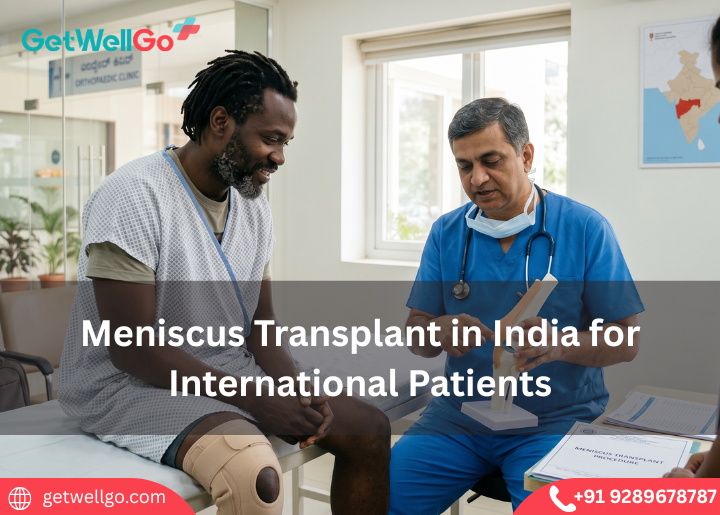
Meniscus Transplant in India: Save your knee joint and live active again! GetWellGo handles your top sports surgeon, medical visa & a cozy recovery home.
Read More
Total Knee Replacement in India for Uzbekistan Patients with robotic precision. GetWellGo handles your expert surgeon, Uzbek translator & a fast recovery home.
Read More
Get advanced kyphoplasty in India for spinal fractures. International patients benefit from expert care, modern hospitals, quick recovery, and affordable costs.
Read More
Advanced 3D Printed Bone Implants in India fit your body perfectly. GetWellGo handles your custom surgery, flight bookings, and a relaxing place to stay.
Read More
Hip sports injury in India slows you down, but we fix that. GetWellGo arranges your expert joint repair, airport rides, and a comfy room to rest.
Read More
Hip injuries in sports in India shouldn't end your game. GetWellGo books your top sports medicine doctor, visa, and safe stay so you can play again.
Read More
Get advanced hip labral tear care in India with skilled orthopedic surgeons, modern techniques, and cost-effective treatment for international patients.
Read More
Affordable hip dysplasia treatment in India with skilled orthopedic care, advanced procedures, and support tailored for international patients.
Read More
Hip Arthritis in India doesn't have to mean daily pain. GetWellGo handles your complete joint care trip, from finding top specialists to booking your hotel.
Read More
Partial Hip Replacement in India safely fixes hip fractures. We at GetWellGo handle your urgent hospital care, airport pickup, and smooth travel.
Read More