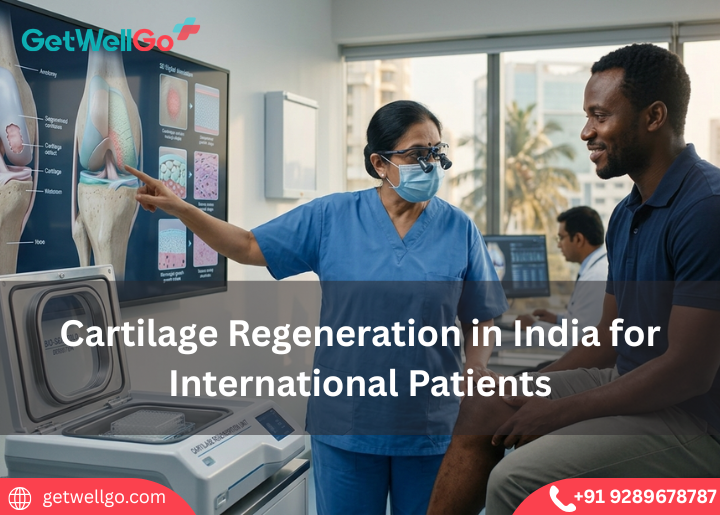
Cartilage Regeneration in India for International Patients
Cartilage Regeneration in India: Stop joint wear before it starts! We book your top sports specialist, handle the medical visa & provide a cozy stay to heal.
Read More
Hip Replacement Surgery in India for Kenyan Patients with top success rates. We connect you to expert surgeons. Start your journey to pain-free living.
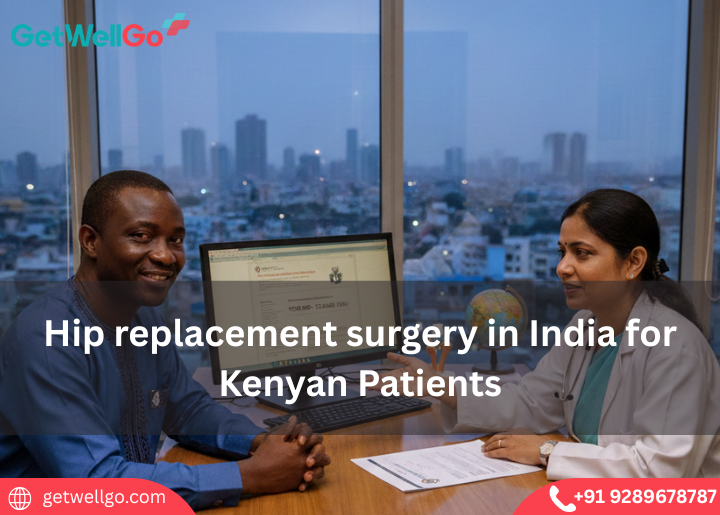
Hip replacement is a procedure in which the damaged bones of the hip joint are removed and artificial balls and sockets are inserted in their place. This is intended to relieve pain, improve function and quality of life.
You would be eligible when you have experienced:
Total Hip Replacement (THR)
Partial Hip Replacement
Less Invasive Hip replacement
Robotic-Assisted Hip Replacement (eg, Mako System)
In Total Hip Replacement, it is a surgery in which both the damaged ball of the hip (femoral head) and the worn or deteriorated socket (acetabulum), is removed and replaced with artificial replacements of metal, ceramic or high-grade plastic. The objective is to alleviate pain, recover functionality and enhance life quality.
Cemented THR
Uncemented THR
Hybrid THR
Cemented and uncemented mix.
Robotic-Assisted THR
Hip replacement has emerged as a big destination in India for medical tourism because of:
These are some of the perks which make large numbers of African patients (including those from Kenya, Tanzania, Uganda, Ghana and Nigeria) opt for India for joint replacement surgeries.
The following is a useful recovery plan on Kenyan patients who undergo hip replacement surgery in India including what happens, schedules, and how to plan your travels as well as what to do once you are back home.
In Hospital (Days 1–5)
Local Stay in India (1-2 weeks after discharge)
Weeks 3-12 Returning to Kenya
First 6 Weeks – Key Focus
When Can You Fly?
Most surgeons permit long-haul flights between 2 and 3 weeks when:
Flight Safety Tips
Home Setup Tips
Lifestyle Tips
Majority of Indian hospitals offer:
Robotic-assisted hip replacement utilizes high-tech computer-driven robots (e.g., MAKO, NAVIO) to:
This often results in:
A hip surgery in India is a very promising and brilliant way for the patients of Kenya to regain their mobility and live a life without pain at a fraction of cost. In the setting of JCI/NABH-accredited hospitals, globally renowned orthopedic surgeons, and state-of-the-art treatment modalities, i.e., minimally invasive and robotic-assisted techniques, patients receive excellent care that results in higher surgical accuracy, faster recoveries, and long-term implant durability. Extensive international patient services – visa assistance, travel arrangements, organized rehabilitation, as well as tele-follow-up care – make for a seamless treatment experience from landing in India to full convalescence back home in Kenya. For world class results, a very reasonable cost and very little wait, India is still the place to go for high quality hip replacement care.
GetWellGo is regarded as a leading supplier of healthcare services. We help Kenyan patients to choose the best treatment locations and doctors that suit their needs both financially and medically.
We offer:
Cartilage Regeneration in India: Stop joint wear before it starts! We book your top sports specialist, handle the medical visa & provide a cozy stay to heal.
Read More
World Sickle Cell Day 2026: Join the fight for equity. Our Indian medical team helps Nigeria & Kenya patients access curative BMT care, visas & warm stays.
Read More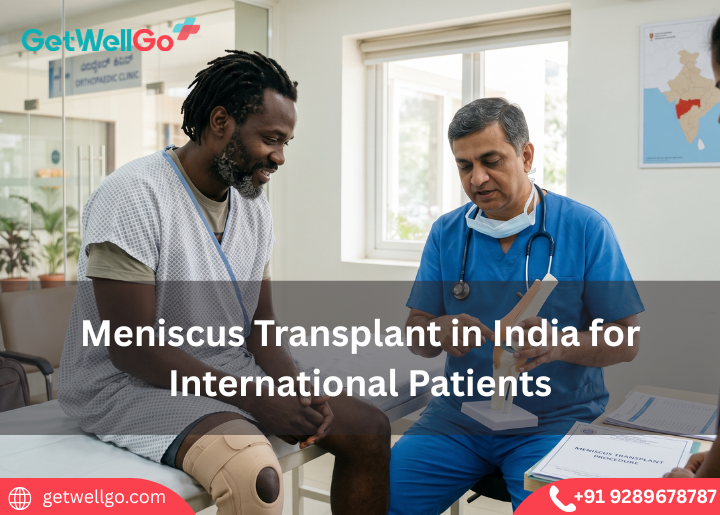
Meniscus Transplant in India: Save your knee joint and live active again! GetWellGo handles your top sports surgeon, medical visa & a cozy recovery home.
Read More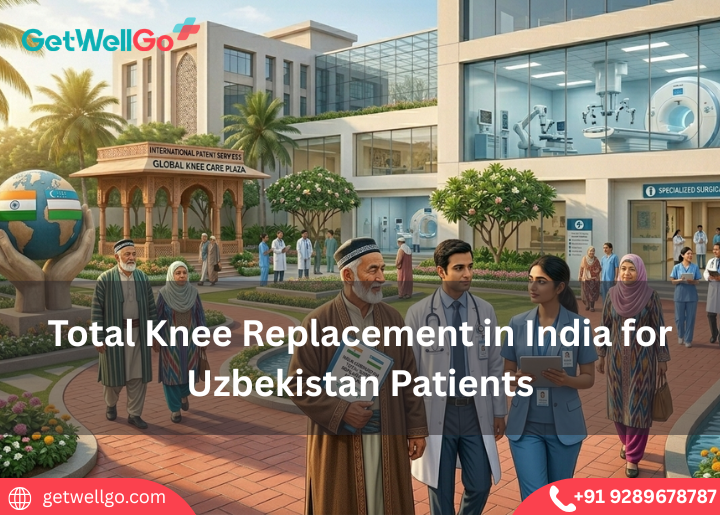
Total Knee Replacement in India for Uzbekistan Patients with robotic precision. GetWellGo handles your expert surgeon, Uzbek translator & a fast recovery home.
Read More
Get advanced kyphoplasty in India for spinal fractures. International patients benefit from expert care, modern hospitals, quick recovery, and affordable costs.
Read More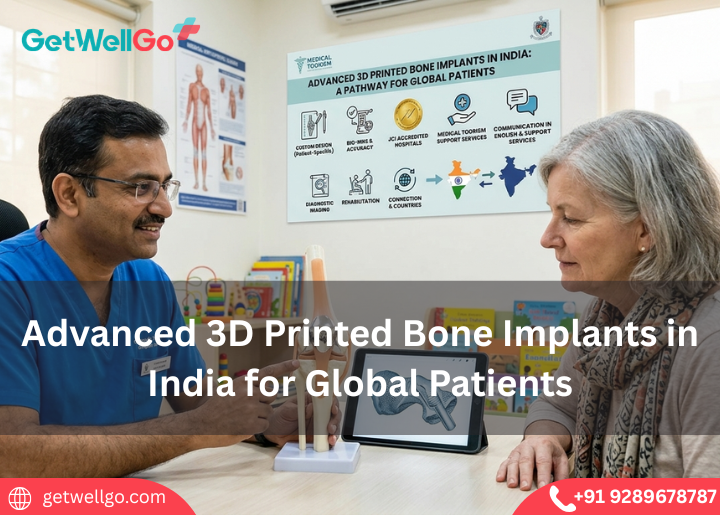
Advanced 3D Printed Bone Implants in India fit your body perfectly. GetWellGo handles your custom surgery, flight bookings, and a relaxing place to stay.
Read More
Hip sports injury in India slows you down, but we fix that. GetWellGo arranges your expert joint repair, airport rides, and a comfy room to rest.
Read More
Hip injuries in sports in India shouldn't end your game. GetWellGo books your top sports medicine doctor, visa, and safe stay so you can play again.
Read More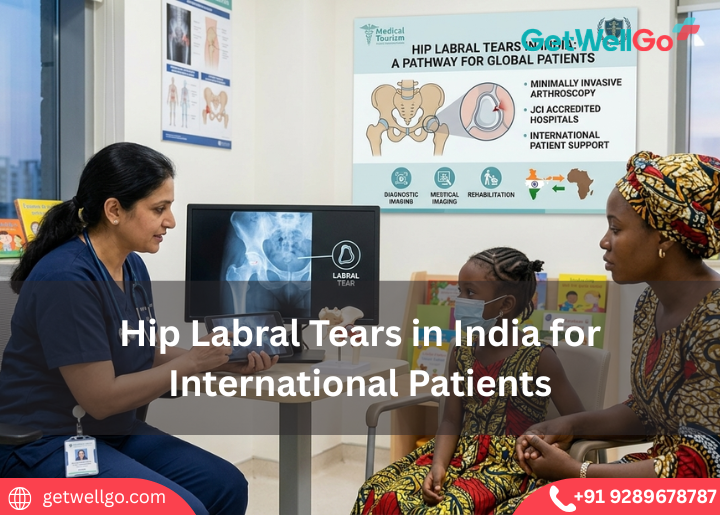
Get advanced hip labral tear care in India with skilled orthopedic surgeons, modern techniques, and cost-effective treatment for international patients.
Read More
Affordable hip dysplasia treatment in India with skilled orthopedic care, advanced procedures, and support tailored for international patients.
Read More
Hip Arthritis in India doesn't have to mean daily pain. GetWellGo handles your complete joint care trip, from finding top specialists to booking your hotel.
Read More
Partial Hip Replacement in India safely fixes hip fractures. We at GetWellGo handle your urgent hospital care, airport pickup, and smooth travel.
Read More