
Who Can Donate Bone Marrow for a Family Member? A Guide for Nigerians
Who can donate bone marrow for a family member? Discover the eligibility rules, matching process, and steps Nigerians need to follow. Learn more inside.
Read More
Explore advanced and affordable bone marrow transplant options in India. GetWellGo offers support for African patients seeking top care and recovery. Contact us!

Bone marrow transplantation is a highly advanced procedure offered to those suffering from serious blood disorders including Sickle Cell Disease, Thalassemia, Leukaemia, Lymphoma, Aplastic Anaemia and Multiple Myeloma. These disorders can cause issues with the production of healthy blood.
Many patients from African countries will suffer from these disorders and may need to take medication, have blood transfusions and be admitted into hospital for years. Patients can however benefit from bone marrow transplantation and can potentially be cured or have long term control of their blood disorder.
India has specialist haematology and bone marrow transplant centres that can perform a range of bone marrow transplants including matched sibling, haploidentical and matched unrelated donor bone marrow transplants. International patients can have specialist consultations, donor assessments and personalised treatment plans.
India has become an option for patients from Nigeria, Kenya, Uganda, Ethiopia, Tanzania, Zambia, Ghana and other African countries with bone marrow transplants. With specialist teams, centres and a variety of treatments patients can be assessed for bone marrow transplantation.
Bone marrow transplantation allows patients to receive healthy stem cells to replace faulty stem cells. It can treat a variety of blood disorders.
Patients from African countries may choose to seek treatment in India due to:
Choosing a suitable hospital will depend on your diagnosis, bone marrow transplant needs, donor availability, medical condition and the experience of the medical team.
Bone marrow transplantation or haematopoietic stem cell transplant (HSCT) can treat a variety of blood related disorders.
Sickle Cell Disease is a genetic disorder that causes abnormally shaped haemoglobin. Red blood cells become stiff and sickle shaped causing anaemia, pain crises, infections and organ damage.
A successful allogeneic bone marrow transplant can replace the faulty haematopoietic stem cells with healthy stem cells from a donor. This can potentially cure Sickle Cell Disease.
Thalassemia is a genetic disorder that can cause issues with haemoglobin. Patients with severe thalassemia may require regular blood transfusions and iron chelation.
Bone marrow transplantation can replace faulty haematopoietic stem cells with healthy stem cells from a donor. It can provide a potential cure for selected patients. Patients with transfusion dependent beta thalassemia can benefit.
Leukaemia is a type of blood cancer that can cause issues with white blood cells. Certain types of leukaemia require bone marrow transplantation following chemotherapy or other cancer treatment.
Bone marrow transplantation will help to replace healthy blood cells.
Lymphoma affects the lymphatic system and can cause abnormal lymphocytes. Some patients with relapsed or high risk lymphoma may be suitable for stem cell transplantation.
Autologous transplantation is commonly offered to selected patients with lymphoma. Patients may be suitable for an allogeneic transplant.
Aplastic anaemia is a condition where the bone marrow fails to produce enough blood cells. Patients can suffer from severe anaemia, regular infections and bleeding.
Patients that are suitable can have an allogeneic bone marrow transplant from a compatible donor.
Multiple Myeloma is a cancer of plasma cells in the bone marrow. Selected patients can have an autologous stem cell transplant following chemotherapy.
The type of transplant will depend on the age, health, disease status and previous treatment.
The type of transplant you are likely to be offered will depend on your diagnosis, donor availability, general health and treatment goals.
A matched sibling bone marrow transplant uses healthy haematopoietic stem cells from a brother or sister with matching HLA.
This is a well-established treatment for patients with Sickle Cell Disease, Thalassemia, Aplastic Anaemia and certain blood cancers.
The sibling will be tested for HLA typing and medical evaluation.
A haploid bone marrow transplant uses stem cells from a partially matched family member.
Your donor could be:
Parents and children will have around 50% of the same genetically inherited HLA markers. Thanks to advancements in transplant protocols patients can have a haploid bone marrow transplant if they don’t have a fully matched donor. This can be very important for patients from Africa who may not have access to large unrelated donor lists.
A matched unrelated bone marrow transplant uses stem cells from a compatible donor.
The donor will be found using a stem cell donor list. The donor will need to have extensive HLA testing and medical evaluation.
An autologous stem cell transplant uses stem cells from the patient.
The stem cells are taken before intensive chemotherapy and stored. Following chemotherapy they are given back to the patient to help replace blood cells. This is commonly offered for selected patients with multiple myeloma and lymphoma.
Prior to treatment detailed investigations will be performed to determine if you are suitable for transplantation.
Some initial investigations can be looked at prior to travelling from Africa.
You may have:
HLA typing is one of the most important investigations when undergoing an allogeneic transplant.
Both you and your potential donor will be tested for HLA typing.
Additional investigations for donor can include:
The medical team may want you to have:
You and your donor may be tested for:
Depending on your medical history.
The investigations will depend on your underlying disease, protocol and hospital.
A bone marrow transplant can involve a variety of steps.
Your haematologist will look at your diagnosis, medical history, previous treatments, complications and current health. They will then determine if you are suitable for a bone marrow transplant.
If you are having an allogeneic transplant your potential donors will be HLA typed and medically assessed. Your transplant team will identify the best donor for you.
Prior to your transplant you will have conditioning. This will typically involve chemotherapy. In certain protocols other medications will also be used.
Conditioning helps prepare the bone marrow for the stem cells and reduces the risk of rejection. The intensity of treatment will depend on your age, diagnosis, donor and protocol.
The donor will have their stem cells collected. This can be done by:
The stem cells will be given via a central line. This is typically similar to a blood transfusion and does not require any surgery.
The stem cells will go into the bone marrow and start producing new blood cells. Doctors will monitor your:
Following your transplant you will have supportive medication and be regularly monitored by medical staff. They will monitor your bloods, organ function, infections and other potential complications. They will then decide when it is safe for you to be discharged.
Gurgaon (Gurugram) is a key medical destination within the Delhi NCR region. There are multi-speciality hospitals providing advanced haematology and bone marrow transplant services. Patients from Africa may consider bone marrow transplantation in Gurgaon for Sickle Cell Disease, Thalassemia, Leukaemia, Lymphoma, Aplastic Anaemia and Multiple Myeloma.
Hospitals may provide:
Patients may consider bone marrow transplantation in Gurugram due to the specialist bone marrow transplant teams and international patient support. Choosing a suitable hospital will depend on their experience in your particular disease.
Delhi is another key destination for advanced haematology and bone marrow transplant.
Hospitals will provide specialist treatment for blood disorders and certain blood cancers. Patients may be offered:
Thanks to the established medical infrastructure in Delhi, patients can have access to a range of specialists.
Chennai is an established medical destination in South India. Hospitals offer specialist haematology, oncology and stem cell transplant services. Patients may be assessed for a variety of blood disorders and blood cancers.
Treatment may include:
Patients should ensure the hospital offers the required bone marrow transplant and that the medical team have experience.
Mumbai has a number of large tertiary care hospitals that offer specialist oncology, haematology and transplant services. International patients may consider bone marrow transplant in Mumbai for Multiple Myeloma, Leukaemia, Lymphoma, Aplastic Anaemia and other blood disorders.
Depending on the hospital and medical assessment, treatment may include:
Patients should look at the experience of the hospital, donor options, facilities and treatment plan.
Kolkata is another medical destination in India. Patients can seek specialist haematology and bone marrow transplant services.
Patients may have consultations for blood disorders and certain blood cancers. Depending on the hospitals capabilities they may provide:
Patients from Africa should ensure the hospital offers the required bone marrow transplant.
Choosing the right hospital is one of the most important decisions to make as an international patient. Not all centres will have the same experience with every blood disorder and donor.
Consider:
How often do they treat patients with the same disease e.g. Sickle Cell Disease, Thalassemia, Leukaemia
How many transplants have they had? What types of transplants do they have experience with e.g. Matched sibling, haploid.
Do they have experienced haematologists, bone marrow transplant specialists, paediatric haematologists and specialist nurses?
Do they have specialist bone marrow transplant units, isolation rooms, infection prevention, ICU and emergency support?
Can they assess your matched sibling, haploid and unrelated donors?
They should be able to give you a personal quote. This will include investigations, donor assessment, conditioning, stem cell collection, hospital stay and medications. A general bone marrow transplant in India will start from around USD $10,000. This is not a guaranteed price for all types of transplants or for international patients.
Cost can vary greatly depending on the type of bone marrow transplant you need. Autologous, matched siblings and haploid can vary.
Depending on the hospital and treatment plan, this may include:
Additional costs may include:
The final cost will depend on:
African patients should also budget for flights, medical visa, accommodation, food and local transport. A personal quote should be provided once the medical reports have been reviewed.
The length of stay will depend on the type of transplant, medical condition, engraftment and recovery. Patients from Africa will need to stay longer than just the initial hospital stay. You will need to be monitored throughout the transplant.
Typically treatment will include:
You may need to stay in hospital for a few weeks and then extra time close to the transplant centre for outpatient appointments. The medical team will advise when it is safe for you to return home.
Recovery is a key part of your treatment and can take several months.
Your immune system may be weakened so infection prevention is key.
Whilst in hospital your medical team will monitor:
You may need:
Once you leave the hospital you will need regular follow up. Your doctor will monitor:
African patients should work with their bone marrow transplant team in India and local haematologists.
India has specialist medical facilities to treat complex blood disorders and stem cell transplant.
Key points to consider:
Traveling from an African country to receive complex treatment can be a complicated process. Patients and families may need support understanding their treatment options, finding the right hospital, and organising appointments. GetWellGo can help international patients find the right hospitals and specialist doctors in India.
We help patients from Nigeria, Kenya, Uganda, Ethiopia, Tanzania, Zambia, Ghana and other African countries.
We aim to make medical travel as easy as possible for you and your family.
Patients from Africa (Nigeria, Kenya, Uganda, Ethiopia, Tanzania, Zambia and others) can have Bone Marrow Transplants. They can have specialist consultations and investigations to see if they are the right candidate.
Bone Marrow Transplants can be used to treat Sickle Cell Disease, Thalassemia, Leukaemia, Lymphoma, Aplastic Anaemia and Multiple Myeloma. Different types of transplants will be needed depending on the underlying cause.
There are several places in India that can offer you Bone Marrow Transplants and specialist haematology services. These include Gurgaon, Delhi, Chennai, Mumbai and Kolkata. The optimal place will depend on your condition and donor needs, hospital and transplant team experience.
A rough estimate for a BMT would be around USD 10,000. The cost can vary depending on the transplant type, donor match, conditioning, drugs, length of stay and complication. An accurate estimate will be given.
Yes. Those with severe Sickle Cell Disease may be eligible to have an Allogeneic Bone Marrow Transplant. We will assess if there is a suitable donor and if your organs are suitable for the treatment.
Yes. Parents can be potential haploid donors as they will share around half of the HLA markers. The transplant team will assess the donor.
Depending on your condition, options may be a haploid family member, fully matched unrelated donor and selected umbilical cord blood units.
The total treatment timeline would include investigations, donor assessment, conditioning, stem cell infusion and recovery. You would likely be in hospital for several weeks and recovery of your immune system can take several months or more.
Yes. Adults may be eligible to have Bone Marrow Transplants if they have the right medical conditions. We will assess your age, organ function, general health, disease and donor availability.
If the Bone Marrow Transplant is successful then it can be a cure for certain conditions such as Sickle Cell Disease and some inherited blood disorders. It may offer a long term remission or control of blood cancers. This is not guaranteed and will depend on the condition and type of transplant.
Generally international patients will need the correct medical visa to come to India. This will depend on your nationality and current visa rules. Please check what is required.
In many cases a family donor will need to come to India for investigations and stem cell harvesting. The hospital will advise you on what is required for the donor.
There are several tertiary hospitals in cities such as Gurgaon, Delhi, Chennai, Mumbai and Kolkata that can perform Bone Marrow or Stem Cell Transplants. Please ensure you have the correct treatment available and the transplant team has experience.
Who can donate bone marrow for a family member? Discover the eligibility rules, matching process, and steps Nigerians need to follow. Learn more inside.
Read More
What are bone marrow disorders? This complete guide breaks down the various types, causes, and available treatment paths for Nigerian patients. Read more now.
Read More
Considering bone marrow transplant at Fortis Hospital India? Explore treatment costs, recovery timelines, and what Nigerian patients can expect.
Read More
Curious does liver grow back after transplant? Learn how regeneration happens in both donor and recipient, and what it means for Nigerian families.
Read More
Curious how much a liver transplant costs? This guide breaks down real prices in Nigeria and India, so Nigerian patients can plan and budget confidently.
Read More
We help Zambian patients reach the best kidney transplant hospital in India — Apollo, Medanta, Fortis & Manipal, with a dedicated case manager from day one.
Read More
We help Ethiopian patients find the best liver transplant hospital in India — Apollo, Medanta, FMRI & more. 4,300+ transplants done. Your care starts here.
Read More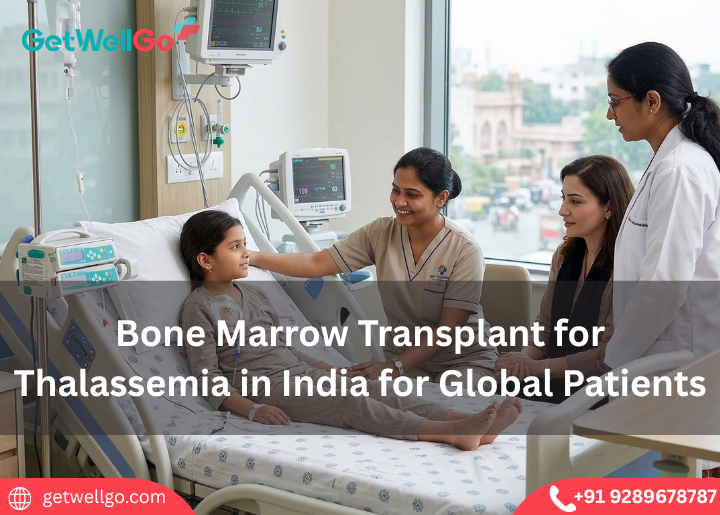
Bone Marrow Transplant for Thalassemia in India stops the need for constant blood transfusions. GetWellGo handles your specialist, visa, and safe stay.
Read More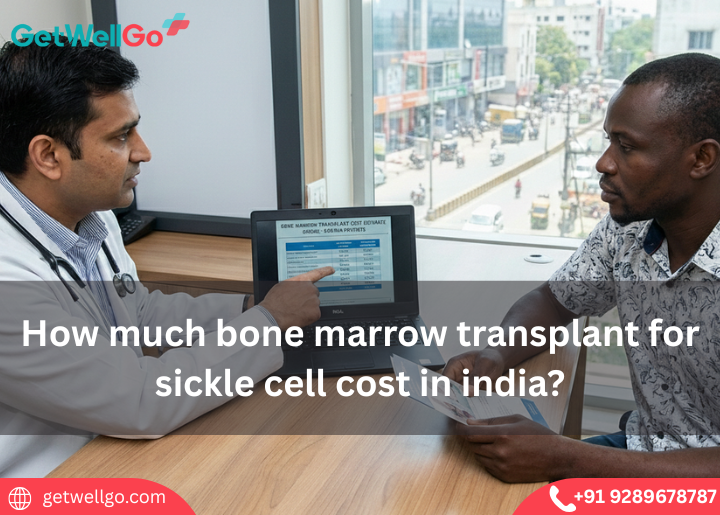
Bone Marrow Transplant Treatment Cost in India is affordable. Learn how much bone marrow transplant cost in india saves you. Get a free quote today.
Read More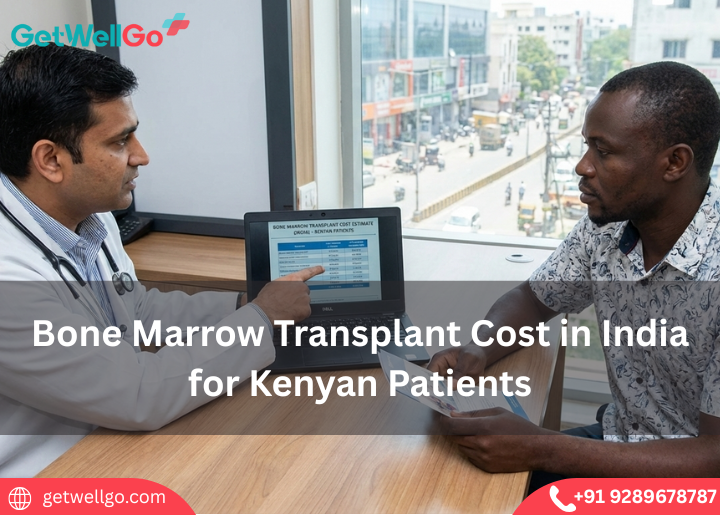
Bone Marrow Transplant Cost in India for Kenyan Patients starts low here. We offer complete medical tourism packages including travel. Save on your surgery.
Read More
Kidney Transplant Surgery is your second chance. We arrange safe procedures to help you stop dialysis forever. reclaim your freedom with our expert support.
Read More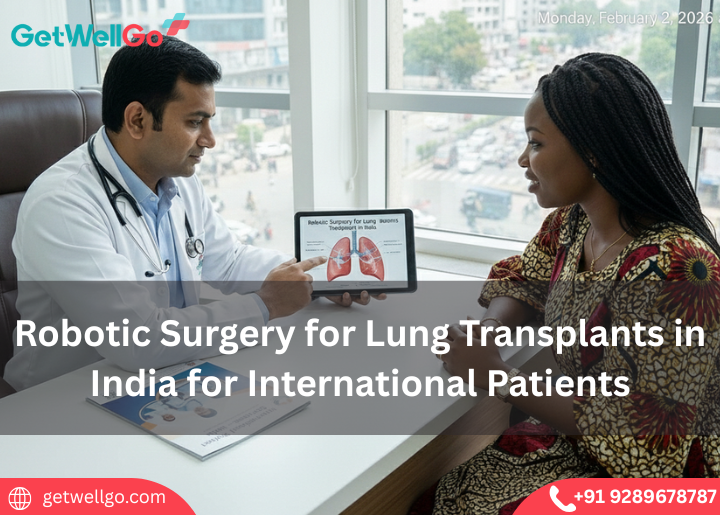
Robotic Surgery for Lung Transplants in India aids quick recovery. We arrange affordable, world-class care for you. Get back to breathing freely very soon.
Read More