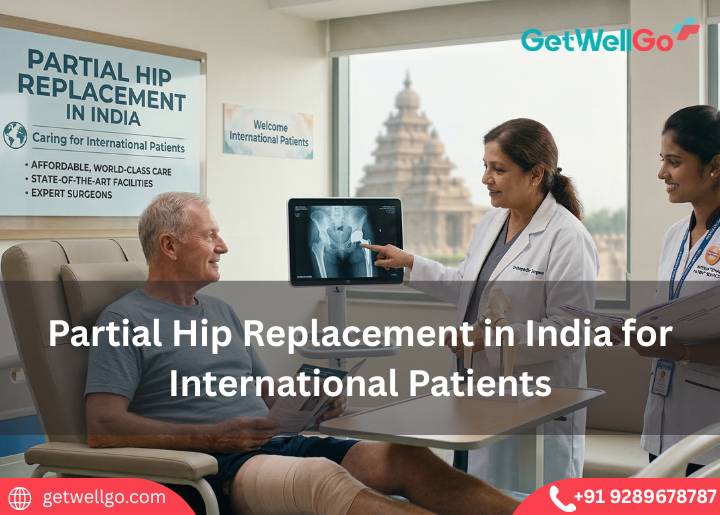
Hip replacement is a procedure in which the damaged bones of the hip joint are removed and artificial balls and sockets are inserted in their place. This is intended to relieve pain, improve function and quality of life.
Who Requires Hip Replacement?
You would be eligible when you have experienced:
Excessive pain in hips and cannot move because of the pains.
Robotic-Assisted Hip Replacement (eg, Mako System)
Increased precision and placement of the implants.
Better joint alignment and recovery.
Preparation before Surgery
Blood tests, MRI, CT scan, x rays, Heart and physical health screening.
Stop smoking and manage chronic conditions.
Before surgery physiotherapy to achieve an improved recovery.
Surgery
General (or spinal) anaesthesia.
Incision made over the hip
Destruction of the bone and cartilage.
Planting prosthetic joint.
Closure and dressing
Time: 1.5–3 h
Length of Hospital Stay: 3-5 days
Total hip replacement
In Total Hip Replacement, it is a surgery in which both the damaged ball of the hip (femoral head) and the worn or deteriorated socket (acetabulum), is removed and replaced with artificial replacements of metal, ceramic or high-grade plastic. The objective is to alleviate pain, recover functionality and enhance life quality.
Types of Total Hip Replacement
Cemented THR
Fix implants with bone cement.
Best with older patients or poor bone density.
Uncemented THR
Implant permits natural bone to proliferate into it.
Ideal in younger and active patients.
Hybrid THR
Cemented and uncemented mix.
Robotic-Assisted THR
Millimeter precision implantation.
Improved joint positioning and accelerating recovery.
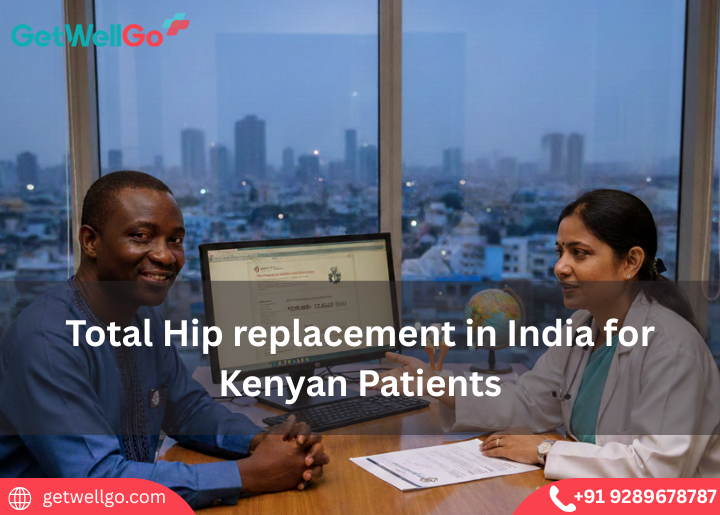
Total hip replacement (or total hip arthroplasty) is a surgical procedure to replace a pre-existing damaged hip joint with an artificial prosthesis, normally advised in the case of severe arthritis, fractures or other degenerative illnesses. The aim is to treat pain and recover movement.
Why Kenyan patients choose India?
India is the top destination to get a hip replacement due to:
Much lower than in Europe, USA, South Africa, or other countries but has high standards of care.
Complex orthopedic surgeons and hospitals that are accredited internationally.
Complete care packages (excluding medical tourism services) such as hospital stay, rehabilitation, and support in medical tourism (visa, logistics).
It even has documented patient experiences (including Kenyans) of successful hip replacement procedures in India at very cheap costs.
Factors Affecting Total hip replacement cost India Kenya
Here is a list of the major elements adding to the cost of Total Hip Replacement (THR) surgery in India:
Complexity of Surgery and Procedure
Total vs Partial Hip Replacement: A complete THR generally costs more than partial procedures because the socket as well as the femoral head is replaced.
Minimally Invasive / Advanced Technique: Advanced methodologies (like robotic or minimally invasive) might be more costly and time-intensive to establish the OR as they entail special equipment and take an initial longer time to set-up.
Revision Surgery costs: When a previous implant fails and needs revision, surgery is more complex and more expensive.
Selection and Quality of Implant
Material Type:
Metal-on-polyethylene implants are less expensive.
Ceramic, titanium or highly developed bearing surfaces (e.g., ceramic on ceramic) are much more expensive - but can last longer.
Brand: The imported implants of the major manufacturers (such as Zimmer, Stryker, Johnson and Johnson) tend to be more expensive than those manufactured locally.
This can be one of the biggest individual costs of the total cost.
Hospital and Location
Hospital Tier
Wealthier multi-specialty or premium hospitals in the metros charge far more than the smaller or non-metro hospitals.
International-accredited (like JCI/NABH) are costly but may offer comfort and continuity of care.
City and Infrastructure
Big cities have approximately higher costs of surgery as a result of infrastructure and overhead costs.
There are also vast differences in the operating theatre (OT) charges, room rates and ancillary services that also make the final bill.
Knowledge of Surgeon
Professional fees of surgeons with a high level of experience or a reputation of a specialist tend to be higher.
This is because the level of the overall competence of the surgical team (including anaesthetist and support staff) affects outcomes - and in many cases the price.
With regard to the international patients, experienced surgeons at the hospital are also able to offer better pre-op preparation and post care which you want if you are traveling internationally.
Testing and Diagnosis before Surgery
Before total hip replacement, patients will undergo a series of tests (e.g., X-rays, MRI/CT scans, blood work, cardiac tests) in order to determine whether they are fit enough to have surgery.
All these pre-operative diagnostics increase the overall price.
Length of stay in a hospital and room selection
Length of stay: The average patient will complete a 5-7 day stay, although complications or slower recovery may increase the length and increase the room, nursing and OT costs.
Room Type: Private rooms or deluxe rooms are much more expensive than the shared rooms or general wards.
Post-Operative Rehabilitation and Care
Physiotherapy: Physiotherapy after surgery is necessary to help but increases overall expenses, particularly in case of intensive therapy.
Medication and Follow-ups: Pain control medications, antibiotics, and several follow-up visits are added to the spending value.
Clinical Factors of Patients
Age and Health Conditions: Elderly patients or those with comorbid conditions (e.g., diabetes, heart disease) can have increased care, stay, or test requirements which drive up the cost.
Complications: Intra/Post-operative complications- although less frequent, they always increase costs because they increase the length of treatment and care.
Travel- Related Costs
For international patients, the non-medical or travel-related expenses are:
Visa fees and processing
Domestic flights International flights.
Hotel/ guesthouse accommodation patient and attendants.
Local transport
Food and other out-of-pocket costs.
These may become a huge part of your overall budget when they are not planned.
Total hip replacement recovery Kenyan patients
This is very simple basic advice on Total Hip Replacement (THR) recovery given to Kenyan patients who journey to India to get their surgery:
Phase 1: Days 1-7 Recovery
What Happens in Hospital?
Walker or crutches mobilization within a day or within a day after surgery.
Analgesic (orally or intravenous)
Two times per day physiotherapy (bed exercises, standing, short walks)
Infection prevention and wound care.
Blood tests and x-ray (where necessary).
Goals:
Short distance sitting, standing and walking.
Safe Movements
Hip precautions should be kept in mind
Phase 2: Recovery in India (Weeks 1-3)
This is more so with international patients.
Why Stay 2–3 Weeks?
Stitches/staples removal
Follow-up with surgeon
Supervised physiotherapy
Watch for complications (infection, blood clot, dislocation).
Activities
Less distance to walk with walker/cane.
Stair practice
Resistance and flexibility exercises.
Check of wound prior to travel authorization.
Most hospitals provide:
Medical clearance on fitness to fly.
Rehab instructions for home
Travel Back to Kenya -Necessary Advice
Before Flying
Wear compression stockings
Take prescribed anticoagulants (when needed)
Move and stretch on long flights (after every 1 to 2 hours)
Carry-on medical reports and implant details.
Seat Advice
Aisle or additional legroom.
The low seats should be avoided that require deep bending.
Stage 3: Rehabilitation (Week 4-12)
Daily log
Keep-up physiotherapy work twice a day.
Walk with a cane → to the unaided walking.
Avoid:
Squatting
Sitting on low chairs
Crossing legs
Running/jumping
Pain & Wound Care
Light pain or stiffness is normal.
Watch for:
Redness, swelling, discharge
Fever
Sudden, severe pain in hip
Phase 4: Recovery (3 to 6 months)
What Improves
Muscle strength
Balance
Walking speed
Stair climbing and ability to drive.
Activities You Can Resume
Walking
Swimming
Cycling
Light gym exercises
Avoid Long-Term
Sports with high impact (running, football, jumping).
Heavy lifting
Robotic total hip replacement India Kenyans
Robotic total hip replacement is a cutting edge type of hip joint surgery in which a robotic system helps the endoscopic surgeon to plan and perform the surgery for superior accuracy. This doesn’t mean the robot is doing the surgery by itself — the surgeon is in charge of the procedure and the robot is assisting the accuracy of the procedure and positioning of the implant, and enhancing the recovery results in the majority of cases.
Benefits may include:
Better fit and alignment of the implant
More accurate preparation of the bone
Potentially less tissue trauma and pain
Faster rehab and mobility
Lower risk of long-term complications (in select cases )
Why India for Robotic Hip Replacement
India is a well sought after medical destination for joint replacement surgery for the following reasons:
Lower fees compared to Western countries and many neighbouring areas.
Latest orthopaedic procedures and technology such as MAKO and NAVIO Robotic-assisted systems at leading centres.
Experienced surgeons trained in international protocols.
Short waiting times and organized care for international patients.
Conclusion
The total hip replacement in India provides Kenyan patients with the perfect blend of high level technology, skilled orthopedic surgeons, world class hospitals and the most affordable cost, which is incomparably lower than many other western countries in the region. With precision-guided systems including MAKO and NAVIO, patients are able to attain better implant alignment, potential faster recovery and improved long-term joint function. The country's well-organized international patient services—which include assistance with visas, travel, hospital coordination and post-operative rehabilitation—help make the treatment process less stressful and more predictable. Partial and from a comprehensive pre-surgical assessment through supervised convalescence and clearance to fly, Kenyan patients can anticipate an integrated continuum of care. To conclude, if you are looking for an affordable and at the same time best technological solution for severe hip joint issues, robotic total hip replacement in India can be considered as one of the best and most trusted options that not only restores mobility and reduce pain but also improves long-term quality of life.
Total hip replacement India GetWellGo Kenyans
GetWellGo is regarded as a leading supplier of healthcare services. We help Kenyan patients to choose the best treatment locations and doctors that suit their needs both financially and medically.
We offer:
Complete transparency
Fair costs.
24 hour availability.
Medical E-visas
Online consultation from recognized Indian experts.
Assistance in selecting India's top hospitals for Total Hip Replacement.
Expert orthopedic surgeons with a strong track record of success
Assistance during and after the course of treatment.
Language Support
Travel and Accommodation Services
Case manager assigned to every patient to provide seamless support in and out of the hospital like appointment booking
Cartilage Regeneration in India: Stop joint wear before it starts! We book your top sports specialist, handle the medical visa & provide a cozy stay to heal.
World Sickle Cell Day 2026: Join the fight for equity. Our Indian medical team helps Nigeria & Kenya patients access curative BMT care, visas & warm stays.
Meniscus Transplant in India: Save your knee joint and live active again! GetWellGo handles your top sports surgeon, medical visa & a cozy recovery home.
Total Knee Replacement in India for Uzbekistan Patients with robotic precision. GetWellGo handles your expert surgeon, Uzbek translator & a fast recovery home.
Get advanced kyphoplasty in India for spinal fractures. International patients benefit from expert care, modern hospitals, quick recovery, and affordable costs.
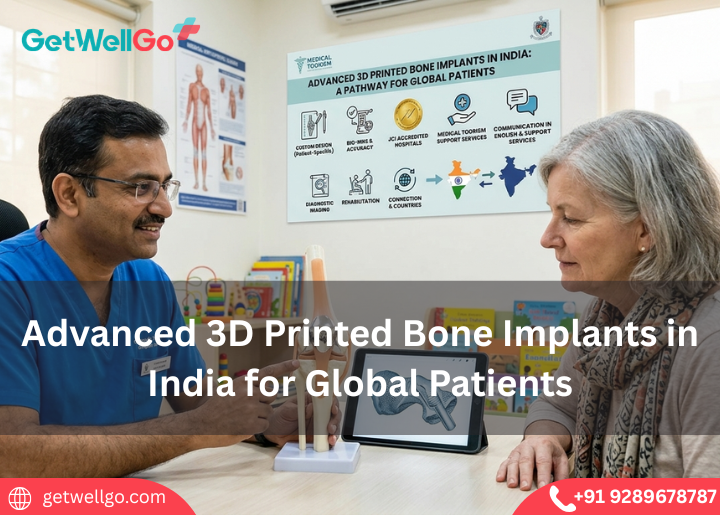
Advanced 3D Printed Bone Implants in India fit your body perfectly. GetWellGo handles your custom surgery, flight bookings, and a relaxing place to stay.
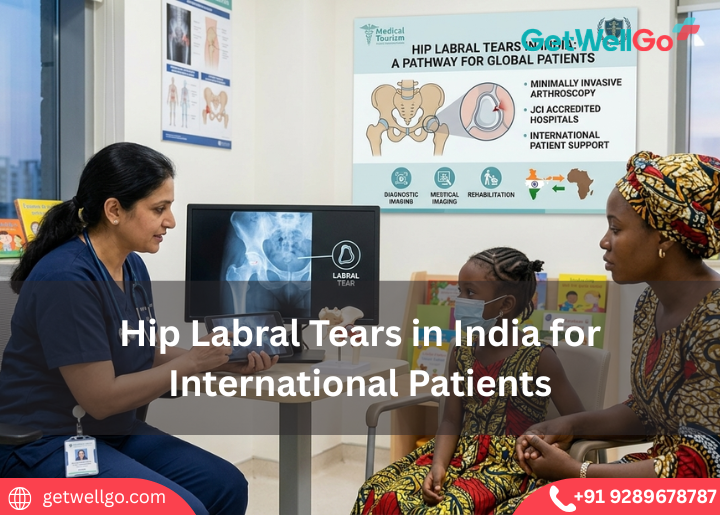
Get advanced hip labral tear care in India with skilled orthopedic surgeons, modern techniques, and cost-effective treatment for international patients.
Hip Arthritis in India doesn't have to mean daily pain. GetWellGo handles your complete joint care trip, from finding top specialists to booking your hotel.