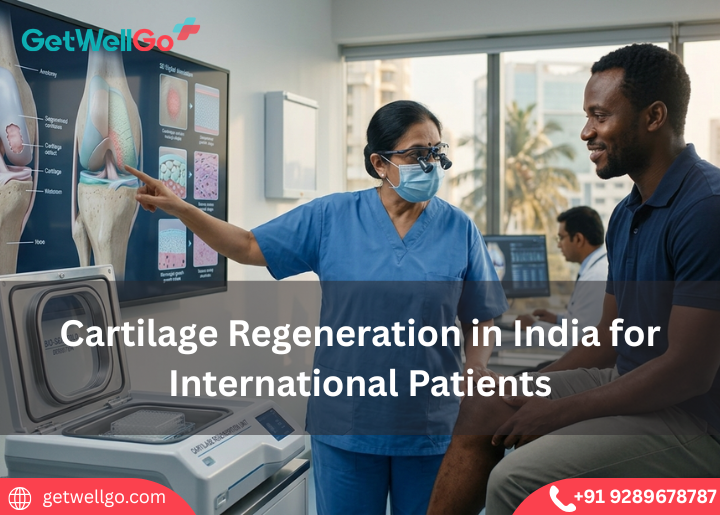
Cartilage Regeneration in India for International Patients
Cartilage Regeneration in India: Stop joint wear before it starts! We book your top sports specialist, handle the medical visa & provide a cozy stay to heal.
Read More
Choose GetWellGo for robotic total knee replacement in India. Advanced surgery, expert surgeons, and complete care support for international patients.Choose GetWellGo for robotic total knee replacement in India. Advanced surgery, expert surgeons, and comp
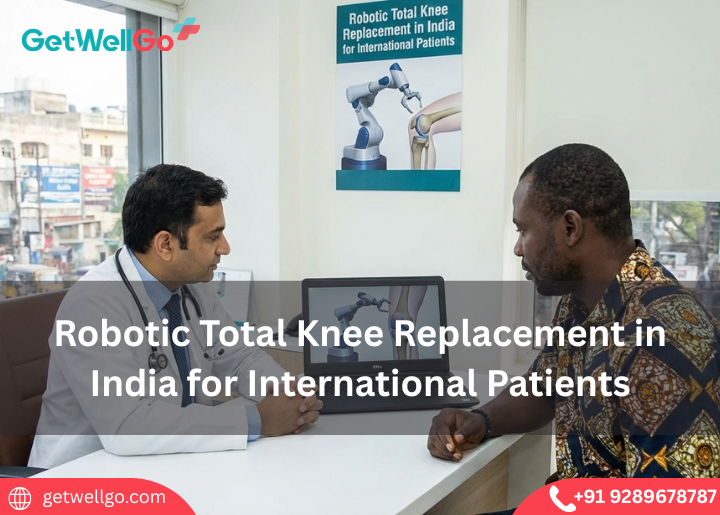
Robotic Total Knee Replacement (TKR) is a new surgical method where a surgeon plans and carries out knee joint replacement with a high level of precision with the help of computer-assisted robotic technology. The robot does not work entirely on its own - it assists the surgeon in:
This may include reduced pain, reduced hospitalization, and faster recovery as compared to traditional knee replacement.
Robotic TKR has a number of clinical benefits:
It is claimed by many surgeons that robotic precision can cut costs in the future by lowering the chances of having to undergo revision surgery.
Robotic knee replacement is indeed indicated in the patients with:
To conclude, an in-depth assessment of an expert orthopedic surgeon should be conducted to see whether robotic TKR is the most suitable option.
Here are the top factors which affect the cost of Robotic Total Knee Replacement (TKR) in India:
Type of Hospital & Location
Knowledge and Standing of the Surgeon
Technology of Robotic Systems that are utilized
Implant Type & Quality
Pre-operative Tests & Diagnostic Tests
Robot TKR typically requires meticulous 3D imaging (CT/MRI) and radiography planning scans prior to surgery - another expense to the pre-surgery cost.
Facility charges and Hospital stay
Charges depend on:
Post-operative Care Rehabilitation
Home rehabilitation, physiotherapy sessions, follow-up and pain medications are also required, which are particularly expensive to the final bill, particularly when the recovery programmes last long.
Patient-specific Factors
Total Robotic Knee Replacement (also known as robotic-assisted total knee arthroplasty) is a more progressive type of knee joint replacement surgery in which the surgeon is aided by robotic technology in the operating room to enhance the precision of the surgery, leg alignment and overall results. It is progressively applied in India and all over the globe to treat patients who have a severe knee arthritis or degeneration of the joints.
In a knee replacement, the knee joint’s old bones and cartilage are removed and replaced with artificial components (implants) to reduce pain and improve function. In knee replacement that is assisted by robots:
Pre-operative Planning:
A detailed scan (such as CT scan) generates a 3D model of your knee that allows the surgeon to determine the size of the implant, alignment and bone cuts.
Robot Guidance in Surgery:
The computerized robotic hands and trackers are used to assist the surgeon adhere to the plan - to the millimetres - of the procedure by avoiding damaging the soft tissues.
Implant Placement:
The robot assists in checking the alignment of the artificial knee parts in the most efficient way.
Post-Operative Care:
Post-operative physiotherapy and rehabilitation with the help of structure would restore strength and mobility.
It is a simple, straightforward recovery manual on Robotic Knee Replacement, with a clear picture of what really happens post-surgery on a day by day and a week by week basis.
Robotic Knee Replacement Recovery Guide:
You can:
Most people resume:
Able to:
You can do:
Robotic knee replacement is a significant development in the surgery for replacing joints which brings more accuracy, better implant positioning and more personalized treatment than traditional options. The ultimate result is often less pain, a faster early recovery and better knee function for many patients, as soft-tissue trauma is minimized and surgical precision is increased. While the technology enhances the surgical outcome, the success of the recovery ultimately depends on the abilities of the surgeon, the selection of the patient, and the commitment of the patient to post-operative physiotherapy and rehabilitation. The fee for a robotic knee replacement might be higher initially, but the gain in quality of life for so many patients in comfort, mobility and long-term joint performance makes it very much worth thinking about. Robotic knee replacement therapy offers a safe and efficient, and now more popular way for those with debilitating arthritis of the knee to experience a better quality of life and a faster return to their normal daily routines.
GetWellGo is regarded as a leading supplier of healthcare services. We help our foreign clients choose the best treatment locations that suit their needs both financially and medically.
We offer:
Cartilage Regeneration in India: Stop joint wear before it starts! We book your top sports specialist, handle the medical visa & provide a cozy stay to heal.
Read More
World Sickle Cell Day 2026: Join the fight for equity. Our Indian medical team helps Nigeria & Kenya patients access curative BMT care, visas & warm stays.
Read More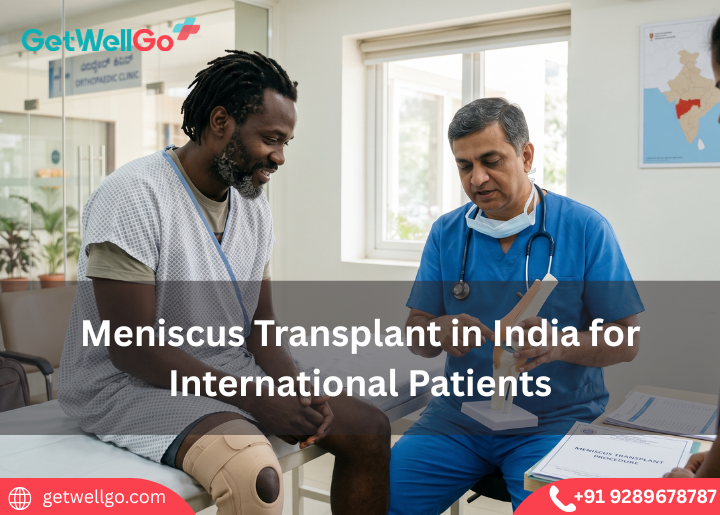
Meniscus Transplant in India: Save your knee joint and live active again! GetWellGo handles your top sports surgeon, medical visa & a cozy recovery home.
Read More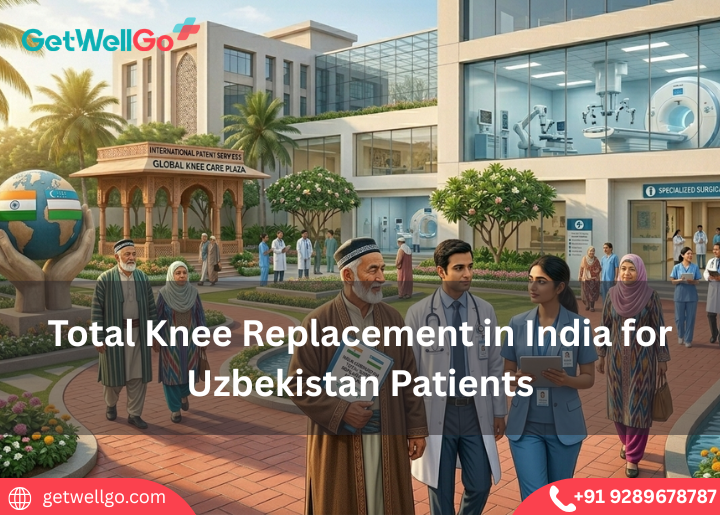
Total Knee Replacement in India for Uzbekistan Patients with robotic precision. GetWellGo handles your expert surgeon, Uzbek translator & a fast recovery home.
Read More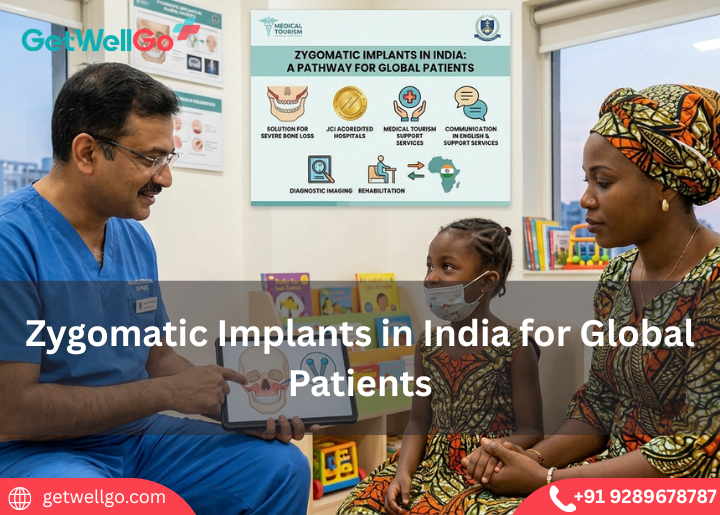
Get advanced kyphoplasty in India for spinal fractures. International patients benefit from expert care, modern hospitals, quick recovery, and affordable costs.
Read More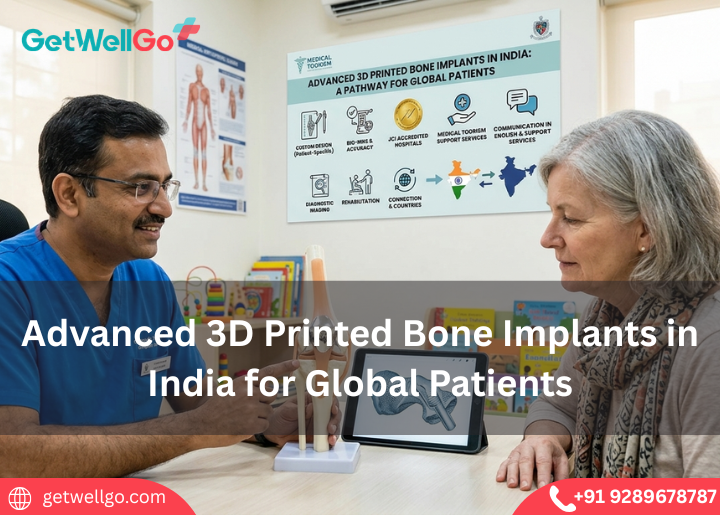
Advanced 3D Printed Bone Implants in India fit your body perfectly. GetWellGo handles your custom surgery, flight bookings, and a relaxing place to stay.
Read More
Hip sports injury in India slows you down, but we fix that. GetWellGo arranges your expert joint repair, airport rides, and a comfy room to rest.
Read More
Hip injuries in sports in India shouldn't end your game. GetWellGo books your top sports medicine doctor, visa, and safe stay so you can play again.
Read More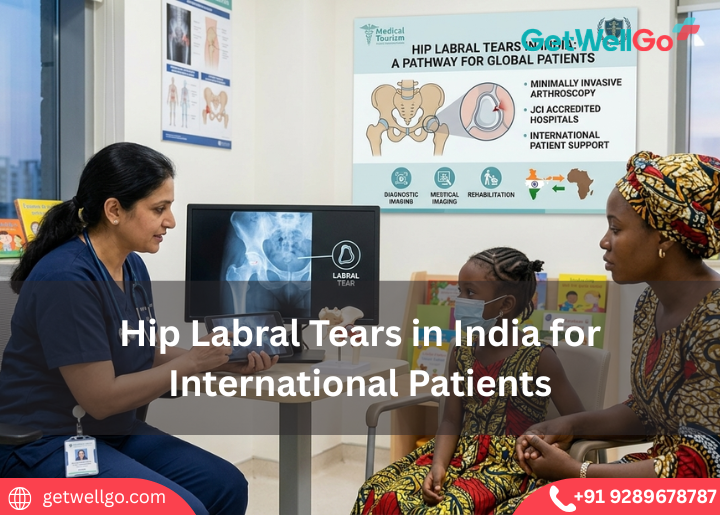
Get advanced hip labral tear care in India with skilled orthopedic surgeons, modern techniques, and cost-effective treatment for international patients.
Read More
Affordable hip dysplasia treatment in India with skilled orthopedic care, advanced procedures, and support tailored for international patients.
Read More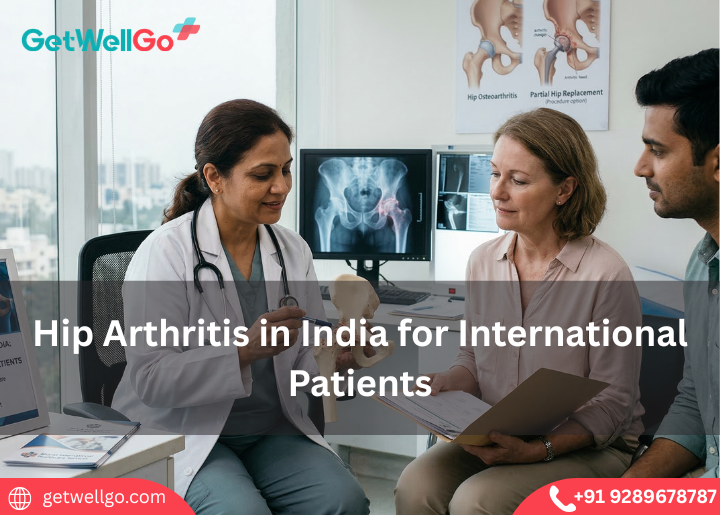
Hip Arthritis in India doesn't have to mean daily pain. GetWellGo handles your complete joint care trip, from finding top specialists to booking your hotel.
Read More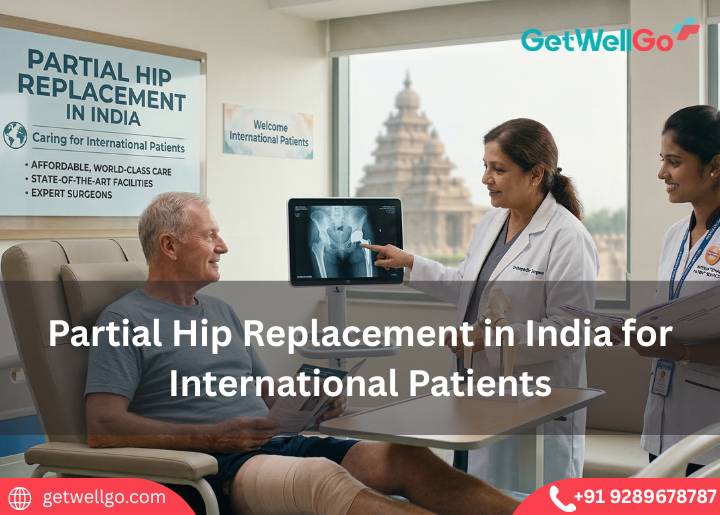
Partial Hip Replacement in India safely fixes hip fractures. We at GetWellGo handle your urgent hospital care, airport pickup, and smooth travel.
Read More