
Cartilage Regeneration in India for International Patients
Cartilage Regeneration in India: Stop joint wear before it starts! We book your top sports specialist, handle the medical visa & provide a cozy stay to heal.
Read More
Robotic Joint Replacement in India for International Patients means speed. We ensure faster healing and shorter hospital stays. Get back on your feet.
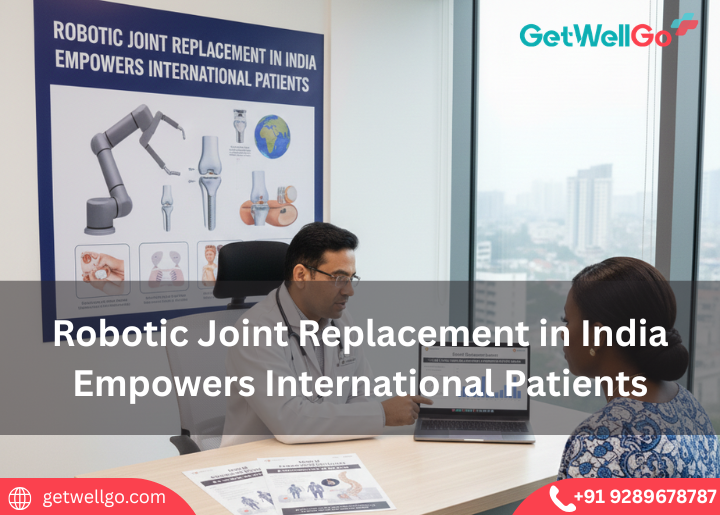
Robotic joint replacement (usually knee and hip) employs state-of-the-art robotic technology (including MAKO, ROSA, NAVIO and more) that aids orthopedic surgeons in performing the surgery. The surgeon uses these systems to generate a very precise 3D image of your bones and then you are guided to:
The robot does not work on its own, it simply aids the surgeon, and however, it allows making sub-millimeter-precise cuts and more effective planning than the traditional ones.
Why it’s becoming popular:
The following are the main variables that influence the price of robotic knee replacement surgery in India - why do the prices change depending on a patient or a hospital:
The following is a clear outline of success rate of robotic knee replacement surgery:
Based on outcome summaries:
The following is a complete guide on Robotic Joint Replacement in India among the overseas patients:
India has the cheapest robotic knee or hip replacement in the world compared to the western countries.
Most of the facilities involved in the robotic joint replacement are JCI or NABH accredited (internationally recognised quality standards) and hence have high standards and clinical safety.
Individualized Surgical Planning
The use of robot systems enables the surgeon to develop a patient-specific 3D surgical plan, which will result in a higher quality of implant positioning and possibly even the prolongation of long-term outcomes.
Dedicated Patient Support
Robotic joint replacement centers usually have:
Well-established Centers that have an international outreach
A number of hospitals and specialists in India take patients in UK, USA, Middle East, Australia and Africa among others. Surgeons are actively engaged in treating and supporting global patients in doing robotic joint operations.
Before Surgery
During Surgery
Robotic assistants in surgery are guaranteed to provide high precision when cutting bones and positioning the implants.
After Surgery
Robotic joint replacement surgery in India is gaining very high success rates and is now regarded as the best option for patients travelling from abroad. High success rate (90-98%), state of the art robotics technology, experienced orthopaedic surgeons and internationally accredited hospitals are factors that make India offer results comparable with the best healthcare systems of the world. For international patients, the combination of far lower prices, no waiting lists, and well-organized medical tourism services (visa help, coordinators, rehabilitation planning) makes the treatment journey easier and more predictable. A myriad of factors — including where you go, which surgeon you use, the kind of implant you get and what your insurance covers — can affect the total cost, and meticulous planning and clear-cut package deals can keep surprises to a minimum. In general, robotic joint replacement in India is a great combination of accuracy, safety, affordability, and patient sensitivity, and it is a good destination for people looking to get their knees or hips replaced from abroad.
GetWellGo is regarded as a leading supplier of healthcare services. We help our foreign patients choose the best treatment locations that suit their needs both financially and medically.
We offer:
Cartilage Regeneration in India: Stop joint wear before it starts! We book your top sports specialist, handle the medical visa & provide a cozy stay to heal.
Read More
World Sickle Cell Day 2026: Join the fight for equity. Our Indian medical team helps Nigeria & Kenya patients access curative BMT care, visas & warm stays.
Read More
Meniscus Transplant in India: Save your knee joint and live active again! GetWellGo handles your top sports surgeon, medical visa & a cozy recovery home.
Read More
Total Knee Replacement in India for Uzbekistan Patients with robotic precision. GetWellGo handles your expert surgeon, Uzbek translator & a fast recovery home.
Read More
Get advanced kyphoplasty in India for spinal fractures. International patients benefit from expert care, modern hospitals, quick recovery, and affordable costs.
Read More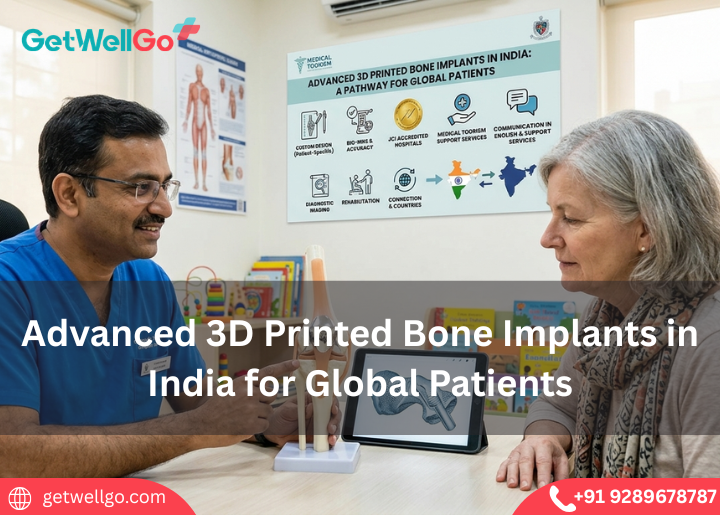
Advanced 3D Printed Bone Implants in India fit your body perfectly. GetWellGo handles your custom surgery, flight bookings, and a relaxing place to stay.
Read More
Hip sports injury in India slows you down, but we fix that. GetWellGo arranges your expert joint repair, airport rides, and a comfy room to rest.
Read More
Hip injuries in sports in India shouldn't end your game. GetWellGo books your top sports medicine doctor, visa, and safe stay so you can play again.
Read More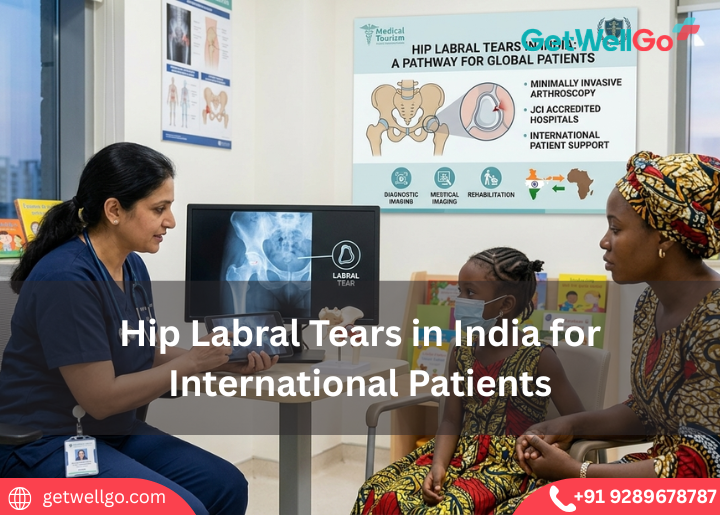
Get advanced hip labral tear care in India with skilled orthopedic surgeons, modern techniques, and cost-effective treatment for international patients.
Read More
Affordable hip dysplasia treatment in India with skilled orthopedic care, advanced procedures, and support tailored for international patients.
Read More
Hip Arthritis in India doesn't have to mean daily pain. GetWellGo handles your complete joint care trip, from finding top specialists to booking your hotel.
Read More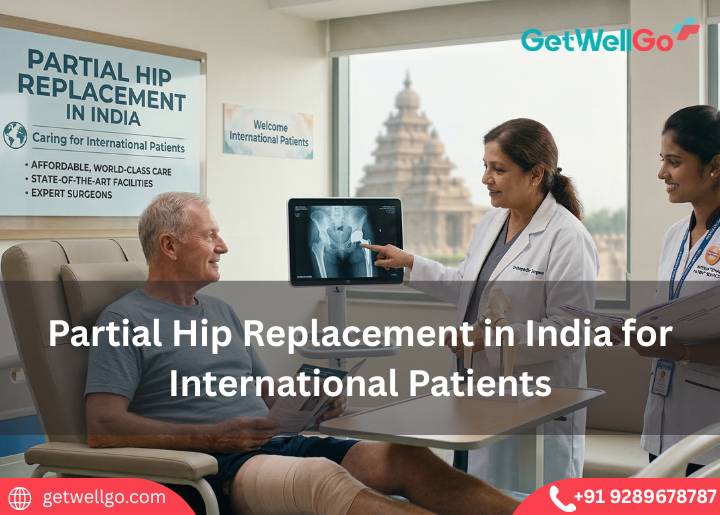
Partial Hip Replacement in India safely fixes hip fractures. We at GetWellGo handle your urgent hospital care, airport pickup, and smooth travel.
Read More