

Pediatric Heart Surgery Cost in India for Nigerian Children
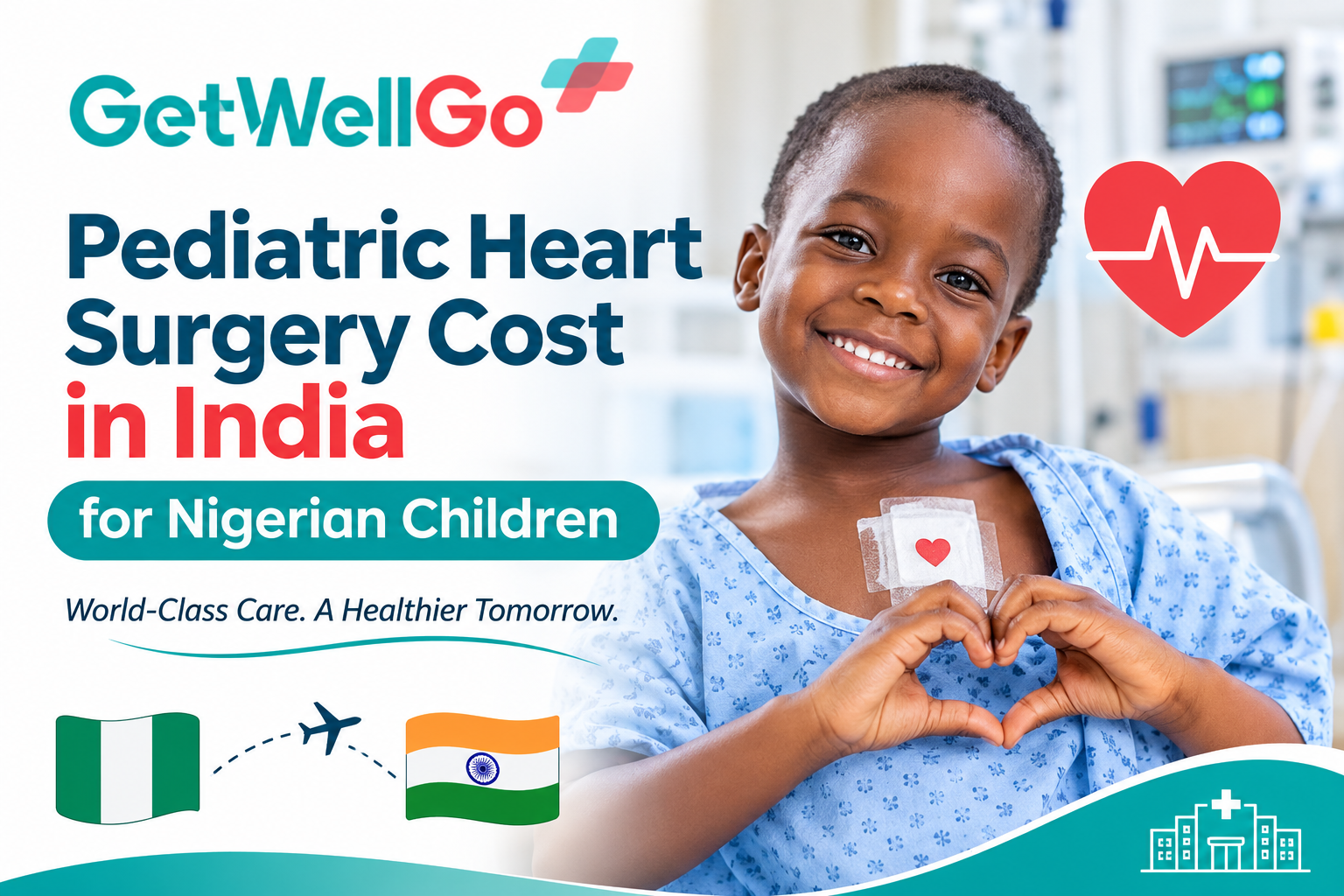
Pediatric Heart Surgery is a special treatment provided to help repair heart defects and other heart conditions in babies and children. The Pediatric Heart Surgery Cost in India can vary depending on the defect, procedure, age of the child, weight of the child, hospital, experience of the surgeon and how long the child will be in hospital. There are many specialist Paediatric Cardiac Centres in India who have experienced Cardiac Surgeons, Paediatric Cardiologists, Cardiac Intensive Care Units (CICU) and Neonatal support. For parents from Nigeria, there are many options available for your child including ASD Closure, VSD Closure, Tetralogy of Fallot Repair (TOF) and Complex Congenital Heart Surgery.
The estimated Pediatric Heart Surgery Costs in India can vary from $3,000 to $12,000 depending on the procedure. More complex procedures will be more expensive. A tailored quote will be provided once we review your child’s Echocardiogram, reports and medical history.
What is Pediatric Heart Surgery?
Pediatric Heart Surgery is performed to correct structural or functional issues in the child’s heart. This can be congenital (present at birth) or occur during childhood.
Some children are born with holes in their heart, faulty heart valves, constricted vessels or issues with their main heart arteries. Depending on the type of issues, this can impact on the blood flow, oxygen levels, growth and development of the child. Different procedures can be performed by a paediatric cardiac surgeon to help restore blood flow.
Common procedures for paediatric heart surgery
Some common procedures performed include:
-
ASD Closure – Closing a hole in the top chambers of the heart.
-
VSD Closure – Repairing a hole in the bottom chambers of the heart.
-
Tetralogy of Fallot Repair (TOF) – Correcting 4 heart issues that impact blood flow and oxygen.
-
PDA Ligation – Closing a patent ductus arteriosus (abnormal connection between 2 key blood vessels).
-
Coarctation of Aorta Repair – Correcting a constriction in the aorta.
-
Valve Repair/Replacement – Correcting faulty heart valves.
-
Arterial Switch – Complex procedure to correct transposition of the great arteries.
-
Fontan – Staged procedure for specific children with single ventricle heart conditions.
The type of surgery will depend on the diagnosis, age, symptoms and heart condition.
Open Heart Surgery and Minimally Invasive
Pediatric heart surgery can be performed in different ways:
-
Open Heart Surgery – An incision is made in the chest to allow access to the heart. A heart lung machine may be required to keep the heart beating.
-
Closed Heart Surgery – Some procedures are performed without opening the heart chambers.
-
Minimally Invasive – Specific defects can be treated with keyhole surgery.
-
Catheter Treatment – Some heart defects can be treated with a catheter inserted into a blood vessel. This includes some ASD and PDA cases.
Not all children are eligible for minimally invasive or catheter treatments. Your paediatric cardiologist and cardiac surgeon will advise you on the safest treatment.
Pediatric Heart Surgery Cost in India for Nigerian Children
The Pediatric Heart Surgery Cost in India can vary depending on the type of congenital heart defect, type of surgery, hospital and medical condition. Simple heart defects will cost less than complex neonatal heart surgery with a long stay in ICU. Below is an indication of the costs:
|
Type of surgery |
Estimated cost (USD) |
Approximate cost (NGN) |
|
ASD closure |
$2,600–5,400 |
₦3.51–7.28 million |
|
VSD closure |
$2,400–4,200 |
₦3.24–5.67 million |
|
PDA ligation |
$1,200–2,400 |
₦1.62–3.24 million |
|
Tetralogy of Fallot repair |
$3,600–6,000 |
₦4.86–8.09 million |
|
Arterial switch operation |
$3,300–5,400 |
₦4.45–7.28 million |
|
Coarctation of aorta repair |
$1,800–3,600 |
₦2.43–4.86 million |
|
Fontan procedure |
$3,000–6,000 |
₦4.05–8.09 million |
|
Complex congenital heart surgery |
$6,000 onwards |
₦8.09 million onwards |
What is included in the surgery?
Depending on the hospital and package, the following may be included:
-
Initial paediatric cardiologist consultation.
-
Investigations and imaging.
-
Cardiac surgeon and anaesthetist.
-
Operating Theatre and surgical costs.
-
Heart Lung machine if required.
-
Paediatric Cardiac ICU stay.
-
Hospital room.
-
Medicines.
-
Post-op monitoring and consultations.
Please confirm if all medicines, bloods, supplies and ICU are included.
Extra costs for Nigerian patients
There may be extra costs if your child requires a longer stay in hospital, emergency treatment or post-op complications. Nigerian families will also need to consider:
-
Medical Visas for the child and parents.
-
Flights back from Nigeria to India.
-
Accommodation.
-
Food and local transport.
-
Extra medication.
-
Longer ICU/hospital stay.
-
Follow up consultations and investigations.
What affects the cost?
The final cost of the Pediatric Heart Surgery in India can depend on:
-
Type and severity of the congenital heart defect.
-
Age and weight of the child.
-
If your child is a newborn, baby or older child.
-
If open or closed heart surgery is required.
-
Complexity of the procedure.
-
Multiple defects to be corrected.
-
Experience of paediatric cardiac surgeon.
-
Facilities and location of hospital.
-
Length of time in ICU/hospital.
-
Post-op complications and extra treatment.
Children with complex congenital heart defects may require staged operations and multiple procedures. This can increase the overall cost of the treatment.
Who needs Pediatric Heart Surgery?
Children with congenital heart defects may require surgery depending on the type of defect, severity and impact on blood flow.
Some heart defects are minor and will not require treatment. Others can impact on oxygen supply, function of the heart, growth and development. Your paediatric cardiologist will assess your child and advise if surgery, catheter treatment, medication or monitoring is required.
Common symptoms of congenital heart defects
Your child may experience:
-
Blue tinge to lips, tongue and skin (Cyanosis)
-
Difficulty breathing.
-
Poor feeding especially in babies.
-
Sweating.
-
Poor weight gain and growth.
-
Frequent chest infections.
-
Fatigue.
-
Swelling in the legs, stomach and/or other areas.
-
Fast heartbeat.
Some children will not show obvious symptoms at an early age. They may be diagnosed during routine checks.
Common conditions requiring surgery
Some common congenital heart conditions that may require surgery include:
-
Atrial Septal Defect (ASD) – Hole in top chambers of the heart. Can cause too much blood to flow to the lungs.
-
Ventricular Septal Defect (VSD) – Hole in bottom chambers of the heart. Large VSDs can cause difficulty breathing, poor growth and heart failure.
-
Tetralogy of Fallot (TOF) – 4 heart issues which can cause reduced oxygen supply and cyanosis.
-
Patent Ductus Arteriosus (PDA) – Blood vessel doesn’t close after birth. Causes abnormal blood flow.
-
Transposition of the Great Arteries (TGA) – 2 main arteries coming from the heart is incorrectly attached. Impacts oxygen flow.
-
Coarctation of the Aorta – Narrowing of the aorta. Makes blood flow difficult.
-
Total Anomalous Pulmonary Venous Connection (TAPVC) – Abnormal connection of pulmonary veins. Stops oxygen rich blood flowing properly.
What age can children have heart surgery?
There is no specific age that children can have paediatric heart surgery. Some congenital heart defects will require surgery soon after birth whilst others can be treated during infancy or childhood.
This will depend on:
-
Type of heart defect.
-
Severity of symptoms.
-
Oxygen levels.
-
Function of heart and lungs.
-
Weight and general health.
-
Risk of delay.
Some newborns will require emergency treatment due to severe congenital heart conditions. Other children will be monitored until they are the right age and weight.
Can newborn babies have heart surgery?
Yes! Newborn heart surgery can be performed at specialist paediatric cardiac centres. This requires experienced paediatric cardiac surgeons, neonatal anaesthetists, cardiac intensivists and specialised nursing staff. A full assessment will be performed to ensure the safest treatment and timing of surgery.
Investigations required before Pediatric Heart Surgery
Before recommending surgery, your paediatric cardiologist and cardiac surgeon will perform a thorough assessment.
Common investigations include:
Echocardiography
Echocardiogram (2D echo with Doppler) uses ultrasound to help assess the heart.
This can help identify:
-
Hole in the heart.
-
Size of heart chambers.
-
Faulty valves.
-
Blood flow.
-
Pump function.
-
Pulmonary artery pressure.
Electrocardiogram (ECG)
An ECG can help identify abnormal rhythms.
Chest X-Ray
A chest x-ray may be recommended to assess the size of the heart and check lungs.
CT/MRI
Some children will require advanced imaging to fully understand the complex heart anatomy, vessels and connections.
Cardiac Catheterisation
Some children may require cardiac catheterisation to measure pressures within the heart.
Blood Tests
Common investigations include:
-
Full blood count.
-
Blood group and cross match.
-
Renal function.
-
Liver function.
-
Coagulation.
-
Electrolytes.
-
Screening for infections.
Exact investigations may vary depending on your child’s condition and operation.
What happens during Pediatric Heart Surgery?
This will depend on the type of heart defect and operation recommended.
Specialist Assessment & Diagnosis
Your child will be assessed by a paediatric cardiologist and cardiac surgeon. Previous medical reports, echo and symptoms will be reviewed to determine what treatment is needed.
The specialists will explain if your child will need surgery and what benefits and risks there may be.
Preparation
Your child will have the necessary investigations and anaesthetic assessment. They will also be assessed for their nutritional status, weight, oxygen levels and any other medical issues.
Anaesthetic
General anaesthetic will be given to help your child sleep and feel no pain.
Correcting the issue
The surgeon will perform the necessary operation to correct the issue.
In most cases an incision will be made in the chest. If open heart surgery is required, a heart lung machine will be used to help pump blood whilst the surgeon corrects the issue.
Depending on the issue, the surgeon may repair a hole, faulty valve, reconstruct blood vessel or abnormal connection.
Paediatric Cardiac ICU
After surgery your child will be moved to the paediatric cardiac intensive care unit (CICU). The medical team will monitor:
-
Heart rate and rhythm.
-
Blood pressure.
-
Oxygen levels.
-
Breathing and lung function.
-
Fluid balance.
-
Kidney function.
-
Signs of infection and bleeding.
Some children may require support from a ventilator.
Recovery and Discharge
Once your child is stable they will slowly transition from intensive care to a standard hospital room.
The doctors will monitor your child’s feeding, movement, wound healing and heart function. The total length of stay in hospital will depend on the complexity of surgery.
Success Rate of Pediatric Heart Surgery
The success rate of paediatric cardiac surgery can depend on the diagnosis, age, weight, nutritional status, any underlying medical issues and complexity of the operation. Many children will see a large improvement in their heart function, oxygen levels, growth and physical activity following a successful surgery. However, there is not a specific success rate for each type of congenital heart defect.
What affects success?
Key factors include:
-
Type and complexity of heart defect.
-
Newborn or older child.
-
Underlying lung/organ issues.
-
Nutritional status and weight.
-
Pulmonary artery pressure.
-
Experience of cardiac surgeon.
-
Specialist paediatric cardiac ICU facilities.
-
Monitoring.
Can children live a normal life after heart surgery?
Many children can return to school, playing and physical activities after a successful treatment. However, some children will take longer to recover and may require medication, regular check-ups or further procedures.
What are the risks?
As with all major operations there are risks involved with paediatric heart surgery.
Possible risks include:
-
Bleeding.
-
Infection.
-
Abnormal heart rhythms.
-
Blood clots.
-
Lung issues.
-
Kidney issues.
-
Neurological issues.
-
Heart issues.
-
Further surgery.
The cardiac team will explain the risks depending on your child’s condition and the operation.
Best Hospitals for Pediatric Heart Surgery in India
There are many hospitals in India who offer specialist paediatric cardiology and cardiac surgery. This can include treatment for congenital heart defects, neonatal heart issues, complex heart abnormalities and acquired heart disease. When searching for the best hospital for pediatric heart surgery in India, it is important to consider the experience of the hospital with your child’s specific heart condition.
Hospitals to consider
-
Artemis Hospital offers a dedicated paediatric cardiology and cardiac surgery department. They treat ASD, VSD, TOF, TAPVC, TGA and complex congenital heart defects.
-
Medanta – The Medicity offer paediatric cardiology and cardiac surgery. They can perform paediatric open heart surgery. They can treat cyanotic congenital heart conditions.
-
Max Hospital Gurugram offer dedicated paediatric cardiac surgery. They have specialist assessment for congenital heart conditions.
-
FMRI Gurugram offer paediatric echocardiograms. They can assess ASD and VSD. They can assess Tetralogy of Fallot.
How to choose the best hospital?
Consider the following when choosing the best hospital for paediatric heart surgery:
-
Experience treating the specific congenital heart defect.
-
Number and types of paediatric cardiac surgeries performed.
-
Experience with neonatal and infant heart surgery.
-
Paediatric cardiac surgeons available.
-
Dedicated paediatric cardiac ICU.
-
Neonatal ICU available.
-
Paediatric cardiac anaesthetic support.
-
Emergency and complication management.
-
Rehabilitation.
Recovery after Pediatric Heart Surgery
This will depend on the type of surgery, age of the child, severity of heart condition and any post-op complications. Some children will recover quicker from simple procedures.
Recovery in hospital
Your child will initially be monitored in the paediatric cardiac ICU.
The medical team will monitor your child’s heart function, breathing, oxygen levels, blood pressure and other vital signs. Some children may require support from a ventilator, IV medication and feeding. Once your child is stable they will be transferred to a standard hospital room.
Feeding and activity
Your child will slowly return to feeding and normal activity as advised by the medical team. You may be advised to:
-
Feed your child as recommended.
-
Give medication as prescribed.
-
Avoid any activity that puts strain on the wound.
-
Keep the wound clean.
-
Monitor temperature and breathing.
-
Attend follow up appointments.
Children that have had complex surgery may require nutritional support and rehabilitation.
Long term follow up
Regular follow up is important to monitor heart function and identify any late complications. Your paediatric cardiologist may recommend:
-
Echocardiogram.
-
ECG.
-
Medication changes.
-
Growth and nutritional assessment.
-
Monitoring heart rhythm.
-
Exercise tolerance.
-
Further cardiac treatment.
Nigerian parents should ask for a discharge summary, operation notes, investigation reports and medication instructions. The hospital providing treatment should provide a follow up plan which can be continued with a cardiologist in Nigeria.
FAQs
-
How much does Pediatric Heart Surgery Cost in India for Nigerian children?
The estimated cost of paediatric heart surgery in India can vary from $3,000 to $12,000 depending on the heart defect, type of surgery, hospital and time in ICU. More complex procedures may be more expensive.
-
What is the best hospital for pediatric heart surgery in India?
There are many hospitals in India offering specialist paediatric cardiac treatment. These include Artemis hospital, Medanta-The Medicity, FMRI and Max hospitals. The best hospital will depend on your child’s diagnosis, what treatment is required, experience of surgeon and ICU facilities.
-
What is the minimum age a child can have heart surgery?
There is no set minimum age. Some newborns will require heart surgery shortly after birth. Others may have surgery during infancy or later in childhood. This will depend on the heart defect and severity.
-
Is paediatric heart surgery safe?
Paediatric heart surgery is performed by specialist cardiac teams. Many children will have a good outcome however there are risks involved. These can include bleeding, infection, abnormal heart rhythms and organ issues. Risks will depend on your child’s condition and complexity of surgery.
-
How long will my child be in hospital?
This will depend on the procedure and recovery. Children having simple open heart surgery may be in hospital for around 5-10 days. Complex procedures may require longer in hospital.
-
Can children live a normal life after heart surgery?
Yes! Many children can return to school, playing and normal activities after successful surgery. Some children may require long term medication, regular monitoring or further procedures.
-
What documents are required for Nigerian children travelling to India for heart surgery?
Common documents required are:
-
Passport and birth certificate for child.
-
Passport details for parents.
-
Medical reports and echo.
-
Previous treatment history.
-
Letter from hospital inviting or booking treatment.
-
Medical visa documentation.
-
Financial and travel documents.
-
Do I always need open heart surgery for congenital heart defects?
No. Some congenital heart defects can be treated with catheter procedures. Some may require open heart surgery. Minor defects may only require regular monitoring.
-
How long should Nigerian parents stay in India?
This will depend on the surgery, length of stay in hospital and recovery. Parents may need to stay in India for a few weeks, especially if the surgery was complex. Your surgeon should confirm when it is safe for your child to travel.
-
Can GetWellGo help Nigerian parents find paediatric heart surgery in India?
Yes! We can help Nigerian families find the right paediatric cardiologist, cardiac surgeon and hospital in India. We can help share medical reports, consultations, treatment estimates, medical visas, accommodation and hospital.
Recent Blogs
How Nigerian Patients Can Arrange a Bone Marrow Transplant in India
Read More
What Medical Reports Are Needed Before Travelling to India for Cancer Treatment?
Read More
How Can International Patients Arrange Online Consultations with Indian Doctors?
Read More
How to Choose the Best Hospital in India from Nigeria
Read More
How to Apply for an Indian Medical Visa from Nigeria
Read More
Does Bone Marrow Transplant Cure Sickle Cell? A Guide for Nigerian Patients
Where is bone marrow located, and why does it matter? Discover its role in your body and why Nigerian patients should understand it. Learn more inside.
Read More
Pediatric Cardiology in India at Max Hospital: A Guide for Nigerian Parents
A complete guide to pediatric cardiology in India, covering Max Hospital's child heart care, specialists, costs, and what Nigerian parents should expect.
Read More
Best Kidney Transplant Hospital in India for Ethiopian Patients
We help Ethiopian patients find the best kidney transplant hospital in India — expert surgeons, visa support & affordable packages. Free consultation today.
Read More
Mesothelioma cancer in India for Uzbekistan Patients
Mesothelioma cancer in India for Uzbekistan Patients with advanced care. GetWellGo handles your thoracic specialist, Uzbek translator, and a safe recovery stay.
Read More
Life after cancer treatment in India for International Patients
Discover recovery, rehab, and follow-up care after cancer treatment in India, ensuring a smooth transition to a healthier life for international patients.
Read More
Cancer treatment cost India for International Patients
Explore affordable cancer treatment costs in India for international patients with quality care, advanced hospitals, and expert specialists.
Read More