
Life after cancer treatment in India for International Patients
Discover recovery, rehab, and follow-up care after cancer treatment in India, ensuring a smooth transition to a healthier life for international patients.
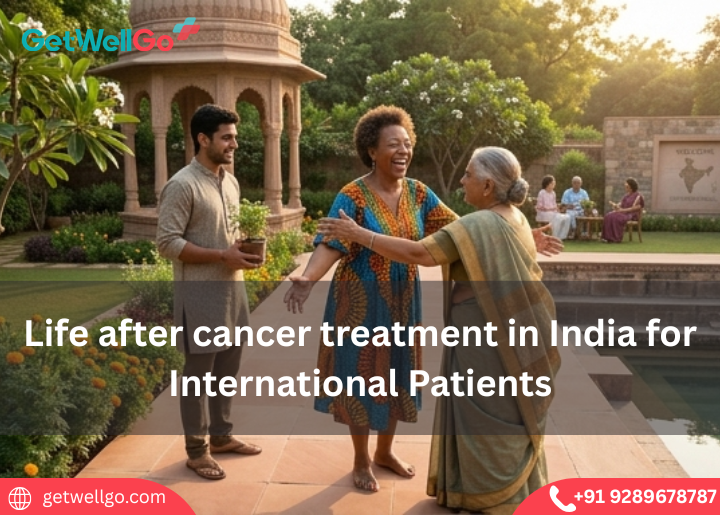
Once your cancer treatments have been completed, it is important to receive ongoing medical care. International patients travelling to India for cancer treatment may require ongoing medical care such as:
-
Consultations
-
Tests
-
Medication
-
Rehabilitation.
The type of cancer you have, the stage of cancer, treatment received and general fitness can determine how you will feel after. Some patients may require regular follow up while others may require further treatment, rehabilitation and long term medication.
If you are receiving cancer treatment in India, it is important to understand what will happen once you have completed treatments such as chemotherapy, radiotherapy, immunotherapy, targeted therapy or surgery. This will allow you to plan your follow up care.
GetWellGo can help with follow up care for international patients, including consultations, medical reports, organisation of follow up, accommodation and travel. We can also help you get in contact with your specialists in India.
What Happens After Cancer Treatment?
Once your cancer treatments have been completed, you will enter the follow up and recovery stage. During this stage, your doctor will monitor your recovery, check for signs of recurrence and manage any side effects. You may be advised by your oncologist to:
-
Attend regular follow up consultations
-
Have blood tests and other investigations
-
CT/MRI/PET-CT scans
-
Monitor for cancer recurrence
-
Take medication
-
Receive nutritional advice
-
Rehabilitation
-
Psychological/Emotional support
-
Monitor for long term side effects.
Depending on your cancer, the stage of cancer, treatment and recovery, you may not all require the same follow up.
Recovery After Different Cancer Treatments
Recovery can vary depending on the treatment you receive. Some patients may only require a few weeks of recovery while others may require months of rehabilitation.
Recovery After Chemotherapy
Chemotherapy uses anti-cancer drugs to kill or slow the growth of cancer cells. This can cause side effects in healthy cells too. Common side effects include:
-
Fatigue
-
Nausea
-
Hair loss
-
Loss of appetite
-
Taste change
-
Low blood count
-
Increased risk of infection
-
Numbness/Tingling in hands and feet.
Most side effects will improve over time however some may take longer. Your oncologist may advise you to have regular blood tests to monitor your blood count, kidney and liver function. Some patients may require further medication, nutritional support and management of ongoing side effects.
Recovery After Radiotherapy
Radiotherapy uses high energy radiation to kill cancer cells. Common side effects will depend on the area being treated, strength of radiation and duration of treatment. Common side effects include:
-
Fatigue
-
Skin irritation
-
Pain at the site being treated
-
Changes in bowel function
-
Urinary issues
-
Difficulty swallowing depending on area being treated
-
Dryness/Irritation at site.
Many side effects will improve within a few weeks however some patients may experience long term changes. It is important to attend follow up appointments to monitor how you are recovering from radiotherapy.
Recovery After Cancer Surgery
Cancer surgery involves removing tumour or affected tissue. Recovery will depend on the cancer surgery you had, the organ and whether further treatment is required. You may require:
-
Wound care
-
Pain management
-
Physio
-
Nutritional support
-
Monitor for infection
-
Further imaging/investigations
-
Gradually return to daily activities.
Those undergoing major surgery such as lung, colorectal, liver or breast cancer may require further rehabilitation. Your surgeon will advise you when you can return to normal activities and travel internationally.
Recovery After Immunotherapy
Immunotherapy helps the immune system identify and fight cancer cells. Some patients may require ongoing immunotherapy after their initial treatment or as maintenance therapy. Common side effects include:
-
Fatigue
-
Rashes
-
Diarrhoea
-
Thyroid issues
-
Joint pain
-
Inflammation to lungs/liver/other organs.
Some patients may experience immune related side effects even after they have completed treatment. If you start experiencing any new symptoms, please speak to your oncologist and attend any recommended follow up appointments.
Recovery After Targeted Therapy
Targeted therapy uses medication to target specific proteins or pathways involved in cancer growth. Depending on the medication you are prescribed, you may experience:
-
Rashes
-
Diarrhoea
-
Fatigue
-
High blood pressure
-
Abnormal liver function
-
Abnormal blood count.
Your oncologist may advise regular blood tests and investigations.
Follow Up After Cancer Treatment in India
It is important to attend follow up appointments once you have completed your cancer treatment in India. This allows your doctors to monitor your recovery, how you are responding to treatment and any complications. How often you attend follow up will depend on your cancer diagnosis and treatment.
Common follow ups include:
Consultation with Oncologist
You may require regular follow up consultations with your Medical Oncologist, Surgical Oncologist or Radiation Oncologist. During this appointment, they may:
-
Monitor your recovery
-
Ask about any new symptoms
-
Ask about any side effects from treatment
-
Review any previous investigations
-
Advice further tests
-
Decide if further treatment is required.
Some follow up may be done online once you are back in your home country.
Blood Tests
You may be advised to have blood tests to monitor your general health and any complications from treatment. This can include:
-
Full blood count (FBC)
-
Liver Function Test (LFT)
-
Kidney Function Test (KFT)
-
Electrolytes
-
Tumour Markers (if applicable)
-
Other cancer related blood tests.
Not all cancers can be monitored using tumour markers. Your oncologist will decide what tests are required.
Investigations
You may be advised to have investigations to monitor how you are responding to treatment and for any recurrence. Common investigations include:
-
CT Scans
-
MRI Scans
-
PET-CT Scans
-
Ultrasounds
-
X-rays.
Not all patients will require regular PET-CT or CT scans. This will depend on your cancer diagnosis.
Cancer Recurrence
Cancer recurrence means cancer coming back after treatment. This can occur in the same area, nearby tissues or other organs. Attending regular follow up will allow your doctors to look for any suspicious changes. If any are found, they will investigate.
If you are experiencing any symptoms including unexplained weight loss, persistent pain, abnormal bleeding, new lumps, persistent cough or changes to your bowel/bladder function, please let your doctor know.
Not all of these symptoms will mean cancer has recurred however they should be investigated medically.
How Often Should I See My Oncologist After Cancer Treatment?
How often you attend follow up will depend on the cancer you have, the stage and treatment received. Some patients may require more frequent follow up in the first few years. A general follow up schedule may look like:
|
Period After Treatment |
Follow-Up Care |
|
First 3–6 months |
Initial assessment, recovery monitoring and review of treatment response |
|
6–12 months |
Regular consultations and investigations when required |
|
1–2 years |
Continued monitoring and cancer-specific surveillance |
|
3–5 years |
Periodic follow-up based on recurrence risk |
|
Beyond 5 years |
Long-term monitoring when recommended |
This is a general guide as some cancers will require more frequent monitoring and others will require follow up for life.
Life After Cancer Treatment
Some patients will experience long term side effects after completing cancer treatment. These can impact your physical health, emotional wellbeing and daily activities.
Fatigue
One of the most common issues after cancer treatment is fatigue. You may feel fatigued after you have rested. To help with this you can:
-
Gradually increase activity
-
Ensure you have enough sleep
-
Eat a balanced diet
-
Monitor for anaemia
-
Manage underlying medical issues.
Peripheral Neuropathy
Some chemotherapy medications can cause damage to your peripheral nerves. This can lead to numbness, tingling, burning and weakness in your hands and feet. If you are experiencing any of these symptoms, please let your doctor know. You may be advised medication, physio and supportive care.
Lymphedema
Lymphedema is when there is swelling due to a buildup of lymph fluid. This can occur after certain cancer surgeries or radiotherapy. Management can include:
-
Compression garments
-
Specialist physio
-
Lymphatic drainage
-
Exercise
-
Skin care.
Hormonal Issues
Some cancer treatments can impact hormone production and fertility. You may experience early menopause, infertility, sexual health issues or thyroid issues. Depending on your cancer and treatment, your doctor may advise hormone testing and supportive care.
Digestive and Bladder Issues
Some cancer treatments can impact your digestion, bladder and bowels. You may experience:
-
Constipation
-
Diarrhoea
-
Urge to pee
-
Discomfort
-
Changes to appetite.
Diet changes, medication and specialist review can help with these symptoms.
Emotional Wellbeing
Cancer treatment can be emotionally challenging for some. You may experience anxiety, depression, fear of recurrence or difficulty returning to your normal life. You may benefit from:
-
Counselling
-
Support groups
-
Stress management
-
Family support
-
Mental health consultations.
Emotional wellbeing is an important aspect of life after cancer treatment.
Nutrition and Healthy Lifestyle
It is important to maintain a healthy lifestyle to aid recovery. Your doctor/dietician may advise you to have a personalised diet and activity plan.
Healthy Eating
-
Fresh fruit and vegetables
-
Wholegrains
-
Protein
-
Healthy fats
-
Enough fluids.
Protein can include eggs, fish, dairy, lentils, beans and other foods depending on your medical condition. Those who have had gastrointestinal surgery or have difficulty swallowing may require a specialist diet.
Activity
Getting regular activity can help improve your strength, mobility and energy. Depending on how you are recovering you may be able to:
-
Walk
-
Do gentle stretches
-
Breathing exercises
-
Physio
-
Light strength exercises.
-
Avoid doing any strenuous exercise until your treating doctor has confirmed it is safe for you to do so.
Avoid Smoking and Alcohol
Smoking can increase your risk of several cancers and other complications. You are generally advised to stop smoking. Speak to your treating doctor about drinking alcohol, especially if you have liver issues or are on medication.
Maintain Healthy Weight
Maintaining a healthy weight can help improve your general health and reduce your risk of certain long term health issues. Your doctor may advise you to make some diet changes and activity depending on your nutritional status and recovery.
Returning Home after Cancer Treatment
If you are an international patient travelling to India for cancer treatment, it is important to plan your return. Speak to your treating doctor to ensure you are fit to travel. Consider:
-
Are you finished with your treatment?
-
Are your blood levels appropriate?
-
Have you fully recovered from surgery?
-
Are you currently suffering from any infections?
-
Do you require oxygen or any medical assistance?
-
Are you able to manage your medication?
-
Do you have a follow up appointment?
If you have recently had major surgery, chemotherapy or radiotherapy you may need to wait. Your treating specialist will advise you when it is appropriate to fly.
Medical Records to Collect Before Returning Home
Before you leave India, international patients should obtain copies of their medical records. This can include:
-
Final diagnosis and staging
-
Biopsy reports
-
Histopathology
-
IHC
-
Molecular and Biomarker testing
-
Surgery notes
-
Discharge summary
-
Chemotherapy records
-
Radiotherapy summary and radiation dose
-
Recent blood tests
-
CT, MRI and PET-CT
-
Prescriptions
-
Follow up advice.
Those who have had radiotherapy should ask for their radiation details including the dose and area treated. This will help your doctors understand the treatment you have had in India.
Continuing Cancer Care
Once you return home, you should continue your follow up with a local oncologist or cancer specialist. Your doctor in India may advise you on a follow up plan which can be given to your local team. This can include:
-
Recommended follow up dates
-
Blood tests
-
Investigations
-
Medication
-
Monitoring for side effects
-
Signs to be concerned about
-
Further treatment.
Some patients may require further chemotherapy, immunotherapy, targeted therapy or hormone treatment. This can be coordinated between your Indian hospital and local treating specialist.
When to Contact Your Oncologist
If you have completed your cancer treatment, you should not ignore any new or unusual symptoms. Please seek medical advice if you experience any of the following:
-
Persistent/Worsening pain
-
Unexplained weight loss
-
Abnormal bleeding
-
New lumps/swelling
-
Persistent fever
-
Difficulties breathing
-
Changes to bowel/bladder function
-
Severe fatigue
-
Persistent vomiting/diarrhoea
-
New neurological symptoms.
Some symptoms may require urgent medical attention. If you have any difficulties breathing, severe bleeding, confusion or sudden weakness please do not wait until your next follow up appointment.
Cost of Cancer Treatment in India and Post Treatment Costs
The cost of cancer treatment in India will depend on your cancer type, stage, hospital, combination of treatments and length of treatment. However, you should also consider any post treatment costs. This can include:
-
Follow up
-
Blood tests
-
CT/MRI/PET-CT
-
Medication
-
Rehabilitation
-
Physio
-
Nutritional support
-
Managing complications
-
Further chemotherapy/immunotherapy.
The approximate costs of some post-treatment services are provided below.
|
Post-Treatment Service |
Approximate Cost (USD) |
|
Oncologist follow-up consultation |
$20–$60 |
|
Complete Blood Count (CBC) |
$5–$15 |
|
Liver and Kidney Function Tests |
$15–$40 |
|
CT Scan |
$100–$250 |
|
MRI Scan |
$150–$350 |
|
PET-CT Scan |
$400–$900 |
|
Physiotherapy session |
$10–$30 |
|
Nutritional consultation |
$20–$50 |
Overall, if you require further treatment, long term medication or managing complications the overall cost of cancer treatment in India may be higher. International patients should ask for an accurate breakdown of the treatment cost and what is included. Any follow up costs may be extra.
How GetWellGo Can Help
Completing cancer treatment abroad can be challenging. GetWellGo can help international patients with their cancer treatment. We can help with:
-
Review of medical reports
-
Coordination with your oncologists
-
Online follow up consultations
-
Obtaining medical reports
-
Understand post treatment advice
-
Further investigations
-
Advice on medication and follow up
-
Accommodation during treatment
-
Airport transfers
-
Translation
-
Travel assistance
-
Post treatment follow-up.
We can also help you obtain a second opinion. You can send us your medical reports and discharge summary.
Why Is Follow Up Important?
Follow up is an important part of cancer treatment. Once you have completed your chemotherapy, radiotherapy or surgery it does not always mean your medical care is finished. Regular follow up will help your doctors monitor how you are responding to treatment, look for any recurrence and manage long term side effects. For international patients it is important to plan your follow up before leaving India. Having your medical reports, prescriptions and clear follow up will allow you to continue with your recovery in your home country. GetWellGo can help international patients by coordinating with hospitals and specialists in India.
FAQs
-
What happens after completing cancer treatment in India?
Generally you will enter a follow up and recovery stage. This can include regular consultations with your oncologist, blood tests, investigations, medication, rehabilitation and monitoring for recurrence.
-
How long will I take to recover?
This will depend on what cancer you have, what treatment you have had and your general health. Some patients will recover within a few weeks whilst others may require several months.
-
Will I require regular follow up?
Yes, most cancer patients will require regular follow up. How often will depend on what cancer you have, stage, response to treatment and risk of recurrence.
-
Can I return to my home country straight away?
Not always. Your doctor will need to check you are fit to travel. This can depend on how you are recovering from surgery, your blood levels, risk of infection and any side effects from treatment.
-
Can I have online consultations with my oncologist in India?
Many hospitals and specialists offer online follow up. You can send across your medical reports to discuss how you are recovering, medication and further investigations.
-
What medical reports should I get?
You should get a copy of your biopsy reports, histopathology, IHC, investigations, discharge summary, surgery notes, chemotherapy records, radiotherapy details, prescriptions and follow up.
-
Can cancer come back?
Yes, some cancers can come back. This depends on what cancer you have, stage, tumour features and how you are responding to treatment. Regular follow up will allow your doctors to monitor for any potential recurrence.
-
Will I require further chemotherapy?
Not always. Some patients will complete their planned chemotherapy in India whilst others may require further cycles or maintenance. Your oncologist will decide based on your diagnosis and response to treatment.
-
How much will follow up cost?
This will depend on what follow up you require. An oncology consultation may cost around $20-$60. Investigations such as CT/MRI/PET-CT may be more expensive.
-
Is follow up included in the cost of cancer treatment in India?
Not always. Some hospitals may include an initial follow up consultation in their package. Additional consultations, investigations and medication may incur extra charges. Please check with the hospital.
-
Can I continue my cancer medication?
Yes, in many cases. Your oncologist in India can give you a prescription and treatment summary for your local doctor. Please confirm with your specialist that the medication is available and suitable.
-
What should I eat?
To aid your recovery you may want to eat a balanced diet with enough protein, fruit, vegetables, wholegrains and fluids. Your diet should be altered based on what cancer you have, side effects from treatment and nutritional requirements.
-
Can I do any exercise?
Yes, many patients will be able to gradually return to activity. Walking, stretching and physio can help improve your strength and energy. Please ensure your treating doctor approves.
-
Can GetWellGo help me with follow up?
Yes, we can help international patients with online consultations, medical reports, follow up, specialist coordination and ongoing communication with the hospitals in India.
-
How can I manage cancer treatment once I return to my country?
Arrange follow up with a local oncologist, ensure you have all of your medical reports, follow your medication and any investigations. Your specialist may also be able to offer online consultations.
Expert Advice on Life after Cancer Treatment in India
After completing cancer treatment, there are many aspects to consider. Regular follow up, managing any side effects, eating a healthy diet and monitoring for recurrence are all important aspects of long term cancer care. International patients should ensure they have a clear recovery plan in place. This should include obtaining medical reports, understanding what medication you require and arranging follow up consultations with your specialists. GetWellGo can help international patients by:
-
Coordinating follow up with your oncologists in India
-
Obtaining medical reports
-
Understanding post treatment advice
-
Arranging further investigations
-
Finding specialists for ongoing cancer care
-
Understanding follow up costs and cancer treatment costs in India
-
Coordinating online consultations
-
Arranging accommodation and travel if further treatment is required.
Recent Blogs

Online Doctor Consultation in India for Nigerian Patients
Read More
What Is the Difference Between HLA-A, HLA-B and HLA-DR?
Read More
How Nigerian Patients Can Arrange a Bone Marrow Transplant in India
Read More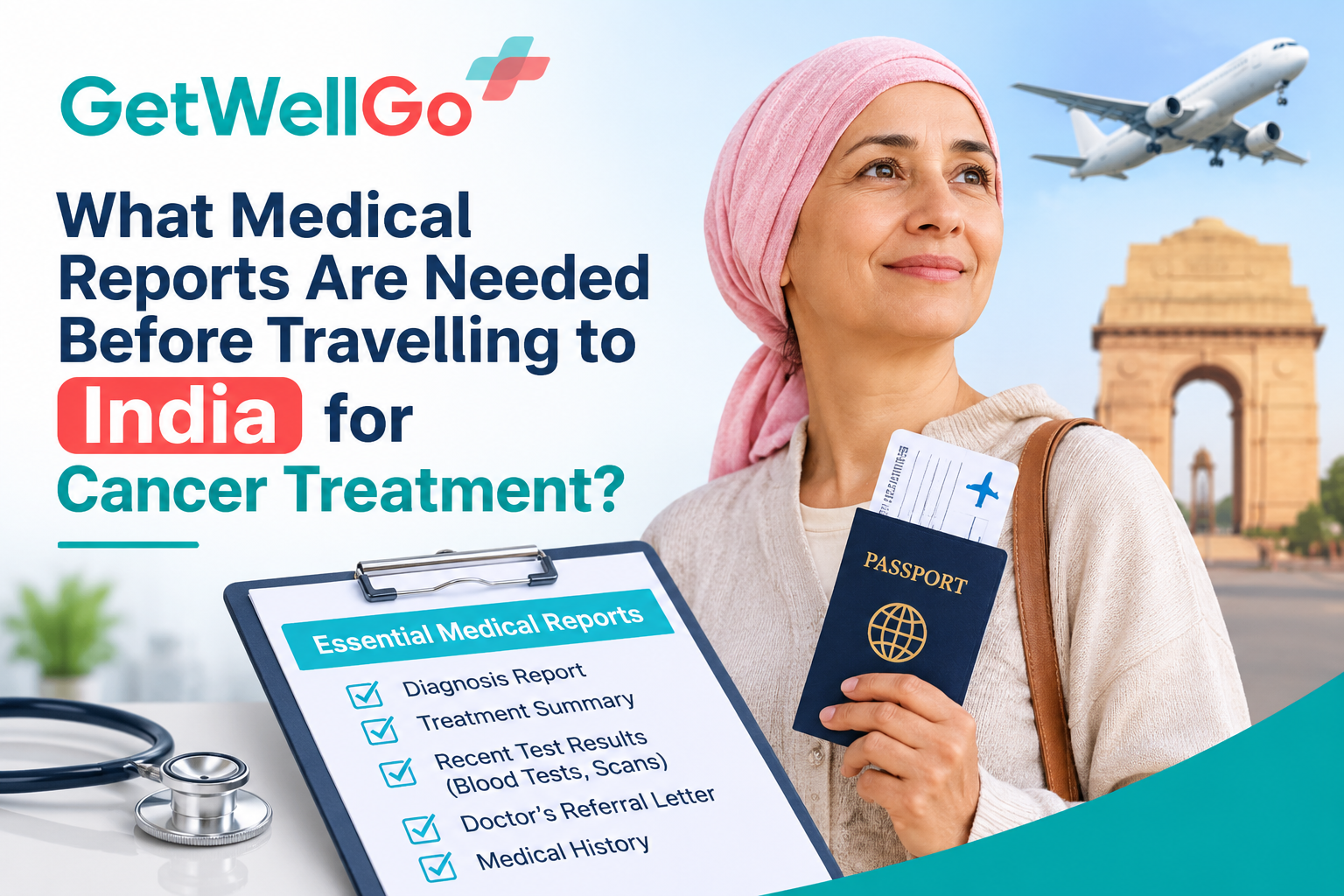
What Medical Reports Are Needed Before Travelling to India for Cancer Treatment?
Read More
Pediatric Heart Surgery Cost in India for Nigerian Children
Read More
How Can International Patients Arrange Online Consultations with Indian Doctors?
Read More
How to Choose the Best Hospital in India from Nigeria
Read More
How to Apply for an Indian Medical Visa from Nigeria
Read More
Does Bone Marrow Transplant Cure Sickle Cell? A Guide for Nigerian Patients
Where is bone marrow located, and why does it matter? Discover its role in your body and why Nigerian patients should understand it. Learn more inside.
Read More
Pediatric Cardiology in India at Max Hospital: A Guide for Nigerian Parents
A complete guide to pediatric cardiology in India, covering Max Hospital's child heart care, specialists, costs, and what Nigerian parents should expect.
Read More
Best Kidney Transplant Hospital in India for Ethiopian Patients
We help Ethiopian patients find the best kidney transplant hospital in India — expert surgeons, visa support & affordable packages. Free consultation today.
Read More