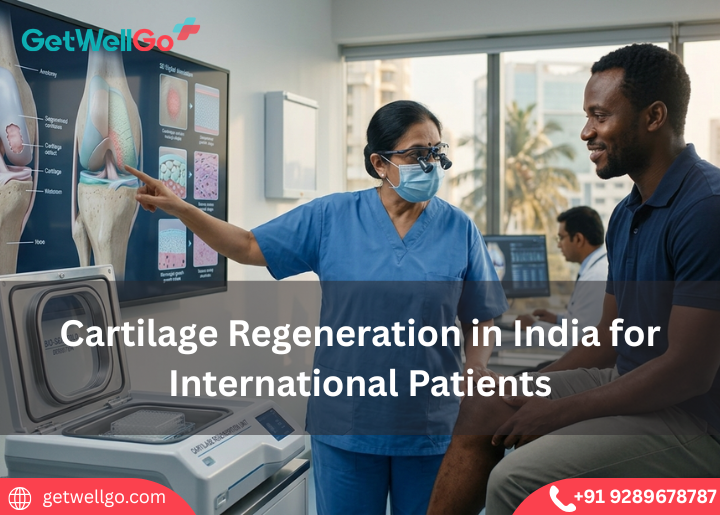
Cartilage Regeneration in India for International Patients
Cartilage Regeneration in India: Stop joint wear before it starts! We book your top sports specialist, handle the medical visa & provide a cozy stay to heal.
Read More
Hip replacement surgery success rate in India is above 95%, combining quality care and affordability. GetWellGo helps international patients plan treatment easily.

Total hip replacement success rate India
Total Hip Replacement (THR) in India has a high success rate although it mostly depends on the quality of the hospital and experienced orthopedic surgeons.
Good outcomes are caused by a number of factors:
Most patients experience:
Implant Lifespan
Standard hip implants have a life span of 15-20 years or longer since the age of an individual, the activity and the type of implant used.
The outcomes of hip replacement in India are also normally very favorable as a majority of patients report permanent relief of pain and mobility. There are great orthopedic surgeons and modern surgical equipment which makes India a robust overseas destination to undergo this procedure.
Patients who undergo successful hip replacement surgery normally experience:
Common recovery results are:
In India, hip joint replacement has a success rate which is affected by a number of medical and non-medical factors. The perception of these factors enables patient’s better outcomes of surgery and long-term performance of implants.
Experience and Expertise of Surgeon
Quality and Kind of Hip Implant
The Age of the patient and his general condition
Extent of Hip Joint Damage
Technology and Technique in Surgery
Recovery and Physical Therapy Post-surgery
Infection Control and Hospital facilities
Life after Surgery
Hip joint replacement has been popularly known as a safe and a highly successful orthopedic surgery that has brought a lot of relief to patients with severe hip pain, arthritis, or joint damage. The average success is 90 to 95%, majority of patients report significant improvement of mobility, pain reduction and improvement of the quality of life by the surgery. The country of India has emerged to be the country of choice in this procedure based on the qualified orthopedic surgeons, advanced surgical equipment, globally accepted implants, and holistic rehabilitation plans. Moreover, the presence of the latest procedures like minimally invasive and robotic-assisted surgery improves further the accuracy of the surgery and the post-surgery recovery. The overall success of hip replacement surgery is however influenced by a number of factors which include the knowledge of the surgeon, quality of the implants used, health status of the patient, the post-surgical care including adherence to rehabilitation programs. With these factors well controlled, hip replacement surgery has the potential of giving long term results with implants normally having 15- 20 years or more. All in all, hip replacement surgery in India provides high clinical outcomes, dependable long-term outcomes, and provides people with better mobility, and thus, is an effective treatment procedure in people with more developed hip joint disorders.
GetWellGo is regarded as a leading supplier of healthcare services. We help our foreign clients choose the best treatment locations that suit their needs both financially and medically.
We offer:
Cartilage Regeneration in India: Stop joint wear before it starts! We book your top sports specialist, handle the medical visa & provide a cozy stay to heal.
Read More
World Sickle Cell Day 2026: Join the fight for equity. Our Indian medical team helps Nigeria & Kenya patients access curative BMT care, visas & warm stays.
Read More
Meniscus Transplant in India: Save your knee joint and live active again! GetWellGo handles your top sports surgeon, medical visa & a cozy recovery home.
Read More
Total Knee Replacement in India for Uzbekistan Patients with robotic precision. GetWellGo handles your expert surgeon, Uzbek translator & a fast recovery home.
Read More
Get advanced kyphoplasty in India for spinal fractures. International patients benefit from expert care, modern hospitals, quick recovery, and affordable costs.
Read More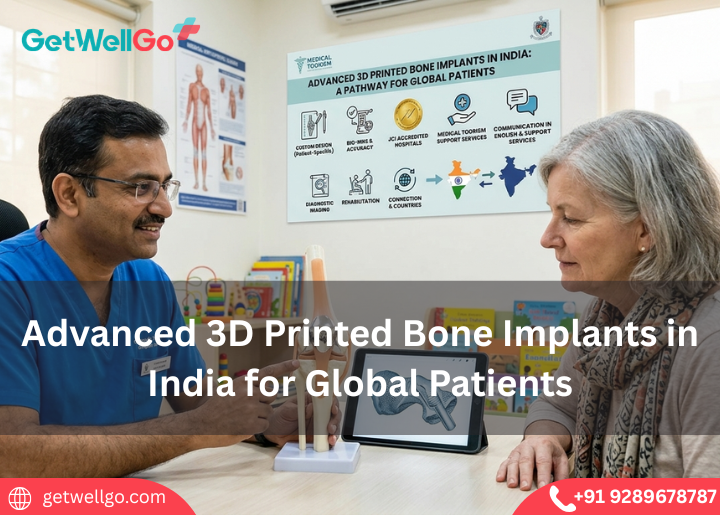
Advanced 3D Printed Bone Implants in India fit your body perfectly. GetWellGo handles your custom surgery, flight bookings, and a relaxing place to stay.
Read More
Hip sports injury in India slows you down, but we fix that. GetWellGo arranges your expert joint repair, airport rides, and a comfy room to rest.
Read More
Hip injuries in sports in India shouldn't end your game. GetWellGo books your top sports medicine doctor, visa, and safe stay so you can play again.
Read More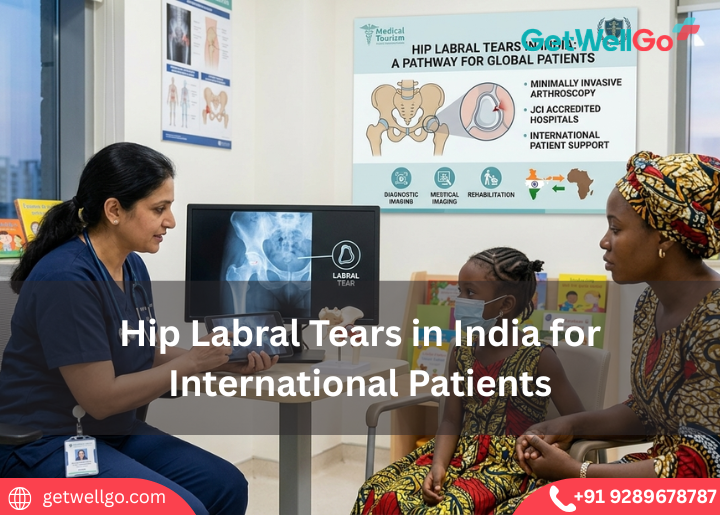
Get advanced hip labral tear care in India with skilled orthopedic surgeons, modern techniques, and cost-effective treatment for international patients.
Read More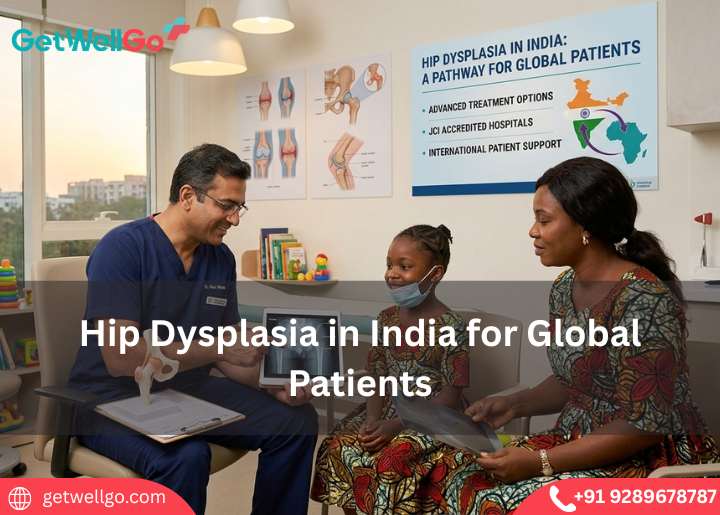
Affordable hip dysplasia treatment in India with skilled orthopedic care, advanced procedures, and support tailored for international patients.
Read More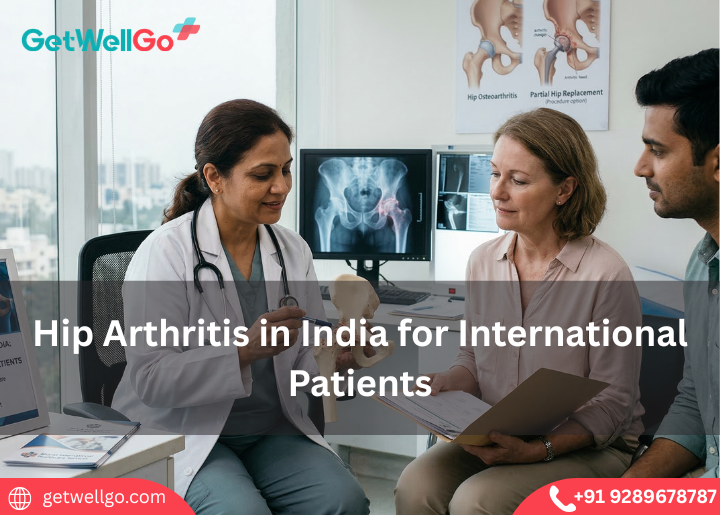
Hip Arthritis in India doesn't have to mean daily pain. GetWellGo handles your complete joint care trip, from finding top specialists to booking your hotel.
Read More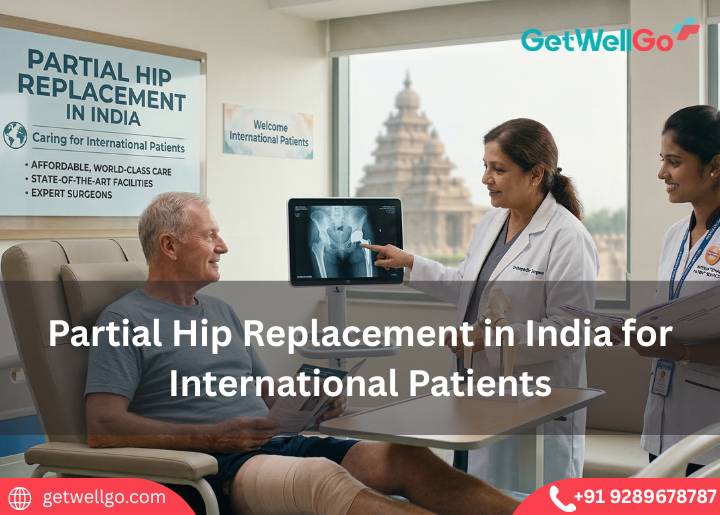
Partial Hip Replacement in India safely fixes hip fractures. We at GetWellGo handle your urgent hospital care, airport pickup, and smooth travel.
Read More