Cartilage Regeneration in India for International Patients
Cartilage Regeneration in India: Stop joint wear before it starts! We book your top sports specialist, handle the medical visa & provide a cozy stay to heal.
Read More
Hip Replacement Surgery in India for Nigerian patients with GetWellGo. Affordable treatment, expert surgeons, modern hospitals, and full support for international patients.

A significant number of patients in Nigeria (as well as in other African countries) are flown to India to get hip replacement in the country due to the quality orthopaedic services at greatly reduced prices compared to those available in the UK, USA, and South Africa. India is also providing modernized hospitals using internationally trained surgeons and orthopedic teams; which are well trained in joint arthroplasty.
Key advantages include:
Budget hip replacement packages normally cover:
The following is a useful recovery plan on Nigerian patients who undergo hip replacement surgery in India including what happens, schedules, and how to plan your travels as well as what to do once you are back home.
In Hospital (Days 1–5)
Local Stay in India (1-2 weeks after discharge)
Weeks 3-12 Returning to Nigeria
First 6 Weeks – Key Focus
When Can You Fly?
Most surgeons permit long-haul flights between 2 and 3 weeks when:
Flight Safety Tips
Home Setup Tips
Lifestyle Tips
Majority of Indian hospitals offer:
Here is the simple break down of the key cost drivers that you need to know prior to planning your trip:
Type and Quality of Implants
One of the largest cost elements is the prosthetic implants (artificial hip joints):
Hospital Tier and Location
The prices are vastly different depending on the city and reputation of the hospital:
Surgeon Experience and Fees
Pre- and Post-Operative Care
There are more than just the operation costs:
Long rehabilitation or supplementary care adds up to package amounts.
Length of Hospital Stay
Normal length of stay is 5-7 days.
Increased number of days in hospital (e.g. delayed mobility, complications) translates into increased room and service charges.
Other Services under Medical Tourism Packages
Should you book directly with a facilitator or a hospital on behalf of international patients then packages might include:
They can increase the initial price but will allow the experience to be smoother.
Health of Patients and Comorbidities
Patients with comorbidities may require:
It may increase additional treatment and care expenses.
Surgical Methodology and Technology
Advanced techniques like:
They might be expensive because of special apparatus and increase in the time of work.
Minimally invasive hip surgery India Nigeria
Minimal invasive hip replacement surgery (also known as MIS hip replacement) is a hip replacement surgery performed with fewer incisions and fewer cuts of the soft tissues compared to the standard open hip surgery. It is aimed at minimizing losses on the muscles and the tissues surrounding the hip which in most cases results in quicker recovery and decreased pain on the patient.
The main benefits of Minimum-invasive Surgery
Faster Recovery
Smaller incisions usually imply fewer traumas to the tissue and faster initial recovery; therefore patients can walk earlier and less painfully than the traditional surgery.
Reduced Pain
Reduced surgical trauma can lead to reduced post-surgery pain and, possibly, a reduced dependence on hard pain medication.
Shorter Hospital Stay
A few patients may be discharged a few hours before the conventional hip replacement- this will particularly be advantageous to the international patients who will travel to Nigeria since they might spend less on accommodation.
Smaller Scar
Smaller cuts will result in fewer scars and maybe more favorable cosmetic results.
India has long been a safe and affordable option for African and Nigerian patients who want to travel abroad for hip replacement and minimally invasive hip surgery, with a winning combination of internationally accredited hospitals, highly skilled orthopedic surgeons, and state-of-the-art surgical techniques at a fraction of the cost of most western countries. From competitively priced bilateral and unilateral surgery packages to revolutionary minimally invasive and robotic surgery choices, patients are provided with clearly defined costs, full medical tourism assistance, and well-organized rehabilitation. With advanced planning for medical visas, travel, post-operative convalescence and follow-up care at home, most patients can expect to achieve excellent clinical outcomes, expedited mobility and long-term implant durability, thereby making India a sensible and reliable option for quality hip care abroad.
GetWellGo is regarded as a leading supplier of healthcare services. We help Nigerian patients to choose the best treatment locations and doctors that suit their needs both financially and medically.
We offer:
Cartilage Regeneration in India: Stop joint wear before it starts! We book your top sports specialist, handle the medical visa & provide a cozy stay to heal.
Read More
World Sickle Cell Day 2026: Join the fight for equity. Our Indian medical team helps Nigeria & Kenya patients access curative BMT care, visas & warm stays.
Read More
Meniscus Transplant in India: Save your knee joint and live active again! GetWellGo handles your top sports surgeon, medical visa & a cozy recovery home.
Read More
Total Knee Replacement in India for Uzbekistan Patients with robotic precision. GetWellGo handles your expert surgeon, Uzbek translator & a fast recovery home.
Read More
Get advanced kyphoplasty in India for spinal fractures. International patients benefit from expert care, modern hospitals, quick recovery, and affordable costs.
Read More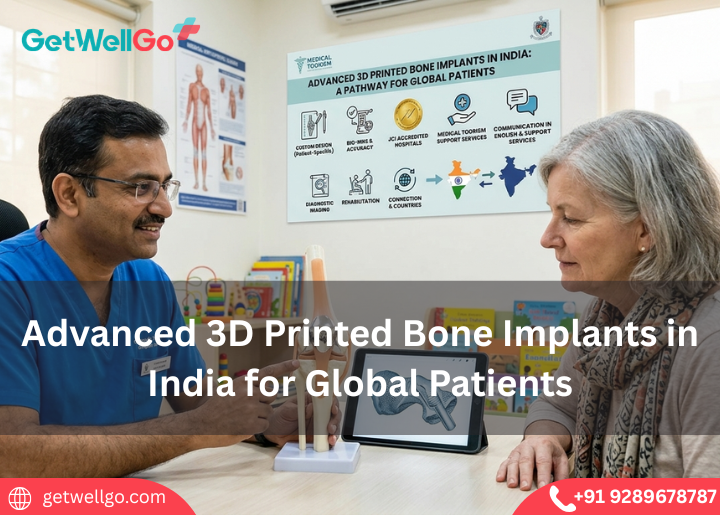
Advanced 3D Printed Bone Implants in India fit your body perfectly. GetWellGo handles your custom surgery, flight bookings, and a relaxing place to stay.
Read More
Hip sports injury in India slows you down, but we fix that. GetWellGo arranges your expert joint repair, airport rides, and a comfy room to rest.
Read More
Hip injuries in sports in India shouldn't end your game. GetWellGo books your top sports medicine doctor, visa, and safe stay so you can play again.
Read More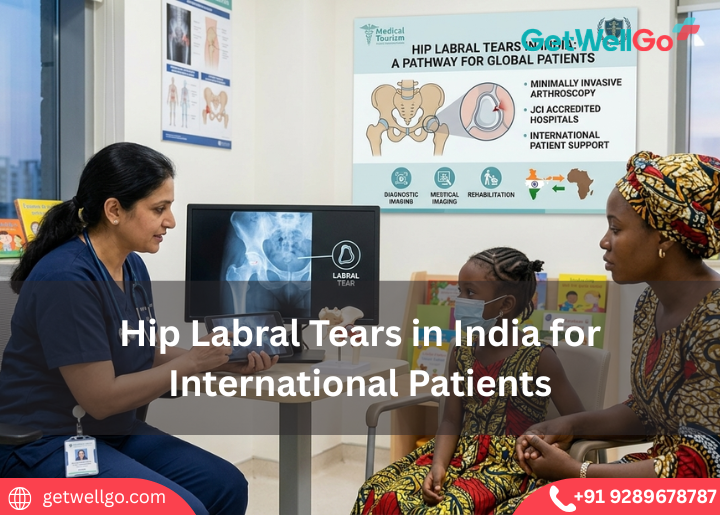
Get advanced hip labral tear care in India with skilled orthopedic surgeons, modern techniques, and cost-effective treatment for international patients.
Read More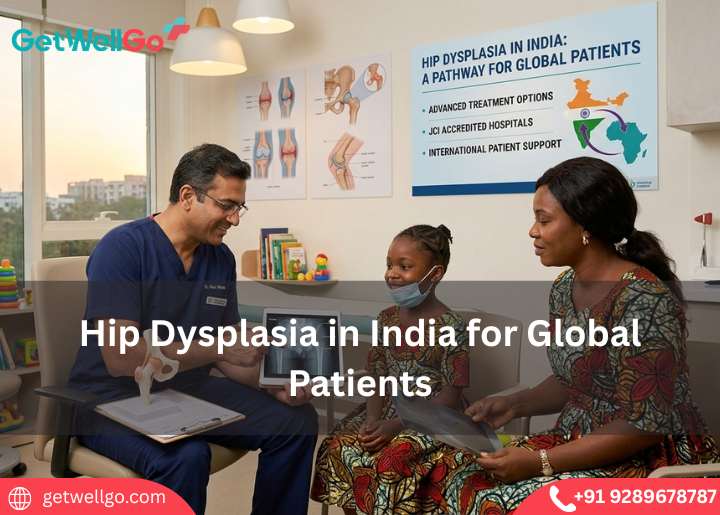
Affordable hip dysplasia treatment in India with skilled orthopedic care, advanced procedures, and support tailored for international patients.
Read More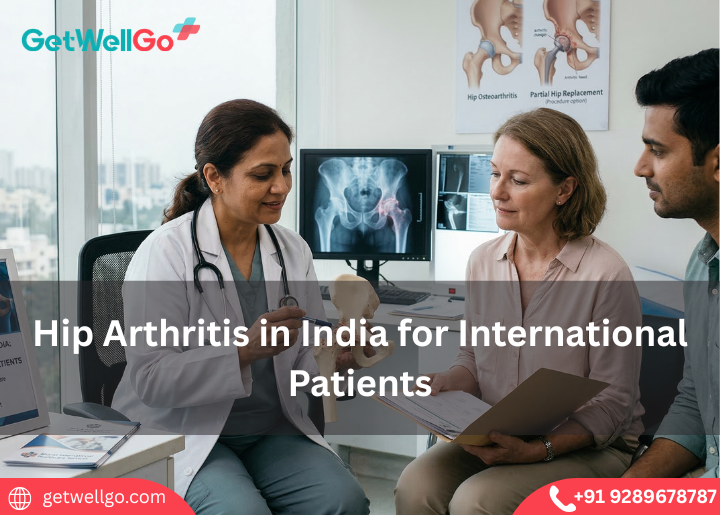
Hip Arthritis in India doesn't have to mean daily pain. GetWellGo handles your complete joint care trip, from finding top specialists to booking your hotel.
Read More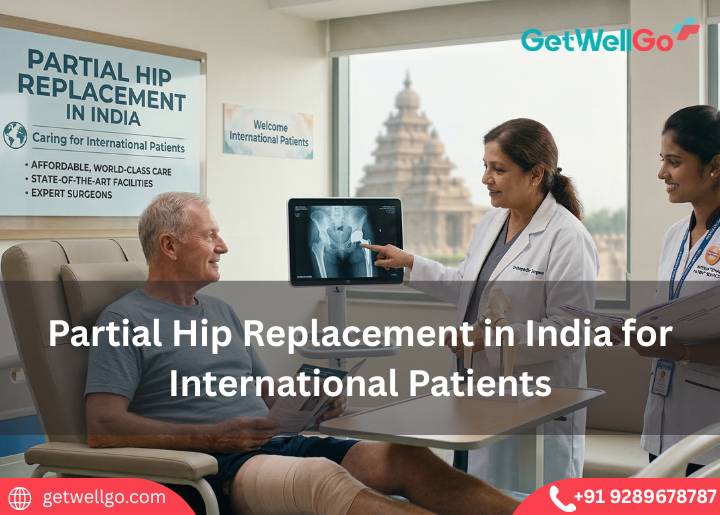
Partial Hip Replacement in India safely fixes hip fractures. We at GetWellGo handle your urgent hospital care, airport pickup, and smooth travel.
Read More