How Successful Is Bone Marrow Transplant for Sickle Cell Disease?
How successful is bone marrow transplant for sickle cell disease? See what shapes outcomes for Nigerian patients, from donor match to age. Learn more.
Read More
Epidural Stimulation Spinal Cord Injury Surgery in India with getWellGo. Advanced treatment, expert surgeons, and affordable care for international patients.
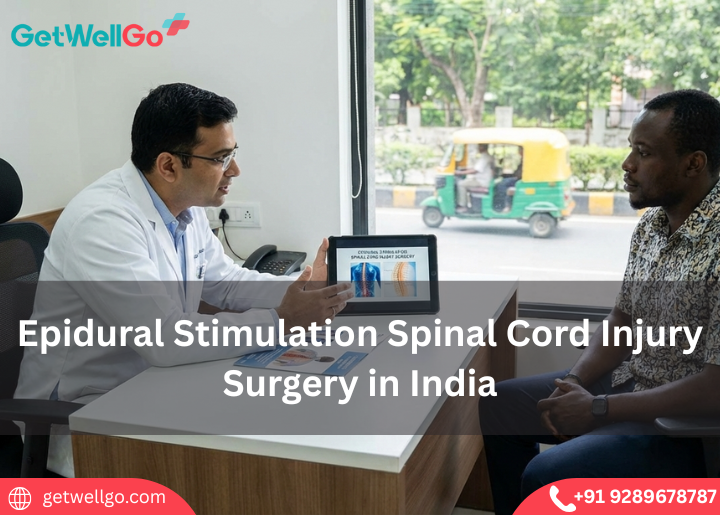
Epidural stimulation (ES), also termed spinal ES or spinal ES stimulation, is a cutting-edge neuromodulatory technique, where electrodes are implanted in close proximity to the spinal cord, at the epidural space. These electrodes deliver a controlled flow of electrical pulses to the spinal cord at the level below the site of injury to activate neural circuits to support sensorimotor and autonomic functions lost after spinal cord injury or SCI.
In clinical practice and research, it is not a curative treatment of paralysis, but may be useful in:
The outcomes rely on the degree of injury, the level of severity (complete and incomplete), and personal physiology.
These are the top spinal cord stimulation/epidural stimulation surgery in India price influencing factors:
Above all this price largely depends system of stimulation and on technology you will use:
Various hospitals have varying costs depending on the infrastructure and reputation:
You normally need before the operation:
Such tests are necessary to plan and will contribute to the cost of the pre-surgery.
Prolonged hospitalization, especially if involving the ICU, increases charges for the room, cost of nursing care and other hospital related costs.
Additional expenses are: in case you are visiting foreign or travelling long distance, they include:
There can also be interpreter services that increase costs.
Tier-1 city has higher cost due to:
In smaller cities or non-metropolitan hospitals, lower prices can be offered.
Dorsal epidural stimulation (sometimes known as epidural spinal cord stimulation, epidural electrical stimulation or spinal epidural electrical stimulation) involves the insertion of electrodes in the epidural space at the back (or top) of the spinal cord.
This provides electrical impulses to the spinal cord above or below a location of injury in an attempt to increase nerve activity to the level of voluntary movement, sensory reaction, and autonomous activities (such as bladder and blood pressure control).
Medically, it is not a curative agent but studies (including those carried out with Indian patients) indicate that it is able to stimulate otherwise inactive circuits in the spinal column with intensive rehabilitation.
A systematic review identified significant functional improvement in a significant proportion of patients:
This is a simple, chronological description of the epidural stimulation process on a spinal cord injury (SCI) as it is practiced in India -preoperative, operative, and postoperative:
Complete Neurological Examination.
Preparation before Surgery
Anaesthesia
This is normally performed under general anaesthesia making the patient to be deeply asleep.
Incision and Access
A small surgical cut is carried on the lower back to reveal the vertebral region above the spinal cord.
Lead/Electrode Placement
Pulse Generation implantation.
Intra-operative Testing
The device is also activated during the operation to ensure that desired parts of the spinal cord are responding properly as the device is still in the OR.
Closing Incisions
After the confirmation of the placement, the incisions are sutured or stapled and dressed.
Recovery Room Monitoring
You will be transferred to recovery to check vital signs and operative wounds. Analgesic drugs are administered on demand.
Device Programming
Hospital Stay
The length of hospital stay varies a lot; a large proportion of patients discharge within days based on their recovery and the rules of the hospital.
Rehabilitation Program
It is essential to have a tailored physical therapy program. Rehab focuses on:
In addition, further rehabilitation may take some weeks to months and is the main aspect in realizing gains through stimulation.
Device Adjustments
Long-Term Maintenance
Battery life varies with use; the rechargeable systems can last for many years before they need to be replaced.
All the post-surgical instructions should be adhered patients should not rush to activity and should take care of their wounds and visit all rehabilitation and follow-up sessions to increase the functional outcomes.
The (EES) epidural stimulation (epidural electrical stimulation) does not repair the spinal cord.
Rather it re-initiates walking circuits in the spinal cord beneath the injury such that, together with intensive rehabilitation, some individuals are able to:
Depending on various clinical studies:
Overall outcomes
The recovery by walking normally follows the following progress:
Walking typically:
The intensity of rehabilitation is more important than surgery.
Epidural stimulation:
The analysis of the main aspects that influence the affordability of spinal cord stimulation (epidural stimulation) surgery in India is as follows:
Epidural / spinal cord stimulation has been listed as another promising and more and more available alternative to individuals with a spinal cord injury in India. Though paralyzing is not a curative therapy, there is significant clinical evidence that it, when used with intensive and prolonged rehabilitation, can result in significant functional gains such as assisted standing, stepping, and walking-like movement, and improved bladder, bowel, and cardiovascular control. The cost of the spinal cord stimulation is affordable in India based on the nature of the used equipment, hospital and city, the expertise of the surgical personnel, the number of days in the hospital, rehabilitation requirements, and insurance. India is also a competitive destination of both local and international patients whose procedure in India is much cheaper than many western countries. Notably, the selection and expectation of patients are central. The outcome will be differing with the completeness of the injuries, the level of injury, the overall health and the willingness to be rehabilitated. The outcome is mostly favorable in patients who are taken through an experienced center and those who are involved in organized rehab programmes.
GetWellGo is regarded as a leading supplier of healthcare services. We help our foreign clients choose the best treatment locations that suit their needs both financially and medically.
We offer:
How successful is bone marrow transplant for sickle cell disease? See what shapes outcomes for Nigerian patients, from donor match to age. Learn more.
Read More
Bone marrow transplant for sickle cell cost in India often starts near $10,000. Nigerian families: see what’s included and what changes the price. Read more.
Read More
Who can donate bone marrow for a family member? Discover the eligibility rules, matching process, and steps Nigerians need to follow. Learn more inside.
Read More
Where is bone marrow located, and why does it matter? Discover its role in your body and why Nigerian patients should understand it. Learn more inside.
Read More
Where is bone marrow located, and why does it matter? Discover its role in your body and why Nigerian patients should understand it. Learn more inside.
Read More
What are bone marrow disorders? This complete guide breaks down the various types, causes, and available treatment paths for Nigerian patients. Read more now.
Read More
Considering a bone marrow transplant? Understand the underlying bone marrow disease causes and discover how this life-saving procedure can restore your health.
Read More
Bone marrow biopsy indications: discover why doctors order this test, what it diagnoses, and what Nigerian patients should expect next. Learn more inside.
Read More
What is bone marrow transplant? Discover how this life-saving procedure works, who qualifies, and what Nigerian patients should expect. Learn more inside.
Read More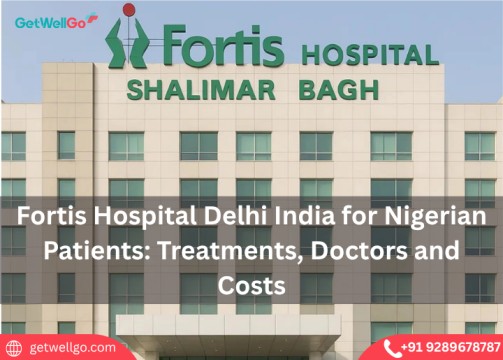
Fortis Hospital Delhi India: discover the treatments, top doctors, and real costs Nigerian patients need to know before booking travel. Learn more inside.
Read More
Is sickle cell an African disease? Not exactly — learn the real genetic and malaria link, and the myths Nigerians should stop believing about SCD.
Read More
Is there a cure for sickle cell disease? Yes — learn about bone marrow transplant and gene therapy options, plus real costs and access for Nigerians.
Read More