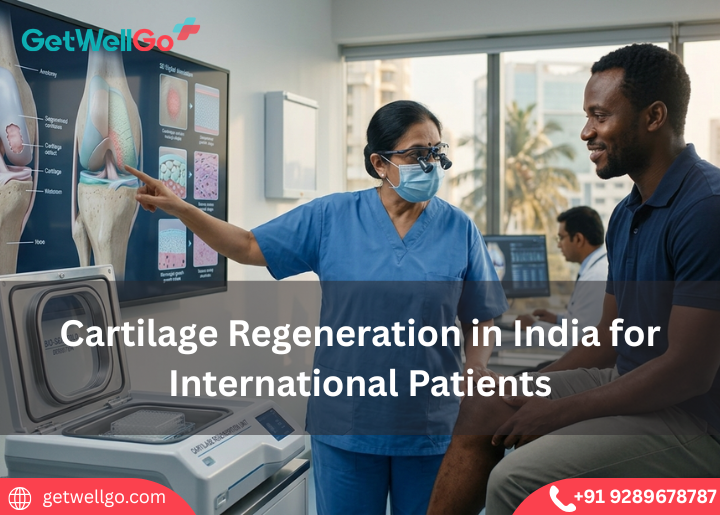
Cartilage Regeneration in India for International Patients
Cartilage Regeneration in India: Stop joint wear before it starts! We book your top sports specialist, handle the medical visa & provide a cozy stay to heal.
Read More
Cervical Endoscopic Spine Surgery in India treats neck disc herniations, stenosis through tiny incisions using endoscope guidance. Minimally invasive with day surgery recovery, 1-2cm scars, 70% lower costs vs. West.
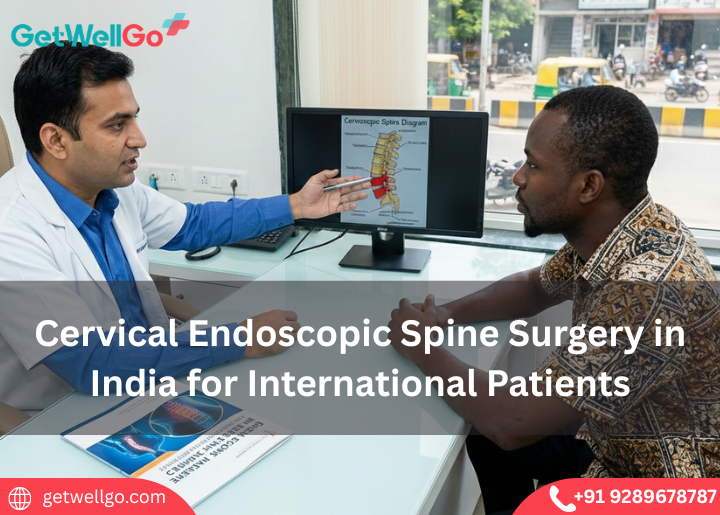
The analysis below provides are some of leading factors affecting the cost of cervical endoscopic spine surgery in India:
Professional fees can be high among those surgeons with high levels of training, those who specialize in minimal invasive procedures of the spine, and whose success rates are high.
The prices are generally high in urban regions than in the smaller cities.
The cost is increased with detailed examinations (MRI, CT scans, blood tests, cardiopulmonary examination).
The charges depend on whether the anaesthesia is general or local, the duration of surgery, and the complexity of the equipment used in the theatre.
The minimal invasive surgery is likely to reduce the length of stay in a hospital, as the room and care costs. This may however, become costly in the event of a longer period of monitoring.
Several follow?up visits, drugs, wound care, physiotherapy sessions and/ or rehabilitation sessions contribute towards the final cost.
There are special endoscopic equipment, surgical supplies, and potential implants (where required), and all this is extra.
It can involve offering medical tourism packages to international patients which include surgery, hospitalization, transfers and accommodation - having an impact on the general pricing.
MISS is a collection of procedures that address neck and cervical spine disorders through small cuts with the use of specialized instruments (microscopes, endoscopes, tubular retractors) rather than large, open incisions. This aims at alleviating pressure on the nerves, eliminating herniated discs, decomposing spinal cord or making the unstable segments more stable with fewer traumas to the muscles and soft tissues than the modern open surgery.
There are the following common procedures in this category:
They are applied in the treatment of such conditions as herniated discs, cervical stenosis, degenerative spine disease, and radiculopathy of the neck area.
Endoscopic cervical foraminotomy is an endoscopic spine procedure that uses a flexible video camera (endoscope) and instruments to widen the neural foramen in the cervical spine - an opening in the vertebrae through which the spinal nerves pass - to alleviate nerve compression. It is often performed on patients suffering from radiculopathy (nerve pain down the arm), foraminal stenosis and lateral disc herniation resulting in nerve root impingement.
The endoscopic approach normally entails: a comparison to the traditional open surgery.
The latter advantages make it particularly appealing to foreign patients who want to receive good care and recover faster. Full endoscopic anterior cervical foraminotomy and full endoscopic posterior cervical foraminotomy has been clinically proven to achieve good results in the reduction of pain in the arms and the enhancement of nerve decompression.
Endoscopic cervical laminectomy (also known as MIDL or endoscopic laminotomy/laminectomy) is a surgical technique to shave down the lamina bone in the neck with an endoscope and other specialized instruments to decompress nerve roots in the neck. It is less disruptive to the muscle and soft tissue and depth of traditional open surgery, which translates to less scarring and a faster recovery.
Small incisions and minimal disruption to the muscles endoscopic cervical spine surgery generally means:
Faster recovery to normal operations than the conventional open neck surgery
Typical Recovery Timeline:
Most surgeons advise:
In numerous hospitals in India, there are written rehab strategies or online physiotherapy programs that enable the involved patients to go home and early.
When a nerve in the neck is compressed or irritated, it leads to cervical radiculopathy and this result in:
Common causes include:
Endoscopic cervical spine surgery is performed with the help of a small incision (810 mm) and a small microscope and instruments to access and decompose the involved nerve with minimal tissue and muscle trauma.
The objective of both is to alleviate pain and nerve pain in the arm and preserve arm movement.
Cervical endoscopic and minimally invasive spinal surgeries in India have emerged as a viable, cost-effective and accessible option for the patients seeking treatment for cervical radiculopathy and other neck disorders. With advanced instrumentation and techniques, such as endoscopic foraminotomy, discectomy, and laminectomy, patients experience smaller incisions, less post-operative pain, decreased length of hospital stay and faster recovery while maintaining natural neck motion whenever feasible. With the right pre-operative assessment, clear cost planning and regimented post-operative rehabilitation, there is no reason why most patients shouldn't experience good symptom relief, a rapid return to daily activities, and an overall long term improvement in quality of life.
GetWellGo is regarded as a leading supplier of healthcare services. We help our foreign clients choose the best treatment locations that suit their needs both financially and medically.
We offer:
Cartilage Regeneration in India: Stop joint wear before it starts! We book your top sports specialist, handle the medical visa & provide a cozy stay to heal.
Read More
World Sickle Cell Day 2026: Join the fight for equity. Our Indian medical team helps Nigeria & Kenya patients access curative BMT care, visas & warm stays.
Read More
Meniscus Transplant in India: Save your knee joint and live active again! GetWellGo handles your top sports surgeon, medical visa & a cozy recovery home.
Read More
Total Knee Replacement in India for Uzbekistan Patients with robotic precision. GetWellGo handles your expert surgeon, Uzbek translator & a fast recovery home.
Read More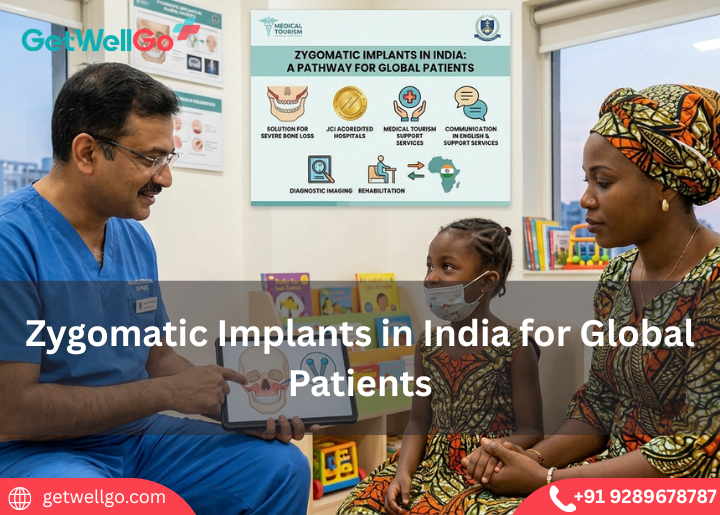
Get advanced kyphoplasty in India for spinal fractures. International patients benefit from expert care, modern hospitals, quick recovery, and affordable costs.
Read More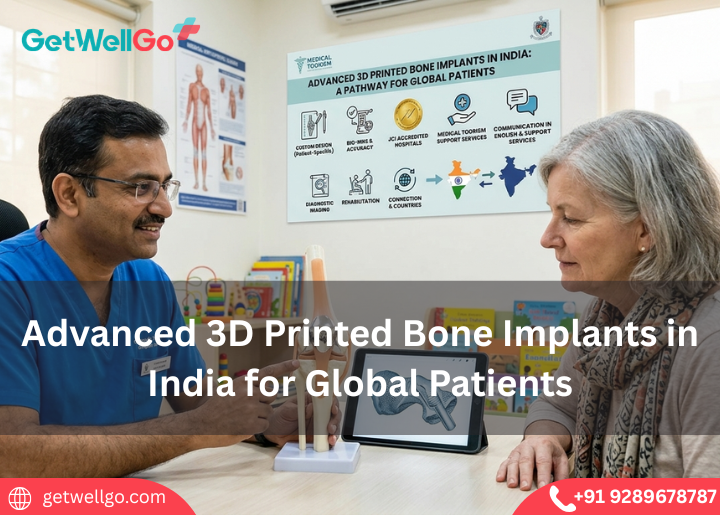
Advanced 3D Printed Bone Implants in India fit your body perfectly. GetWellGo handles your custom surgery, flight bookings, and a relaxing place to stay.
Read More
Hip sports injury in India slows you down, but we fix that. GetWellGo arranges your expert joint repair, airport rides, and a comfy room to rest.
Read More
Hip injuries in sports in India shouldn't end your game. GetWellGo books your top sports medicine doctor, visa, and safe stay so you can play again.
Read More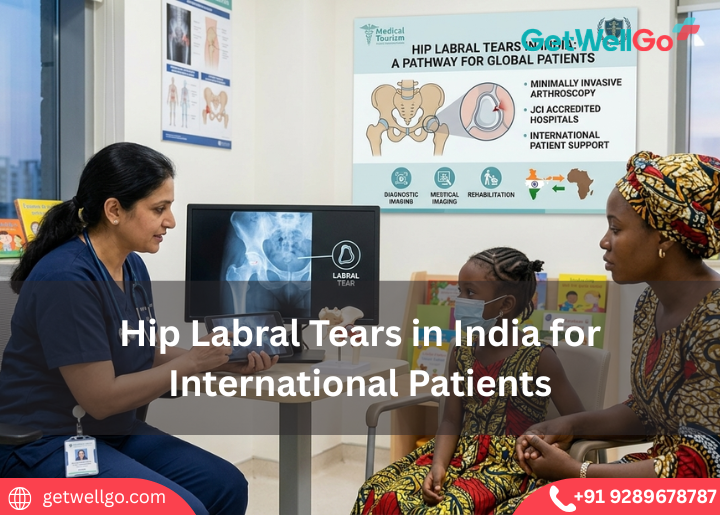
Get advanced hip labral tear care in India with skilled orthopedic surgeons, modern techniques, and cost-effective treatment for international patients.
Read More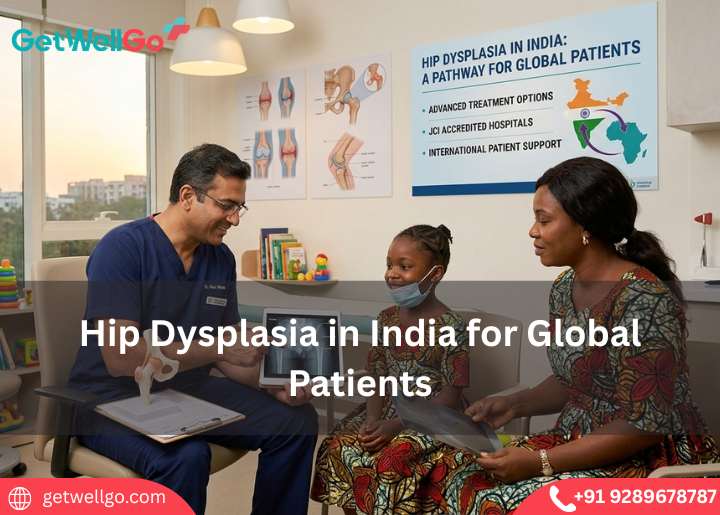
Affordable hip dysplasia treatment in India with skilled orthopedic care, advanced procedures, and support tailored for international patients.
Read More
Hip Arthritis in India doesn't have to mean daily pain. GetWellGo handles your complete joint care trip, from finding top specialists to booking your hotel.
Read More
Partial Hip Replacement in India safely fixes hip fractures. We at GetWellGo handle your urgent hospital care, airport pickup, and smooth travel.
Read More