Weight Loss
Liposuction Treatment
Simply Lipo
Liposuction is a cosmetic operation to improve the shape of your body by removing fat from under your skin. The operation is performed either under a general anaesthetic or under a local anaesthetic, depending on how many areas need to be treated.
Liposuction is a surgical technique that uses a suction technique to remove fat from specific areas of the body, such as the abdomen, hips, thighs, buttocks, arms or neck. Liposuction also shapes these areas. Lipoplasty and body contouring are other names for liposuction. Liposuction isn't typically considered a weight-loss method or a weight-loss alternative. If you're overweight, you're likely to lose more weight through diet and exercise than you would with liposuction. You might be a candidate for liposuction if you have too much body fat in some specific spots but otherwise have a stable body weight.
Why Liposuction is done?
Liposuction is used to remove fat from areas of the body that haven't responded as expected to diet and exercise, such as the:
- Arms

- Buttocks
- Abdomen
- Calves and ankles
- Chest and back
- Hips and thighs
- Neck
Sometimes liposuction is used for breast reduction.
When you gain weight, your fat cells increase in size and volume. The number of fat cells in a specific area is reduced by liposuction. The amount of removed fat depends on the appearance of the area and the volume of fat. The resulting shape changes are generally permanent as long as your weight remains stable.
After liposuction, skin moulds to the new contours of the treated areas. If your skin tone is good, your skin is likely to appear smooth. If your skin is thin with poor elasticity, then skin in treated areas might appear loose. Liposuction does not improve cellulite dimpling or other skin surface irregularities. And also, liposuction doesn't remove stretch marks.
Liposuction isn't recommended for people who have conditions that could complicate surgery, like:
- Restricted blood flow
- Coronary artery disease
- Diabetes
- A weak immune system
 Free Consultation on WhatsApp
What are the Risks involved?
As with any major surgery, liposuction also carries risks, such as a reaction to anesthesia and bleeding. Possible complications are:
- Contour irregularities: Your skin might appear bumpy, withered due to uneven fat removal, poor skin elasticity and unusual healing. These changes can be permanent.
- Fluid accumulation: Temporary pockets of fluid (seromas) might be formed under the skin. These pockets of fluid might need to be drained with a needle.
- Numbness: You might feel temporary/permanent numbness in the affected area. Temporary nerve irritation is also possible.
- Infection: Skin infections can be there. A serious skin infection might be life-threatening.
- Internal puncture: A cannula that penetrates too deeply might puncture an internal organ. This might require surgical repair instantly.
- Fat embolism: The pieces of loosened fat might break away and become trapped in a blood vessel and gather in the lungs or travel to the brain.
- Kidney and heart problems: Shifts in fluid levels as fluids are being injected and suctioned out can cause potentially life-threatening kidney or heart problems.
What Preparations need to be done?
Food and medications
Before the procedure, discuss with your doctor what to expect from the surgery. Review your medical history, list any past medical conditions you had, and tell the surgeon about any medications, supplements or herbs you're taking.
Other precautions
If your surgery requires the removal of only a small amount of fat, the surgery might be done in an office setting. If a big amount of fat needs to be removed — or if you plan to have other procedures done at the same time — the surgery might take place in a hospital. In either case, arrange for someone to drive you home after the surgery.
What can be expected?
Before the procedure
Before the procedure, the surgeon might mark circles and lines on the areas of your body to be treated. Photos also might be taken so that your before and after images can be compared.
How your liposuction is done depends on the specific technique that's used:
- Tumescent liposuction: Tumescent liposuction is one of the most common types of liposuction. The surgeon injects a sterile solution, a mixture of salt water, which aids fat removal, an anesthetic (usually lidocaine) to relieve pain and a drug (epinephrine) that causes the blood vessels to constrict — into the area that's being treated. The mixture of fluid causes the affected area to swell and stiffen.
The doctor then makes small cuts into your skin and inserts a thin tube called a cannula under your skin. The body fluid might be replenished through an intravenous (IV) line.
- Ultrasound-assisted liposuction (UAL): This type of liposuction is used in conjunction with tumescent liposuction. During UAL, the surgeon inserts a metal rod into your skin that emits ultrasonic energy under your skin. This ruptures the fat cell walls and liquefies the fat for more easier removal.
- Laser-assisted liposuction (LAL): This procedure uses high-intensity laser light to liquefy fat for removal. During LAL, the surgeon inserts a laser fiber through a small incision and emulsifies fat deposits. The fat is then removed from the affected area via a cannula.
- Powered liposuction: This liposuction uses a cannula that moves in a rapid back-and-forth motion. This vibration allows the surgeon to pull out tough fat in an easier way. This procedure might sometimes cause less pain and swelling.
During the procedure
Some liposuction procedures might require only regional anesthesia — anesthesia limited to a specific area of your body. Other procedures might require general anesthesia, which induces a state of unconsciousness (temporary). You might be given a sedative through an IV injection, to help you remain calm and relaxed. The surgical team will monitor your heart rate, blood pressure and blood oxygen level throughout the surgery. If you feel any kind of pain, tell your surgeon. The medication or motions might need a little bit adjustment.
After the procedure
Expect some pain, swelling and bruising after the surgery. You might need to wait a few days before returning to your work and a few weeks before resuming your normal activities. Your surgeon might prescribe you some medication to help control pain and antibiotics to reduce the risk of infection. You also might need to wear tight compression garments, which helps you in reducing the swelling for a few weeks.
Results
After the surgery, swelling typically subsides within a few weeks. By this time, the treated area should be looking less bulky. Within several months, the treated area should have a leaner appearance.
Liposuction surgery in India is one of the most common cosmetic surgeries that involve the removal of the fat deposits from almost any place on the human body including the belly, stomach, thighs, arms, and face. New developments in laser liposuction are making this procedure less invasive, and tightening the skin further. The procedure gives shape to the face, the tan lines and a long lasting one at that. With proper technology and the expertise of surgeons, liposuction surgery of body contouring and removal of bugle fat has become much easier and cheaper in India.
About Liposuction Surgery
Liposuction is among the most common surgical cosmetic procedures to reduce fat deposits from certain body areas. It is used particularly for belly fat removal, tummy fat removal and stomach fat removal. This procedure is also done on areas such as the abdomen, thighs, arms and face, including bugle fat removal which targets specific areas in the face such as the cheeks or neck.
-
Laser liposuction is used for belly fat removal and stomach fat removal; it is more popular, less invasive, quicker to heal and tightens the skin.
-
It is common these days for patients to seek liposuction before and after pictures for possible transformation, especially on the abdomen area and facial volumetric deformities eradicated through bugle fat removal recommended for slimmer body build.
Need for Liposuction Surgery
Liposuction surgery becomes necessary for the patients who have localised fat deposits that they cannot shed. These areas of resistant fat deposit usually form in critical areas such as the belly, hips, arms, neck, and face, distorting body proportions and self-esteem. Here are some common reasons why people opt for liposuction surgery:
-
Targeting Stubborn Fat
-
Body Contouring
-
Improving Proportions
-
Post-pregnancy Fat removal
-
Improved Self-Confidence
Free Consultation on WhatsApp
Symptoms of Liposuction Surgery
Liposuction Surgery is safe, but like with other surgeries it has some signs and symptoms during the recovery period. These symptoms comprise the general newbie symptoms or the aftereffect of surgery and are manageable for one to expect when considering the surgery. Here are common symptoms experienced after liposuction surgery:
-
Swelling
-
Bruising
-
Pain and Discomfort
-
Numbness or Tingling Sensation
-
Fluid Drainage
-
Skin Irregularities
-
Soreness and Tenderness
-
Scarring
-
Post-Surgical Fatigue
-
Temporary Changes in Sensation
-
Contour Irregularities
Risk Factors of Liposuction Surgery
Liposuction surgery is generally safe if done by a capable surgeon, however if one had to be entirely truthful, there are always risks and consequences. It is advisable to understand some of these risks because while most of them can be prevented by strictly adhering to the post-operative care, surgeon selection reduces the risks of undergoing surgery in the first place. Here are some common risk factors of liposuction surgery:
-
Infection
-
Blood Clots
-
Fluid Imbalance
-
Fat Embolism
-
Skin Irregularities
-
Nerve Damage
-
Scarring
-
Organ Damage
-
Prolonged Swelling and Bruising
-
Anaesthesia Complications
-
Inadequate Fat Removal or Uneven Results
-
Poor Wound Healing
-
Fat Necrosis
-
Skin Discoloration
-
Allergic Reactions
-
Emotional or Psychological Impact
Causes of Liposuction Surgery
Liposuction surgery is generally performed because of certain cosmetic concerns, dissatisfaction with one’s appearance and the inability to lose fat deposits through healthy exercising. Below are the main causes or reasons why individuals choose liposuction:
-
Stubborn Fat Deposits
-
Genetic Predisposition
-
Weight Fluctuations
-
Body Contouring and Shaping
-
Post-Pregnancy Body Changes
-
Age-Related Fat Accumulation
-
Lack of Skin Elasticity
-
Improving Physical Proportions
-
Gender-Specific Fat Patterns
-
Boosting Self-Esteem and Confidence
-
Health-Related Motivations
Facilities and Services offered for International Patients for Liposuction Surgery
Liposuction surgery in India is complemented with the availability of numerous services in prolific hospitals offering medical-global tourism experiences to those patients visiting the country. These include the medical consultations, individual treatment, visa and immigration services, airport transfers, comfortable accommodation, language and medical interpretation, pre-surgical and post-surgical tests, follow up care services, nutrition and physical health consulting, health tourism, easy payment options, insurance services, travel and local assistance, discharge and aftercare services and emergency services.
Process
Pre-treatment of Liposuction Surgery
Liposuction surgery has several stages of preparations that prepare the patient for the procedure; the pre-treatment phase remains crucial for the surgery. Here is a detailed overview of the pre-treatment process for liposuction surgery:
-
Initial Consultation with the Surgeon
-
Medical History Review
-
Physical Examination
-
Pre-Surgical Tests: Blood Tests, Imaging Tests, and Electrocardiogram
-
Health and Lifestyle Adjustments
-
Diet and Hydration Guidelines
-
Mental Preparation
-
Choosing the Right Type of Liposuction
-
Pre-Operative Instructions
-
Pre-Surgery Preparation for International Patients
-
Final Pre-Operative Meeting
Diagnostic Tests for Liposuction Surgery
When performing liposuction surgery, several medical tests are conducted to determine the general health of the person suitable for liposuction surgery. The extent of the pre-surgery screening and profiling means these tests assist the surgeon to find out that the patient has any other health complications that they should know of or if there is some medical history that may complicate the surgery outcome or the patient’s body ability to heal from the surgery. Here are the common diagnostic tests performed prior to liposuction surgery:
-
Blood Tests
-
Electrocardiogram
-
Liver Function Tests
-
Kidney Function Tests
-
Blood Sugar Test
-
Coagulation Profile
-
Imaging Tests
-
Pulmonary Function Tests
-
Allergy Testing
-
BMI Index
-
HIV and Hepatitis Screening
-
Thyroid Function Test
-
Urinalysis
Treatment Process of Liposuction Surgery
-
Incision: The surgeon cuts various entry points for the purpose of liposuction in the specific sites that require correcting. In most instances the cuts are made in areas that are not easily exposed and this therefore implies that most patients end up with unseen cuts.
-
Tumescent Fluid Injection: In most methods, a bacteriostatic solution of 0.9%NaC1, lidocaine and epinephrine is administered into the subcutaneous fat. This aids in anaesthetic of the area, diminishing of bleeding and aiding in liposuction.
-
Fat Removal:
-
Suctioning: The surgeon uses a thin tube called a cannula, to which is connected a suction device to all the loose fat. The cannula is then negotiated through the fat tissues to emulsify the fat and then remove the fat cells.
-
Technique Variations: In the present technique, there are differing methods that may be used such as laser liposuction which may employ laser energy or ultrasound waves in order to melt the fat before it is surgically removed.
-
Fat Distribution: Liposuction is done properly and cautiously to make various areas like the abdomen, thighs, hips, and arms, look as natural as possible.
-
Closing the Incisions: The surgeon will stitch the incisions with sutures, or surgical tape or skin adhesive mostly based on the size and position of the incisions respectively.
Post-Treatment of Liposuction Surgery
Liposuction surgery requires various stages, which start with pre-treatment preparations, through operation, and finally post-treatment. This phase is reformation of self-care, post-operation appointments and observance to the surgeon’s instructions. Here’s a detailed overview of what to expect and how to care after liposuction surgery:
-
Immediate Recovery
-
Postoperative Care Instructions
-
Incision Care
-
Managing Swelling and Bruising
-
Hydration and Nutrition
-
Follow-up Appointments
-
Managing Emotions and Expectations
-
Long-Term Care
Success Rate of Liposuction Surgery
Liposuction surgery is very effective, providing a high rate of satisfaction among patients with 80-90% requesting the specific body’s shape and size. The objectives of the operation are to satisfy the patient, not to have postoperative infections, excessive losing of blood or allergic reactions to anaesthesia. Other determinants of the outcomes include the surgeon, the patient’s age, and the health of the patient, skin type and body type. Compliance to some conditions like the use of the compression garments and avoiding certain activities after surgery determines the outcome and rate of healing.
India’s Best Hospitals for Liposuction Surgery:
-
Max Super Speciality Hospital, Delhi
-
Fortis Hospital, Mumbai
-
Fortis Hospital, Delhi
-
Hiranandani Hospital, Mumbai
-
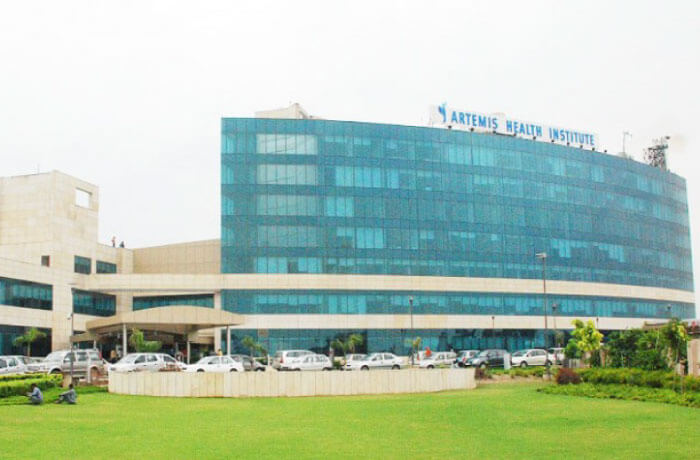
Artemis Hospital, Gurgaon
India’s Best Doctors for Liposuction Surgery:
-
Dr. Sunil Choudhary
-
Dr. Vinod Vij
-
Dr. Ajaya Kashyap
-
Dr. Milind Wagh
-
Dr. Vipul Nanda
Why Choose Get Well Go for Liposuction Surgery?
Selecting the right centre for liposuction surgery is very important in a way that it will proceed smoothly with the positive result expected, safe procedure and satisfactory to the patient. In particular, the following advantages can be listed as the features of Get Well Go to attract people eager to undergo this procedure. Here are some reasons why patients might choose Get Well Go for their liposuction surgery:
-
Expert Medical Team
-
Advanced Medical technology
-
Personalised Care
-
Comprehensive Support Services
-
Affordability and Transparency
-
Positive Patient Experiences
-
Comprehensive Wellness Approach
-
International Patient Services
Conclusion
Liposuction involves the surgical process of eliminating unnecessary fat deposits on the human body in order to augment physical beauty. The methods which are practised now include tumescent liposuction, ultrasound assisted liposuction, laser liposuction along with laser liposuction. In India, the price range for liposuction surgery lies between ?30,000 to ?1, 50,000 for every part of the body. Patients should expect the outcome to be observed shortly after the procedure as they are inclined to reveal enhanced body figure and boosted self-esteem. Its outcome mainly depends on individual objectives, the choice of the appropriate doctor, and adherence to the required postoperative regimen.
FAQs
1. Is liposuction permanent?
- Liposuction surgery entails the actual removal of fat cells from the proposed treatment part only that this does not last forever. It has been established that the body can increase the number of fat cells; weight gain will simply make the fat cells bigger.
2. For how long does the physical therapy last?
- Being able to get back to work and take part in most activities you should be able to resume within 7 days, yet you might swell and feel uncomfortable for weeks. You should limit any form of activity that can exert you for about one month.
3. What is the time frame to see the results?
- You may get some results right now but I recommend waiting 6 months to get your final results.
4. What is the weight loss capability from this treatment?
- Liposuction surgery does not equate to weight reduction; on average you can lose a couple of inches or pounds out of the treated areas.
Free Consultation on WhatsApp
TREATMENT-RELATED QUESTIONS
GetWellGo will provide you end-to-end guidance and assistance and that will include finding relevant and the best doctors for you in India.
A relationship manager from GetWellGo will be assigned to you who will prepare your case, share with multiple doctors and hospitals and get back to you with a treatment plan, cost of treatment and other useful information. The relationship manager will take care of all details related to your visit and successful return & recovery.
Yes, if you wish GetWellGo can assist you in getting your appointments fixed with multiple doctors and hospitals, which will assist you in getting the second opinion and will help you in cost comparison as well.
Yes, our professional medical team will help you in getting the estimated cost for the treatment. The cost as you may be aware depends on the medical condition, the choice of treatment, the type of room opted for etc. All your medical history and essential treatment details would be analyzed by the team of experts in the hospitals. They will also provide you with the various types of rooms/accommodation packages available and you have to make the selection. Charges are likely to vary by the type of room you take.
You have to check with your health insurance provider for the details.
The price that you get from GetWellGo is directly from the hospital, it is also discounted and lowest possible in most cases. We help you in getting the best price possible.
No, we don't charge patients for any service or convenience fee. All healthcare services GetWellGo provide are free of cost.