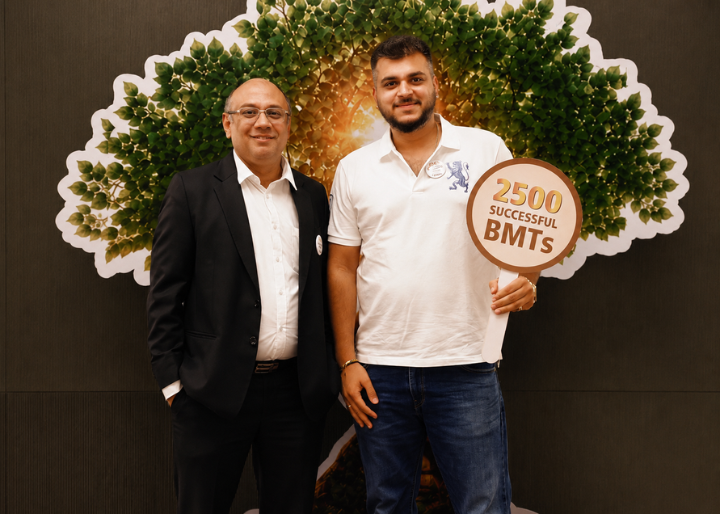
Historic Milestone: FMRI Celebrates 2500 Successful Bone Marrow Transplants
Celebrate a historic milestone of 2500 successful Bone Marrow Transplant at Fortis Gurgaon procedures, backed by our complete international patient visa care.
Read More
Get advanced proton therapy for cancer in India with top hospitals and expert oncologists. Affordable treatment options for abroad patients

Proton therapy can be defined as one of the forms of radiation therapy that help manage cancer. Proton therapy, on the other hand, uses protons as the source of the cancer treatment rather than the photons as used in the normal X-ray radiation. Proton therapy’s strength is the accuracy. Protons are sharp and intense and they therefore can focus directly on the tumor, sparing most of the surrounding healthy tissues. This also means that it is very effective to tumors located near tissues that are sensitive to radiation or in children.
Cancer treatment using proton or ion beams is based on the fact that by directing a high-energy proton beam to the tumour area, the protons’ energy impacts the tumor cells and effectively injures their DNA, causing them to cease dividing. It is also non-invasive but is actually usually employed in cases where the tumor is resistant to radiation treatment. It also may be used if the patient has already received other treatments such as surgery or chemotherapy.
Here is the process through which proton therapy is conducted:
Initial Consultation & Evaluation
Planning the Treatment
Treatment Sessions
Monitoring and Follow-Up
Proton therapy however has certain benefits over conventional radiation therapy and these include: reduced exposure of the subsequent healthy tissues to radiation because of tight packing of protons, bringing radiation dose precisely to the tumor mass. However, the following risks and side effects are still worth knowing about:
This sort of cancer treatment relies on use of proton beams to deliver high energy to cancer cells because of their ability to selectively affect them. These Protons are delivered to the tumor by means of a machine known as cyclotron or synchrotron, where they are first made to accelerate and are then guided towards the tumor location. Protons on reaching the tumor locations release energy within the tumor cells and disrupt the DNA mechanism of growth and division of cancer cells.
Thus, unlike X-rays which keep on radiating energy as they penetrate through tissues, protons radiate mostly at the tumor known as the Bragg Peak. This means that protons do indeed offer the possibility to deliver a higher amount of ionizing radiation dose to the tumor without producing damage on the surrounding healthy tissues.
Radiation Therapy: Uses X-rays and gives satisfactory result in many types of cancers. Still, it is noteworthy that photons do deposit radiation en route through the body and may harm health tissue as a result.
Proton Beam Therapy: It adopts the use of protons that release their energies predominantly at the tumor area; hence, good radiation with minimal harm to tissues.
Proton Therapy and Traditional Radiation Therapy (photon-based) are two techniques that can be used to deliver radiation therapy to cancer cells but the difference is on how they produce the radiation beam. There are the following benefits of applying proton therapy over radiation therapy:
The effectiveness of proton beam radiation therapy varies with the type of tumour, tumor site, tumour stage and the general health of the patient of the patient. Proton therapy is, however, an effective and accurate mode of radiation therapy that has varying rates of success depending on these aspects. There is evidence proving that proton therapy worked effectively in treating different types of cancer such as brain cancer, children cancer, prostate cancer and eye cancer. Due to its fine accuracy and minimal damage to the surrounding healthy tissue and organs, it is useful for treatment of cancerous growths close to vital structures. Proton therapy is also non-invasive, has higher success rates and fewer side effects than radiation therapy. The cancer cure rates differ with tumor type and location, but range from 60% – 90% at 5 year survival rate.
Max Super Speciality Hospital (Saket, New Delhi)
Saket, New Delhi based Max Super Speciality Hospital specializes in the cancer treatment and has radiation therapy, chemotherapy, surgery, immunotherapy, and palliative care.
Medanta - The Medicity (Gurugram)
The facilities include IMRT, SBRT, surgeries, chemotherapy, immunotherapy, and other forms of treatment and care in Medanta, a multi-specialty hospital located in Sector 38, Gurugram, Haryana.
BLK Super Speciality Hospital (New Delhi)
BLK, a top cancer care provider in Pusa Road, New Delhi, offers advanced radiation equipment, chemotherapy, surgery, and palliative care, including proton therapy.
Fortis Memorial Research Institute (FMRI)
FMRI in Gurugram, Haryana brings radiation therapy, Chemotherapy, Surgery, and Cancer care plans, in closer coordination with Oncologists, Surgeons, Radiologists.
GetWellGo is an organization which in this case acts like a bridge connecting foreign clients to hospitals especially in India for such treatments as proton therapy. They associated with huge hospitals in India and hosts package services including treatment planning, travelling arrangement, accommodation and medical consultation. By having an appointment with GetWellGo we help in identifying the hospitals for proton therapy and elaborate the travel/medical packages for the same.
Proton therapy is one of the precise kinds of radiation therapy which has several advantages over the photon-based treatment modalities especially in terms of harming the surrounding healthy tissues. It is especially used in cases of tumors affecting vital organs, children, and when the tumor is located deeply seated in the body. Proton therapy has proved to have an efficiency that is as high as or even slightly higher than in conventional radiation: it is useful in cases where it is necessary to avoid strong impact on organs, tissues, or bones encountered when treating locations near vital organs. Being more costly and less available for application as compared to conventional radiation, it has some notable benefits in specific instances.
1. What is proton therapy?
2. What are the advantages of proton therapy?
3. How does it take for a patient to complete the proton therapy treatment?
Website Link: https://getwellgo.com/
Celebrate a historic milestone of 2500 successful Bone Marrow Transplant at Fortis Gurgaon procedures, backed by our complete international patient visa care.
Read More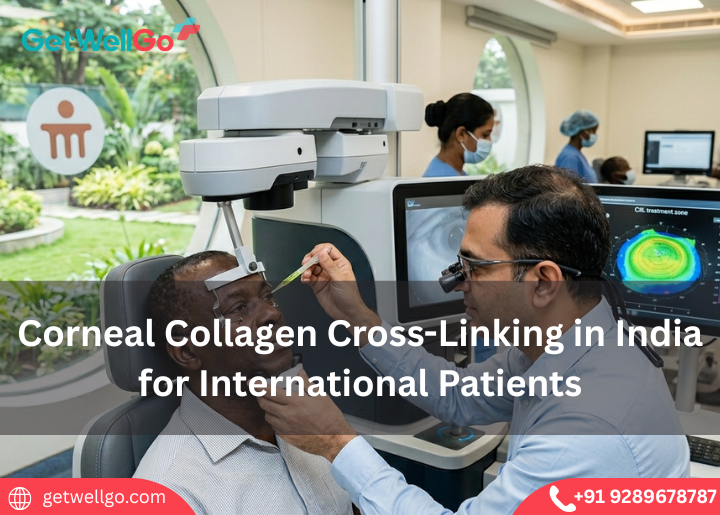
Experience advanced Corneal Collagen Cross-Linking in India to stabilize keratoconus and protect your sight, with full medical visa help from our travel team.
Read More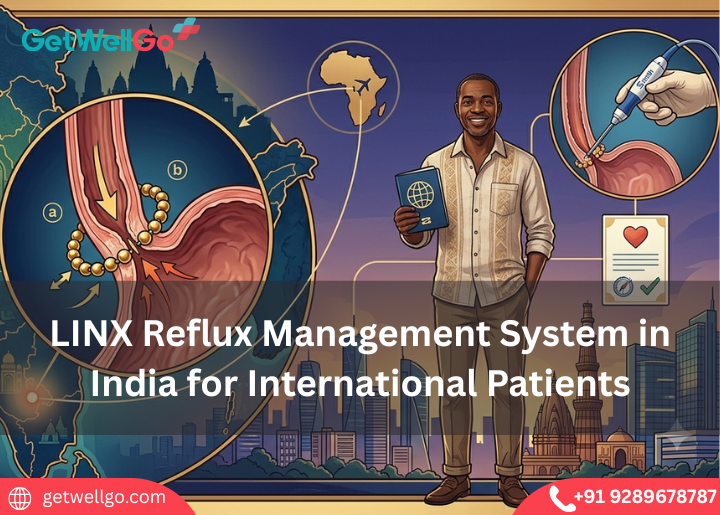
Experience the LINX Reflux Management System in India to stop severe heartburn using a tiny magnetic ring, fully organized by our fast-track medical visa team.
Read More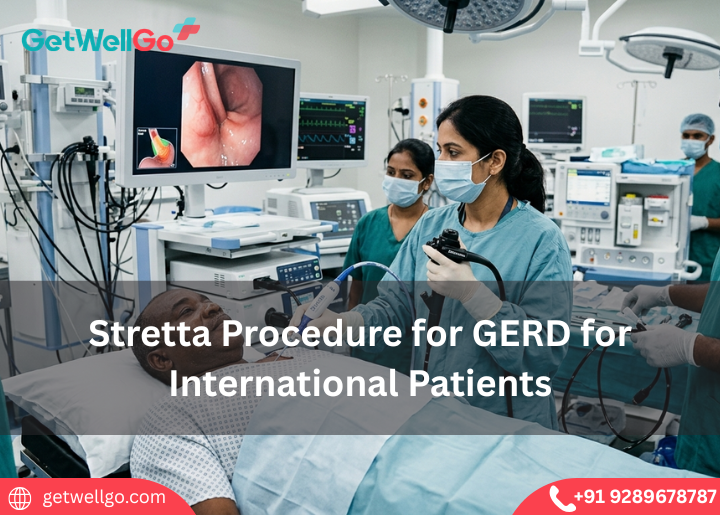
Experience advanced Stretta Procedure for GERD in India to eliminate chronic acid reflux without surgery, completely managed by our fast-track medical visa team
Read More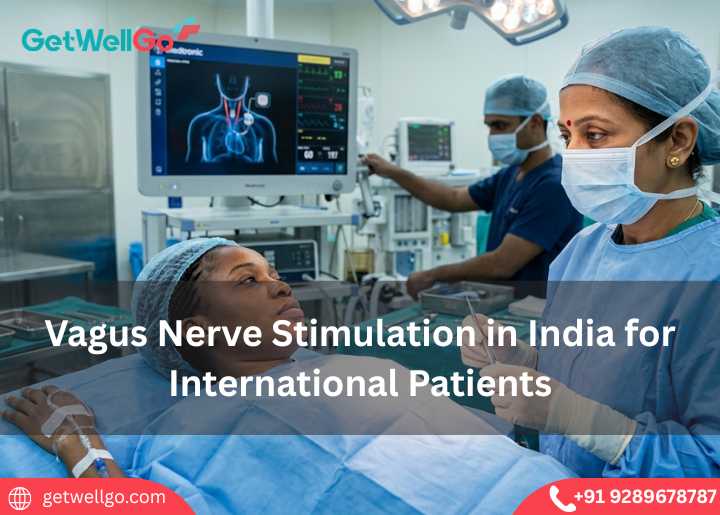
Get advanced vagus nerve stimulation treatment in India with expert care, modern hospitals, and affordable options for international patients.
Read More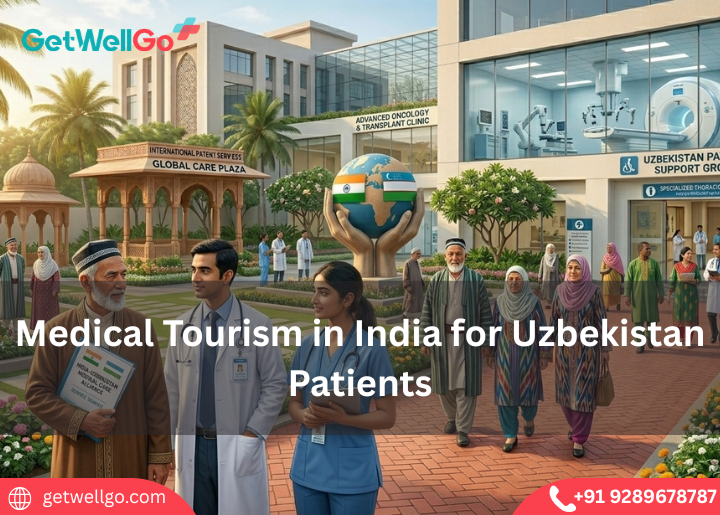
Medical tourism in India for Uzbekistan Patients made easy. GetWellGo handles your top-tier surgery, Uzbek translator, and a safe, warm home for your family.
Read More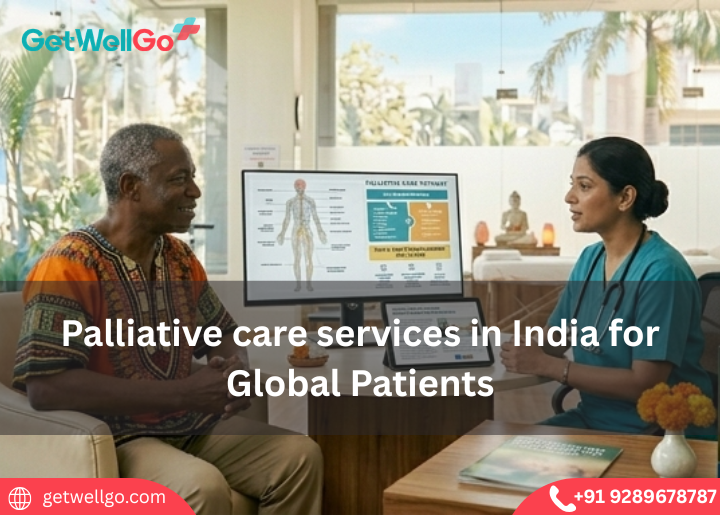
Palliative care services in India focus on your comfort and peace of mind. GetWellGo handles the expert pain relief, visa, and a serene, private home to heal.
Read More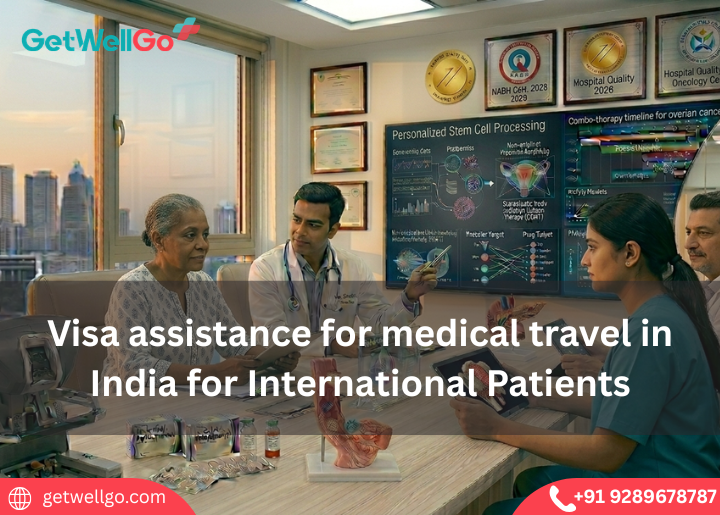
Get reliable visa assistance for medical travel to India. Support with documentation, approvals, and a smooth entry process for global patients.
Read More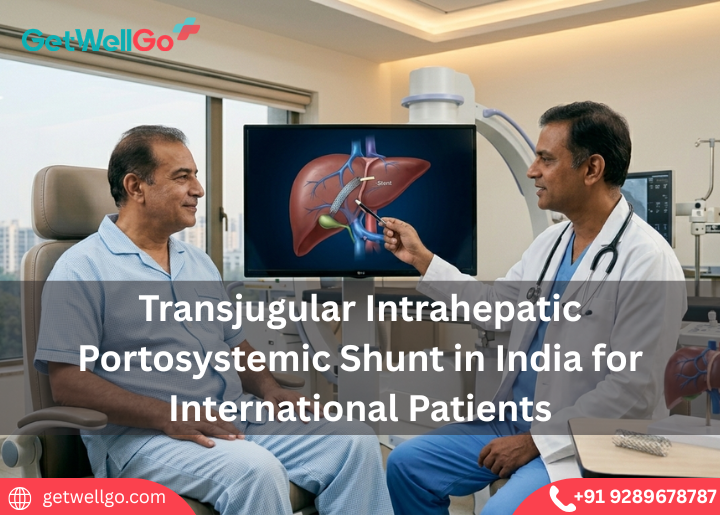
Transjugular Intrahepatic Portosystemic Shunt in India stops dangerous liver bleeding. GetWellGo handles your top specialist, visa, and a safe, cozy stay.
Read More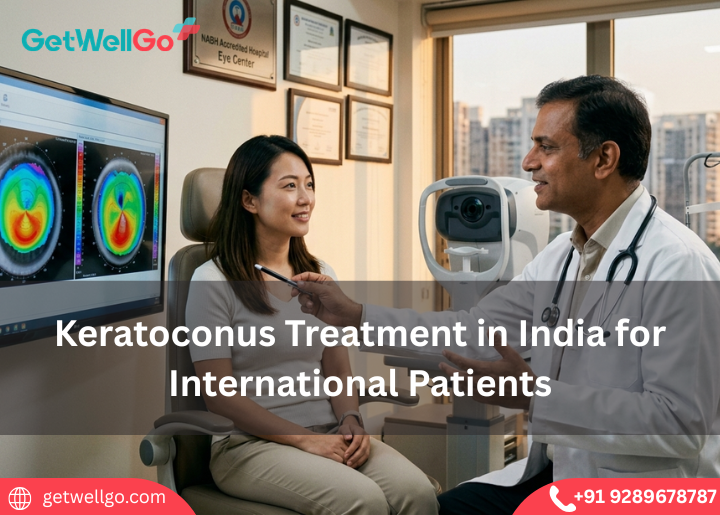
Keratoconus Treatment in India stops your vision from getting worse. GetWellGo handles your advanced eye care, visas, and a safe trip to save your sight.
Read More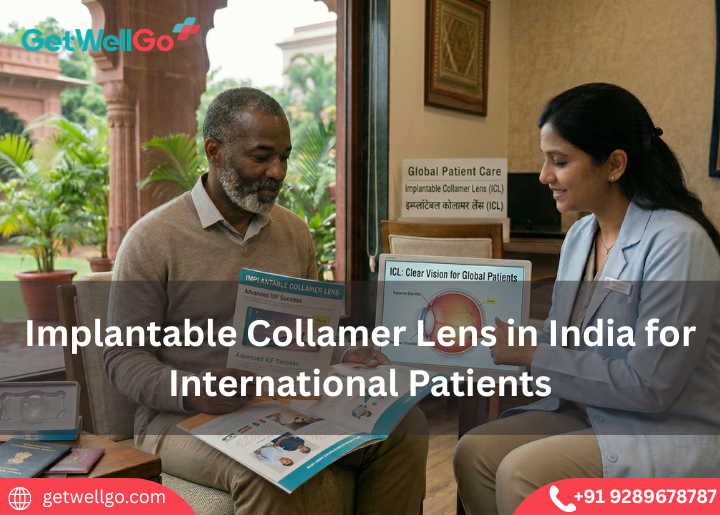
Implantable Collamer Lens in India lets you ditch thick glasses forever. GetWellGo handles your expert eye doctor, flights, and a clear-vision holiday.
Read More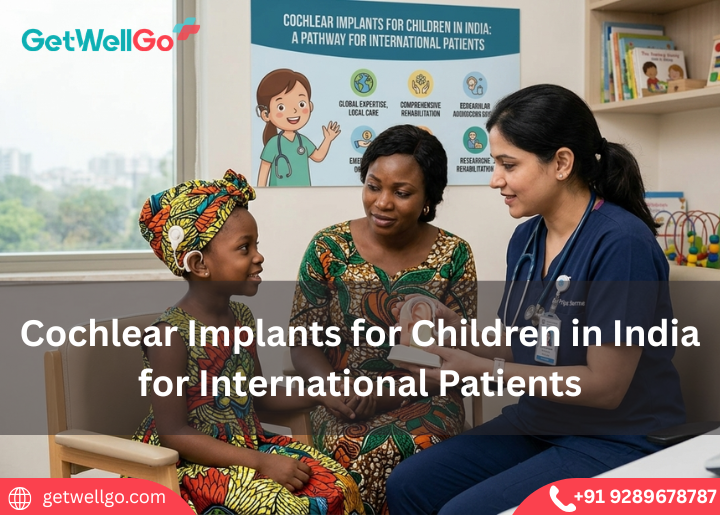
Cochlear Implants for Children in India opens a world of sound. We at GetWellGo plan your affordable ear surgery, airport pickup, and safe family trip.
Read More