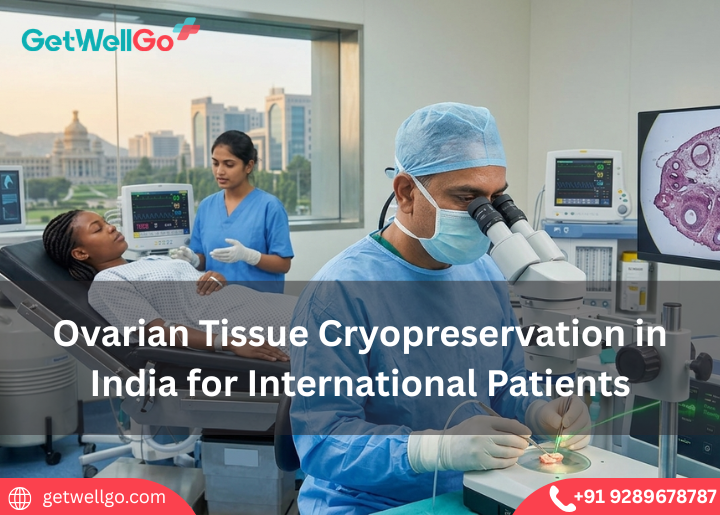
Ovarian Tissue Cryopreservation in India for International Patients
Secure your future with Ovarian Tissue Cryopreservation in India to freeze fertility before oncology treatments, fully managed by our medical visa travel team.
Read More
Learn about ovulation induction, including common methods, success rates, and potential risks. Understand how this fertility treatment can help in achieving pregnancy.
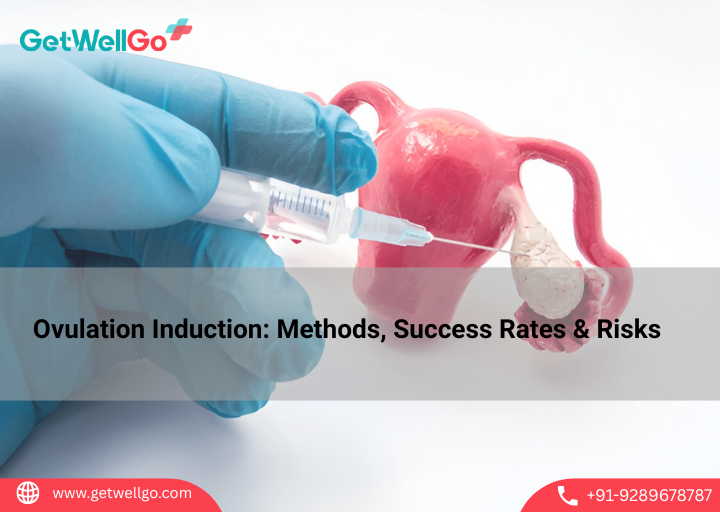
Ovulation Induction Treatment refers to fertility treatment that is applied in stimulating ovulation among women with either irregular or lacking ovulation (anovulation). It is also popular among women with polycystic ovary syndrome (PCOS) or other hormone imbalances that interfere with the menstrual period.
Ovulation induction is determined by a variety of factors such as reason of infertility, age, used drugs, and whether accompanying timed intercourse or inseminations intrauterine (IUI).
Clomiphene Citrate (Clomid)
Letrozole (Femara)
Gonadotropins (FSH/hMG)
Letrozole/Clomid + IUI
Gonadotropins + IUI
Cumulative Success: When one has more than one cycle (usually 3 to 6 cycles) and cumulative pregnancy rate can be up to 40 to 60 percent, particularly, in women below 35 years of age.
Ovulation induction is mostly safe if monitored properly, but it is not without any risk or side effect, particularly with more potent drugs such as gonadotropins.
Ovulation induction: It is based on the principle of treating the ovaries with the medicines so that the ovaries produce mature eggs after growth and release them in the ovulators who have no ovulatory periods or they become ovulatory. It copies or reinforces the body internal hormonal stimuli which govern the menstrual cycle.
Baseline Evaluation
Includes:
Ovulation Induction Medication Administration
Follicular Development monitoring
Triggering Ovulation
Timed Insemination or Intrauterine Insemination (IUI)
LUTEAL PHASE SUPPORT (Optional)
The price of ovulation induction treatment can range significantly based on a number of medical, logistical, and clinic-related considerations. Let's break down the most important factors influencing the total cost:
Poly cystic ovary syndrome ovulation induction- Poly cystic ovary syndrome ovulation induction is a common fertility medicine that is used to enhance ability of women with either absent or problematical ovulations to conceive. PCOS constitutes one of the major causes of anovulatory barrenness and thus ovulation induction as first-line behaviour often applies.
GetWellGo is regarded as a leading supplier of healthcare services. We help our foreign clients choose the best treatment locations that suit their needs both financially and medically.
We offer:
Secure your future with Ovarian Tissue Cryopreservation in India to freeze fertility before oncology treatments, fully managed by our medical visa travel team.
Read More
Explore assisted laser hatching in India for global patients, enhancing IVF success with skilled specialists, modern labs, and cost-effective care.
Read More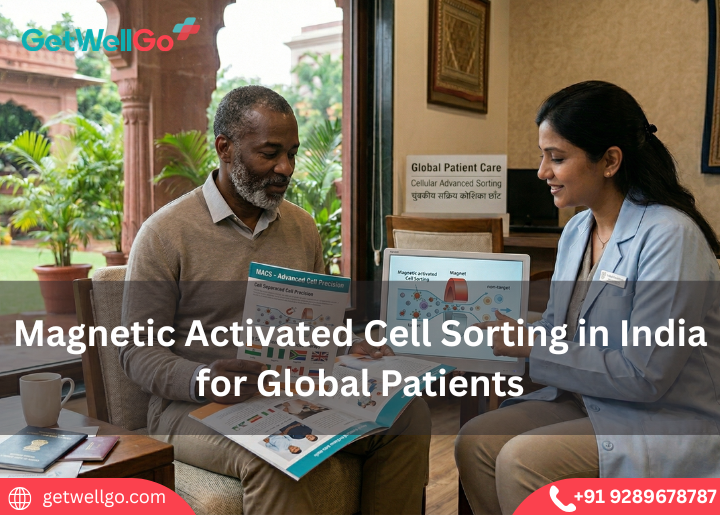
Magnetic activated cell sorting in India provides cell separation with expert teams, advanced labs, and affordable treatment for international patients.
Read More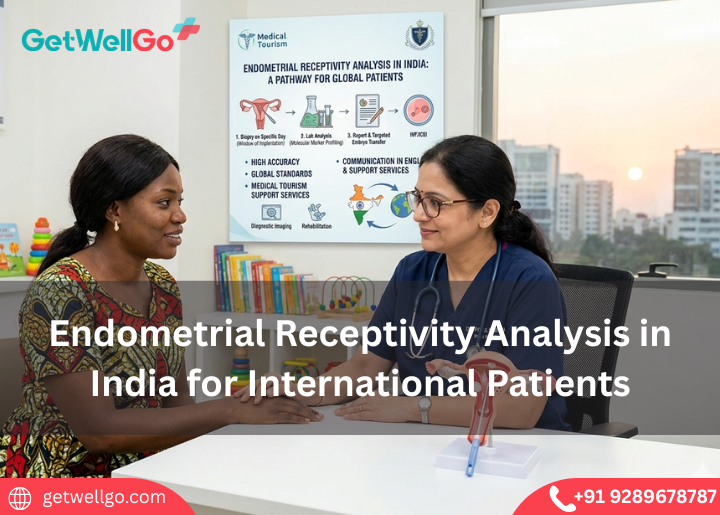
Endometrial Receptivity Analysis in India helps identify the ideal implantation window, improving IVF success for international patients with expert care.
Read More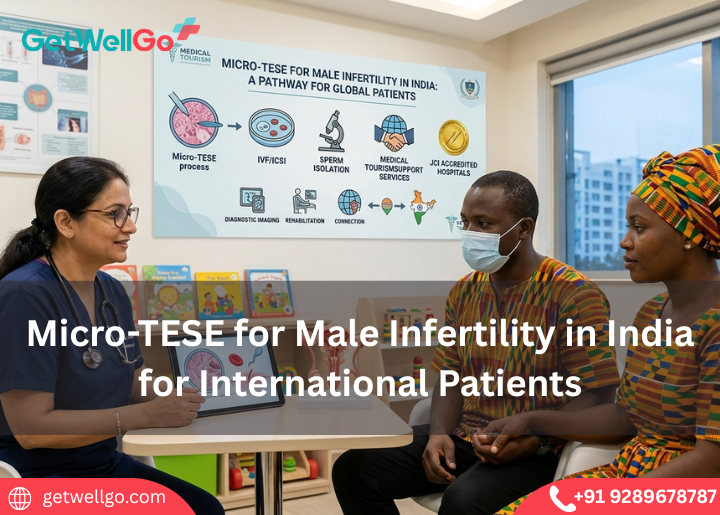
Micro-TESE in India helps men with zero sperm count achieve parenthood through advanced surgical sperm retrieval and expert fertility care for global patients.
Read More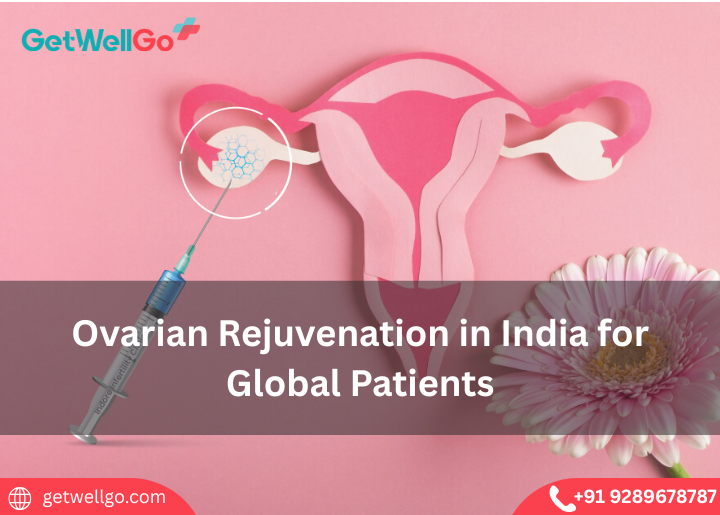
Ovarian Rejuvenation in India helps wake up your natural fertility. We at GetWellGo plan your expert doctor visits, flights, and a warm hotel bed.
Read More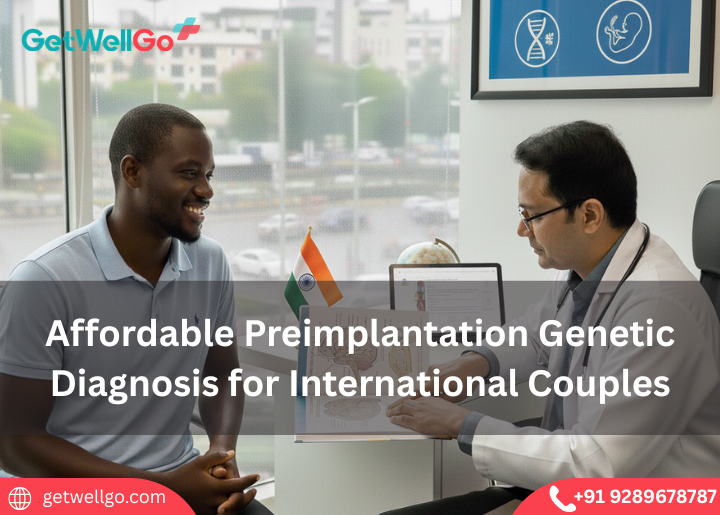
Preimplantation Genetic Diagnosis ensures a healthy start. GetWellGo arranges your affordable IVF screening, visas, and a comfortable stay abroad.
Read More
Physiological Intracytoplasmic Sperm Injection in India selects the best sperm. GetWellGo helps reduce miscarriage risks with advanced IVF. Book now.
Read More
Intracytoplasmic Sperm Injection in India beats severe male infertility. GetWellGo connects you to elite IVF labs with high success rates. Start your family.
Read More
What Are IVF Protocols and which fits you? We explain the difference between Long, Short, and Antagonist cycles. Get a custom fertility plan.
Read More
Choose IVF treatment in India for Kenyan patients with GetWellGo for quality fertility care, expert specialists, transparent costs, and global patient support.
Read More
IVF Treatment in India for Cameroon Patients at Apollo Fertility, Cloudnine IVF, and Fortis La Femme offers 55-65% success rates, tailored packages, visa support, French/English staff, accommodation, and airport transfers for seamless fertility
Read More