Difference Between Sickle Cell Anemia and Sickle Cell Disease: A Guide for Nigerians
Confused about the difference between sickle cell anemia and sickle cell disease? This guide explains it clearly for Nigerian patients and families.
Read More
Is there a new cure for sickle cell disease in 2026? See what gene therapy and bone marrow transplant options mean for Nigerian patients and costs.
Sickle Cell Disease (SCD) is an inherited blood condition which can lead to frequent pain episodes, anaemia, infection, organ involvement and other complications. The improvement in gene therapy treatment has led to hope for many Nigerian families especially those who have had serious and frequent complications when using their regular treatments. The term “new cure for sickle cell disease” is now more closely linked to new gene-based therapies that attempt to tackle the root cause of sickle cell disease as opposed to managing its symptoms. It is important for families to be informed about these developments when considering advanced treatment overseas for their Nigerian patients including treatment in India with hematologists or transplant specialists.
No treatment can be said to be a sure cure for every individual who is affected with sickle cell disease. One of the most promising potentially disease-modifying strategies, however, has been gene therapy.
The FDA has approved two gene therapies for sickle cell.
Before they choose to treat sickle cell disease with this new potential cure, it is important for them to know how it works. Casgevy is a blood stem cell transplant from a patient's own blood stem cells. The cells are taken from the patient and modified with the help of the CRISPR/Cas9 gene-editing technique. Intensive conditioning treatment is followed by the reintroduction of the modified cells into the patient's body. The goal is to boost the amount of fetal hemoglobin (HbF). Elevated HbF levels may minimize the tendency of the RBCs to sickle and thus decrease the frequency of vaso-occlusive crises. Lyfgenia works differently. It involves genetic modification of blood stem cells using a lentiviral vector to generate cells that express a modified version of hemoglobin which will decrease sickling. These treatments are therefore much more complicated than daily medication or a blood transfusion.
One of the major questions for Nigerian patients Although gene therapy could potentially give long-term control of sickle cell disease, doctors should not talk of it as a cure for good. Patients need intensive treatment, specialized stem-cell collection and transplantation procedures and long-term follow-up. While these are positive results, patients and families need to speak with a specialist about the limitation of clinical studies, length of follow-up, possible complications and whether or not they are a good candidate for this treatment.
While Gene Therapy is a target of great interest, traditional therapy for Sickle Cell Disease (SCD) is still crucial for many patients.
Treatment can be offered which might include:
The best treatment plan is individualized. If a newer therapy has been developed, do not discontinue an existing medicine for a patient.
Treatment is available based on the type of therapy and regulatory regulations.
Doctors will take into account the following factors:
Gene therapy is a more intricate process for Nigerians seeking advanced sickle cell treatment abroad than its standard treatment in the hospital.
This process could include:
India has gained a wealth of experience in cellular therapies, bone marrow transplantation and hematology. Nigerian patients who are thinking of undergoing treatment abroad should solicit a consultation from a knowledgeable hematologist or transplant center to see if treatment abroad is suitable.
But, the availability of a particular gene therapy should not be taken for granted if a hospital provides bone marrow transplantation. Patients should specifically request:
Second opinion may be particularly useful prior to a decision on intensive chemotherapy and cellular therapy.
The emergence of gene therapies is a major step towards a new cure for sickle cell disease. The field evolves quickly: Casgevy was approved for younger children in 2026. But gene therapy is complicated and cannot be used by everyone. Traditional sickle cell disease therapies such as medications and transfusion, pain management, prevention and health care monitoring and care from a specialist will continue to be important for many patients. The first step for Nigerian families that are thinking of pursuing advanced treatment in India is to get a detailed evaluation from an experienced hematology and transplant team. GetWellGo can help Nigerian patients to find appropriate hospitals, arrange expert opinion, arrange medical records and plan treatment in India.
GetWellGo is regarded as a leading supplier of healthcare services. We help our Nigerian clients choose the best treatment locations that suit their needs both financially and medically.
We offer:
Confused about the difference between sickle cell anemia and sickle cell disease? This guide explains it clearly for Nigerian patients and families.
Read More
Confused about malaria treatment for sickle cell disease? This guide breaks down safe drugs, risks, and prevention tips for Nigerian patients.
Read More
Cancer survivorship programs in India help you start your next chapter. GetWellGo handles your expert check-ups, wellness, and a cozy home to stay strong."
Read More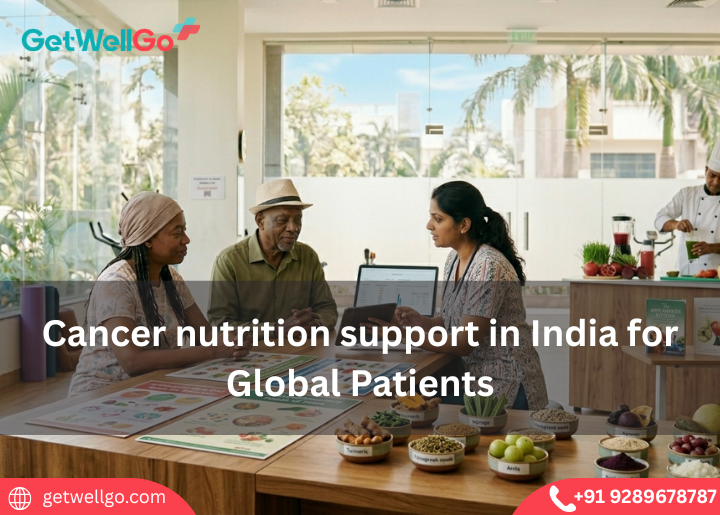
Cancer nutrition support in India helps you stay strong during treatment. GetWellGo provides expert diet plans, healing meals, and a cozy stay for recovery.
Read More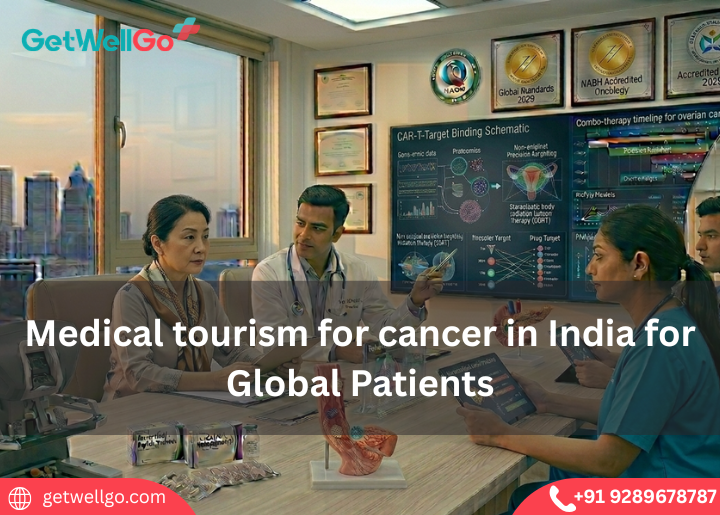
Medical tourism for cancer in India is easier with a friend. GetWellGo handles your expert doctors, visa, and a cozy, safe stay so you can focus on healing.
Read More
Radio-Frequency Ablation in India destroys tumors and nerve pain without surgery. We provide global patients with expert doctors and full travel assistance.
Read More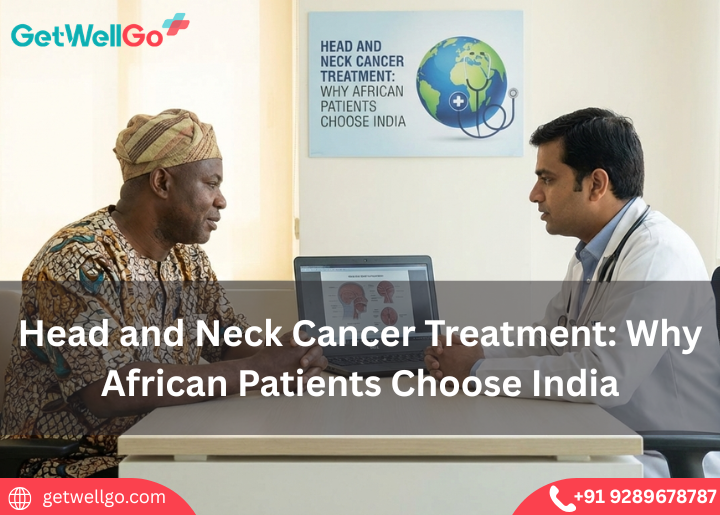
Head & neck cancer treatment in India offers advanced care. African patients trust GetWellGo for quality, affordable international healthcare solutions.
Read More

Travel to India for a Colectomy with GetWellGo. World-class hospitals, expert surgeons, affordable prices, and personalized care for international patients.
Read More
Get world-class Chronic Myelogenous Leukemia treatment in India with advanced care at affordable costs. GetWellGo supports international patients.
Read More
GetWellGo is the top choice for international patients seeking cancer treatment in India. Affordable care, expert oncologists, and world-class hospitals.
Read More
Affordable, advanced intraocular melanoma treatment in India with expert care. GetWellGo supports international patients every step of the way.
Read More